
Can You Get SR-22 From an Online-Only Carrier?
Free to compare
What Happens When You Request SR-22 From a Digital Carrier
Most online-only carriers don't underwrite SR-22 policies in-house. When you request SR-22 filing, one of three things happens: the carrier routes you to a specialty affiliate that writes non-standard auto, they refer you to a third-party SR-22 carrier and exit the transaction, or they decline to quote entirely. The digital storefront and the actual underwriting entity are often separate companies.
Root, Metromile, and similar app-based carriers typically decline SR-22 requests outright or refer you off-platform. They underwrite for preferred and standard risk profiles only. Lemonade's auto product operates the same way — SR-22 triggers an automatic referral or decline. You won't see a rate increase from your current carrier because you won't get a quote at all.
Geico and Progressive have online quoting tools, but both route SR-22 business to specialty divisions with separate underwriting guidelines. A Geico quote you receive online for standard coverage won't carry over when SR-22 is added — you're re-quoted under non-standard rules, often at a significantly higher rate. The brand stays the same, but the underwriting entity and rate tier change.

Why Digital Carriers Avoid SR-22 Underwriting
SR-22 filing signals a high-risk driver — someone with a DUI, multiple violations, or a license suspension. Digital carriers optimize for low-cost customer acquisition and automated underwriting. High-risk drivers require manual review, higher loss reserves, and compliance with state-specific SR-22 filing requirements. That operational model doesn't fit app-based platforms designed for instant quotes and no-touch policy issuance.
Carriers that do write SR-22 — typically regional insurers and specialty non-standard carriers — maintain relationships with state DMVs for electronic filing, handle lapse notifications, and manage reinstatement paperwork. Most digital-first carriers don't build that infrastructure. It's cheaper to refer the business out than to underwrite it.
The result: a driver who starts a quote online with a digital carrier and discloses an SR-22 requirement either hits a dead end or gets routed to a completely different company with no rate continuity.


Which Carriers Actually Write SR-22 Policies Online
Progressive writes SR-22 in most states through its standard and non-standard divisions. You can complete the entire process online, but expect to be quoted under non-standard underwriting guidelines if SR-22 is required. Rates typically run 60–120% higher than standard Progressive quotes for the same coverage limits.
Geico writes SR-22 in many states, but the quote you receive online may differ significantly from the final SR-22 rate. Geico often moves SR-22 drivers to a separate underwriting tier or refers them to Geico Advantage, its non-standard affiliate. The process starts online but frequently requires a phone call to finalize.
The Zebra, SmartFinancial, and similar aggregators will show you SR-22 carriers, but they're pulling from a panel of specialty insurers — not the digital brands you see in app store ads. The carriers that actually bind SR-22 policies online tend to be regional or specialty non-standard insurers: Bristol West, Acceptance Insurance, Dairyland, Direct Auto. These aren't household names, but they're built to handle high-risk drivers efficiently.
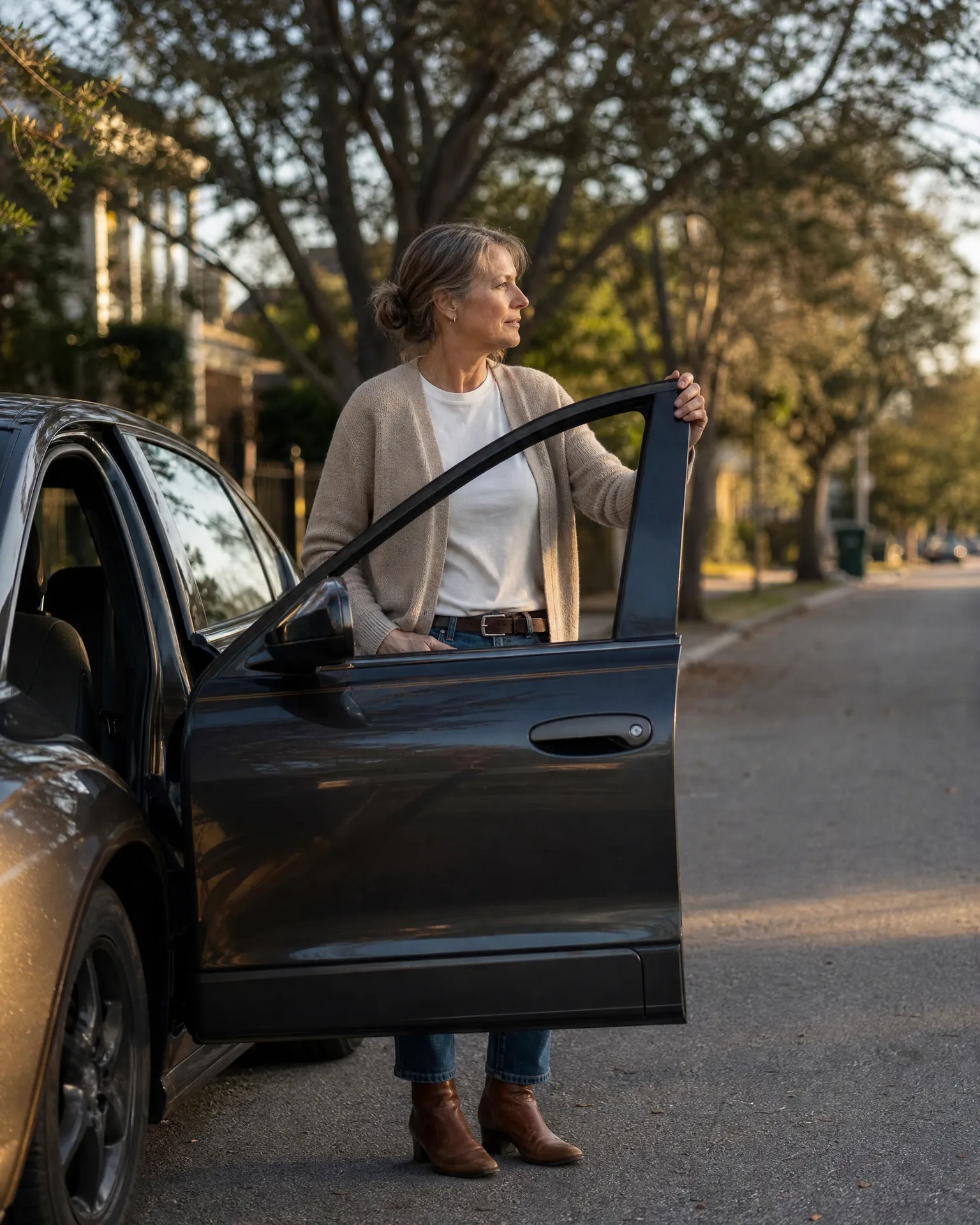
Stay Covered While You Drive Borrowed Cars
Find Coverage After ViolationsWhat to Do If Your Current Carrier Won't File SR-22
If your current carrier declines to file SR-22 or quotes you a rate that doubles your premium, request the declination or non-renewal notice in writing. Some states require carriers to provide a specific reason for non-renewal after a violation. That documentation helps if you're shopping for coverage and need to explain your risk profile to a new carrier.
Shop specialty non-standard carriers directly. These companies expect SR-22 filings — it's their core business. You'll often get a lower rate from a specialty carrier than from a standard carrier's non-standard division because the specialty carrier's entire risk pool is high-risk drivers. Standard carriers price SR-22 policies to push that business away. Specialty carriers price to win it.
Don't assume online-only means cheaper. Digital carriers save money on distribution and marketing, but they don't underwrite high-risk profiles. A regional carrier with an agent network may quote you a lower SR-22 rate than a digital brand that refers you to a third party. The savings digital carriers offer disappear the moment SR-22 is required.

SR-22 Filing Process: Online vs. Traditional Carriers
Traditional carriers and specialty insurers file SR-22 electronically with your state DMV, usually within 24–48 hours of policy binding. You receive a copy of the SR-22 certificate, and the DMV receives electronic confirmation that you're insured. If you let the policy lapse, the carrier files an SR-26 notice with the DMV, triggering an immediate suspension in most states.
Online-only carriers that do write SR-22 follow the same process, but you'll handle everything through the app or web portal. No paper forms, no mailed certificates. That's faster — but only if the carrier actually writes SR-22. Most digital carriers hand you off to a specialty insurer at the quoting stage, and you're back to traditional processes with a company you didn't choose.
The filing itself costs $15–50 depending on your state, paid to the carrier at policy inception. Some carriers charge a separate SR-22 processing fee. The DMV does not charge a filing fee — they charge reinstatement fees if your license was suspended, but the SR-22 certificate itself has no state fee. Any carrier that quotes you a state SR-22 fee above $50 is padding the number.
Frequently Asked Questions
Can I file SR-22 through an app-based insurance carrier?
Most app-based carriers like Root, Metromile, and Lemonade don't underwrite SR-22 policies. They either decline to quote or refer you to a specialty carrier off-platform. Progressive and Geico have online tools but route SR-22 business to non-standard divisions with separate pricing.
Why won't digital insurance companies write SR-22 policies?
Digital carriers optimize for automated underwriting and low-risk drivers. SR-22 requires manual review, state-specific filing infrastructure, and higher loss reserves. Most digital carriers refer SR-22 business to specialty insurers rather than build that operational capacity.
Do online SR-22 quotes cost more than quotes from traditional carriers?
Not necessarily. Specialty non-standard carriers often quote lower SR-22 rates than standard carriers' non-standard divisions because their entire risk pool is high-risk drivers. Digital carriers that do write SR-22 rarely offer the lowest rates for non-standard profiles.
How long does it take to file SR-22 electronically?
Carriers file SR-22 electronically with the state DMV within 24–48 hours of policy binding. You receive a copy of the certificate, and the DMV receives electronic confirmation. If you let the policy lapse, the carrier files an SR-26 cancellation notice immediately.
What happens if I start an online quote and then add SR-22?
Most digital carriers will either exit the transaction or re-quote you under non-standard underwriting rules at a significantly higher rate. The initial quote you received for standard coverage won't carry over once SR-22 is disclosed. You'll be routed to a specialty division or referred off-platform.
Related Articles

SR-22 Online vs Agent: Which Costs Less for High-Risk?
5/18/2026

Can You File SR-22 Yourself? Why DIY Filing Doesn't Exist
5/18/2026

Find SR-22 Carriers That Won't Decline You in Your State
5/18/2026

SR-22: Major Carrier vs Specialist Tradeoffs
5/18/2026

SR-22 Insurance Under 21: Carriers That Write You & Real Costs
5/18/2026

Can You Get SR-22 From a Carrier That Canceled You?
5/18/2026