
Can I Get SR-22 Without a Valid Driver's License?
Free to compare
Non-Owner SR-22 Policies Work Without an Active License
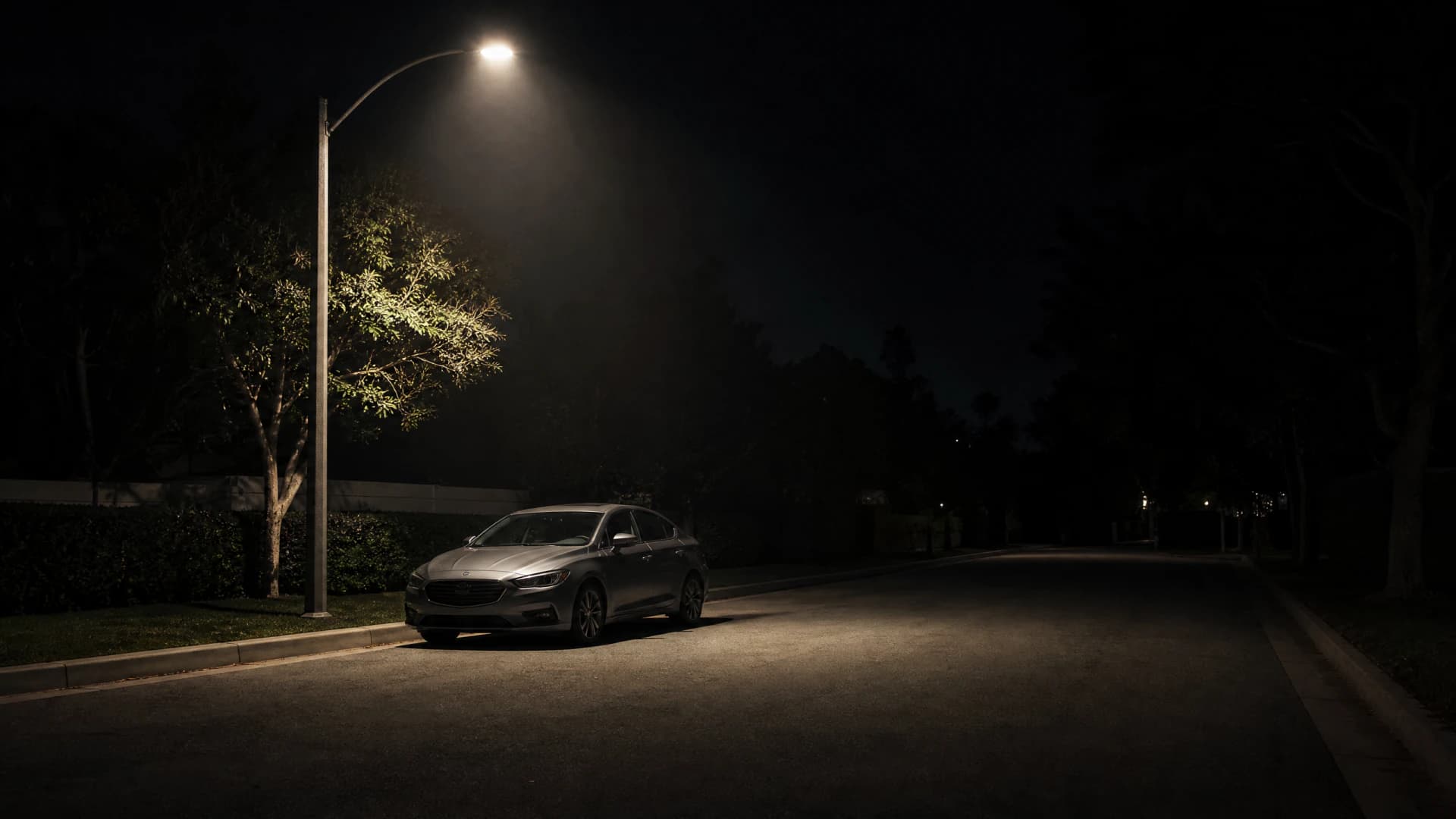
You can get SR-22 coverage without a valid driver's license using a non-owner policy. Non-owner SR-22 provides liability coverage when you drive a vehicle you don't own, and carriers will issue the policy even if your license is currently suspended. The SR-22 certificate gets filed with your state DMV immediately, which starts your required filing period in most states.
This matters because many states count the SR-22 filing period from the date the certificate is filed, not from the date your license is reinstated. If your state requires 3 years of SR-22 and you wait 18 months after suspension to file, you're adding 18 months to your total time under SR-22 supervision. Filing immediately during suspension means the clock runs while you complete other reinstatement requirements.
Non-owner policies cost substantially less than standard policies because they exclude physical damage coverage and carry lower liability limits. Expect $25-$65/month for a non-owner SR-22 policy depending on your violation, state, and the liability limits required. The SR-22 filing fee itself ranges from $15-$50 depending on the carrier and state.

When Non-Owner SR-22 Makes Sense During Suspension
Non-owner SR-22 is the right choice if you don't own a vehicle, your car was totaled or sold after the violation, or you're suspended and want the filing period to start now. It's also common for drivers who live in a household with other vehicles but are excluded from those policies due to their violation history.
If you own a registered vehicle in your name, most states require a standard owner SR-22 policy, not a non-owner version. The state DMV cross-references vehicle registrations with insurance filings, and a mismatch can trigger a lapse notice or registration suspension. Check your state's vehicle registration database before choosing non-owner coverage.
Some drivers use non-owner SR-22 as a bridge strategy: file non-owner immediately after suspension to start the clock, complete license reinstatement requirements over the next 6-12 months, then convert to a standard policy when the license is restored. The SR-22 filing period continues uninterrupted through the conversion as long as there's no coverage gap.

How the SR-22 Filing Period Interacts with License Suspension
Most states require SR-22 for a fixed period measured from the filing date, not the reinstatement date. This means filing SR-22 during suspension doesn't waste money — it advances your timeline. If your state requires 3 years of SR-22 and you file today, you'll satisfy that requirement 3 years from today regardless of when your license is reinstated.
A few states structure SR-22 differently. Some require the filing to remain active for a set period after reinstatement, which means filing during suspension doesn't count. Other states measure the SR-22 period from the conviction date or the suspension start date. Verify your state's specific SR-22 duration rules before purchasing non-owner coverage.
Carriers and state DMVs do not communicate about your license status when you file SR-22. The carrier files the certificate based on your policy purchase. The DMV receives it and updates your compliance record. Your license status is a separate track — SR-22 filing satisfies one reinstatement requirement, but you still need to complete any suspension period, pay reinstatement fees, and meet other state conditions before driving legally.

Stay Covered While You Drive Borrowed Cars
Find Coverage After ViolationsWhat Happens When You Reinstate Your License
When your license is reinstated, your non-owner SR-22 policy remains active and continues to satisfy your filing requirement. You can keep the non-owner policy if you still don't own a vehicle, or convert to a standard policy if you purchase or register a car. The SR-22 certificate transfers to the new policy as long as there's no lapse in coverage.
If you let the non-owner policy lapse at any point during your required filing period, the carrier notifies the DMV within 10-30 days depending on state law. The DMV typically suspends your license again immediately, and most states restart your SR-22 filing period from zero. A single missed payment can add 1-3 years to your total compliance timeline.
Set up automatic payments for non-owner SR-22 policies. These policies are inexpensive enough that a missed payment is never worth the reinstatement consequences. Most carriers writing non-owner SR-22 offer monthly EFT at no additional fee.

Carriers That Write Non-Owner SR-22 During Suspension
Not all carriers write non-owner SR-22, and fewer write it for drivers with suspended licenses. Progressive, The General, Acceptance Insurance, and National General actively write non-owner SR-22 in most states and do not require an active license at the time of purchase. State Farm and GEICO write non-owner policies but route SR-22 business to specialty subsidiaries with different underwriting rules.
Carriers evaluate non-owner SR-22 applications based on your violation type, how long ago it occurred, and your state's reinstatement requirements. A DUI from 18 months ago will price higher than a lapse-related suspension from 6 months ago. If you have multiple violations or a commercial driver's license, expect fewer carrier options and higher premiums.
Use a high-risk insurance comparison tool to get quotes from carriers writing non-owner SR-22 in your state. Direct-to-carrier quoting often excludes non-owner options or routes you to a standard policy you can't use. Aggregators and independent agents specializing in SR-22 have access to the non-owner market and can file the certificate the same day the policy binds.
Frequently Asked Questions
Can I drive legally with SR-22 but no valid license?
No. SR-22 is proof of insurance, not a driver's license. Filing SR-22 satisfies one reinstatement requirement, but you cannot drive legally until your license is fully reinstated by the DMV. Driving on a suspended license with SR-22 on file is still a criminal offense in most states and will extend your suspension period.
How much does non-owner SR-22 cost if my license is suspended?
Non-owner SR-22 policies typically cost $25-$65/month depending on your violation type, state, and required liability limits. The SR-22 filing fee itself adds $15-$50 as a one-time or annual charge depending on the carrier. This is 40-60% cheaper than a standard SR-22 policy on a vehicle you own.
What happens to my SR-22 when I get my license back?
Your non-owner SR-22 policy stays active and continues to satisfy your filing requirement after reinstatement. You can keep the non-owner policy if you don't own a car, or switch to a standard policy when you register a vehicle. The SR-22 certificate transfers to the new policy with no interruption as long as there's no coverage gap.
Do I need SR-22 if I don't plan to drive during my suspension?
Many states require SR-22 filing as a condition of reinstatement regardless of whether you drive during suspension. Filing SR-22 immediately starts your required filing period in most states, which can shorten your total time under SR-22 supervision by 1-3 years. Verify your state's specific SR-22 rules before deciding to delay.
Will my SR-22 filing period restart if I get my license back late?
In most states, no. The SR-22 filing period runs from the date the certificate is filed, not the date your license is reinstated. If you file SR-22 during suspension and reinstate your license 18 months later, you've already completed 18 months of your required filing period. A few states measure SR-22 duration differently — check your state DMV for specifics.
Related Articles

Non-Owner SR-22: Filing Without a Car | How It Works
5/18/2026

Do I Need SR-22 Without Owning a Car? Non-Owner Filing
5/18/2026

Non-Owner SR-22: How to File Without Owning a Vehicle
5/18/2026

SR-22 Filing During License Suspension: File Early Guide
5/18/2026

Can't Afford SR-22? Your Options Before It Lapses
5/18/2026
Do I Need SR-22 If I Never Plan to Drive Again?
5/18/2026