
Can You Add Non-Owner SR-22 to Someone Else's Policy?
Free to compare
Why Non-Owner SR-22 Can't Attach to Another Person's Policy
An SR-22 is not a type of insurance — it's a certificate of financial responsibility filed by an insurer on behalf of a specific driver. The filing is tied directly to your driver's license number and violation history, which means it must appear on a policy where you are the named policyholder. You cannot add your SR-22 requirement to someone else's existing policy as a listed driver, endorsement, or rider.
When you're added as a driver to another person's policy, that policy covers you while driving their vehicle — but the SR-22 certificate would still be filed under the primary policyholder's name, not yours. State DMVs require proof that you, personally, are maintaining continuous coverage. If the SR-22 is filed under someone else's name, it doesn't satisfy your filing requirement, and your license remains suspended or your reinstatement is delayed.
This restriction also protects the other person. If you were allowed to attach your SR-22 to their policy, your violation history — the DUI, at-fault accident, or suspended license that triggered the SR-22 requirement — would become part of their insurance record. Their rates would increase as if they had committed the violation themselves. Carriers treat SR-22 filings as high-risk indicators, and adding an SR-22 driver to an existing policy typically raises premiums by 40–80% depending on the severity of the underlying violation.
The solution is a non-owner SR-22 policy. This is a standalone liability policy issued in your name, covering you when you drive vehicles you don't own. The insurer files the SR-22 certificate with your state DMV under your driver's license number. It satisfies your legal requirement without involving anyone else's policy or rates.

What a Non-Owner SR-22 Policy Actually Covers
A non-owner SR-22 policy provides liability coverage only — no collision, comprehensive, or physical damage protection. It covers bodily injury and property damage you cause while driving a borrowed, rented, or employer-owned vehicle. Minimum coverage limits vary by state, but most SR-22 states require at least 25/50/25 (liability limits of $25,000 per person for bodily injury, $50,000 per accident, and $25,000 for property damage). Some states mandate higher minimums: California requires 15/30/5, while Alaska requires 50/100/25.
The policy does not cover vehicles you own, lease, or have regular access to. If you purchase a car during your SR-22 filing period, you must convert your non-owner policy to a standard owner policy and have the SR-22 transferred to the new policy. The filing itself remains continuous — the certificate is updated to reflect the new policy number, but there is no lapse in your DMV record as long as the transition happens before the non-owner policy is canceled.
Non-owner SR-22 policies cost significantly less than owner policies with SR-22 filings. A driver with a DUI requiring an SR-22 typically pays $30–$70 per month for a non-owner policy, compared to $150–$300 per month for a standard owner SR-22 policy. The lower cost reflects the reduced risk exposure: you're not insuring a specific vehicle, and the carrier's liability is limited to situations where you're driving someone else's car.
The SR-22 certificate filing fee is separate from the policy premium. Most insurers charge a one-time filing fee of $15–$50 to submit the SR-22 to your state DMV. Some carriers waive this fee; others charge it annually if your filing period spans multiple policy terms. This fee is non-refundable and due at the time the policy is issued.


How to Get Your Own Non-Owner SR-22 Policy
Not all insurers offer non-owner SR-22 policies. National carriers like Progressive, The General, and Dairyland specialize in high-risk and non-standard coverage, including non-owner SR-22. Regional carriers and state-assigned risk pools also write these policies, though availability varies by state. Drivers with recent DUIs or multiple violations may be limited to non-standard insurers or state programs, which typically charge higher premiums but guarantee coverage.
To obtain a non-owner SR-22 policy, you'll provide your driver's license number, the details of your violation or suspension, and the name of the state requiring the SR-22 filing. The insurer verifies your driving record, calculates your premium based on your violation history and required coverage limits, and issues the policy. Once the policy is active, the insurer electronically files the SR-22 certificate with your state DMV, usually within 24–48 hours. You'll receive a copy of the certificate for your records, but the DMV filing is what satisfies your legal requirement.
Your filing period begins the day the DMV receives the SR-22 certificate, not the day you purchase the policy. Most states require continuous SR-22 filings for 3 years, though some mandate shorter or longer periods: California requires 3 years for most DUIs, Florida requires 3 years for DUI or serious violations, and Virginia requires 3 years for most suspensions but can mandate up to 5 years for repeat offenses. If your policy lapses or is canceled for non-payment during the required filing period, your insurer is legally obligated to notify the DMV, which immediately suspends your license again.
Maintaining continuous coverage means keeping your policy active without any gaps. If you need to switch insurers during your filing period, the new carrier must file an SR-22 before the old policy is canceled. Most insurers allow a grace period of 10–15 days for payment, but if the policy cancels due to non-payment, the DMV is notified the same day. Reinstating your license after an SR-22 lapse typically requires paying a reinstatement fee of $50–$200 depending on the state, plus restarting your entire filing period from day one in some jurisdictions.
Stay Covered While You Drive Borrowed Cars
Find Coverage After ViolationsWhen You Might Drive a Car Owned by Someone Else
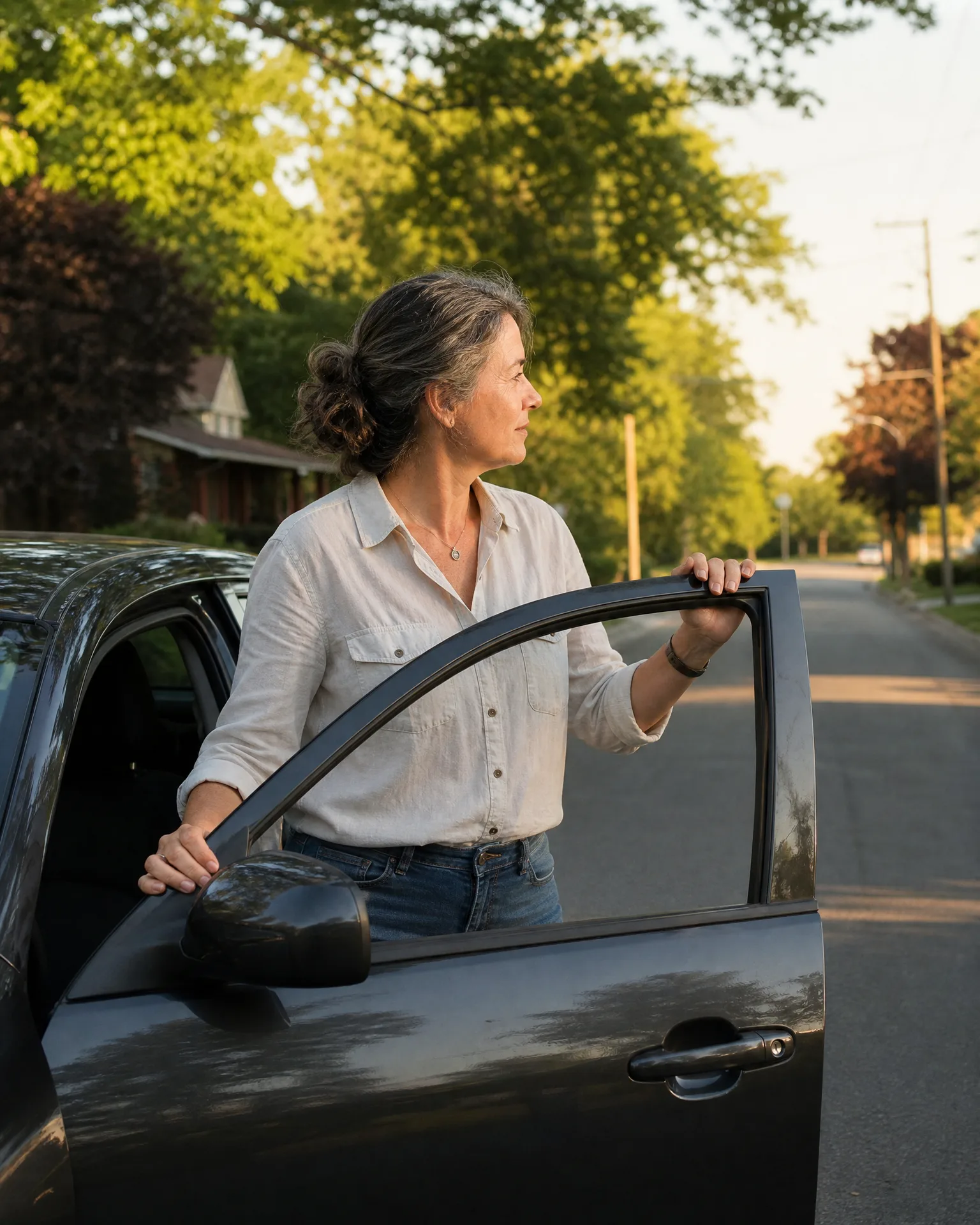
A non-owner SR-22 policy is designed for drivers who regularly borrow vehicles but don't own one themselves. Common scenarios include borrowing a family member's car, driving a roommate's vehicle, or using a friend's car for errands. The policy covers you as the driver — the vehicle owner's insurance remains primary, and your non-owner policy functions as secondary or excess liability coverage if the owner's limits are exhausted.
Rental cars are covered under a non-owner SR-22 policy, but you may still need to purchase the rental company's liability waiver depending on their requirements. Most rental agencies accept proof of a non-owner policy, but some require higher liability limits than state minimums. If your non-owner policy carries only the minimum required for your SR-22 filing, you may need to purchase supplemental coverage from the rental company to meet their threshold.
Employer-owned vehicles are generally covered under your non-owner policy only if the vehicle is used for personal errands outside of work duties. If you drive a company car as part of your job, your employer's commercial auto policy is primary. However, if your employer requires you to carry personal liability coverage due to your SR-22 requirement, a non-owner policy satisfies that obligation. Confirm with your employer whether their commercial policy excludes drivers with SR-22 filings — some carriers impose restrictions on high-risk employees.
Rideshare driving (Uber, Lyft) is not covered under a standard non-owner SR-22 policy. Rideshare requires commercial or rideshare-specific coverage, and most non-owner policies explicitly exclude commercial use. If you need an SR-22 and plan to drive for a rideshare platform, you must disclose this to the insurer and obtain a policy that includes rideshare endorsements or commercial coverage.

What Happens If You Buy a Car During Your SR-22 Period
If you purchase or lease a vehicle while holding a non-owner SR-22 policy, you must immediately switch to a standard owner policy with the SR-22 transferred to the new policy. Your non-owner policy does not cover vehicles you own, and driving your newly purchased car without proper coverage violates your SR-22 filing requirement.
Contact your insurer as soon as you acquire the vehicle. The insurer will cancel your non-owner policy, issue a new owner policy covering the vehicle, and file an updated SR-22 certificate with the DMV reflecting the new policy number. This transition must occur without any lapse in coverage — if there is even one day between the cancellation of your non-owner policy and the issuance of your owner policy, the DMV considers your SR-22 filing lapsed, and your license is suspended again.
The cost difference between non-owner and owner SR-22 policies is significant. Expect your premium to increase by 150–300% when you switch from a non-owner policy to an owner policy with full coverage (liability, collision, and comprehensive). A driver paying $50 per month for non-owner SR-22 coverage might pay $200–$400 per month for owner SR-22 coverage depending on the vehicle's value, the driver's violation history, and the state's rate environment.
If you're planning to buy a car during your SR-22 filing period, get quotes for owner SR-22 policies before committing to the purchase. Some drivers discover that insuring a newer or high-value vehicle with an SR-22 is unaffordable, and they end up financing a car they cannot legally drive. Compare rates for different vehicle types — older sedans with minimal collision risk typically qualify for lower SR-22 premiums than trucks, SUVs, or sports cars.
Where to Compare Non-Owner SR-22 Coverage Now
Finding an insurer that writes non-owner SR-22 policies for drivers with DUIs, suspensions, or multiple violations requires comparing quotes from carriers that specialize in high-risk coverage. Standard insurers often decline SR-22 applicants outright or quote premiums far above market rates. Non-standard carriers and state high-risk pools are designed for this exact situation.
Use a comparison tool built for high-risk drivers to see which carriers will write you and at what cost. Input your violation type, required SR-22 duration, and state — the tool matches you with insurers that accept your profile. Rates vary by 40–60% between carriers for the same driver and violation, so a single quote rarely represents your best available option.
Once you've selected a policy, the insurer files your SR-22 certificate electronically with the DMV. Your license reinstatement or compliance confirmation follows once the DMV processes the filing, typically within 3–7 business days. Keep your policy active without lapses, and your filing period will run its course without additional suspensions or penalties. compare quotes from carriers
Frequently Asked Questions
Can I share a non-owner SR-22 policy with my spouse?
No. An SR-22 filing is tied to a single driver's license number and violation history. If both you and your spouse need SR-22 certificates, you each must carry your own separate non-owner policy with individual filings submitted to the DMV under your respective names.
Will my non-owner SR-22 cover me if I borrow the same car every day?
Yes, as long as you don't own the vehicle or have it titled or registered in your name. If you have regular access to a specific car, some insurers may require you to list it on an owner policy instead. Confirm with your carrier whether frequent use of the same borrowed vehicle affects your non-owner coverage.
What happens if the person whose car I borrow finds out I have an SR-22?
Your SR-22 filing does not appear on the vehicle owner's insurance record. Your non-owner policy is entirely separate from their coverage. However, if you're added as a listed driver on their policy for any reason, your violation history may be disclosed and could increase their rates.
Can I get a non-owner SR-22 if I've been denied by multiple insurers?
Yes. Drivers denied by standard carriers can obtain non-owner SR-22 coverage through non-standard insurers or state-assigned risk pools. These programs are designed to provide coverage to high-risk drivers who cannot secure policies in the voluntary market, though premiums are typically higher.
Do I still need a non-owner SR-22 if I never drive?
Yes, if your state requires an SR-22 filing to reinstate or maintain your license. The SR-22 is proof of financial responsibility, not proof of vehicle ownership or driving activity. You must maintain continuous coverage for the entire required filing period, even if you don't drive during that time.
Related Articles

Does SR-22 Cover My Teen Driver? What Parents Need to Know
5/18/2026
Switch Non-Owner SR-22 to Regular Policy | Timeline
4/2/2026

File SR-22 the Same Day Your Suspension Starts
5/18/2026

SR-22 and Deferred Prosecution: Filing Requirements
5/18/2026

SR-22 and MADD Victim Impact Panels After a DUI
5/18/2026

SR-22 & Florida JUA: Assigned-Risk Pool Explained
5/18/2026