
Owner vs. Non-Owner SR-22: Which Filing Covers Your Situation
Free to compare
The Filing Type Decision Comes Down to One Factor: Vehicle Ownership
The distinction between owner and non-owner SR-22 is not about your violation or how many cars you drive — it's about whether a vehicle is titled in your name at the time you need to file. If you own a car, you need an owner SR-22 attached to a standard auto policy covering that vehicle. If you don't own a car but need to satisfy an SR-22 requirement, you file a non-owner SR-22 attached to a non-owner liability policy. The state doesn't care which you prefer — they care that the filing type matches your registration status.
Most SR-22 requirements stem from DUIs, multiple violations in 12–24 months, at-fault accidents without insurance, or driving without valid coverage. The filing itself is just a certificate your insurer sends to the state DMV proving you carry at least the minimum liability coverage. But the policy behind that certificate — and the rates you'll pay — depend entirely on whether you own the vehicle you drive. Filing the wrong type doesn't satisfy your requirement, and your license stays suspended until you correct it.
Owner SR-22 policies typically cost $1,200–$2,400/year for drivers with a DUI or major violation, though rates vary widely by state, age, and violation type. Non-owner SR-22 policies run $300–$800/year because they cover liability only and exclude collision, comprehensive, and coverage for a specific vehicle. If you own a car but try to file non-owner SR-22, the state will reject it. If you don't own a car but file owner SR-22 on a vehicle you don't have access to, you're paying for coverage you can't use. SR-22 insurance
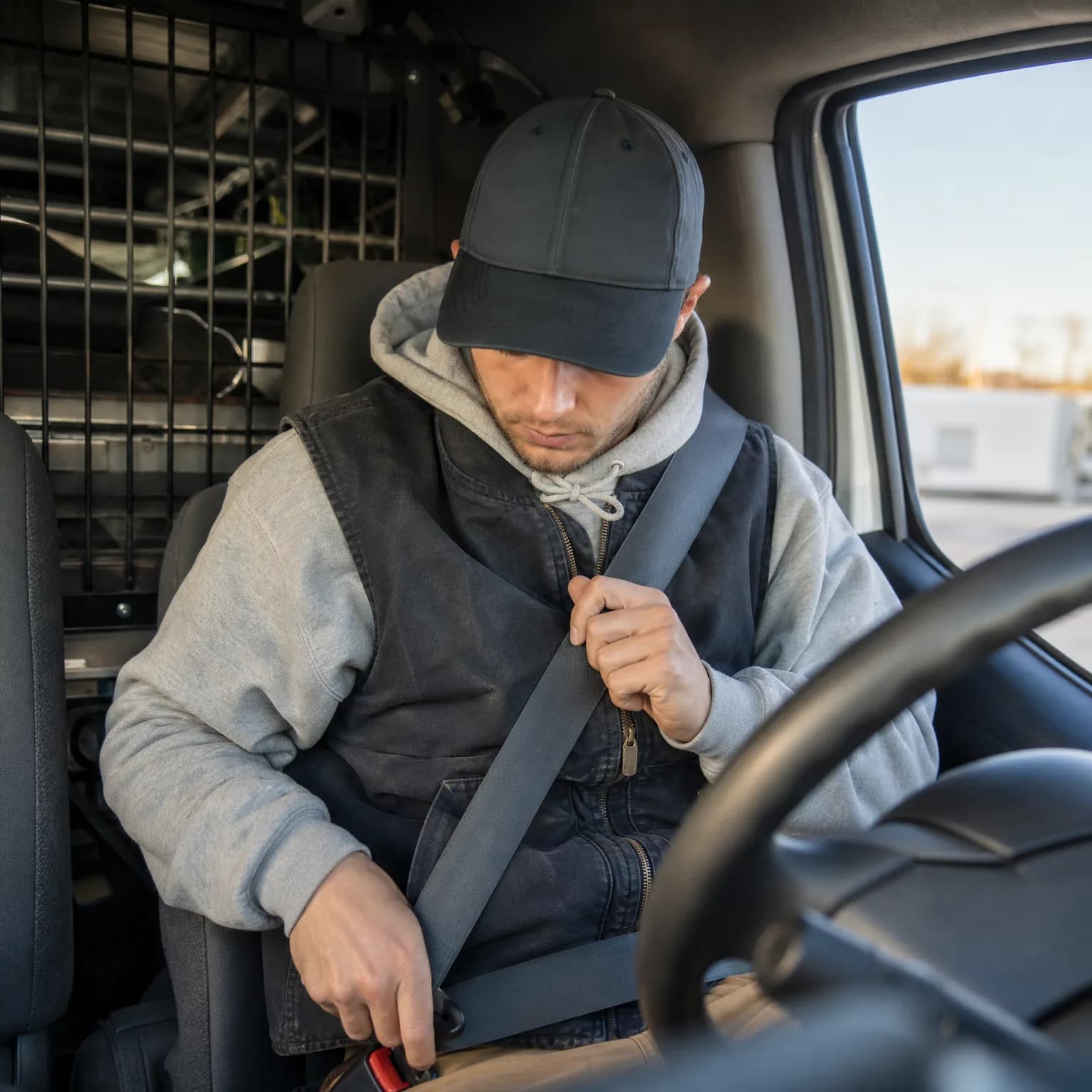
When You Need Owner SR-22: You Have a Car Titled in Your Name
You need owner SR-22 if any vehicle — car, truck, motorcycle — is registered and titled in your name, even if you don't drive it daily. This includes vehicles you co-own, lease, or finance. The SR-22 attaches to a standard auto insurance policy that covers that specific vehicle for liability, and optionally collision and comprehensive. The insurer files the SR-22 certificate with your state's DMV, and that filing stays active as long as your policy remains in force and you don't let it lapse.
Owner SR-22 policies are more expensive than non-owner policies because they cover a specific vehicle and typically include higher liability limits, collision, and comprehensive coverage if you carry them. After a DUI, expect rates to increase 70–130% over what you'd pay with a clean record. Carriers that write high-risk policies — The General, Direct Auto, Bristol West, Acceptance, and state assigned risk pools — often charge $150–$300/month for minimum liability coverage with SR-22 filing. Adding full coverage pushes monthly premiums to $250–$500 depending on your vehicle's value and your violation.
If you own a car but try to save money by filing non-owner SR-22 instead, the state will reject the filing because it doesn't cover the vehicle registered in your name. Your license reinstatement will be delayed, and you'll need to cancel the non-owner policy, buy a standard auto policy, and refile. Some drivers assume they can avoid higher owner SR-22 rates by transferring the car title to a family member and then filing non-owner SR-22, but this only works if you genuinely no longer own or have regular access to the vehicle. If you still drive that car, you're uninsured every time you get behind the wheel.
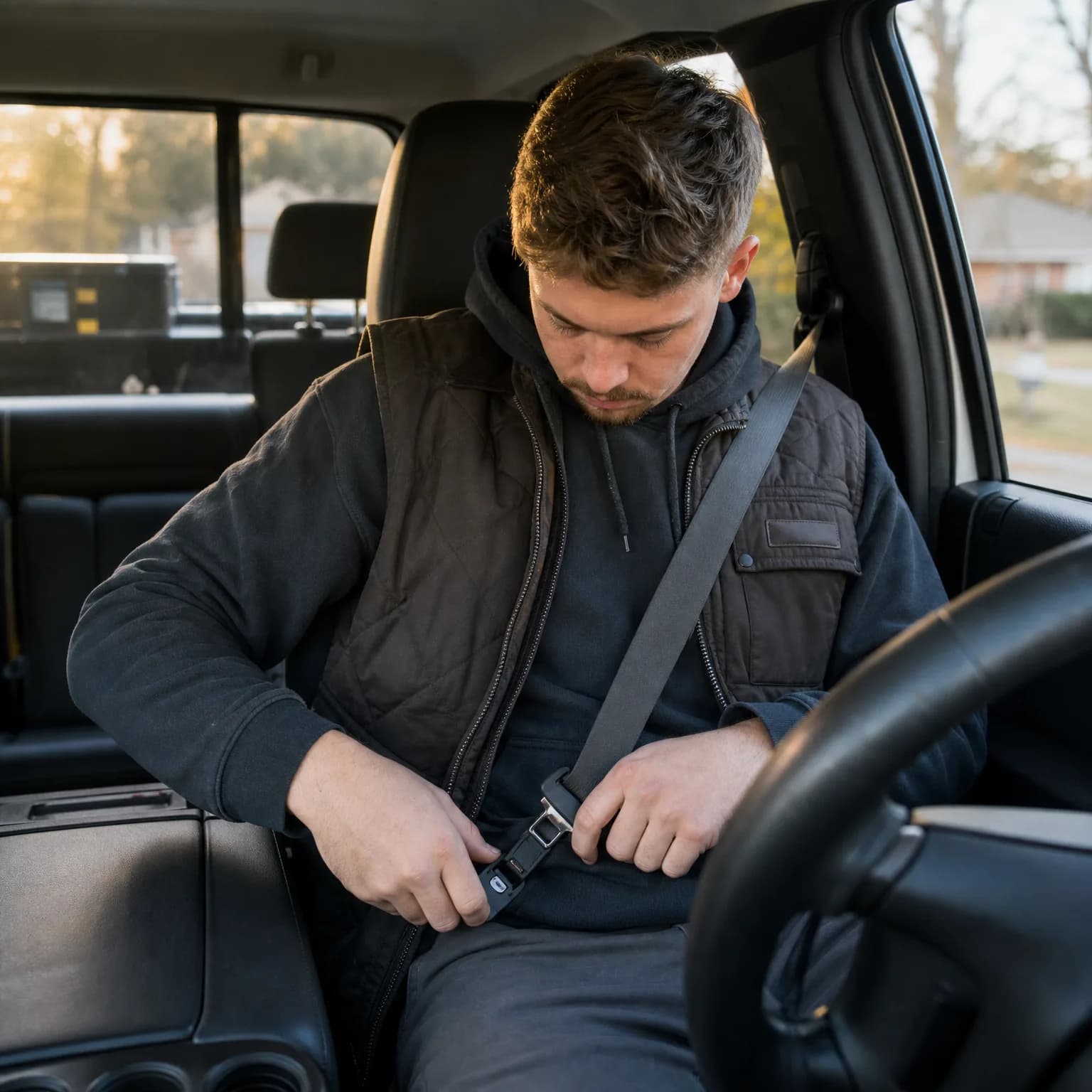
When You Need Non-Owner SR-22: No Vehicle in Your Name
Non-owner SR-22 is the correct filing if you don't own a vehicle but still need to prove financial responsibility to reinstate your license. This applies if you rely on borrowed cars, rentals, rideshare, public transit, or don't drive at all but need an SR-22 to clear a suspension. A non-owner policy provides liability-only coverage that follows you when you drive someone else's car, up to the policy limits. It does not cover a vehicle you own, lease, or regularly use under your name.
Non-owner SR-22 policies cost significantly less than owner policies — typically $25–$70/month — because they exclude collision, comprehensive, and any coverage tied to a specific vehicle. Carriers like The General, Acceptance, Dairyland, and Bristol West write non-owner policies for high-risk drivers. The policy meets your state's minimum liability requirements, and the insurer files the SR-22 certificate on your behalf. Once filed, the state lifts your suspension after you pay any reinstatement fees and meet other conditions like completing DUI programs or paying fines.
Non-owner SR-22 makes sense if you sold your car after a DUI, lost your license and no longer drive regularly, or live in a household where someone else owns the vehicles. It also works if you're rebuilding your license after a suspension but don't plan to buy a car immediately. The filing period — usually 3 years in most states — runs regardless of whether you own a car during that time. If you buy a vehicle while holding a non-owner SR-22, you must switch to an owner SR-22 policy immediately. Continuing to drive a car you own under a non-owner policy leaves you uninsured, and any accident will be out-of-pocket.
What Happens If You File the Wrong Type
Filing the wrong SR-22 type delays your license reinstatement and creates administrative headaches. If you own a car and file non-owner SR-22, the state DMV will reject the filing because it doesn't cover the registered vehicle. You'll receive a notice that your SR-22 is invalid, your suspension remains in place, and you'll need to cancel the non-owner policy, buy a standard auto policy on the vehicle you own, and have your new insurer file an owner SR-22. This process can take 7–14 days, and any lapse in coverage during the switch resets your SR-22 clock in some states.
If you don't own a car but mistakenly file owner SR-22 — often because an agent assumes you own a vehicle without asking — you'll pay higher premiums for coverage you don't need. The filing itself may be accepted by the state, but you're wasting money on a policy that covers a vehicle you don't have. You can switch to non-owner SR-22, but you'll need to cancel the owner policy, buy a non-owner policy, and have the new insurer file a replacement SR-22 certificate. Any gap in coverage between cancellation and the new filing can trigger a violation notice and extend your SR-22 period.
Some drivers try to game the system by filing non-owner SR-22 to save money while continuing to drive a car titled in their name. If you're in an accident and the insurer discovers you were driving a vehicle you own, they'll deny the claim. You'll be personally liable for all damages, and the state may add a new violation for driving uninsured. The small savings on premiums aren't worth the exposure. If you own a car, you need owner SR-22 — no exceptions.

Stay Covered While You Drive Borrowed Cars
Find Coverage After Violations
Switching Between Owner and Non-Owner SR-22 During Your Filing Period
Your SR-22 requirement typically lasts 3 years in most states, though California requires it for 3 years after a DUI and 5 years for some repeat violations. During that period, your ownership status may change — you might sell your car, buy a new one, or move into a household with a vehicle. Each change requires you to update your SR-22 filing type to match your current situation. Failing to update creates gaps in coverage and can reset your filing clock or add new violations.
If you start with owner SR-22 and sell your car, you should switch to non-owner SR-22 immediately. Contact your current insurer and ask if they offer non-owner policies. If they do, they can cancel your owner policy, issue a non-owner policy, and file a new SR-22 certificate with the state. If they don't write non-owner policies, you'll need to shop for a new carrier, buy the non-owner policy, have them file SR-22, and then cancel your old policy. The key is to avoid any lapse — the new SR-22 should be filed before you cancel the old policy.
If you hold non-owner SR-22 and buy a car, you must switch to owner SR-22 the same day you register the vehicle. The non-owner policy explicitly excludes coverage for vehicles you own, so driving your new car under that policy leaves you uninsured. Contact high-risk carriers that write SR-22 policies, get quotes for full coverage on your new vehicle, bind the policy, and have them file an owner SR-22. Once the new filing is confirmed with the state, cancel the non-owner policy. Most states allow a grace period of 10–30 days to update your SR-22 after a vehicle purchase, but you're uninsured for that vehicle until the owner SR-22 is active.

How to Get the Right SR-22 Filing Type Without Delays
Start by confirming whether you currently own, lease, or co-own any vehicle. Check your state's DMV records to see if any vehicle is registered in your name. If yes, you need owner SR-22 attached to a standard auto policy covering that vehicle. If no, you need non-owner SR-22 attached to a liability-only policy. Don't guess — call the DMV or check your online account to verify registration status before shopping for coverage.
Once you know which type you need, contact carriers that specialize in high-risk and SR-22 filings. Not all insurers write SR-22 policies, and many standard carriers don't offer non-owner coverage. The General, Direct Auto, Acceptance, Dairyland, Bristol West, and state assigned risk pools all write both owner and non-owner SR-22 policies. Be clear with the agent about your violation, your license status, and whether you own a vehicle. If you're quoted for the wrong type, the filing will be rejected and you'll lose time.
After you bind the policy, confirm that the insurer has filed the SR-22 certificate with your state DMV. Most insurers file electronically within 1–3 business days, but some states still process paper filings that take 7–10 days. Call the DMV or check your online account to verify the SR-22 is on file before you assume your suspension is lifted. You'll also need to pay any reinstatement fees, complete required programs like DUI school or defensive driving, and submit proof of completion to the DMV. The SR-22 filing alone doesn't reinstate your license — it's one piece of the reinstatement process.
Compare Quotes for the SR-22 Filing Type You Actually Need
Rates for owner and non-owner SR-22 vary widely by carrier, state, and violation. One insurer may quote you $200/month for owner SR-22 while another offers $120/month for the same coverage. Non-owner SR-22 rates are more consistent but still worth comparing — you might find $30/month from one carrier and $60/month from another. Shopping multiple quotes is the only way to avoid overpaying, especially when you're already dealing with high-risk premiums.
Use a comparison tool built for high-risk drivers to get quotes from carriers that actually write SR-22 policies. Most standard insurance sites exclude high-risk carriers or don't offer non-owner options. You need access to The General, Direct Auto, Acceptance, Bristol West, and other non-standard insurers that specialize in SR-22 filings. Enter your violation details, vehicle ownership status, and coverage needs accurately — misrepresenting your situation will result in rejected filings or denied claims later.
Once your SR-22 is active, focus on keeping it that way. A single lapse in coverage during your filing period triggers a notice to the DMV, your license is suspended again, and in many states the 3-year clock resets from zero. Set up automatic payments, monitor your policy renewal dates, and never let a policy cancel for non-payment. After your SR-22 period ends and your record clears, your rates will drop — but only if you avoid new violations and maintain continuous coverage throughout the filing period.
Related Articles
Does SR-22 Cover My Teen Driver? What Parents Need to Know
5/18/2026
Switch Non-Owner SR-22 to Regular Policy | Timeline
4/2/2026

File SR-22 the Same Day Your Suspension Starts
5/18/2026

SR-22 and Deferred Prosecution: Filing Requirements
5/18/2026
SR-22 and MADD Victim Impact Panels After a DUI
5/18/2026

SR-22 & Florida JUA: Assigned-Risk Pool Explained
5/18/2026