Do I Need SR-22 if I Don't Own a Car? Non-Owner Filing Explained
Free to compare
Can You Be Required to File SR-22 Without Owning a Vehicle?
Yes. SR-22 is a certificate of financial responsibility filed by your insurer with your state's DMV, not a type of insurance tied to a specific vehicle. Courts and DMVs issue SR-22 requirements based on violations — DUIs, reckless driving, at-fault accidents without insurance, license suspensions — regardless of whether you currently own a car. If you've been ordered to file SR-22 and don't own a vehicle, you need a non-owner SR-22 policy.
Non-owner SR-22 policies provide liability coverage when you drive a car you don't own: borrowed vehicles, rental cars, or employer-owned vehicles. The policy attaches to you as a driver, not to a specific car. Most states accept non-owner SR-22 filings as valid proof of financial responsibility for license reinstatement.
The filing obligation runs for the full required period — typically 3 years in most states — even if you never purchase a vehicle during that time. Letting the non-owner policy lapse resets your filing clock to zero in nearly every state. You must maintain continuous coverage for the entire mandated duration.
How Non-Owner SR-22 Insurance Works
A non-owner SR-22 policy is a liability-only insurance policy that covers bodily injury and property damage you cause while driving a vehicle you don't own. It does not cover damage to the car you're driving — that's the vehicle owner's responsibility. Non-owner policies meet state minimum liability limits and include the SR-22 certificate filing your state requires.
When you purchase a non-owner SR-22 policy, the carrier files the SR-22 certificate electronically with your state DMV within 24 to 48 hours. The DMV updates your driving record to show active SR-22 compliance. If you cancel the policy or let it lapse, the carrier is legally required to notify the DMV immediately, which typically triggers an automatic license suspension.
Non-owner SR-22 policies cost less than standard SR-22 policies because they don't cover collision or comprehensive claims on a specific vehicle. Monthly premiums typically range from $40 to $90 per month depending on your violation type, state, and driving history. Carriers that actively write non-owner SR-22 include Progressive, The General, National General, and state-specific non-standard insurers.

Who Needs Non-Owner SR-22 Coverage
You need non-owner SR-22 if you've been ordered to file SR-22 but don't own a registered vehicle. Common scenarios include drivers who sold their car after a DUI or suspension, drivers who rely on public transit or ride-sharing but occasionally borrow vehicles, and drivers living in urban areas who don't own a car but need to maintain a valid license for work or travel.
Non-owner SR-22 also applies if you're required to maintain continuous insurance after a violation but don't currently drive. Some states mandate SR-22 filing to reinstate your license even if you have no immediate plans to drive. The DMV doesn't distinguish between drivers who actively drive daily and those who drive occasionally — the filing requirement is the same.
Drivers moving between standard and non-owner SR-22 policies must avoid coverage gaps. If you sell your car mid-filing period, switch to a non-owner SR-22 policy before canceling your standard policy. Any lapse, even one day, resets your SR-22 clock and triggers a new suspension in most states.
Stay Covered While You Drive Borrowed Cars
Find Coverage After ViolationsWhat Non-Owner SR-22 Does Not Cover
Non-owner SR-22 policies provide liability coverage only. They do not cover damage to the vehicle you're driving, medical payments for you as the driver, or collision and comprehensive claims. If you borrow a car and cause an accident, your non-owner policy covers the other driver's injuries and property damage up to your liability limits, but the vehicle owner's policy handles damage to the car you were driving.
Non-owner policies also exclude regular use of a household vehicle. If you live with someone who owns a car and you drive it regularly, most carriers require you to be listed on that vehicle's policy instead of carrying a separate non-owner policy. Occasional borrowing is covered; daily use is not.
Rental cars are typically covered under non-owner SR-22 policies, but coverage limits are usually lower than what rental agencies recommend. If you rent frequently, confirm your non-owner policy limits meet the rental contract requirements or purchase the rental agency's supplemental liability coverage.
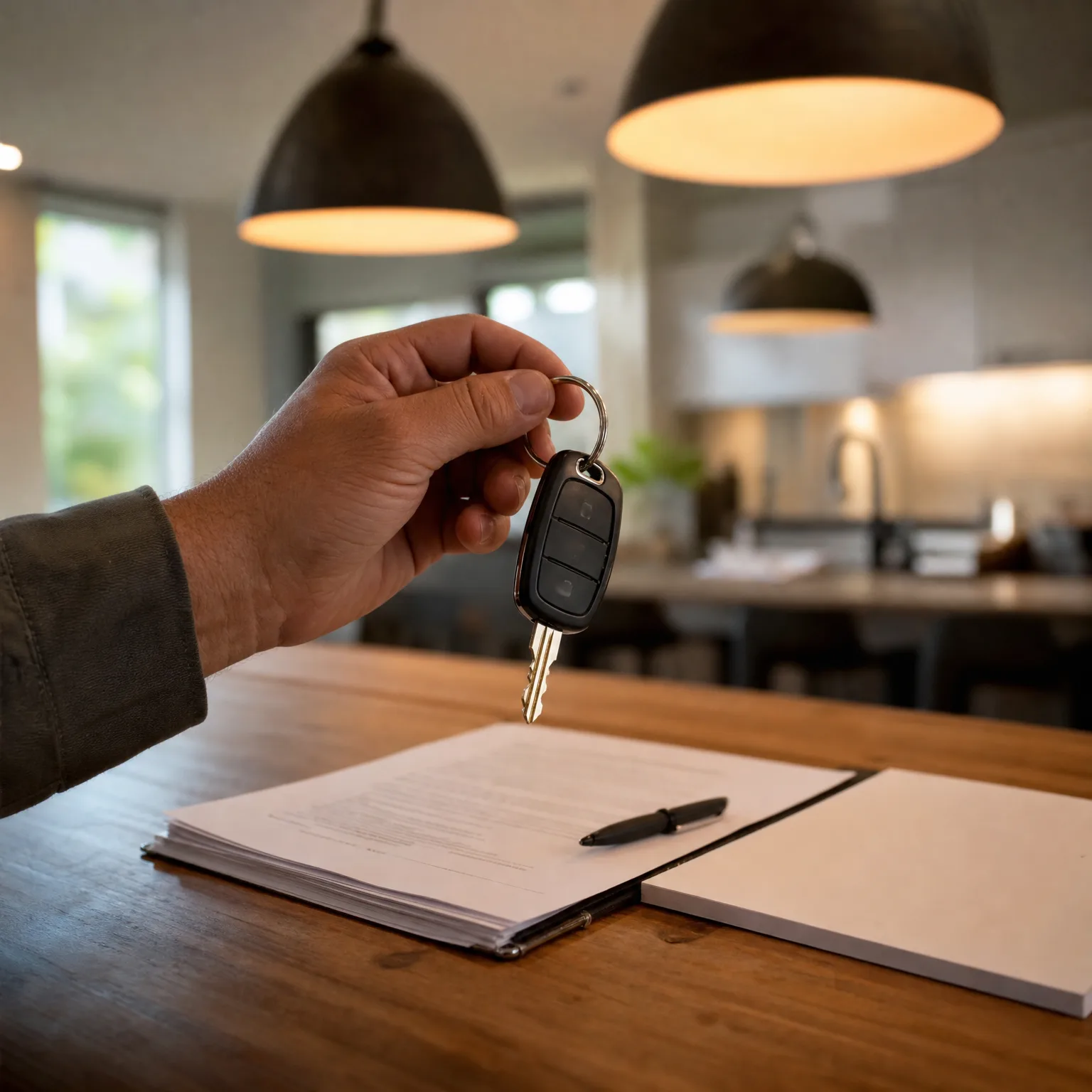
Cost Comparison: Non-Owner SR-22 vs. Standard SR-22
Non-owner SR-22 policies cost 30% to 50% less than standard SR-22 policies in most states. A driver with a DUI paying $180 per month for standard SR-22 coverage on an owned vehicle might pay $60 to $80 per month for non-owner SR-22. The difference reflects the absence of collision, comprehensive, and physical damage coverage.
The SR-22 filing fee itself — typically $15 to $50 depending on state and carrier — is the same whether you file on a standard or non-owner policy. Some carriers charge an additional processing fee for non-owner policies, but most treat the filing fee as a flat administrative cost.
Rate increases from the underlying violation apply equally to both policy types. A DUI triggers a 70% to 130% rate increase whether you're filing SR-22 on a vehicle you own or on a non-owner policy. The base premium is lower for non-owner policies, but the violation surcharge percentage is identical.

How to Maintain SR-22 Compliance Without Owning a Car
Purchase a non-owner SR-22 policy from a carrier licensed to write non-standard insurance in your state. Confirm the carrier files SR-22 electronically — some smaller insurers still use paper filings, which delay DMV processing by 7 to 10 days. Set your policy to auto-renew and enable payment auto-draft to avoid accidental lapses.
Monitor your SR-22 filing status through your state DMV online portal. Most states provide a financial responsibility status checker that shows your current SR-22 compliance date range. If the portal shows a lapse or gap, contact your carrier immediately — filing corrections typically take 48 to 72 hours to process.
If you purchase a vehicle during your SR-22 filing period, notify your carrier the same day. You'll need to convert your non-owner policy to a standard auto policy and transfer the SR-22 filing to the new policy. Any gap between canceling the non-owner policy and activating the standard policy triggers a lapse notification to the DMV.
Frequently Asked Questions
Can I get SR-22 without a car in my name?
Yes. Non-owner SR-22 policies provide the required certificate of financial responsibility without requiring you to own a registered vehicle. The policy covers liability when you drive cars you don't own, and the SR-22 filing satisfies state DMV requirements for license reinstatement.
How much does non-owner SR-22 insurance cost per month?
Non-owner SR-22 policies typically cost $40 to $90 per month, depending on your violation type, state, and driving history. This is 30% to 50% less than standard SR-22 policies because non-owner coverage excludes collision and comprehensive claims on a specific vehicle.
What happens if I buy a car while on non-owner SR-22?
You must convert your non-owner SR-22 policy to a standard auto policy the same day you purchase and register the vehicle. Notify your carrier immediately to transfer the SR-22 filing to the new policy. Any gap between policies triggers a lapse notification to the DMV and resets your SR-22 filing period.
Does non-owner SR-22 cover rental cars?
Most non-owner SR-22 policies cover liability when driving rental cars, but coverage limits may be lower than rental agencies recommend. Confirm your policy limits meet rental contract requirements or purchase supplemental liability coverage from the rental agency.
How long do I need to keep non-owner SR-22 insurance?
You must maintain non-owner SR-22 coverage for the full filing period ordered by your court or DMV — typically 3 years in most states. Canceling the policy or allowing it to lapse resets your filing clock to zero and triggers a new license suspension.
Related Articles

Non-Owner SR-22: Filing Without a Car | How It Works
5/18/2026
Non-Owner SR-22: How to File Without Owning a Vehicle
5/18/2026

Can I Get SR-22 Without a Driver's License?
5/18/2026

Do I Need SR-22 If I Never Plan to Drive Again?
5/18/2026
Keep SR-22 Active While Between Jobs | Non-Owner Options
5/18/2026

Can't Afford SR-22? Your Options Before It Lapses
5/18/2026