
Does SR-22 Cover Other Drivers Who Borrow Your Car?
Free to compare
SR-22 Is a Filing on Your License, Not a Coverage Type
SR-22 is not insurance. It is a certificate your carrier files with the state DMV proving you carry at least the state minimum liability limits. The filing attaches to you as a driver, not to the vehicle you own or the policy covering it.
When someone else drives your car, your underlying auto insurance policy determines what coverage applies to that permissive driver. SR-22 does not change that analysis. Your carrier filed the SR-22 to satisfy your filing requirement. It does not create additional coverage for drivers who are not named on the certificate.
Most drivers assume SR-22 works like comprehensive or collision coverage that follows the car. It does not. If the person borrowing your car causes an accident, your policy's permissive-use clause controls whether the claim is covered. SR-22 only proves you maintained continuous coverage during your required filing period.
Non-Standard Policies Restrict Permissive Use More Than Standard Policies
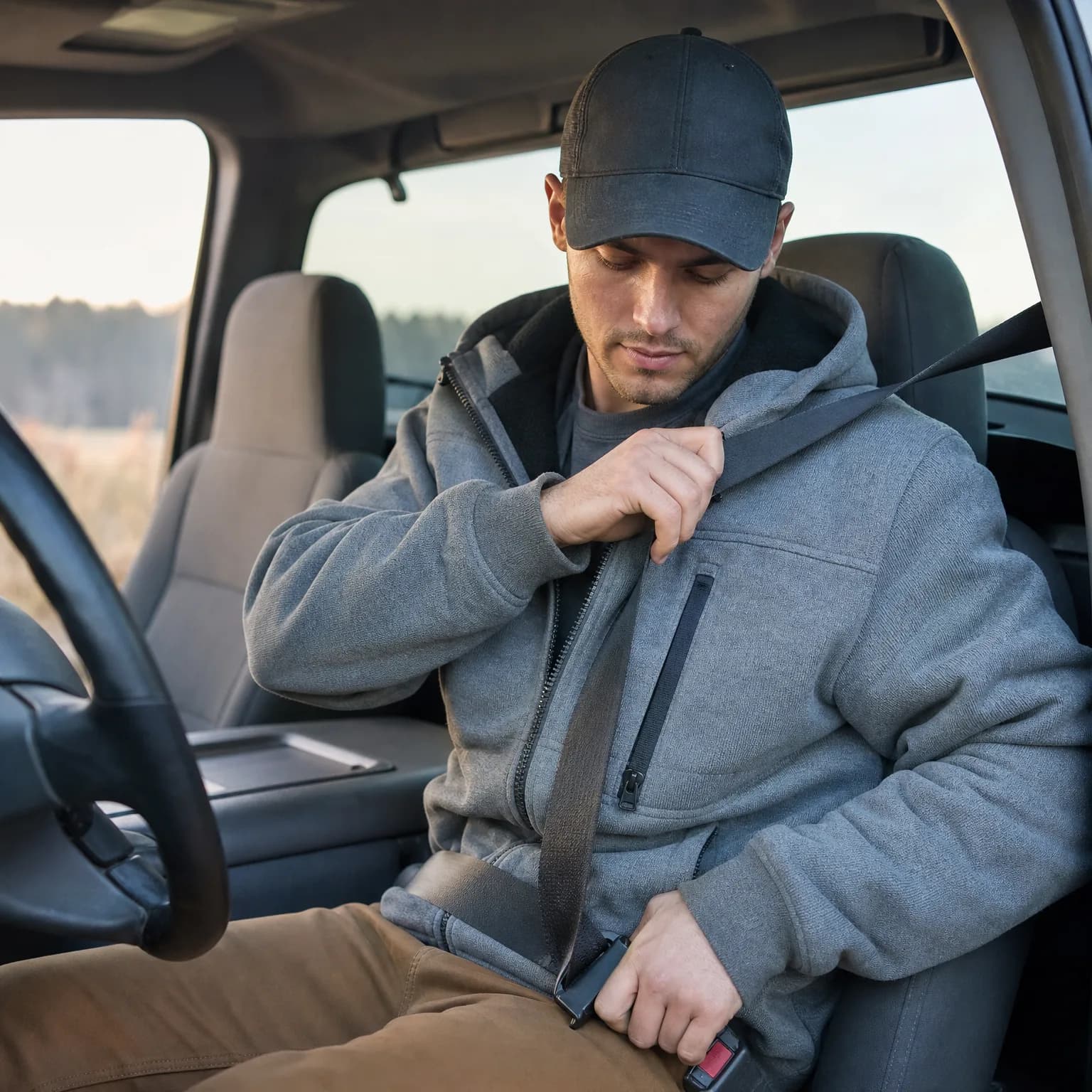
Carriers writing SR-22 policies for high-risk drivers frequently include permissive-use exclusions that void coverage if an unlisted driver operates the vehicle. These exclusions appear in non-standard auto policies far more often than in standard-market policies.
A clean-record driver with State Farm or GEICO typically has automatic permissive-use coverage: occasional drivers borrowing the car with permission are covered under the policy's liability limits. A high-risk driver with a specialty carrier like The General, Bristol West, or National General often faces a named-driver-only endorsement. If someone not listed on the policy drives the car and causes an accident, the policy denies the claim.
This is not disclosed at sale. Most SR-22 drivers discover the exclusion only after an accident when the carrier denies the claim. Read your declarations page. If you see "named driver only" or "permissive use excluded," no one else can legally drive your car under that policy.

What Happens If an Excluded Driver Causes an Accident in Your Car
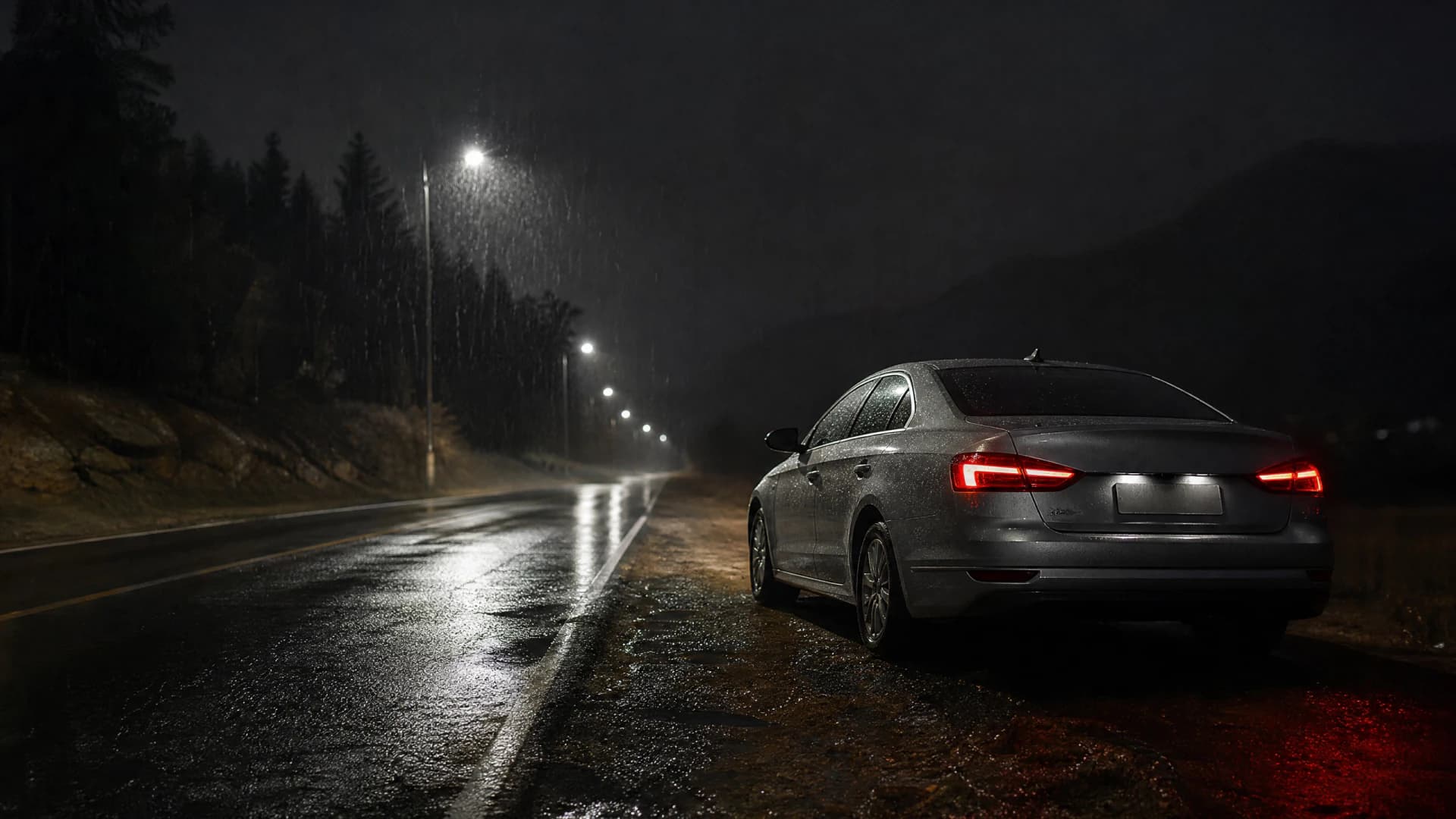
If your policy excludes permissive use and someone else drives your car, you are personally liable for all damages they cause. The other driver's property damage, medical bills, and injury claims become your financial responsibility. Your carrier will not pay the claim.
Your SR-22 filing does not lapse in this scenario unless you cancel the underlying policy. The accident itself does not void your certificate. But you now face two problems: an out-of-pocket liability claim that can run into six figures, and a policy that may non-renew you at the end of the term for permitting an excluded driver to operate the vehicle.
Some states allow the injured party to sue you directly and garnish wages or place liens on property if you cannot pay. SR-22 proves you carried coverage. It does not protect you from liability your policy excludes.

Stay Covered While You Drive Borrowed Cars
Find Coverage After ViolationsAdding a Driver to Your SR-22 Policy Solves the Problem But Raises Your Rate
If someone else drives your car regularly, the correct solution is to add them as a listed driver on your policy. This eliminates the permissive-use exclusion for that individual. Your carrier will rate the policy based on both drivers' records.
If the added driver has a clean record, your rate may increase 15–30%. If they have violations or accidents, your rate may increase 40–80% depending on severity. Carriers writing SR-22 policies already price you as high-risk. Adding another high-risk driver compounds that pricing.
Some carriers will refuse to add a driver with a DUI or suspended license to an SR-22 policy. If the household member you need to add is uninsurable, your options narrow to prohibiting them from driving the vehicle or switching to a carrier that will write both of you. Non-standard carriers like Acceptance, Gainsco, and Dairyland specialize in multi-high-risk-driver households and will write the policy, but premiums typically run $200–$400/mo or higher.

Non-Owner SR-22 Policies Do Not Cover Borrowed Vehicles
If you were required to file SR-22 but do not own a car, you likely carry a non-owner SR-22 policy. This policy provides liability coverage when you drive a vehicle you do not own. It does not provide coverage to the vehicle's owner or to other drivers of that vehicle.
Non-owner SR-22 satisfies your state filing requirement. It proves you carry continuous liability coverage. But if you let someone else drive a car you borrowed under your non-owner policy, that driver has no coverage from your certificate. They must carry their own policy or be covered under the vehicle owner's policy.
Non-owner SR-22 premiums run $25–$60/mo in most states. The coverage is secondary: it applies only after the vehicle owner's policy limits are exhausted. It is not designed to cover permissive use by third parties.
Frequently Asked Questions
Can I add a driver to my SR-22 policy after it's already been filed?
Yes. Contact your carrier and request to add the driver to your existing policy. Your carrier will re-rate the policy based on the new driver's record and issue an amended SR-22 certificate to the state if required. Your premium will increase at the next billing cycle.
Does my SR-22 cover me when I drive someone else's car?
If you carry a standard SR-22 policy on a vehicle you own, it does not cover you when driving another person's car. If you carry a non-owner SR-22 policy, it provides secondary liability coverage when you drive a borrowed vehicle, after the vehicle owner's policy limits are exhausted.
What happens to my SR-22 if someone else crashes my car?
Your SR-22 filing remains active as long as your underlying policy stays in force. The accident itself does not void your certificate. However, if your policy excluded the driver who caused the crash, your carrier will deny the claim and may choose not to renew your policy at the end of the term.
Will my insurance company notify me if my policy excludes permissive use?
Carriers are required to disclose policy exclusions in your declarations page, but they do not typically send a separate notice highlighting permissive-use restrictions. Read your declarations page carefully when your policy is issued. Look for phrases like "named driver only" or "permissive use excluded."
Related Articles
Does SR-22 Transfer Between Your Vehicles?
5/18/2026

SR-22 on Multi-Car Policies: Filing Follows the Driver
5/18/2026

Non-Owner SR-22: How to File Without Owning a Vehicle
5/18/2026

Renting a Car Out of State With Active SR-22 Filing
5/18/2026

SR-22 When Spouse Becomes Primary Driver: Who Files?
5/18/2026

SR-22 with a Driver Privilege Card: Coverage Guide
5/18/2026