
Non-Owner SR-22: When You Need Proof But Don't Own a Car
Free to compare
What Non-Owner SR-22 Actually Covers (And What It Doesn't)
Non-owner SR-22 is a liability-only policy that follows you, not a vehicle. It satisfies state SR-22 filing requirements by providing bodily injury and property damage coverage when you drive a car you don't own — a friend's car, a rental, a borrowed vehicle. The SR-22 certificate itself is just a form your insurer files with the DMV proving you carry at least your state's minimum liability limits, typically $25,000/$50,000/$25,000 in most states.
What it doesn't cover: any vehicle you own, regularly use, or have titled in your name. It provides no collision, comprehensive, or medical payments coverage. If you're in an at-fault accident in a borrowed car, non-owner SR-22 covers the other driver's injuries and property damage up to your policy limits, but nothing on the vehicle you were driving. Most carriers treat this as secondary coverage — the car owner's insurance pays first, and your non-owner policy fills gaps up to your limits.
Non-owner SR-22 also won't help if you drive the same vehicle more than 12–15 times per year, depending on the carrier. Insurers define "regular use" differently, but if you borrow your partner's car three times a week, you need to be listed on their policy or buy your own standard SR-22 coverage. Misrepresenting vehicle access is a common reason for claim denials in non-owner policies.
Rate data from the National Association of Insurance Commissioners shows non-owner SR-22 policies average $300–$600 per year for drivers with a single DUI, compared to $1,200–$2,400 annually for standard SR-22 auto policies covering an owned vehicle. The savings come from eliminating collision and comprehensive risk — the insurer only prices your liability exposure, not vehicle replacement cost.
Who Actually Needs Non-Owner SR-22 (And Who Doesn't)
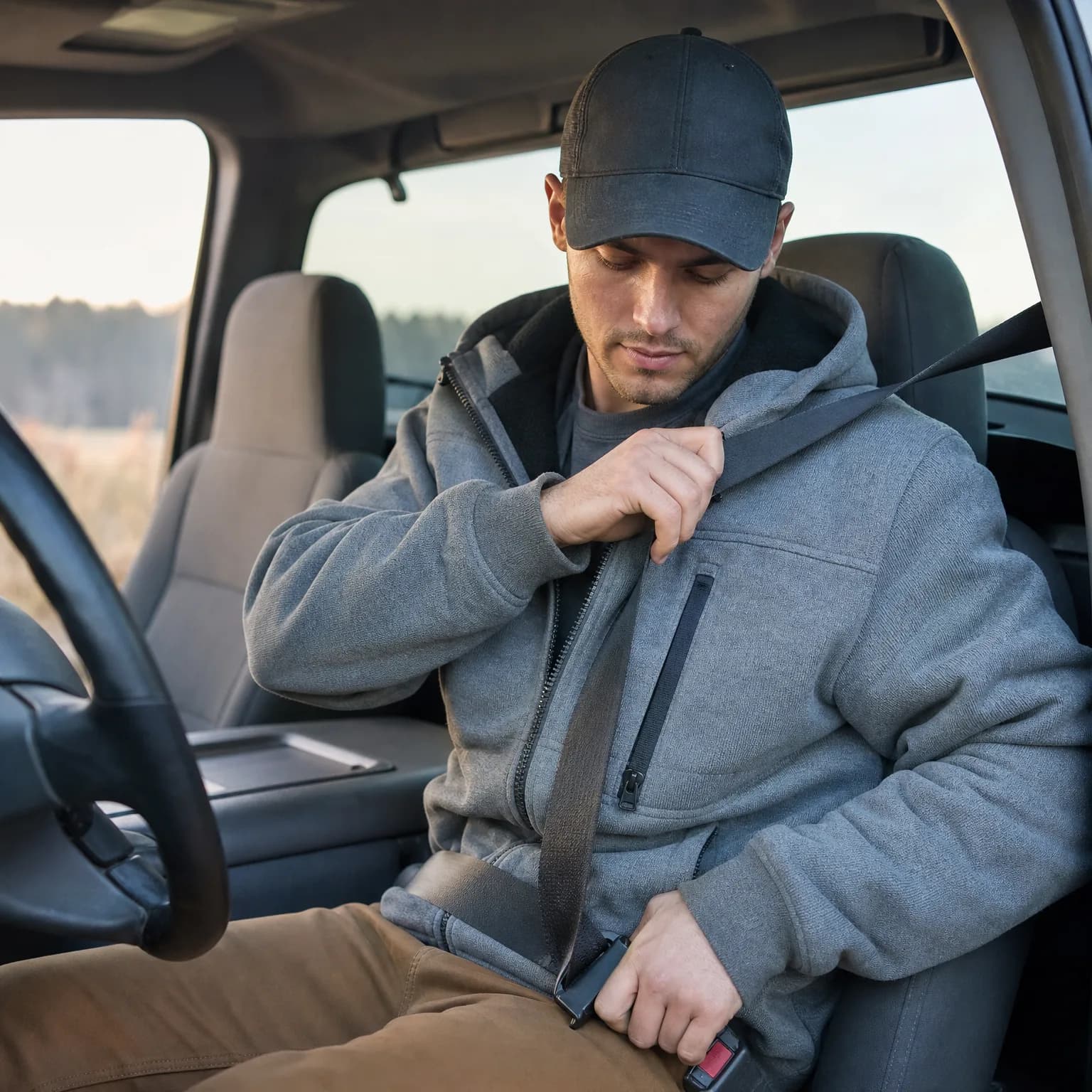
You need non-owner SR-22 if your state requires an SR-22 filing for license reinstatement and you don't own a car. Common scenarios: license suspended for DUI but you sold your car afterward, multiple violations while driving a company vehicle, at-fault accident in a borrowed car, or lapsed insurance conviction when you no longer own the vehicle that triggered it. In these cases, the DMV doesn't care whether you own a car — they require proof of financial responsibility before reinstating your license, and non-owner SR-22 satisfies that mandate.
You don't need non-owner SR-22 if you own any vehicle, even if it's not drivable. If you have a car titled in your name sitting in your driveway with a dead battery, you need standard SR-22 coverage on that vehicle. Most states cross-reference DMV vehicle registration records with insurance filings, and mismatched records can trigger automatic license re-suspension. If you co-own a vehicle with a spouse or family member, you typically need to be listed on their SR-22 policy rather than buying your own non-owner coverage.
Drivers who don't drive at all sometimes ask if they can skip SR-22 entirely. The answer is no — SR-22 is a filing requirement, not a driving requirement. If the court or DMV orders SR-22, you must maintain it for the full mandated period (typically 3 years for DUI, 2–5 years for other violations) even if you never get behind the wheel. The alternative is indefinite license suspension.
One edge case: drivers who move between states during their SR-22 period. If you relocate from Ohio (which requires SR-22) to Pennsylvania (which uses a different financial responsibility form called FR-44 equivalency), you must notify your insurer within 30 days and refile in the new state. Non-owner policies are easier to transfer than vehicle-specific SR-22 policies because there's no VIN or registration to update — just liability limits and your new address. SR-22 filing requirement
How Non-Owner SR-22 Pricing Differs From Standard SR-22
Non-owner SR-22 premiums are based entirely on your violation history and liability limits, not vehicle make, model, or value. A DUI with no prior violations typically raises non-owner SR-22 rates 70–110% compared to non-owner coverage without an SR-22 filing. Multiple violations or an at-fault accident plus DUI can push rates 150–200% higher. The base cost starts lower because there's no collision or comprehensive coverage to price, but high-risk driver surcharges still apply in full.
SR-22 filing fees are identical whether you buy non-owner or standard coverage — most insurers charge $15–$50 to file the SR-22 certificate with your state DMV, and the same amount annually to maintain it. Some carriers waive the initial filing fee if you buy a 6- or 12-month policy upfront. The fee is separate from your premium and non-refundable, even if you cancel the policy the next day.
Carrier availability is narrower for non-owner SR-22 than standard SR-22. Nationwide, Progressive, and The General write non-owner SR-22 policies in most states, but State Farm and Allstate typically don't. Regional non-standard carriers like Acceptance, Direct Auto, and Bristol West are often the most competitive for drivers with DUI or multiple violations. Expect to get quotes from 2–3 carriers rather than 8–10 — the non-owner SR-22 market is smaller and more specialized.
One pricing quirk: increasing your liability limits from state minimums to $100,000/$300,000/$100,000 typically adds only $8–$15 per month to a non-owner SR-22 policy, far less than the $30–$60 increase on a standard auto policy. Because there's no vehicle to total or repair, higher limits cost less to underwrite. If you regularly borrow newer or higher-value vehicles, the extra coverage is worth the marginal cost.
Non-Owner SR-22 vs. Being Listed on Someone Else's Policy
If you live with someone who owns a car, you have two options: buy your own non-owner SR-22 policy, or get listed as a driver on their existing policy with SR-22 attached to your name. The second option usually costs less — adding an SR-22-required driver to an existing policy raises the premium $40–$120 per month depending on the violation, compared to $25–$50 per month for standalone non-owner SR-22. But it only works if the car owner agrees and their insurer allows it.
Many carriers refuse to add SR-22 drivers to policies they didn't initially underwrite. If your roommate has USAA or Erie and you need SR-22, those carriers likely won't add you mid-term — you'll be forced into non-owner coverage. Even if the carrier allows it, the car owner's rates will increase because you're now a covered driver on their policy. If you cause an at-fault accident, it goes on their policy record, potentially triggering their own rate increase at renewal. This creates obvious relationship friction.
Non-owner SR-22 keeps your insurance history separate. You file your own SR-22, maintain your own policy, and any claims or lapses affect only your record. If you borrow a car and cause an accident, the car owner's insurance pays first (primary coverage), and your non-owner policy pays second (excess coverage). The car owner's rates may still increase because the claim occurred in their vehicle, but it's not filed under their policy if your non-owner coverage applies.
The tradeoff: non-owner SR-22 doesn't cover vehicles you drive regularly. If you borrow the same car more than once a week, most insurers require you to be listed on the owner's policy instead. The definition of "regular use" varies — Progressive uses 12 times per year, The General uses 15, and some regional carriers use vague "frequent" language. Violating this rule means your non-owner policy won't pay if you have an accident, leaving you personally liable for damages that can reach six figures in a serious injury crash.

Stay Covered While You Drive Borrowed Cars
Find Coverage After Violations
How Long You Must Keep Non-Owner SR-22 Active
Your SR-22 filing period is set by the court order or DMV notice that triggered the requirement — typically 3 years for DUI, 3 years for reckless driving, 2 years for driving without insurance, and 5 years for repeat violations in states like California and Florida. The clock starts on the date your insurer files the SR-22 certificate with the DMV, not the date of your violation or conviction. If you're ordered to file SR-22 on March 1st but don't buy a policy until May 15th, your 3-year period doesn't end until May 15th three years later.
Any lapse in coverage restarts the clock in most states. If you cancel your non-owner SR-22 policy, miss a payment, or let it lapse for even one day, your insurer must file an SR-26 cancellation notice with the DMV. The DMV typically suspends your license within 10–30 days, and you must refile SR-22 and restart the full mandated period from the new filing date. A 2-day lapse in year two of a 3-year requirement means you now have 3 more years to go, not 11 months.
Some states allow hardship reinstatement or early SR-22 termination if you maintain a clean record for 18–24 months, but you must petition the DMV or court — it's not automatic. Virginia and Florida offer no early termination. California allows it after 2 years of a 3-year DUI requirement if you complete DUI school and have no new violations, but fewer than 15% of eligible drivers successfully petition for early release, according to California DMV data.
If you don't drive at all during your SR-22 period, you still must keep the non-owner policy active. Letting it lapse because "I'm not driving anyway" triggers immediate suspension and clock restart. The only way to avoid SR-22 costs is to move to a state that doesn't require it, but even then, most states impose SR-22 requirements that follow you across state lines if the original violation occurred in an SR-22 state. Moving from Ohio to Michigan doesn't cancel your Ohio SR-22 obligation — you just refile in Michigan under their equivalent form.

Buying Non-Owner SR-22: What to Expect From the Process
Most non-owner SR-22 policies can be purchased and filed the same day, but expect 3–7 business days for the SR-22 certificate to reach your state DMV. Insurers file electronically in most states, but some states (Tennessee, Mississippi, and Montana) still require paper SR-22 forms mailed to the DMV, adding 5–10 days to processing. You can't legally drive until the DMV confirms receipt of your SR-22 filing, so if you need same-day reinstatement, call the DMV after your insurer confirms filing to verify it's in their system.
You'll need your driver's license number, the violation or court case number that triggered the SR-22 requirement, and the name of the state that ordered the filing. Some carriers ask for proof of your current address and the court order itself. If you don't have the court order, the DMV can provide a copy of your license suspension notice, which includes the SR-22 requirement and mandated filing period.
Payment matters more in non-owner SR-22 than standard auto insurance. Most carriers require at least two months paid upfront, and some require six months for high-risk drivers with DUI or multiple violations. Monthly payment plans are available, but missing a payment triggers immediate SR-26 filing and license re-suspension — there's no 10-day grace period like standard auto policies. Setting up autopay from a checking account is the only reliable way to avoid accidental lapses.
Once your policy is active, you'll receive three documents: your insurance ID card (proof of coverage if you're pulled over), the SR-22 certificate (filed with the DMV, not something you carry), and your declarations page showing coverage limits and premium. Keep the ID card in your wallet even if you don't drive often — if you borrow a car and get pulled over without it, you can be cited for driving without proof of insurance, which can trigger a new SR-22 requirement in some states.
When Non-Owner SR-22 Stops Making Sense
Non-owner SR-22 works until you buy a car. The day you purchase or take title to a vehicle, you must convert to a standard SR-22 auto policy covering that vehicle — your non-owner policy explicitly excludes any car you own. Failing to switch triggers two problems: your non-owner insurer files SR-26 cancellation when they discover the vehicle, and you're driving uninsured because your non-owner policy doesn't cover cars you own. The DMV suspends your license for both the SR-22 lapse and the uninsured vehicle.
Some drivers try to keep non-owner SR-22 and register the vehicle in someone else's name to avoid higher standard SR-22 rates. This is insurance fraud. If you're the primary driver of a vehicle titled to your spouse, parent, or friend but you're not listed on the policy, any accident claim will be denied and you'll face personal liability for all damages. Worse, the DMV cross-references registration and insurance records in most states — a vehicle registered at your address with no corresponding policy in your name flags for audit.
Non-owner SR-22 also stops making sense if you start driving borrowed vehicles frequently. The "regular use" exclusion means if you borrow the same car twice a week, you're uninsured every time you drive it. A single at-fault accident in that scenario can leave you personally liable for $50,000–$500,000+ in injury claims. If someone lets you borrow their car regularly, the correct answer is to be added to their policy as a listed driver, not to rely on non-owner coverage that won't pay.
Finally, if your SR-22 requirement ends and you still don't own a car, you can cancel non-owner SR-22 and drop coverage entirely — but only if you truly don't drive. If you borrow cars even occasionally, keeping a non-owner policy (without SR-22) is cheap liability protection. Dropping coverage and then causing an accident in a borrowed car leaves you personally liable for all damages, and the car owner's insurance may subrogate against you to recover what they paid out. A $400/year non-owner policy is vastly cheaper than a $100,000 injury judgment.
Frequently Asked Questions
Can I buy non-owner SR-22 if I have a car registered in my name?
No. Non-owner SR-22 explicitly excludes any vehicle you own, co-own, or have registered in your name. If you have a car titled to you — even if it's not drivable — you must buy a standard SR-22 policy covering that vehicle. Your state DMV cross-references vehicle registrations with insurance filings, and a mismatch can trigger automatic license suspension.
How much does non-owner SR-22 cost compared to regular SR-22 insurance?
Non-owner SR-22 typically costs $300–$600 per year for drivers with a DUI, compared to $1,200–$2,400 annually for standard SR-22 coverage on an owned vehicle. The savings come from liability-only coverage with no collision or comprehensive risk. SR-22 filing fees ($15–$50) are the same regardless of policy type.
What happens if I borrow the same car every week with non-owner SR-22?
Most insurers exclude coverage for vehicles you drive regularly — typically defined as more than 12–15 times per year. If you borrow the same car weekly, you exceed that threshold and your non-owner policy won't cover accidents in that vehicle. You need to be listed on the car owner's policy instead, or buy standard SR-22 coverage if you have regular access.
Does non-owner SR-22 cover rental cars?
Yes, non-owner SR-22 provides liability coverage when you rent a car, covering bodily injury and property damage you cause to others. It does not cover damage to the rental car itself — you'd need the rental company's collision damage waiver for that. Your non-owner policy acts as primary liability coverage, satisfying rental company insurance requirements in most cases.
Can I cancel non-owner SR-22 once I finish my filing period?
Yes, but verify your SR-22 end date with the DMV first — it's based on the filing date, not your violation date. Once the mandated period ends (typically 3 years for DUI), you can cancel without penalty. If you still don't own a car but occasionally drive, keeping non-owner coverage without SR-22 is inexpensive liability protection worth maintaining.
Related Articles

Does SR-22 Cover My Teen Driver? What Parents Need to Know
5/18/2026
Switch Non-Owner SR-22 to Regular Policy | Timeline
4/2/2026

File SR-22 the Same Day Your Suspension Starts
5/18/2026

SR-22 and Deferred Prosecution: Filing Requirements
5/18/2026
SR-22 and MADD Victim Impact Panels After a DUI
5/18/2026
SR-22 & Florida JUA: Assigned-Risk Pool Explained
5/18/2026