
SR-22 Without a Car: How Non-Owner Filing Works
Free to compare
What Non-Owner SR-22 Filing Actually Covers
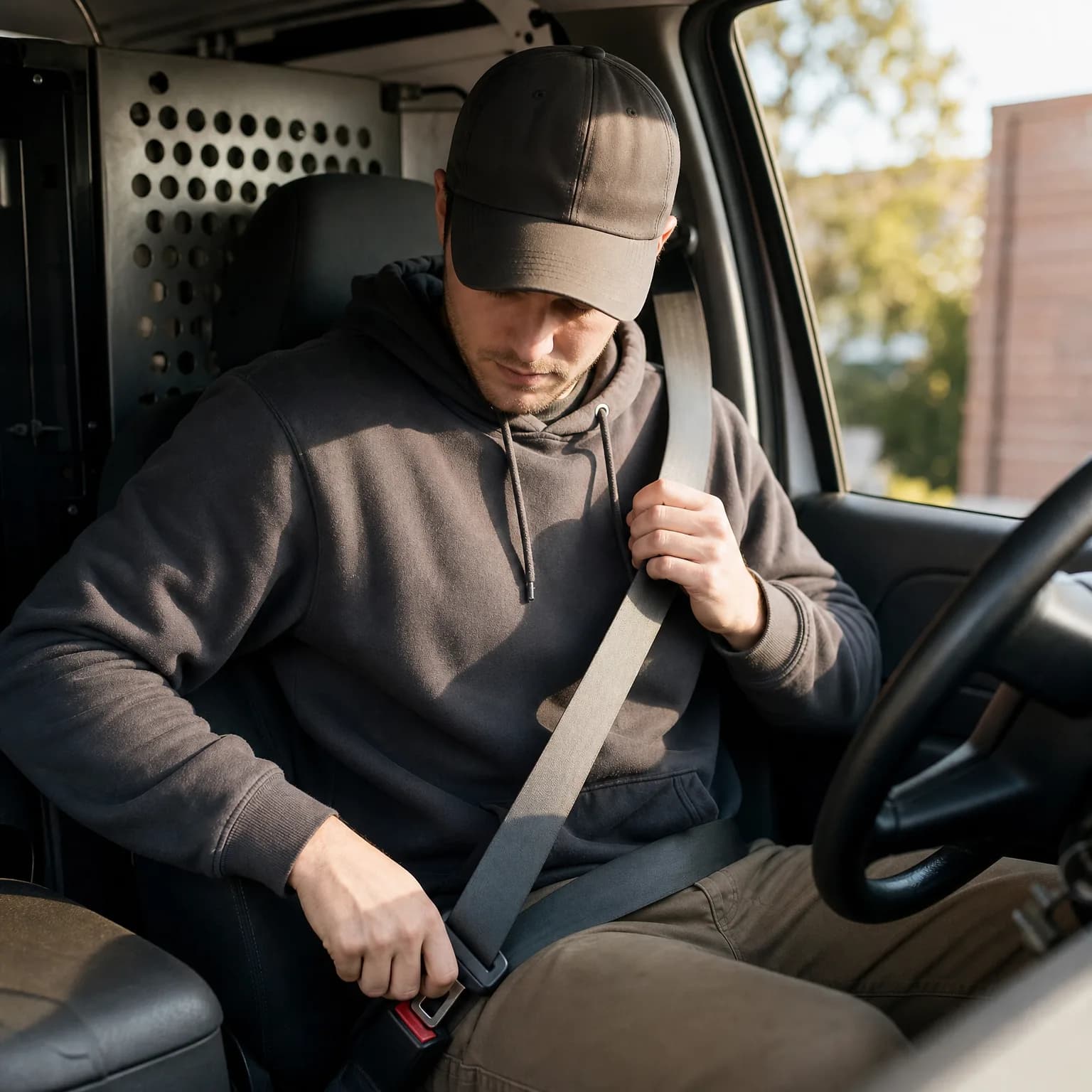
A non-owner SR-22 certificate proves you carry liability insurance even though you don't own a registered vehicle. The certificate itself is identical to a standard SR-22 — same state filing, same continuous coverage requirement, same reinstatement function. The difference is the underlying policy: non-owner insurance covers you when driving vehicles you don't own, typically borrowed cars or rentals, rather than a specific vehicle titled in your name.
Most states require minimum liability limits of 25/50/25 ($25,000 bodily injury per person, $50,000 per accident, $25,000 property damage), though some mandate higher floors — California requires 15/30/5, Florida 10/20/10, and Maine 50/100/25. Your non-owner policy must meet or exceed your state's minimum to satisfy the SR-22 filing requirement. The certificate costs $15–$50 to file depending on the state and carrier, with the underlying non-owner policy typically running $300–$600 annually compared to $800–$1,800 for owner SR-22 policies.
Non-owner SR-22 does not cover vehicles you own, lease, or have regular access to — meaning a car registered to your spouse or living at your address. It also won't cover damage to the vehicle you're driving (no collision or comprehensive). If you borrow a car, the owner's insurance responds first; your non-owner policy acts as secondary liability coverage if their limits are exhausted or their policy excludes you as a driver.
Who Qualifies and When States Require It
You qualify for non-owner SR-22 if you don't have a vehicle registered in your name and don't have regular access to a household vehicle. Common scenarios: license suspended after a DUI but you sold your car, required to maintain insurance during a suspension period before reinstatement, you use public transit or rideshares but need proof of financial responsibility to restore your license, or you drive occasionally but rely on borrowed or rental vehicles.
States typically mandate SR-22 filing for 3 years following DUI convictions, though duration varies — California requires 3 years, Florida 3 years for most DUI cases, Virginia 3 years for DUI but can extend to 5 years for repeat offenses, and Illinois 3 years for DUI with 5 years for refusal to submit to chemical testing. Non-owner filings satisfy these requirements identically to owner filings. Your state DMV does not distinguish between the two certificate types — both prove continuous coverage at state-mandated minimums.
Some drivers are explicitly ineligible: if you own a vehicle registered in your name in any state, if a household member's vehicle is available for your regular use, or if you need SR-22 to reinstate a commercial driver's license (CDL holders generally need owner policies or employer-provided certificates). A small number of states don't offer non-owner SR-22 at all, requiring owner policies even for non-vehicle owners — North Carolina and New Hampshire fall into this category, though New Hampshire has no mandatory insurance law for most drivers.


What Non-Owner SR-22 Policies Actually Cost
Non-owner SR-22 policies cost significantly less than owner policies because there's no vehicle to insure for physical damage and the risk exposure is lower. Expect to pay $25–$50 per month for the underlying non-owner liability policy after a DUI, compared to $100–$200+ monthly for a standard SR-22 owner policy. The SR-22 certificate filing fee itself is a one-time or annual charge of $15–$50 depending on carrier and state.
Your total cost depends on your violation type and driving record. A DUI conviction increases non-owner premiums by 60–100% over what a clean-record driver would pay, while multiple violations or at-fault accidents can push increases to 120–150%. If your license is currently suspended, some carriers won't quote until reinstatement is complete, while others — Progressive, The General, and National General — will write non-owner policies during suspension periods to help you meet filing requirements before your eligibility date.
Carriers vary widely in non-owner SR-22 availability. Progressive and Dairyland write non-owner SR-22 in most states and actively market to high-risk drivers. The General and Titan specialize in non-standard risk and offer competitive non-owner rates post-DUI. State Farm and Geico write non-owner policies but often decline SR-22 cases or quote significantly higher after violations. Many regional carriers and direct writers don't offer non-owner coverage at all, which is why working with a high-risk broker or comparison tool that filters for non-owner SR-22 availability saves time.

Stay Covered While You Drive Borrowed Cars
Find Coverage After ViolationsHow to Get Non-Owner SR-22 Filed Correctly
Contact a carrier that writes non-owner SR-22 policies in your state and confirm they can file electronically with your DMV — most states accept electronic filing, which posts within 24–48 hours, but a few still require paper certificates that can take 7–10 days. You'll need your driver's license number, the exact violation date and case or citation number if your state requires it on the filing, and the name of the court or DMV office that ordered the SR-22 requirement.
The carrier files the SR-22 certificate directly with your state after binding the policy. You do not file it yourself. Confirm with the insurer that filing is included in your quote — some carriers charge the certificate fee separately at binding. Once filed, request a copy of the certificate for your records, though your state DMV is the official record holder. If you're reinstating a suspended license, contact your DMV 3–5 days after the carrier confirms filing to verify the certificate posted to your record before scheduling a reinstatement appointment.
Maintain continuous coverage for the full required period — typically 3 years. If your policy lapses for non-payment, the carrier is legally required to notify the state, which triggers an immediate suspension in most jurisdictions. Reinstatement after a lapse requires re-filing the SR-22, paying reinstatement fees (often $50–$250), and restarting the 3-year clock in many states. Set up automatic payments and monitor renewal notices closely. If you decide to switch carriers mid-filing period, the new carrier must file a new SR-22 certificate before you cancel the old policy to avoid a coverage gap.

When to Switch from Non-Owner to Owner SR-22
If you purchase or register a vehicle in your name, you must switch to an owner SR-22 policy immediately. Non-owner policies exclude coverage for owned vehicles, and your state will consider you uninsured if you're driving a car titled to you under a non-owner certificate. Contact your carrier before registering the vehicle — most can convert your policy and re-file the SR-22 within 24–48 hours, though you'll pay the higher owner policy premium from that point forward.
Some drivers maintain both policies if they own a vehicle but frequently drive cars they don't own — for example, using a work vehicle or regularly borrowing a family member's car. This is expensive and rarely necessary. If you own a vehicle, an owner SR-22 policy on that vehicle satisfies your state's filing requirement even when you're driving other cars, assuming you carry adequate liability limits. The owner policy's liability coverage typically extends to non-owned vehicles you drive occasionally, making a separate non-owner policy redundant.
If your household situation changes — you move in with someone who owns a car you'll drive regularly — notify your carrier. Insurers define "regular use" differently, but most apply it if you drive the vehicle more than 12–15 times per year or it's available for your use without explicit permission each time. Failing to disclose household vehicles can result in claim denials and policy cancellations, which trigger SR-22 lapse notifications to the state. When in doubt, add yourself as a listed driver on the household policy and confirm that policy carries the SR-22 certificate, or maintain your non-owner policy as secondary coverage and disclose the household vehicle to your non-owner carrier.

How Non-Owner SR-22 Affects License Reinstatement
Non-owner SR-22 filing satisfies state financial responsibility requirements for license reinstatement identically to owner SR-22. Your DMV does not distinguish between the two. Once the certificate is filed and posted to your driving record, you can proceed with reinstatement — typically by paying suspension fees, completing any required DUI programs or defensive driving courses, and appearing at a DMV office with proof of identity and residency.
Reinstatement timelines vary by state and violation. After a DUI suspension in most states, you must serve the full suspension period (often 90 days to 1 year for a first offense), complete an alcohol education or treatment program, pay reinstatement fees of $100–$500, and maintain SR-22 filing for 3 years post-reinstatement. Some states allow restricted or hardship licenses during suspension if you maintain SR-22 — Ohio and Indiana issue occupational licenses after 15–30 days of a DUI suspension if SR-22 is on file, while California offers restricted licenses immediately after a 30-day hard suspension if you install an ignition interlock device and carry SR-22.
Verify your SR-22 posted before scheduling reinstatement. Call your state DMV or check online license status 3–5 days after your carrier confirms filing. If the certificate hasn't posted and you appear for reinstatement, your application will be denied and you'll pay the appointment fee again. If your suspension was for insurance lapse rather than a moving violation, some states require proof of continuous coverage for 30–90 days before reinstatement, meaning you'll need to maintain the non-owner SR-22 policy for that period even if your license is still suspended and you're not driving.
Frequently Asked Questions
Can I get non-owner SR-22 if my license is currently suspended?
Yes — many carriers including Progressive, The General, and National General will write non-owner SR-22 policies during a suspension period. You'll need the policy in force before your reinstatement eligibility date, and the carrier will file the certificate with your state DMV even while your license is suspended.
Does non-owner SR-22 cover me if I borrow a friend's car?
Yes, as secondary liability coverage. The car owner's insurance responds first to any accident. Your non-owner policy covers liability claims that exceed the owner's limits or if their policy excludes you as a driver. It does not cover damage to the borrowed vehicle itself.
What happens if I buy a car while on non-owner SR-22?
You must switch to an owner SR-22 policy immediately and notify your carrier before registering the vehicle. Non-owner policies exclude owned vehicles, and your state will consider you uninsured if you drive a car titled in your name under a non-owner certificate. Most carriers can convert your policy and re-file the SR-22 within 24–48 hours.
How long does non-owner SR-22 filing take to show up at the DMV?
Electronic filings typically post within 24–48 hours. Paper certificates can take 7–10 days in states that don't accept electronic filing. Verify the certificate posted to your record 3–5 days after your carrier confirms filing, especially if you're scheduling a license reinstatement appointment.
Will my non-owner SR-22 rates go down after my DUI ages off?
Yes — most carriers reduce premiums significantly 3–5 years after a DUI conviction, with the violation falling off your driving record entirely after 5–10 years depending on state. Your SR-22 filing requirement typically ends after 3 years, at which point you can drop to a standard non-owner policy or cancel coverage entirely if you still don't own a vehicle.
Related Articles

Does SR-22 Cover My Teen Driver? What Parents Need to Know
5/18/2026

Switch Non-Owner SR-22 to Regular Policy | Timeline
4/2/2026

File SR-22 the Same Day Your Suspension Starts
5/18/2026
SR-22 and Deferred Prosecution: Filing Requirements
5/18/2026

SR-22 and MADD Victim Impact Panels After a DUI
5/18/2026
SR-22 & Florida JUA: Assigned-Risk Pool Explained
5/18/2026