
Adding a Vehicle to Your Non-Owner SR-22: What Actually Happens
Free to compare
Can You Add a Vehicle to a Non-Owner SR-22 Policy?
You cannot add a vehicle to a non-owner SR-22 policy. Non-owner policies exist specifically for drivers who do not own a vehicle — the moment you purchase or register a car in your name, you no longer qualify for non-owner coverage.
What you actually need is to replace your non-owner SR-22 with an owner SR-22 policy that includes the vehicle. This is not an endorsement or addition. Your carrier will cancel the non-owner policy and issue a new owner policy with the same SR-22 filing attached. The filing itself stays active as long as the transition happens without a coverage gap.
The distinction matters because non-owner policies typically cost $300–$600 annually for liability-only coverage. Owner SR-22 policies with comprehensive and collision coverage on a financed vehicle cost $1,200–$3,000 annually for the same driver profile. Carriers price these as entirely separate products.
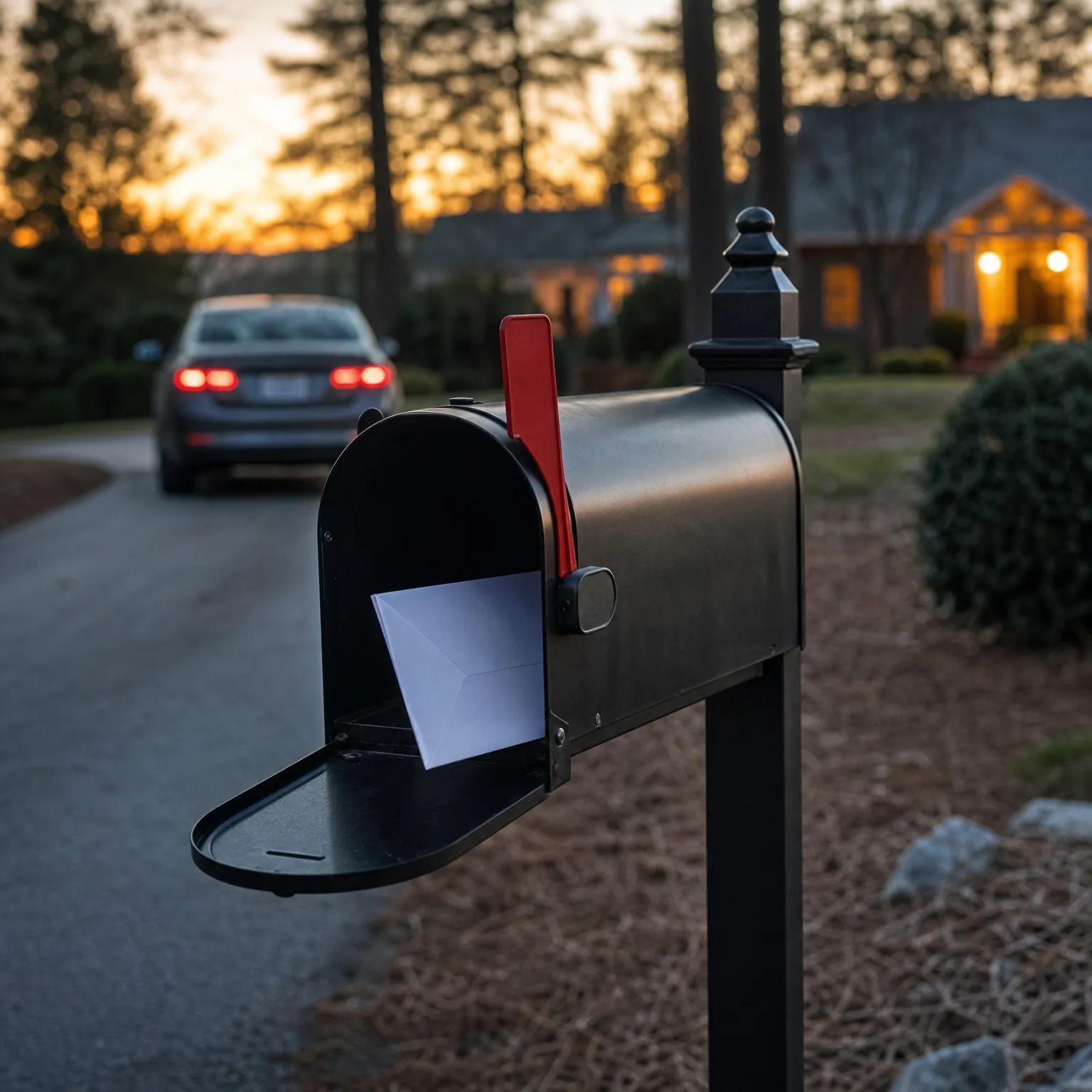
What Happens to Your SR-22 Filing When You Switch Policies
Your SR-22 filing period does not restart when you move from non-owner to owner coverage, but only if you maintain continuous coverage without a single-day lapse. Most states require SR-22 for 3 years from the violation date. If you have 18 months remaining on your filing requirement and switch policies today with zero gap, you still have 18 months remaining.
Your carrier submits a new SR-22 certificate to the state DMV showing your updated policy number and vehicle information. The state's system tracks your filing start date separately — the new certificate updates your coverage details without resetting the clock. If any coverage gap occurs during the transition, most states treat it as a filing lapse. That resets your entire SR-22 period to zero and typically triggers an immediate license suspension.
Call your carrier before you buy the vehicle. Tell them the exact date you plan to register the car and ask them to issue the new owner policy effective that same day. If they cannot transition without a gap, shop the new policy with a different carrier and time the cancellation so the new coverage starts the same day the old policy ends.


How Your Rates Change When Moving From Non-Owner to Owner SR-22
Expect your premium to double or triple when you add a vehicle. Non-owner SR-22 provides only liability coverage with no vehicle to insure. Owner SR-22 includes liability plus the cost of insuring the actual vehicle — collision, comprehensive, and any lender-required coverage if you financed the purchase.
A non-owner SR-22 policy for a driver with a DUI typically costs $25–$50 per month. The same driver insuring a 2018 sedan with full coverage under an owner SR-22 pays $100–$250 per month. The vehicle's value, your zip code, and whether you financed or paid cash all affect the final rate. Carriers writing SR-22 in your state include both standard carriers routing high-risk drivers to specialty subsidiaries and non-standard carriers that specialize in SR-22 from the start. Non-standard carriers often quote lower rates for high-risk profiles because they price the risk pool more accurately.
Your SR-22 filing fee does not change. Most states charge $15–$50 to file the certificate, paid once when the policy is issued. Some carriers pass this fee to you as a one-time charge. Others include it in your premium. When you switch from non-owner to owner coverage, you pay the filing fee again only if your new carrier treats it as a separate policy issuance.

Stay Covered While You Drive Borrowed Cars
Find Coverage After ViolationsCoverage Requirements That Change With Vehicle Ownership
Non-owner SR-22 policies provide state minimum liability only. Owner SR-22 policies require liability plus whatever coverage your state mandates for registered vehicles and any additional coverage your lender requires if you financed the car.
If you financed or leased the vehicle, your lender will require comprehensive and collision coverage with a deductible typically no higher than $1,000. This is contractual — your loan agreement obligates you to carry it until the loan is paid off. Comprehensive covers theft, vandalism, weather damage, and animal strikes. Collision covers damage from accidents regardless of fault. Both coverages significantly increase your premium compared to non-owner liability-only policies.
If you paid cash and own the vehicle outright, you can legally drop comprehensive and collision and carry only the state minimum liability. This lowers your premium but leaves you financially responsible for all vehicle damage. For a high-risk driver carrying SR-22, the savings may be worth it if the vehicle's value is low enough that totaling it would not create a financial crisis.

How to Make the Transition Without a Coverage Gap
Contact your current carrier at least 5 business days before you plan to register the vehicle. Tell them the exact date you will take ownership and ask them to issue an owner SR-22 policy effective that date. If they write owner policies for your risk profile, they will cancel your non-owner policy and issue the new policy with no gap.
If your current carrier does not write owner SR-22 for your profile or quotes a rate significantly higher than competitors, shop before you buy the vehicle. Get quotes from at least three carriers that actively write SR-22 in your state. Confirm the new policy's effective date matches the day your non-owner policy will cancel. Most carriers can bind coverage over the phone and issue the SR-22 certificate electronically the same day.
Never cancel your non-owner policy before the new owner policy is active. Even a single day without coverage triggers an SR-22 lapse in most states. The state DMV receives an automatic notification from your carrier when a policy with an SR-22 filing is cancelled. If no replacement SR-22 appears in their system within 24–48 hours, they suspend your license and restart your filing period to zero.
Frequently Asked Questions
Does switching from non-owner to owner SR-22 restart my filing period?
No. Your SR-22 filing period does not restart as long as you maintain continuous coverage without any gap between policies. The state tracks your filing start date separately from your policy details. Your carrier submits a new SR-22 certificate showing the updated policy information, but your original filing clock continues running.
Can I keep my non-owner SR-22 and just add vehicle coverage separately?
No. Non-owner policies exclude coverage for any vehicle you own or register. You must cancel the non-owner policy and replace it with an owner policy that includes the vehicle. Keeping the non-owner policy active while registering a vehicle creates a coverage gap because the non-owner policy will not cover the registered vehicle.
What happens if there is a gap between canceling my non-owner policy and starting my owner policy?
Any gap triggers an SR-22 lapse in most states. Your carrier automatically notifies the state DMV when a policy with an SR-22 filing is cancelled. If no replacement SR-22 appears in the state's system within 24–48 hours, the DMV suspends your license and typically resets your entire SR-22 filing period to zero.
Will my SR-22 carrier write an owner policy for me?
Not always. Some carriers write non-owner SR-22 but do not write owner policies for high-risk drivers. Others write owner policies but at significantly higher rates than competitors. Call your current carrier first, but shop at least two other carriers that actively write SR-22 in your state before committing.
Do I need full coverage on my car if I am carrying SR-22?
Only if you financed or leased the vehicle. Lenders require comprehensive and collision coverage until the loan is paid off. If you paid cash and own the car outright, you can legally carry only your state's minimum liability coverage. SR-22 itself does not require full coverage — it is a filing on top of whatever liability coverage your state mandates.
Related Articles

Converting Non-Owner SR-22 to Owner After Buying a Car
5/18/2026

Non-Owner SR-22: How to File Without Owning a Vehicle
5/18/2026

Convert Owner SR-22 to Non-Owner After Selling Car
5/18/2026
Can't Afford SR-22? Your Options Before It Lapses
5/18/2026

Non-Owner SR-22: Filing Without a Car | How It Works
5/18/2026
SR-22 After Total Loss: Avoid Filing Lapse & Suspension
5/18/2026