
How to Handle SR-22 When You Sell Your Car Mid-Filing
Free to compare
Your SR-22 Filing Stays Active Only While You Carry Continuous Coverage
SR-22 is not attached to your car. It's attached to your insurance policy. When you sell your vehicle and cancel your policy, your carrier files an SR-22 cancellation with the DMV immediately, even if you're mid-filing period.
In most states, any gap in SR-22 coverage resets your filing clock to zero. If you were two years into a three-year requirement and your policy lapses for even 24 hours, you start the three-year period over from the day you reinstate coverage. The DMV does not pause your requirement while you shop for a new car.
You have two options: transfer your SR-22 to a new vehicle before canceling the old policy, or switch to non-owner SR-22 if you're not replacing the car immediately. Both paths keep the filing active and your progress intact.

If You're Buying Another Car Right Away, Transfer Before You Cancel
Call your carrier before you finalize the sale. Most carriers can transfer your SR-22 filing from the old vehicle to the new one on the same policy, but the process takes 24 to 48 hours to complete. If you cancel your old policy before the transfer processes, the SR-22 filing terminates and you lose your progress.
The cleanest sequence: buy the new car, add it to your existing policy, confirm the SR-22 transferred to the new vehicle with your carrier, then remove the sold vehicle. Your coverage and filing stay uninterrupted. Some carriers require you to keep both vehicles on the policy for a few days during the transition.
If you're switching carriers when you buy the new car, the new carrier must file a fresh SR-22 before your old policy ends. Coordinate the effective dates so no gap exists between the two policies. Even one day without active SR-22 coverage resets your filing period in most states.
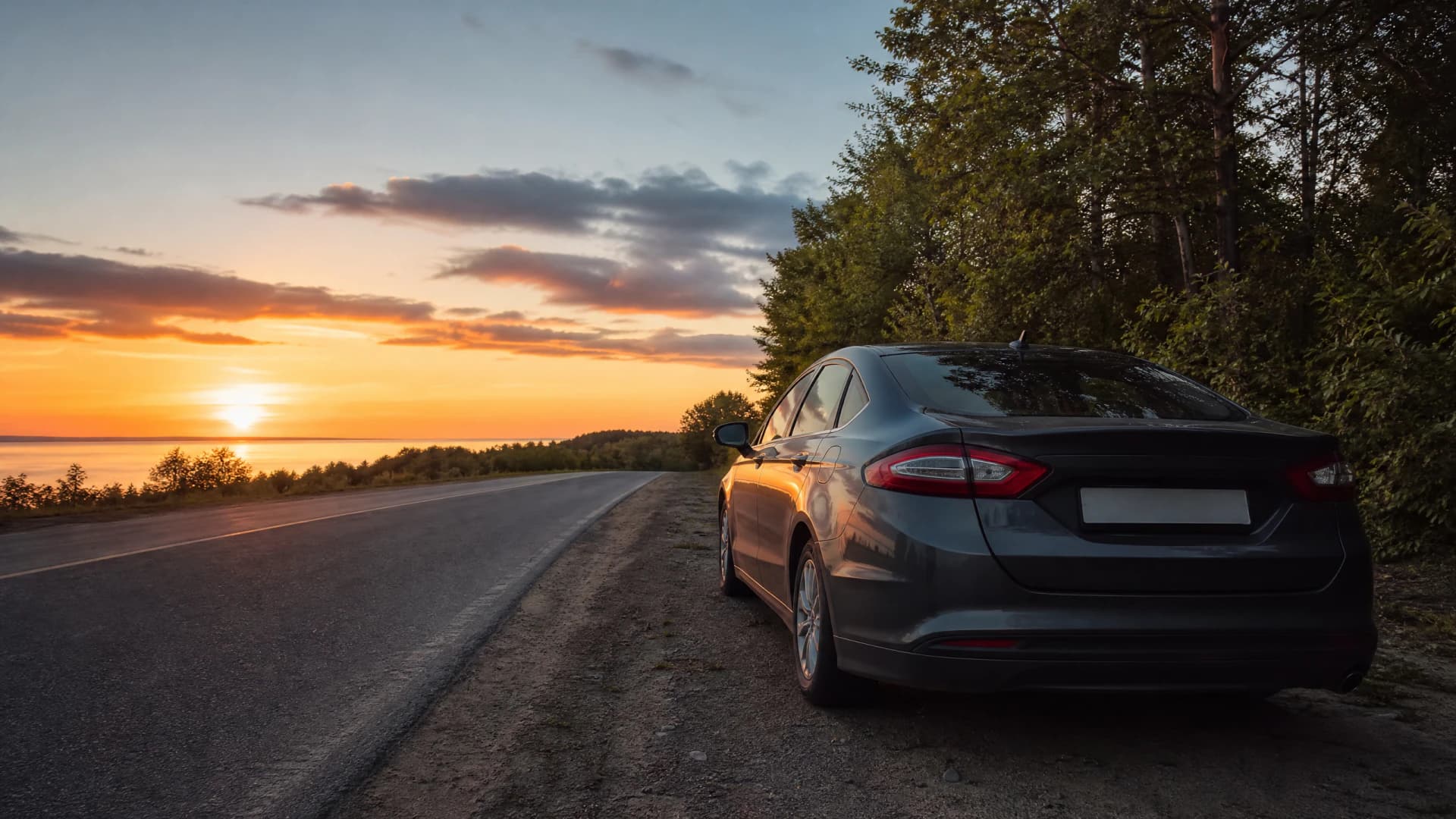

If You're Not Replacing the Car, Switch to Non-Owner SR-22 Immediately
Non-owner SR-22 keeps your filing active when you don't own a vehicle. It provides state minimum liability coverage when you drive a borrowed or rental car, and it satisfies the DMV's continuous coverage requirement during your filing period.
This is the only way to preserve your SR-22 progress if you sell your car and stop driving for weeks or months. Standard SR-22 policies require a registered vehicle in your name. Non-owner policies do not. They cost significantly less than owner policies because they cover only liability, not collision or comprehensive damage to a vehicle you don't own.
Buy the non-owner policy before you cancel your current coverage. Most carriers that write SR-22 also offer non-owner SR-22, but not all do. If your current carrier doesn't write non-owner policies, you'll need to switch carriers and ensure the new policy starts the same day your old one ends. The DMV receives electronic notice of any lapse within 24 hours.

Stay Covered While You Drive Borrowed Cars
Find Coverage After ViolationsWhat Happens If Your SR-22 Lapses During the Sale
If you cancel your policy without transferring the SR-22 or securing non-owner coverage first, your carrier files an SR-22 cancellation notice with the DMV. In most states, the DMV suspends your license within 10 to 30 days of the lapse notice.
Reinstating after a lapse requires three steps: buy a new SR-22 policy, pay a reinstatement fee to the DMV, and restart your filing period from day zero. The reinstatement fee ranges from $50 to $300 depending on your state and violation type. The bigger cost is the lost time. Two years of clean SR-22 filing erased because of a three-day gap between policies.
Some states impose additional penalties for SR-22 lapses during the required filing period, including extended filing requirements or mandatory ignition interlock device installation. Check your state's DMV website for lapse-specific consequences before you let coverage end.

How Non-Owner SR-22 Costs Compare to Standard SR-22
Non-owner SR-22 typically costs $300 to $600 per year for state minimum liability coverage, compared to $1,200 to $3,000 per year for standard SR-22 with a registered vehicle. The difference reflects the lower risk exposure: non-owner policies cover only your liability when driving occasionally, not collision or comprehensive damage to a vehicle you own.
The SR-22 filing fee itself is identical whether you file on an owner or non-owner policy, usually $15 to $50 depending on your state and carrier. You pay that fee once when the carrier files the SR-22, and again if you switch carriers mid-filing.
If you plan to buy another car within a few months, maintaining non-owner SR-22 during the gap costs less than restarting your filing clock after a lapse. Most carriers allow you to convert a non-owner policy to a standard policy when you buy a vehicle, and the SR-22 filing transfers with no interruption.
Frequently Asked Questions
Can I keep my SR-22 active without owning a car?
Yes, by switching to non-owner SR-22 before you cancel your current policy. Non-owner SR-22 satisfies your state's filing requirement and provides liability coverage when you drive borrowed or rental vehicles, without requiring you to own a registered car.
Does selling my car reset my SR-22 filing period?
Selling the car itself doesn't reset your filing period. Canceling your insurance policy without maintaining continuous SR-22 coverage does. If your policy lapses for even one day, most states reset your filing clock to zero and suspend your license until you reinstate.
How long do I have to get new insurance after selling my car with SR-22?
You have zero grace period in most states. Your SR-22 filing must remain active continuously throughout your required filing period. Buy non-owner SR-22 or transfer to a new vehicle policy before your current coverage ends, not after.
Will my insurance company automatically transfer my SR-22 to my new car?
No, you must request the transfer before canceling coverage on the old vehicle. Most carriers process SR-22 transfers within 24 to 48 hours, but the filing terminates if you cancel the old policy before the transfer completes.
How much does non-owner SR-22 cost compared to regular SR-22?
Non-owner SR-22 typically costs $300 to $600 per year for state minimum liability, compared to $1,200 to $3,000 per year for standard SR-22 with a registered vehicle. The SR-22 filing fee itself is the same, usually $15 to $50.
Related Articles

Convert Owner SR-22 to Non-Owner After Selling Car
5/18/2026
SR-22 When You Buy a Car: Avoid Filing Gaps
5/18/2026
Switch SR-22 Carriers Without a Filing Gap
5/18/2026

SR-22 After Total Loss: Avoid Filing Lapse & Suspension
5/18/2026

SR-22 Cost When Removing a Vehicle Mid-Filing Period
5/18/2026

Does SR-22 Transfer Between Your Vehicles?
5/18/2026