
How to Pay SR-22 Without a Checking Account: Cash & Money Orders
Free to compare
Which SR-22 carriers accept payment without a checking account?
Most SR-22 carriers accept money orders, cashier's checks, and prepaid debit cards — the method varies by carrier, not by whether you're high-risk. Progressive, The General, Direct Auto, and Bristol West all process money orders for SR-22 policies. State Farm and GEICO route SR-22 business through their non-standard divisions and accept alternative payment methods there, though you may need to call rather than pay online.
The catch: processing times run 5-7 business days longer than electronic payments. If your SR-22 filing has a compliance deadline — 30 days from your DMV notice is common — you need to mail or deliver payment at least 10 days before that deadline to avoid a lapse. Carriers timestamp payments when they process them, not when you mail them.
Prepaid debit cards with Visa or Mastercard logos work for online and phone payments at most carriers. Bluebird by American Express, Chime, and PayPal prepaid cards are accepted by most SR-22 writers. The card must allow recurring charges if you're setting up monthly payments — some prepaid cards block subscription-style transactions.
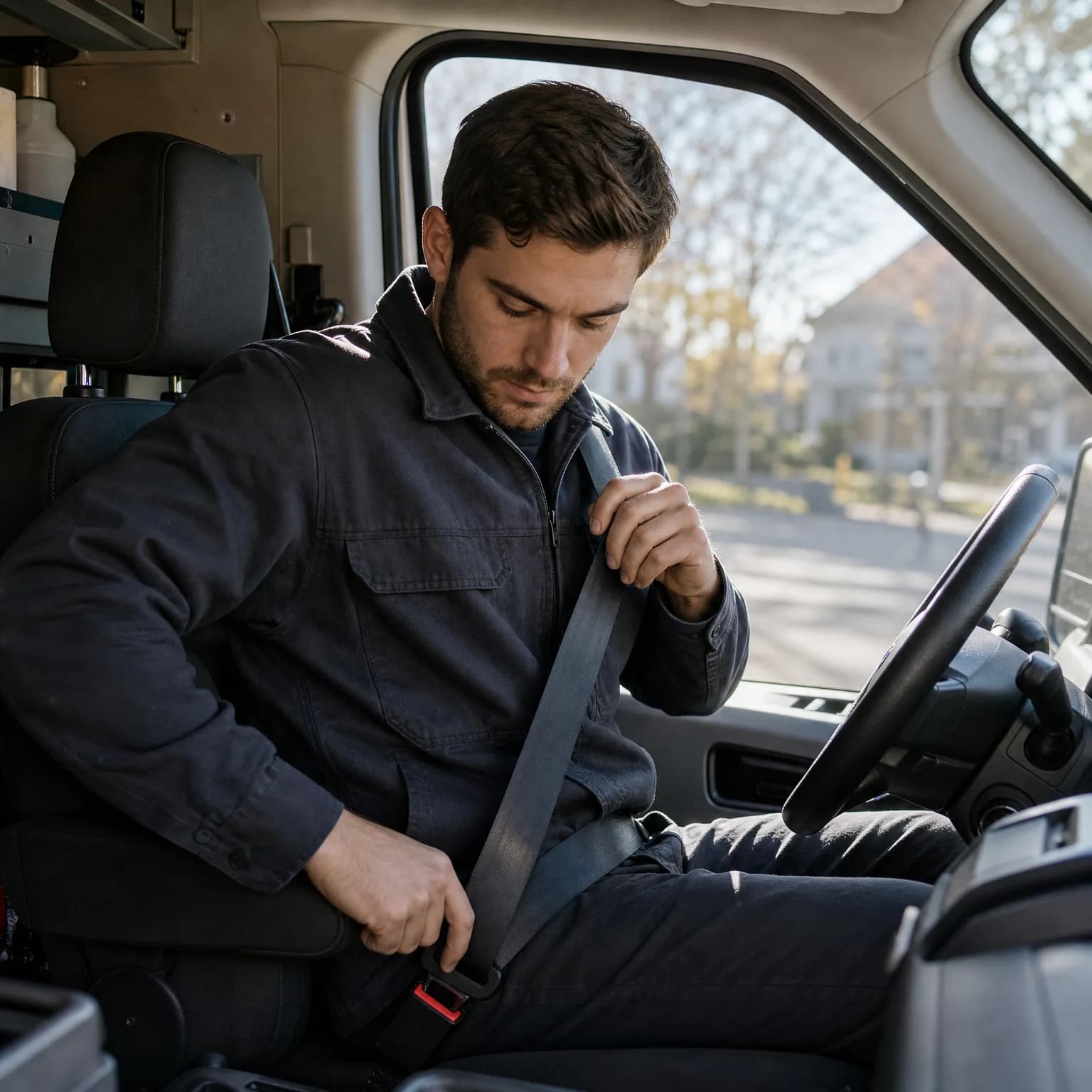
How to pay your SR-22 premium with a money order
Buy a money order for the exact premium amount at any post office, grocery store, or check-cashing location. USPS money orders cost $1.45 for amounts up to $500 and $1.95 for $500.01-$1,000. Western Union and MoneyGram charge $1-$5 depending on location. Write your policy number in the memo line — not your name, your policy number.
Mail the money order to the carrier's payment processing address, not the local agent office. The payment processing address appears on your billing statement or policy documents. Include a payment stub if your bill has one. If not, write your policy number and the coverage effective date on a separate piece of paper and include it in the envelope.
Call the carrier's customer service line 3 business days after mailing to confirm receipt. If they haven't logged it, send a second money order immediately and request proof of payment via email once processed. Keep the money order receipt — it's your only proof of payment if the carrier claims they never received it. Money orders are not reversible once cashed.


Can you pay SR-22 in cash at a local agent office?
Some independent agents and direct carrier offices accept cash payments for SR-22 policies, but most route payments electronically anyway — the agent inputs your payment as a card or checking transaction on their end. Call ahead and ask if they issue same-day payment receipts and whether the payment posts to your account that day or takes 1-3 days to process.
The General and Direct Auto have local offices in most states that accept walk-in cash payments. Progressive independent agents can process cash through their point-of-sale systems. State Farm agents typically do not accept cash for SR-22 policies — they require money orders or prepaid cards instead.
If you pay cash in person, get a receipt with your policy number, the payment amount, the date, and the agent's signature before you leave. Take a photo of the receipt with your phone immediately. Cash payments have no paper trail once you walk out the door — if the agent doesn't log the payment correctly, your SR-22 can lapse even though you paid.

Stay Covered While You Drive Borrowed Cars
Find Coverage After ViolationsHow prepaid debit cards work for SR-22 auto-pay
Prepaid debit cards with Visa or Mastercard logos function like checking accounts for recurring SR-22 payments. Load the card with your premium amount plus $10-$20 buffer each month before your due date. Most SR-22 carriers attempt to charge the card 1-2 days before your due date, and if the balance is insufficient, they'll try again once before canceling the policy.
Bluebird by American Express, Chime, NetSpend, and PayPal prepaid cards are accepted by most SR-22 writers. Avoid single-load gift cards — they don't support recurring charges. Set up a monthly reminder to reload the card 5 days before your due date. Carriers rarely send low-balance warnings.
If a prepaid card payment fails, you have a 10-day grace period in most states before the carrier cancels your policy and notifies the DMV of the lapse. That lapse restarts your SR-22 filing clock in 38 states. Call the carrier immediately if you miss a reload — many will extend the grace period by 5-7 days if you call before the cancellation processes.

What happens if your SR-22 payment is late when paying with alternative methods?
Late payments trigger the same consequences whether you pay with cash, money orders, or a checking account. Most states give you a 10-day grace period after your due date before the carrier cancels your policy and files an SR-22 termination notice with the DMV. Once that termination notice goes through — usually within 24-48 hours of cancellation — your driver's license is suspended in most states.
Reinstating after an SR-22 lapse costs $50-$150 in reinstatement fees, plus a new SR-22 filing fee of $15-$50, plus the full premium to restart coverage. In 38 states, the lapse also resets your SR-22 filing period to day zero — if you were 2 years into a 3-year requirement and you lapsed, you now owe 3 more years from the reinstatement date.
To avoid lapses when paying by mail: pay 10 days before your due date, not 3 days before. USPS first-class mail averages 3-5 business days, but carriers don't credit your account until they process the payment, which adds another 2-3 days. If you're within 7 days of your due date and haven't mailed payment yet, call the carrier and ask if you can pay by phone using a prepaid card to avoid the processing delay.
Do SR-22 carriers charge extra fees for non-checking-account payments?
Most SR-22 carriers do not charge fees for money orders or prepaid debit cards, but a few charge $3-$10 per phone payment if you call to process a prepaid card manually. Progressive, The General, and Direct Auto do not charge payment processing fees for any method. GEICO's non-standard division charges $5 per phone payment but waives it if you set up auto-pay with a prepaid card online.
Cashier's checks are treated the same as money orders — no fees, but 5-7 day processing times. Personal checks require a checking account, so they're not an option here. Western Union and MoneyGram offer direct bill payment services that deliver to some carriers within 1-2 business days, but they charge $10-$15 per transaction, which makes them useful only for last-minute payments to avoid a lapse.
If a carrier quotes you a "service fee" for paying without a checking account, ask what the fee is called and whether it's a state-regulated installment fee or a discretionary payment processing fee. Installment fees — the charges for paying monthly instead of in full — are regulated and can't be waived. Payment processing fees are discretionary and are sometimes waived if you switch payment methods or threaten to move carriers.
Frequently Asked Questions
Can I pay my SR-22 insurance with a prepaid Visa gift card?
Single-load Visa gift cards usually don't work for recurring SR-22 payments because they block subscription-style charges. Reloadable prepaid cards like Bluebird, Chime, or NetSpend work for auto-pay because they allow recurring transactions. If you're paying month-to-month manually, a gift card works for one-time payments at most carriers.
What if my money order gets lost in the mail before my SR-22 payment is due?
Call your carrier immediately and ask if they've received your payment. If not, send a second money order via certified mail and request a tracking number. Keep the receipt from the original money order — you can file a claim with USPS, Western Union, or MoneyGram to get a refund if the first money order was never cashed, but it takes 30-60 days to process.
Do SR-22 carriers report late payments to credit bureaus if I pay with cash?
Most SR-22 carriers do not report to credit bureaus at all — they report only to the DMV. If your payment is late enough to trigger a policy cancellation, the carrier files an SR-22 termination notice with the state, which suspends your license. The cancellation itself doesn't appear on your credit report unless the carrier sends your unpaid balance to collections.
Can I use a money order to pay a lapsed SR-22 policy and avoid reinstatement fees?
Once your SR-22 policy is canceled and the termination notice is filed with the DMV, you can't avoid reinstatement fees by paying the old balance. You'll need to pay reinstatement fees to the DMV, file a new SR-22 certificate, and start a new policy. The faster you pay, the shorter your license suspension lasts — most states process reinstatements within 24-48 hours if all fees are paid.
Related Articles

SR-22 Down Payment Options: 6-Month vs Monthly Billing
5/18/2026

SR-22 Paid in Full vs Financed: Real Cost Difference
5/18/2026
Paper vs Electronic SR-22 Filing: State Requirements
5/18/2026

Find SR-22 Carriers That Won't Decline You in Your State
5/18/2026
Set Up SR-22 Autopay to Prevent Filing Lapses
5/18/2026

SR-22 Filing: What the Carrier Sends the DMV
5/18/2026