
How to Reinstate Your License Without a Car — Non-Owner SR-22
Free to compare
Why States Require SR-22 Insurance Even When You Don't Own a Car
Most states don't care whether you currently own a vehicle — if your suspension was triggered by a DUI, at-fault accident without insurance, or multiple violations, they require continuous liability coverage as a condition of reinstatement. The SR-22 isn't insurance itself; it's a certificate your insurer files with the DMV proving you're carrying at least state-minimum liability. If you let that policy lapse even one day during the mandated filing period, your license suspends again and the clock resets.
Non-owner SR-22 policies are designed for drivers who need to meet this requirement but don't have a car registered in their name. You're still covered when you borrow a vehicle, rent a car, or drive for work. The state gets proof you're insurable. The carrier takes on the liability risk. Typical non-owner SR-22 premiums run $300–$900 per year depending on your violation, state, and how long ago the incident occurred.
Most suspensions require SR-22 filing for three years, though California requires it for only one year after some DUIs, and Florida requires three years for DUI but may extend to five for repeat offenses. Virginia is an outlier — the state doesn't use SR-22 at all, instead requiring uninsured motorist fee payments. Check your reinstatement notice for the exact duration in your state. SR-22 insurance
What a Non-Owner SR-22 Policy Actually Covers
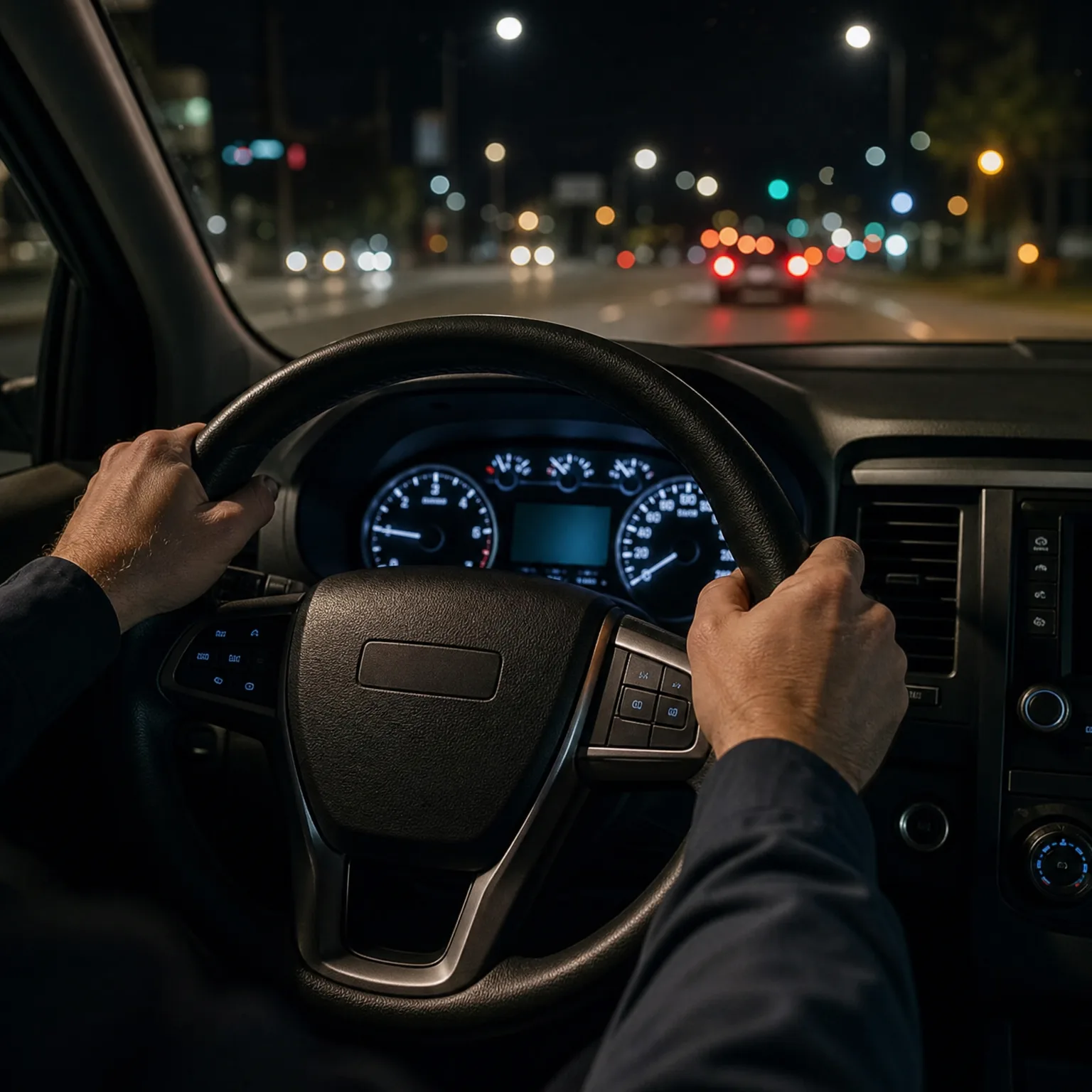
A non-owner policy provides liability coverage only — bodily injury and property damage you cause while driving someone else's vehicle. It does not cover the car itself, and it does not cover you if you're driving a vehicle registered to someone in your household or a car you use regularly. If you live with someone who owns a car, most carriers will not issue a non-owner policy — they'll require you to be added to the household policy or excluded entirely.
Coverage limits must meet your state's minimum requirements. Most states mandate 25/50/25 (twenty-five thousand dollars per person for bodily injury, fifty thousand per accident, twenty-five thousand for property damage), though higher-risk states like Alaska require 50/100/25. If you carry only state minimums and cause an accident that exceeds those limits, you're personally liable for the difference. That's why some non-standard carriers recommend 50/100/50 or higher, especially if you're already in a high-risk tier.
The policy follows you, not the car. If you borrow a friend's vehicle and cause an accident, your non-owner liability kicks in as secondary coverage after the vehicle owner's policy exhausts its limits. If you're renting a car, your non-owner policy typically covers liability, but you'll still need to decide whether to buy the rental agency's collision damage waiver — your non-owner policy won't cover damage to the rental itself.


How to File a Non-Owner SR-22 and Reinstate Your License
You cannot file an SR-22 yourself — it must come directly from a licensed insurance carrier authorized to write policies in your state. First, you purchase a non-owner liability policy from a carrier that writes high-risk coverage. Not all insurers offer non-owner policies, and fewer still will file SR-22 certificates for drivers with DUIs or multiple violations. Non-standard carriers like The General, Bristol West, and National General typically accept high-risk applicants for non-owner SR-22, though availability varies by state.
Once you purchase the policy, the carrier files the SR-22 certificate electronically with your state DMV, usually within 24 to 72 hours. Some states charge a filing fee — typically ten to fifty dollars — separate from your policy premium. You'll also owe reinstatement fees to the DMV, which range from $50 in states like Ohio to $275 in Washington, plus any outstanding fines or court costs tied to your original violation.
After the DMV receives and processes your SR-22, you can pay your reinstatement fees and request your license be restored. Processing times vary: some states reinstate within 48 hours if all requirements are met, while others take two weeks or longer. If your suspension included additional conditions — alcohol education classes, ignition interlock device installation, community service — you must complete those before reinstatement, even with an active SR-22 on file.
What Non-Owner SR-22 Costs for Different Violation Types
Your premium is driven primarily by the violation that triggered the SR-22 requirement. A DUI typically costs $600–$1,200 per year for non-owner coverage with state-minimum limits, while a lapse in coverage or at-fault accident without insurance generally runs $300–$700 annually. If you have multiple violations — for example, a DUI plus a suspended license for failure to appear — expect premiums in the $1,000–$1,500 range. Carriers price based on your risk tier, not sympathy.
State minimums affect base cost significantly. In Michigan, where personal injury protection requirements historically pushed premiums higher (though recent reforms have created options for lower PIP), non-owner SR-22 policies still cost more than in neighboring states. California non-owner SR-22 policies with 15/30/5 minimums may start around $400 per year for a single DUI, while Florida drivers with the same violation and 10/20/10 minimums often pay $500–$800 because of the state's high uninsured motorist rate.
You can reduce your premium slightly by paying in full rather than monthly, maintaining continuous coverage without lapses, and comparing quotes from multiple non-standard carriers. Some drivers see rate drops of 10–20% per year as they move further from their violation date, though the SR-22 filing requirement itself doesn't disappear until the mandated period ends. Once your SR-22 term completes and you've maintained coverage without lapses, your rates typically drop another 20–40% as you transition out of the high-risk tier.

Stay Covered While You Drive Borrowed Cars
Find Coverage After Violations
Common Non-Owner SR-22 Pitfalls That Suspend Your License Again
The most frequent mistake is letting your policy lapse. If you miss a payment or cancel your non-owner policy before your SR-22 period ends, the carrier is legally required to file an SR-26 — a notification to the DMV that your coverage has terminated. Your license suspends again immediately in most states, and the SR-22 clock resets from zero. If you originally had one year left on a three-year requirement and you lapse, you'll owe three more years from the new filing date.
Some drivers assume they can cancel their non-owner policy once they stop driving or move out of state. That's incorrect. The SR-22 requirement follows you regardless of where you live or whether you're actively driving. If you move to a new state during your SR-22 period, you'll need to obtain a new policy in that state and file a new SR-22 with that state's DMV, then notify your original state. A few states allow out-of-state SR-22 filings, but most require in-state carriers.
Another issue: buying a car during your SR-22 period without updating your policy. If you purchase and register a vehicle in your name, your non-owner policy no longer applies — you need a standard owner policy with SR-22 endorsement. If you register the car but keep only your non-owner policy active, you're uninsured under state law, and the DMV will suspend your license again once the registration and insurance records fail to match.

Which Carriers Write Non-Owner SR-22 for High-Risk Drivers
Non-standard carriers dominate this space because most standard insurers won't write policies for drivers with recent DUIs or multiple violations. The General, Progressive's non-standard division, and Bristol West consistently offer non-owner SR-22 policies in most states, though underwriting guidelines vary by region. National General and Infinity also write high-risk non-owner policies, though availability is limited in some Northeastern states.
Some states have assigned risk plans or state-sponsored pools for drivers who cannot find coverage in the voluntary market. These plans guarantee you can obtain a policy, but premiums are typically 30–60% higher than the non-standard market. If you've been turned down by three or more carriers, contact your state's Department of Insurance to ask about assigned risk programs — they go by different names depending on the state, such as the California Automobile Assigned Risk Plan or the North Carolina Reinsurance Facility.
Direct comparison is critical. A DUI conviction might cost you $700 per year with one carrier and $1,100 with another for identical coverage limits in the same ZIP code. Non-standard carriers use different risk models, and some specialize in specific violation types. Drivers with DUIs often get better rates from carriers that focus on alcohol-related offenses, while those with lapses or license suspensions may find better pricing from carriers that emphasize payment flexibility and reinstatement support. non-standard auto insurance
How Long You'll Need Non-Owner SR-22 and What Happens After
Your SR-22 requirement lasts as long as your state mandates — typically three years from the date of reinstatement, not the date of your violation. If you were suspended for six months before reinstating, your three-year clock doesn't start until you file the SR-22 and pay your reinstatement fees. Some states count the SR-22 period from the conviction date if you never lost your license, but that's rare.
Once your SR-22 period ends, the carrier files an SR-26 notifying the DMV that the filing requirement has been satisfied. Your policy doesn't automatically cancel — you can keep the same non-owner coverage if you still don't own a car and want liability protection while driving borrowed or rental vehicles. Many drivers do exactly that, especially if they live in urban areas and rely on car-sharing or public transit. Your premium should drop significantly once the SR-22 requirement lifts, typically by 20–40%, because you're no longer flagged as actively monitored by the state.
Your violation itself stays on your driving record longer than the SR-22 requirement. Most states retain DUI convictions for seven to ten years, and insurers will continue to surcharge you for it — though the surcharge decreases each year. By year five after a DUI, many drivers see rates approach standard market levels if they've maintained continuous coverage and avoided new violations. At that point, you may qualify for standard insurers again, and your non-owner policy can transition to a regular policy if you purchase a vehicle. compare high-risk quotes
Related Articles

Does SR-22 Cover My Teen Driver? What Parents Need to Know
5/18/2026
Switch Non-Owner SR-22 to Regular Policy | Timeline
4/2/2026
File SR-22 the Same Day Your Suspension Starts
5/18/2026
SR-22 and Deferred Prosecution: Filing Requirements
5/18/2026
SR-22 and MADD Victim Impact Panels After a DUI
5/18/2026
SR-22 & Florida JUA: Assigned-Risk Pool Explained
5/18/2026