
Ignition Interlock Lockouts and SR-22: What Your Carrier Sees
Free to compare
What triggers an ignition interlock lockout that your SR-22 carrier sees
Your ignition interlock device reports three categories of events directly to your insurance carrier: failed startup attempts above the BAC threshold (typically 0.02–0.04%), rolling retest failures while driving, and missed calibration appointments. These aren't private equipment issues. They're compliance violations logged in the state monitoring system your SR-22 carrier has access to.
Most interlock providers transmit data to the state DMV within 24–48 hours of any violation event. Your SR-22 carrier either receives these reports directly from the state or subscribes to the same monitoring feed the court uses. The notification arrives before you receive your monthly violation summary from the device vendor.
A single failed startup doesn't always terminate coverage. Carriers distinguish between isolated violations and patterns — three failed startups in 30 days, two missed calibration windows, or one rolling retest failure typically triggers a policy review. What matters is whether the violation creates a reportable event under your state's interlock monitoring rules.

How SR-22 carriers use interlock violation data in underwriting decisions
Your SR-22 carrier underwrites your policy with the assumption that interlock compliance is mandatory, not optional. When a lockout event or calibration skip appears in the monitoring feed, the carrier treats it as a new risk signal — evidence that you're driving impaired or circumventing the device.
Most non-standard carriers include interlock compliance language in the SR-22 policy contract. A material breach clause allows them to cancel your policy mid-term if you generate reportable violations during the coverage period. You won't receive a warning letter. The cancellation notice arrives 10–30 days after the violation is logged, depending on state law.
Some carriers build violation thresholds into their underwriting guidelines: one rolling retest failure equals immediate non-renewal, two failed startups in 60 days trigger a surcharge, three missed calibrations in 90 days result in cancellation. These thresholds aren't disclosed at purchase. They appear in the declination or cancellation letter after the fact.

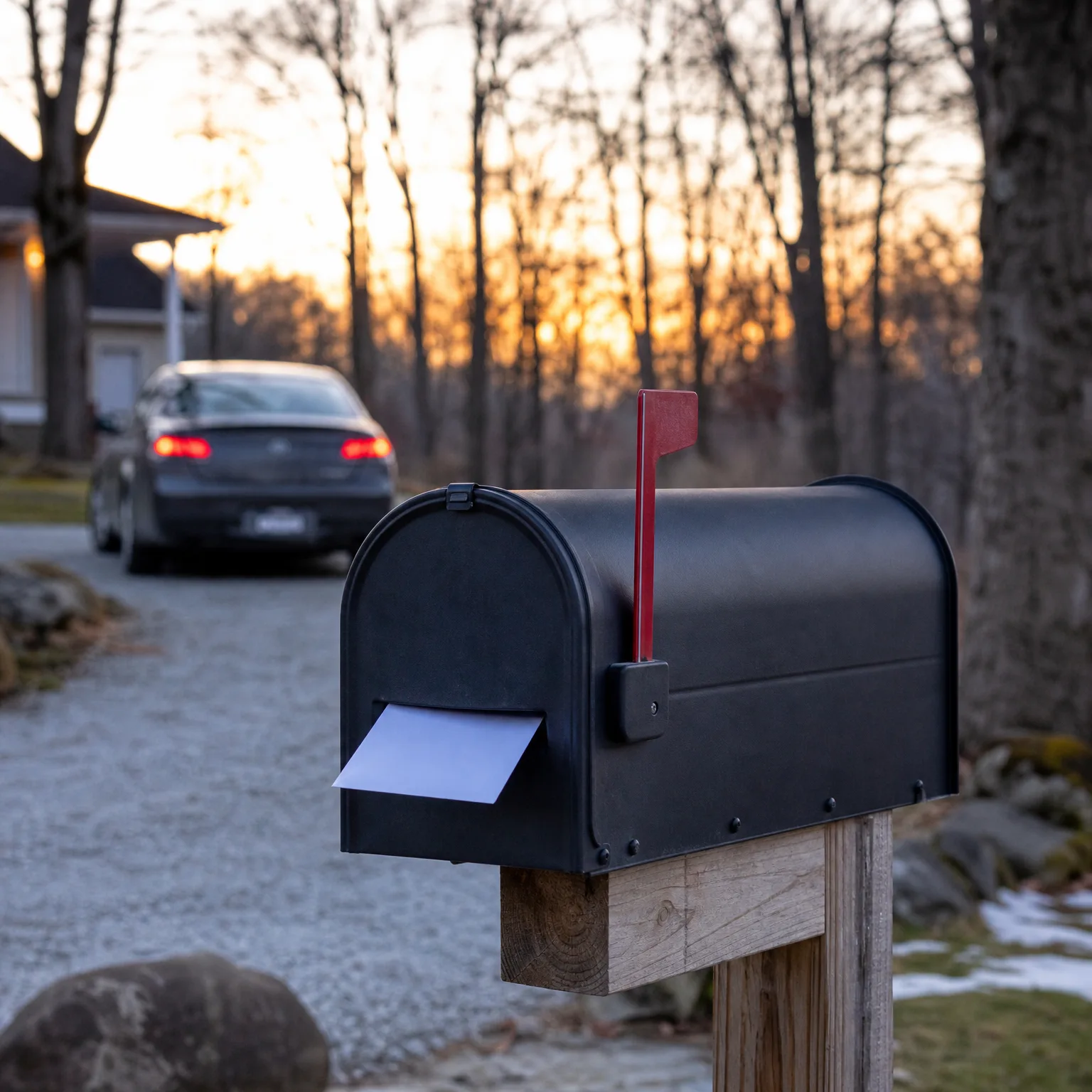
The notification gap between your interlock provider and your insurance company
Your interlock service provider sends you a monthly compliance summary showing all violations, lockouts, and calibration events. That summary arrives 15–30 days after the end of the reporting period. Your SR-22 carrier receives the same data in real time through the state monitoring system.
This creates a dangerous notification gap. You might think a failed startup on March 3rd is a private event handled between you and the device vendor. Your carrier saw that event logged in the state system on March 5th and issued a policy cancellation notice on March 10th. By the time your monthly summary arrives on April 1st confirming the violation, your SR-22 has already lapsed.
If your SR-22 lapses because your carrier cancelled the policy, the state receives a termination notice within 24 hours. Your license suspension is automatic in most states — no hearing, no grace period. You're driving uninsured and unlicensed the moment the cancellation becomes effective, even if you haven't received the letter yet.

Stay Covered While You Drive Borrowed Cars
Find Coverage After ViolationsState-specific interlock reporting rules that affect SR-22 filing status
Some states require ignition interlock providers to report every lockout event regardless of cause. Others distinguish between violations (failed BAC tests) and equipment issues (battery disconnects, missed calibrations due to device malfunction). The difference determines whether your SR-22 carrier sees the event at all.
States with strict reporting requirements — Arizona, Ohio, and Virginia among them — transmit all lockout events to the DMV monitoring system. Your carrier sees failed startups, rolling retests, calibration skips, and even attempts to bypass the device. States with narrow reporting thresholds only log violations that exceed the BAC threshold or constitute circumvention attempts.
If you're required to maintain SR-22 filing for three years and your interlock period runs two years, your carrier continues monitoring your compliance even after the device is removed. A violation in year two can result in policy cancellation in year three if the carrier applies a lookback period to underwriting decisions at renewal.

What happens when your SR-22 carrier cancels your policy for an interlock violation
When your carrier cancels your SR-22 policy mid-term, they're required to notify the state DMV immediately. Most states receive the SR-22 termination electronically within 24 hours. Your license suspension is automatic the day the termination processes — you don't receive advance notice from the DMV.
You have a narrow window to prevent suspension: find a new carrier willing to write SR-22 for a driver with both the original violation and a recent policy cancellation, bind coverage, and file a new SR-22 before the termination processes. In practice, this means acting within 48–72 hours of receiving the cancellation notice from your original carrier.
Most non-standard carriers will not write new SR-22 business for a driver cancelled mid-term for interlock non-compliance. You're now shopping in the assigned risk pool or state-sponsored high-risk programs, where premiums run 150–300% higher than your cancelled policy. The filing period does not reset, but your rate tier does.

How to prevent interlock violations from terminating your SR-22 coverage
The only way to prevent interlock violations from reaching your SR-22 carrier is to avoid generating violations in the first place. There is no private channel for handling lockout events — the state monitoring system is the system.
If you know you have a failed startup or missed calibration, contact your SR-22 carrier immediately. Some carriers distinguish between self-reported violations and violations discovered through monitoring feeds. Calling before the notification arrives won't prevent the event from being logged, but it may influence how the carrier applies their underwriting guidelines.
Schedule interlock calibration appointments at least 5 days before the deadline. Device vendors allow a 5-day early window for most states. If you calibrate early and the appointment falls through due to vendor error or equipment malfunction, you're still within the compliance window. If you wait until the deadline and miss it, the violation is automatic.
Frequently Asked Questions
Does my car insurance company know every time my ignition interlock device locks me out?
Your SR-22 carrier receives lockout and violation data from the state monitoring system, typically within 24–48 hours of the event. They see failed startup attempts, rolling retest failures, and missed calibrations — not just monthly summaries. The data feed your carrier monitors is the same one the court and DMV use to track compliance.
Can my SR-22 insurance be cancelled for a single ignition interlock violation?
Most non-standard carriers allow one or two isolated violations before taking action, but a rolling retest failure or circumvention attempt can trigger immediate cancellation. Policy contracts include compliance clauses that treat interlock violations as material breaches. You won't receive a warning — the cancellation notice arrives 10–30 days after the violation is logged.
What happens to my SR-22 filing if I miss an ignition interlock calibration appointment?
A missed calibration is reported to the state monitoring system as a compliance violation. Your SR-22 carrier sees the event and may cancel your policy mid-term depending on their underwriting guidelines. If your policy is cancelled, the state receives an SR-22 termination notice within 24 hours and your license suspension is automatic in most states.
How long does an ignition interlock violation stay on my insurance record?
Interlock violations are logged in the state monitoring system for the duration of your device requirement, typically 1–3 years depending on your state and offense. SR-22 carriers can access this data for underwriting and renewal decisions even after the device is removed. Some carriers apply a lookback period that extends beyond your interlock term when evaluating policy renewals.
Can I switch SR-22 carriers after an ignition interlock violation to avoid cancellation?
Switching carriers doesn't erase the violation from the state monitoring system. Any new carrier writing SR-22 will see the same compliance data your current carrier accessed. Most non-standard carriers will not write new business for a driver with recent interlock violations or a mid-term cancellation for non-compliance.
Related Articles

Switching SR-22 Carriers With Ignition Interlock Device
5/18/2026

Failed Interlock Test & SR-22: What Gets Reported
5/18/2026

Removing Interlock Before SR-22 Ends: What Changes
5/18/2026

Missed Interlock Appointment: SR-22 Consequences
5/18/2026

SR-22 & NJ Ignition Interlock License: What Drivers Miss
5/18/2026

SR-22 Carriers for Ignition Interlock in Arizona
5/18/2026