
Non-Owner SR-22 After a DUI: Carriers That Will Write You
Free to compare
Why Non-Owner SR-22 After a DUI Is Harder to Find Than Standard SR-22
A DUI conviction triggers SR-22 filing requirements in most states, typically for three years. If you don't own a vehicle, you need a non-owner SR-22 policy — liability coverage that follows you as a driver, not a specific car. The problem: most carriers that write standard SR-22 policies after a DUI won't write non-owner versions, and the ones that do often restrict coverage to specific states or exclude recent alcohol violations entirely.
The non-owner market shrinks dramatically when you add a DUI. Carriers like Progressive and The General write non-owner policies for drivers with clean records or minor violations, but many underwriting guidelines exclude DUIs filed within the past 12 to 36 months. State Farm and Allstate rarely write non-owner policies at all, even for clean drivers. That leaves a small group of non-standard carriers willing to file SR-22 on a non-owner basis after alcohol-related convictions.
Rates for non-owner SR-22 after a DUI typically range from $40 to $120 per month, depending on your state, your age, and how recent the conviction is. A 35-year-old driver in Ohio with a DUI from six months ago might pay $65/month through a non-standard carrier, while a 22-year-old in California with the same conviction could see $110/month or higher. The SR-22 filing itself adds $15 to $50 to your policy cost, depending on the carrier and state filing fees. non-owner SR-22 coverage SR-22 insurance

Carriers That Actually Write Non-Owner SR-22 After DUI
The carriers below consistently write non-owner SR-22 policies for drivers with recent DUI convictions, though availability varies by state. This is not a complete list — regional carriers and managing general agents often have access to additional markets — but these are the most accessible national and large regional options.
The General writes non-owner SR-22 in most states and accepts DUI convictions, though rates increase sharply if the violation occurred within the past 12 months. Expect monthly premiums between $50 and $90 for a non-owner policy with SR-22 filing. The General operates in 46 states but excludes Alaska, Hawaii, Massachusetts, and North Carolina for non-owner policies.
Acceptance Insurance specializes in high-risk drivers and writes non-owner SR-22 after DUI in many states, particularly in the Southeast and Southwest. Monthly rates typically fall between $55 and $95. Acceptance requires phone or in-person quotes in most markets — online quoting is limited.
Direct Auto Insurance writes non-owner SR-22 policies in 12 states, primarily in the South and Midwest, including Georgia, Tennessee, Louisiana, and Mississippi. They accept recent DUIs and offer monthly payment plans starting around $60/month. Like Acceptance, Direct Auto operates through physical locations and does not offer full online quoting.
National General (formerly Integon) writes non-owner policies with SR-22 filing in select states through independent agents. Rates vary widely based on state and underwriting tier, but typical costs range from $45 to $100 per month. National General's appetite for DUI risk changes frequently, so agent availability is inconsistent.
Bristol West (a Farmers subsidiary) writes non-owner SR-22 through independent agents in about 40 states. They accept DUI convictions but may decline coverage if the violation occurred within the past six months. Monthly premiums typically range from $50 to $85.


What If No Carrier Will Write You Directly
If standard non-standard carriers decline your application — often the case with multiple DUIs, a DUI combined with a license suspension, or a DUI within the past 90 days — you have two paths: assigned risk programs and surplus lines carriers.
Most states operate an assigned risk program (sometimes called a residual market or automobile insurance plan) that guarantees liability coverage to drivers who cannot obtain it in the voluntary market. Assigned risk programs accept non-owner SR-22 applications in most states, though a few states restrict the program to vehicle owners only. Rates in assigned risk are higher than voluntary market rates — often 20% to 50% above what you'd pay through a carrier like The General — but the program cannot turn you down based on your driving record. Assigned risk coverage is temporary, usually reviewed annually, and designed to transition you back to the voluntary market once your record improves.
Surplus lines carriers provide coverage outside the standard insurance market and are not subject to the same rate regulation as admitted carriers. Surplus lines policies for non-owner SR-22 after DUI are available through specialty brokers, but premiums are often significantly higher than assigned risk — sometimes $150 to $250 per month depending on your violation history. Surplus lines coverage makes sense if your state's assigned risk program doesn't accept non-owner applications or if you need coverage faster than the assigned risk application timeline allows.
How Your State and Violation Timing Affect Carrier Availability
SR-22 duration requirements vary by state, but most states require three years of continuous filing after a DUI. California, Florida, and Texas all require three-year SR-22 periods. A few states, like Indiana and Kentucky, may require shorter periods depending on the violation, while others like Virginia don't use SR-22 at all (they require FR-44, a higher-liability certificate).
Carrier appetite for DUI risk changes based on how recently the violation occurred. A DUI from 24 months ago is significantly easier to insure than one from three months ago. Most carriers tier their pricing: violations within the first 12 months trigger the highest surcharge (often 100% to 150% above base rates), violations from 13 to 24 months see surcharges of 60% to 100%, and violations older than 24 months drop to 40% to 70%. If your DUI is recent, you may only qualify for one or two carriers in your state. If it's approaching the three-year mark, you'll have more options and lower rates.
Some states make non-owner SR-22 harder to obtain due to state-specific underwriting rules. In Michigan, the high minimum liability limits ($50,000/$100,000) and no-fault system increase costs and reduce carrier participation. In New York, assigned risk programs don't accept non-owner applications, so you're limited to voluntary market carriers or surplus lines. In North Carolina, state-regulated rates reduce carrier interest in high-risk non-owner business. Check your state's assigned risk program rules early — if non-owner applications aren't accepted, you need to target voluntary market carriers immediately.

Stay Covered While You Drive Borrowed Cars
Find Coverage After Violations
What Non-Owner SR-22 Covers and What It Doesn't
A non-owner SR-22 policy provides liability coverage when you drive a vehicle you don't own. It pays for injuries and property damage you cause to others, up to your policy limits. Minimum liability limits vary by state — most require $25,000 per person and $50,000 per accident for bodily injury, plus $25,000 for property damage — but your SR-22 certificate must reflect at least your state's minimum.
Non-owner policies do not cover vehicles you own, vehicles you regularly use (like a car registered to a spouse or family member living in your household), or vehicles you rent for personal use unless you purchase separate rental car coverage. If you borrow a friend's car occasionally, your non-owner policy typically covers you as secondary insurance — meaning their policy pays first, and yours covers any gap. If you drive a car you own or that's titled in your name, you need a standard SR-22 policy, not a non-owner version.
Non-owner SR-22 does not include collision or comprehensive coverage because there's no vehicle to insure. You're only covered for liability — the damage you cause to others. If you're in an at-fault accident while driving a borrowed vehicle, your non-owner policy pays for the other driver's injuries and property damage, but it does not pay to repair the car you were driving. The vehicle owner's collision coverage would handle that, or you'd be personally responsible if they don't carry it.
How to Get a Non-Owner SR-22 Quote After a DUI
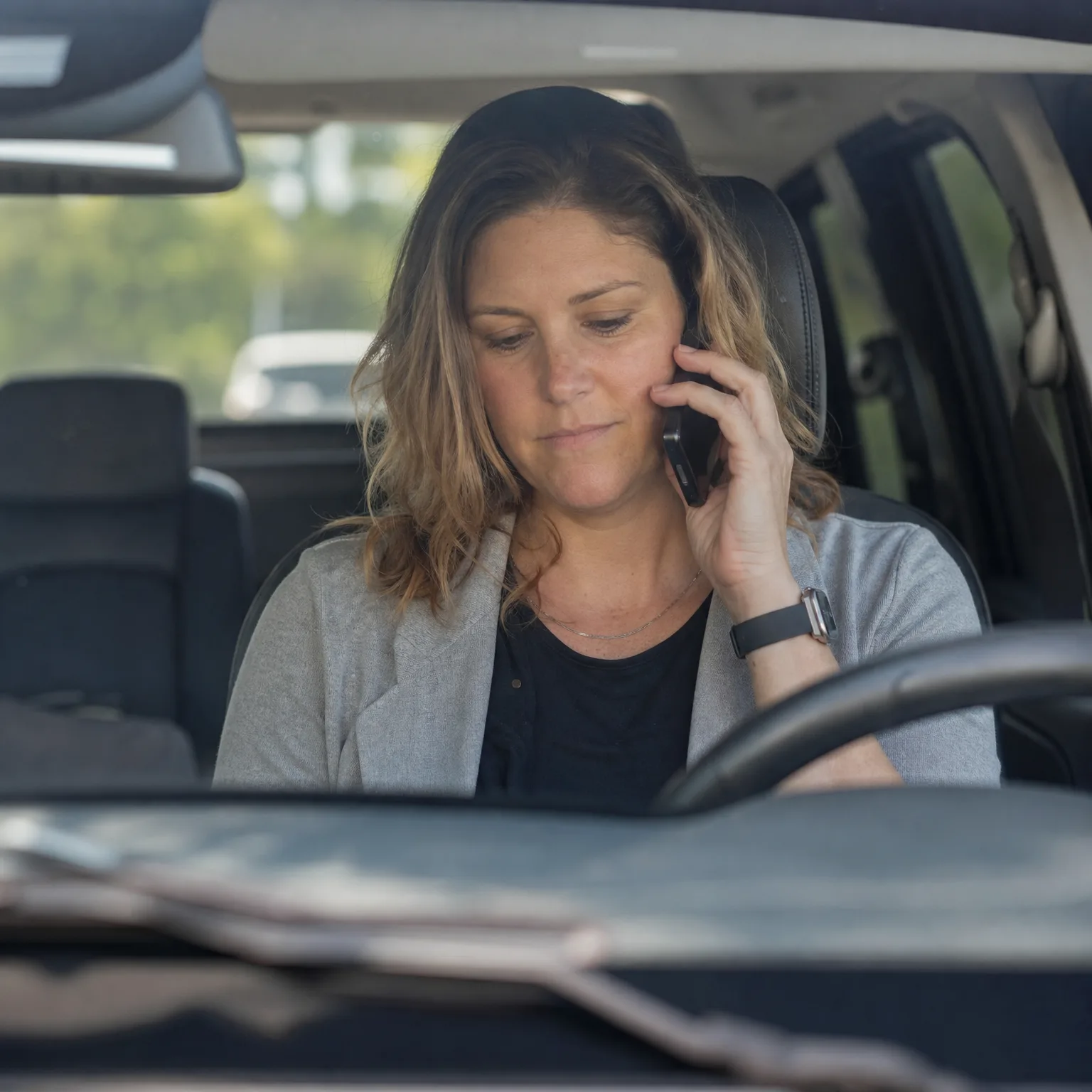
Start by identifying which carriers write non-owner SR-22 in your state. If you're in a state where The General operates, request a quote online or by phone — they accept DUI violations and can bind coverage quickly. If you're in a state with Acceptance, Direct Auto, or Bristol West locations, call or visit in person. Many of these carriers don't offer full online quoting for high-risk non-owner policies, so expect to provide information over the phone: your driver's license number, DUI conviction date, SR-22 filing state, and current address.
If voluntary market carriers decline you, contact your state's assigned risk program. Most states require you to apply through a licensed agent — you cannot apply directly to the program. The agent submits your application, and the program assigns you to a participating carrier. Processing times vary, but most assigned risk applications are reviewed within 7 to 14 business days. Once approved, the assigned carrier issues your policy and files your SR-22 certificate with the state.
Be prepared to pay your first month's premium and SR-22 filing fee upfront. Most non-standard carriers require full payment to bind coverage, and SR-22 filing is not processed until payment clears. Once filed, your SR-22 certificate is transmitted to your state's DMV or licensing authority, usually within 24 to 72 hours. Confirm with your carrier that the SR-22 has been filed — do not assume it's automatic. If your license is suspended, the SR-22 filing is often the final requirement for reinstatement, so timing matters.
When You Can Drop Non-Owner SR-22 and What Happens Next
You must maintain continuous SR-22 coverage for the full filing period required by your state — typically three years after a DUI. If your policy lapses or is canceled for non-payment, your carrier is required to notify the state, and your license will be suspended again. Reinstatement after an SR-22 lapse often requires paying a reinstatement fee ($50 to $250 depending on the state), re-filing SR-22, and restarting the clock on your filing period in some states.
Once your SR-22 filing period ends, the requirement is lifted, and you can shop for standard insurance or drop non-owner coverage entirely if you still don't own a vehicle. The DUI conviction remains on your driving record for three to ten years depending on your state, but it no longer triggers mandatory SR-22 filing. Carriers will still see the DUI when they pull your motor vehicle record, and it will continue to affect your rates, but the impact decreases each year. Most carriers reduce DUI surcharges significantly after the three-year mark, and some drop them entirely after five years.
If you purchase a vehicle during your SR-22 filing period, you must switch from a non-owner policy to a standard auto policy with SR-22 endorsement. Notify your carrier immediately — driving a vehicle you own while insured under a non-owner policy voids your coverage. Your carrier can usually convert your policy or issue a new one with SR-22 filing transferred to the owned vehicle. The SR-22 filing period does not restart when you switch policy types, as long as coverage remains continuous. compare high-risk quotes
Related Articles
Does SR-22 Cover My Teen Driver? What Parents Need to Know
5/18/2026
Switch Non-Owner SR-22 to Regular Policy | Timeline
4/2/2026
File SR-22 the Same Day Your Suspension Starts
5/18/2026

SR-22 and Deferred Prosecution: Filing Requirements
5/18/2026

SR-22 and MADD Victim Impact Panels After a DUI
5/18/2026
SR-22 & Florida JUA: Assigned-Risk Pool Explained
5/18/2026