
Non-Owner SR-22 After a Second DUI: Coverage Options
Free to compare
Why Non-Owner SR-22 Exists for Second DUI Drivers
A second DUI puts you in the highest-risk tier for insurers. Your license is likely suspended for 1–2 years depending on state law, and when reinstated, you'll face a mandatory SR-22 filing period of 3–5 years in most states. If you don't own a vehicle during this period — whether because your car was impounded, sold, or you're relying on public transit — a non-owner SR-22 policy fulfills your state's continuous coverage requirement without insuring a vehicle you don't drive.
Non-owner policies provide liability coverage when you drive someone else's car occasionally. They don't cover a vehicle you own, lease, or regularly use. For drivers rebuilding after a second DUI, this distinction matters: non-owner SR-22 premiums typically run $300–$700 per year, compared to $2,000–$5,000 annually for a standard SR-22 policy on an owned vehicle with a second DUI on record.
The filing itself costs $15–$50 depending on your state, paid once at policy inception and again at each renewal. Your insurer electronically files the SR-22 certificate with your state DMV, proving you carry at least the minimum liability coverage required by law. If your policy lapses for any reason — missed payment, cancellation, non-renewal — the insurer notifies the DMV within 24 hours, and your license is suspended again immediately in most states.

Which Carriers Write Non-Owner SR-22 After a Second DUI
Standard carriers — State Farm, Geico, Progressive's standard-tier products — will not write you after a second DUI. You're relegated to non-standard or high-risk carriers, and not all of them offer non-owner policies. The most consistent national writers for second-DUI non-owner SR-22 coverage include The General, Direct Auto, and Acceptance Insurance. Regional availability varies: some states have local high-risk carriers that write non-owner policies, while others rely entirely on assigned risk pools.
Assigned risk plans — state-mandated programs that guarantee coverage to drivers no voluntary carrier will accept — exist in most states but rarely offer non-owner policies. If your state's assigned risk pool doesn't provide non-owner options, you may be forced to list yourself on someone else's policy as a driver, which dramatically increases their premium and often creates family friction.
Carrier appetite changes frequently. A carrier writing second-DUI business in your state this year may exit that segment next year, or tighten underwriting to exclude drivers with violations in the past 24 months. This is why shopping annually is essential: the carrier that quoted you $1,200 last year may no longer offer coverage, while a new entrant may quote $600 for identical limits.

What Non-Owner SR-22 Policies Actually Cover
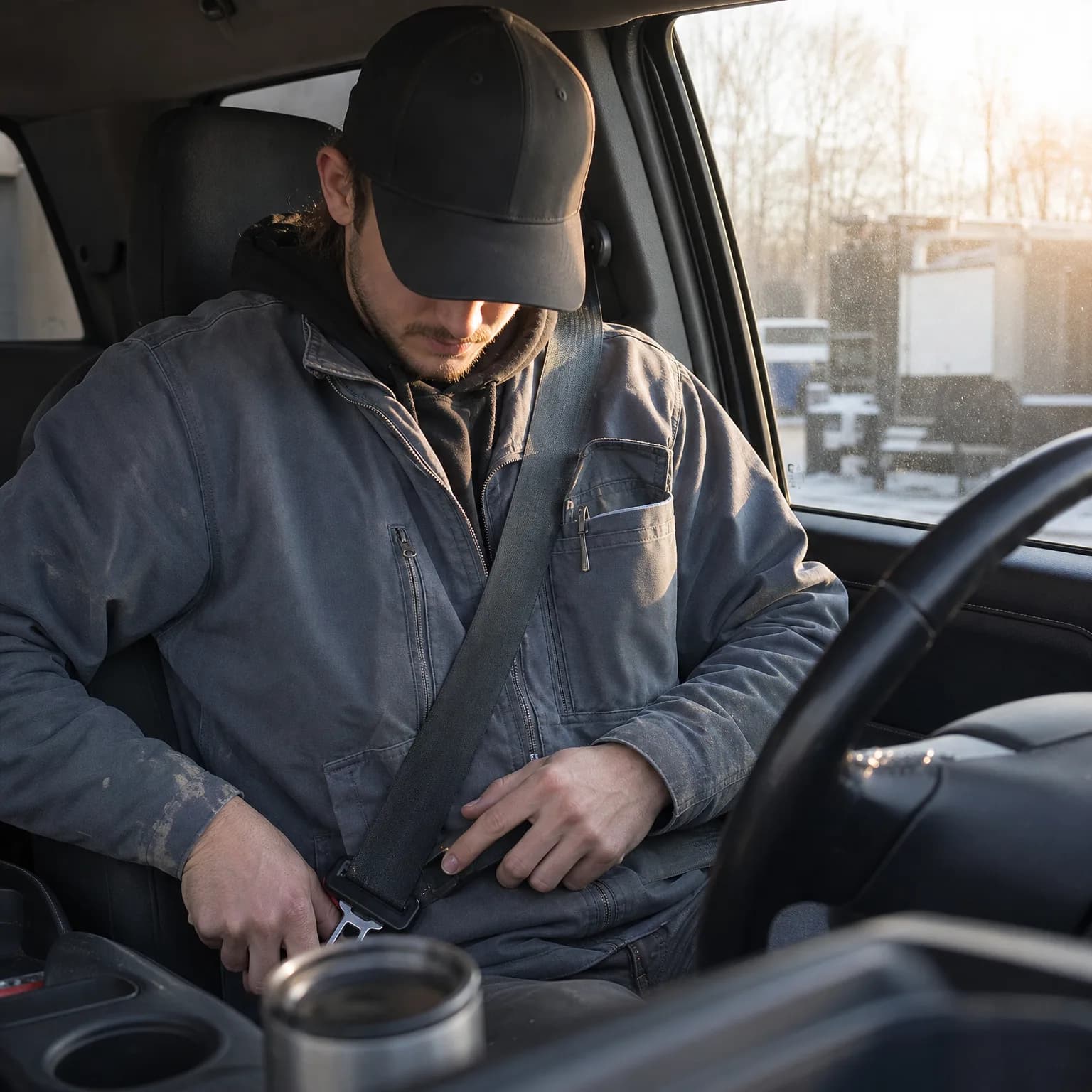
A non-owner SR-22 policy provides liability coverage only — bodily injury and property damage you cause while driving a vehicle you don't own. It does not include collision, comprehensive, uninsured motorist, or any physical damage coverage for the vehicle itself. Minimum liability limits vary by state, but typical required minimums are 25/50/25 (\$25,000 bodily injury per person, \$50,000 per accident, \$25,000 property damage).
If you borrow a friend's car and cause an accident, your non-owner policy acts as secondary coverage. The vehicle owner's insurance pays first, up to their policy limits. Your non-owner policy covers any excess liability beyond that. If the owner has no coverage or insufficient limits, your policy becomes primary. This layering matters: if you cause \$100,000 in damages and the owner's policy caps at \$50,000, your non-owner policy covers the remaining \$50,000 — assuming you carry limits high enough.
Most high-risk carriers require you to carry higher-than-minimum limits if you have a second DUI. Expect to be quoted 50/100/50 or 100/300/100 limits, which increases your premium but reduces your exposure if you cause a serious accident. Declining higher limits may result in the carrier refusing to write you at all.
How Much Non-Owner SR-22 Costs After a Second DUI
National averages for non-owner SR-22 policies after a second DUI range from $50–$120 per month, or roughly $600–$1,440 annually. This assumes minimum state liability limits and no additional violations in the past 12 months. Add a recent at-fault accident or a third moving violation, and premiums climb to $150–$200 per month.
Your rate depends on five factors: your state's minimum liability requirements, time since your second DUI, whether you completed an alcohol treatment program, your age, and your payment method. Paying in full saves 5–10% compared to monthly installments, but most second-DUI drivers can't access lump-sum discounts due to cash flow constraints. Carriers know this and structure pricing accordingly.
Rates drop as your DUI ages off your insurance record. Most carriers surcharge a second DUI for 5–7 years, even if your state only requires SR-22 filing for 3 years. Expect your premium to decrease by 15–25% at the 3-year mark, another 20–30% at year 5, and normalize to high-risk baseline rates (still 40–60% above clean-record pricing) by year 7. Some carriers offer early policy reviews if you complete a defensive driving course or maintain 12 consecutive months of on-time payments.

Stay Covered While You Drive Borrowed Cars
Find Coverage After Violations
Getting Licensed Again: Timing and SR-22 Filing
Your license suspension after a second DUI typically lasts 1–2 years, but reinstatement isn't automatic. You must complete all court-ordered requirements — fines, alcohol education or treatment, ignition interlock device installation if mandated — before applying for reinstatement. Most states require proof of SR-22 filing at the reinstatement hearing or DMV appointment. You cannot file an SR-22 without an active insurance policy, which means you must purchase non-owner coverage before your reinstatement date.
The safest sequence: purchase your non-owner SR-22 policy 7–10 days before your reinstatement appointment. This gives your insurer time to file the SR-22 electronically and allows the DMV's systems to register the filing before your hearing. Showing up without proof of filing — even if your policy is active — results in denial and requires rescheduling, which delays reinstatement by weeks in busy DMV jurisdictions.
Once reinstated, your SR-22 filing must remain continuous for the full required period. Most states mandate 3 years from your reinstatement date, not your conviction date. A single day of lapse — whether from a missed payment, carrier non-renewal, or policy cancellation — resets the clock in some states, requiring you to restart the 3-year filing period from zero. Confirm your state's lapse penalty rules with your DMV before assuming you can recover from a brief gap.
What Happens If You Buy a Car During Your SR-22 Period
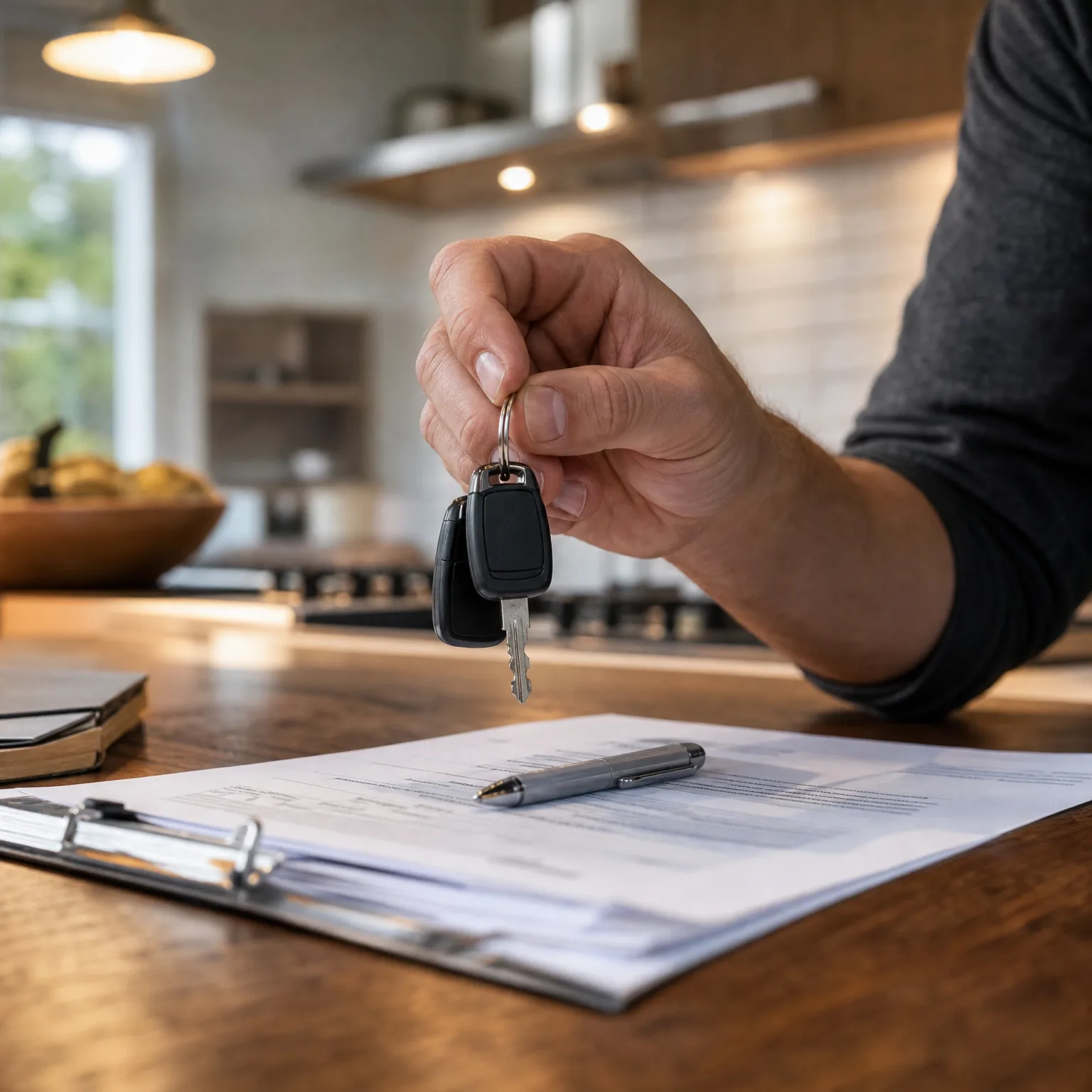
If you purchase a vehicle while carrying a non-owner SR-22 policy, you must immediately switch to a standard SR-22 auto policy covering that vehicle. Non-owner policies explicitly exclude vehicles you own, lease, or have regular access to. Driving your newly purchased car under a non-owner policy leaves you uninsured, and any accident will result in denied claims and immediate license suspension for driving without coverage.
Notify your insurer the day you take possession of the vehicle. Most high-risk carriers allow you to convert your non-owner policy to a standard policy mid-term, transferring your SR-22 filing without a lapse. Expect your premium to triple or quadruple: a $600/year non-owner policy becomes a $2,000–$3,000 standard policy once a vehicle is added, even for minimum liability coverage on an older car.
Some drivers attempt to avoid this by registering the vehicle in someone else's name and continuing their non-owner policy. This is insurance fraud. If you're the primary driver of a vehicle titled to your spouse, parent, or friend, and you claim non-owner status to save money, your carrier will deny any claims and report the fraud to your state DMV. The reinstatement process you just completed gets reversed, and you start over from suspension.
Shopping for Non-Owner SR-22 Coverage Now
Start with high-risk specialists, not standard-market comparison sites. Generic aggregators like Geico's quote tool will decline you outright after a second DUI. Focus on carriers and brokers that explicitly advertise SR-22 and high-risk driver coverage: The General, Acceptance, Direct Auto, and regional brokers who contract with multiple non-standard carriers.
Request quotes from at least three carriers. Premium variance for identical coverage can exceed 50% — one carrier may quote $80/month while another quotes $140 for the same 25/50/25 limits. Underwriting appetite shifts constantly, and the carrier that declined you six months ago may now write second-DUI business in your state due to internal policy changes.
Be prepared to provide documentation: your SR-22 requirement letter from the DMV, proof of completion for any court-ordered programs, and your driver's license number. Most high-risk carriers require a down payment of 20–30% of your annual premium to bind coverage, with the balance spread over monthly installments. Avoid carriers offering "instant SR-22 filing" without verifying your license status — these are often unlicensed operators selling fraudulent certificates that won't satisfy your state's DMV.
Frequently Asked Questions
Can I get non-owner SR-22 insurance with two DUIs?
Yes, but only through high-risk or non-standard carriers. Standard insurers won't write you after a second DUI. Expect to pay $50–$120 per month for minimum liability coverage, and be prepared for some carriers to decline you entirely depending on how recent your second offense was.
How long do I need SR-22 after a second DUI?
Most states require 3–5 years of continuous SR-22 filing after a second DUI, measured from your license reinstatement date. Any lapse in coverage during this period can reset the clock in some states, forcing you to restart the filing period from zero.
What if I can't find a carrier for non-owner SR-22 after my second DUI?
If no voluntary carrier will write you, check whether your state's assigned risk pool offers non-owner policies. If not, your only option may be listing yourself as a driver on a family member's policy, which will significantly increase their premium.
Does a non-owner SR-22 policy cover me if I borrow a car?
Yes, but only as secondary coverage. The vehicle owner's insurance pays first. Your non-owner policy covers liability beyond the owner's limits, or acts as primary coverage if the owner has no insurance.
Will my non-owner SR-22 rate go down over time?
Yes. Expect a 15–25% decrease around the 3-year mark after your second DUI, and another 20–30% reduction at year 5. Full normalization to high-risk baseline rates typically occurs 7 years after the offense, though you'll still pay more than drivers with clean records.
Related Articles
Does SR-22 Cover My Teen Driver? What Parents Need to Know
5/18/2026
Switch Non-Owner SR-22 to Regular Policy | Timeline
4/2/2026

File SR-22 the Same Day Your Suspension Starts
5/18/2026

SR-22 and Deferred Prosecution: Filing Requirements
5/18/2026

SR-22 and MADD Victim Impact Panels After a DUI
5/18/2026

SR-22 & Florida JUA: Assigned-Risk Pool Explained
5/18/2026