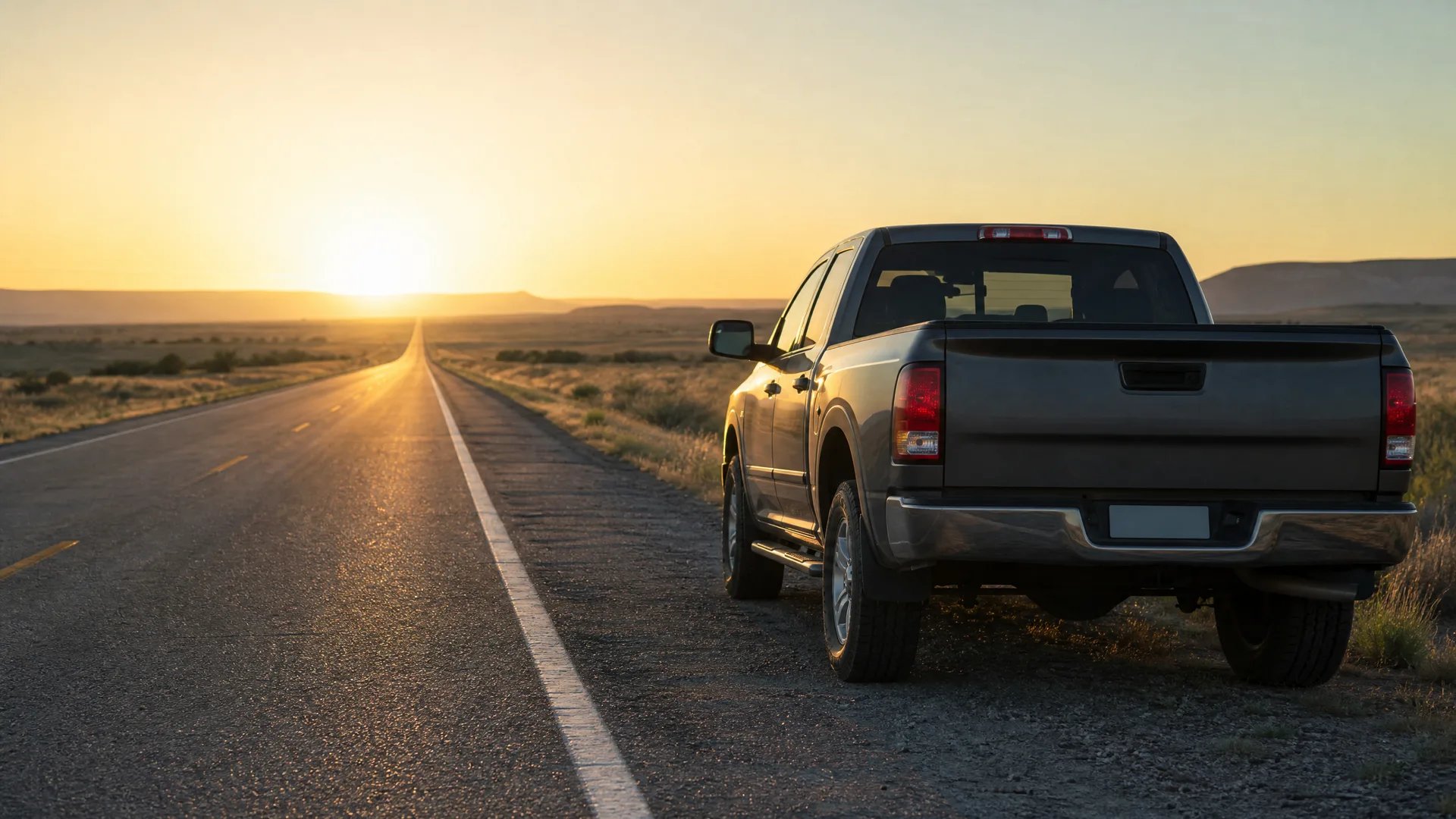
Non-Owner SR-22 for Public Transportation Users: What You Need
Free to compare
Why Non-Owner SR-22 Exists and Who It's Built For
Non-owner SR-22 policies were created for drivers who need to maintain proof of financial responsibility but don't own a vehicle. If you lost your license after a DUI, multiple violations, or an at-fault accident and now rely on public transportation, rideshares, or borrowed vehicles, this is the product designed for your situation. The policy doesn't cover a specific car — it covers you as a driver when you operate any vehicle you don't own.
Most states require continuous liability coverage during your SR-22 filing period, even if you never drive. Non-owner policies satisfy this requirement at a fraction of the cost of standard auto insurance. The median monthly premium for non-owner SR-22 coverage ranges from $30 to $60 per month for minimum state liability limits, compared to $150 to $300+ per month for a standard SR-22 policy tied to a vehicle.
This coverage is mandatory if you want your license reinstated but optional if you're content staying unlicensed. However, letting your SR-22 lapse — even if you're not driving — triggers a new suspension in most states and restarts your filing clock. Non-owner policies prevent that reset and keep your path to reinstatement on track. SR-22 insurance

What Non-Owner SR-22 Policies Cover and What They Don't
A non-owner SR-22 policy provides liability-only coverage when you drive a vehicle you don't own and don't have regular access to. This includes rentals, borrowed cars from friends or family, and occasionally employer-provided vehicles, depending on the carrier's underwriting rules. The policy pays for injuries or property damage you cause to others, up to your selected limits — typically your state's minimum requirements, such as 25/50/25 in many states.
Non-owner policies do not cover damage to the vehicle you're driving, your own injuries, or vehicles you own, lease, or have regular access to. If you live with a family member who owns a car and you're listed on their registration or drive it more than once a month, most carriers will deny a non-owner application and require you to be added to that vehicle's policy instead. If you rent a car frequently, you'll still need to purchase the rental agency's collision damage waiver — your non-owner policy won't cover the rental vehicle itself.
The SR-22 certificate attached to the policy is filed electronically with your state's DMV or Department of Public Safety. The filing itself typically costs $15 to $50 as a one-time fee, depending on your state and carrier. The certificate confirms you're carrying the state-mandated liability limits and remains active as long as your policy stays in force. If you cancel or miss a payment, the insurer notifies the DMV within 24 to 72 hours, and your license is suspended again.

How Much Non-Owner SR-22 Costs by Violation Type
Non-owner SR-22 premiums are risk-adjusted based on the violation that triggered your filing requirement. A DUI conviction typically results in the highest rates, with non-owner policies averaging $50 to $90 per month for state minimum liability limits in the first year after the conviction. Multiple at-fault accidents or serious moving violations — such as reckless driving or driving on a suspended license — typically fall in the $40 to $70 per month range.
Drivers required to file SR-22 due to a lapse in coverage or a single minor violation generally see lower premiums, often $30 to $50 per month. Your rate also depends on your age, ZIP code, and how long your violation has been on record. Rates typically decline 10–20% each year your record stays clean, and most states allow you to drop the SR-22 filing after three years, though California and some other states require it for longer periods depending on the violation.
Some high-risk carriers specialize in non-owner SR-22 policies and offer lower rates than standard insurers. Progressive, The General, Direct Auto, and Acceptance Insurance consistently write non-owner SR-22 coverage for high-risk drivers. Regional carriers and state-assigned risk pools may also offer coverage if you've been declined by multiple insurers. Comparing quotes from at least three carriers can reduce your premium by 20–40%, as rate spreads for non-owner SR-22 policies are wider than standard auto insurance.
Stay Covered While You Drive Borrowed Cars
Find Coverage After ViolationsHow to Apply for Non-Owner SR-22 Coverage
Start by confirming your SR-22 filing period and required liability limits with your state DMV or the court that issued your suspension. Most states require SR-22 for three years, but some — like Florida for certain DUI cases — require it for up to five years. You'll need this information when you request quotes, as carriers need to know your filing end date and whether you're subject to hardship license restrictions.
When you apply, you'll provide your driver's license number, the violation date and type, your current address, and confirmation that you don't own or have regular access to a vehicle. Be prepared to answer questions about household members who own cars — if you live with someone who has a registered vehicle, most carriers will ask if you're listed on their policy or excluded as a driver. Misrepresenting vehicle access is the most common reason non-owner SR-22 claims are denied.
Once approved, the carrier files the SR-22 certificate electronically with your state DMV, usually within 24 to 48 hours. You'll receive a copy of the certificate by email or mail. Some states require you to submit additional reinstatement paperwork or pay a license reinstatement fee — often $50 to $200 — before your driving privileges are restored. Check your state DMV's reinstatement checklist to confirm all steps are complete before you drive.

What Happens If You Start Driving a Car You Own
If you purchase or lease a vehicle while holding a non-owner SR-22 policy, you must notify your insurer immediately and convert to a standard auto policy with SR-22 filing. Non-owner policies explicitly exclude vehicles you own, and any claim involving a vehicle registered in your name will be denied. Most carriers allow you to transition your non-owner policy to a standard policy without rewriting the SR-22, but your premium will increase significantly — typically 150–250% — because the insurer is now covering a specific vehicle and its associated risk.
If you're added as a driver to someone else's policy — such as a spouse or parent — you may be able to transfer your SR-22 filing to that policy, depending on your state's rules and the carrier's underwriting guidelines. Some states allow joint SR-22 filings, where your certificate is attached to another person's policy as long as you're a listed driver. Other states require you to be the named insured on the policy that holds the SR-22, which means you'd need your own separate policy even if you're also listed on a household policy.
If you stop driving entirely and no longer need your license reinstated, you can cancel your non-owner SR-22 policy — but doing so will immediately suspend your license again and restart your filing clock. If you're close to completing your required filing period, it's usually worth maintaining the policy even if you're not driving, as canceling and restarting later adds months or years to your total SR-22 obligation.

Finding Carriers That Write Non-Owner SR-22 Policies
Not all insurers offer non-owner SR-22 coverage, and many standard carriers — such as State Farm, Allstate, and USAA — either don't write non-owner policies at all or decline applicants with recent high-risk violations. Carriers that specialize in high-risk or non-standard auto insurance are your best options. Progressive writes non-owner SR-22 policies in most states and often offers competitive rates for drivers with DUIs or suspensions. The General, Acceptance Insurance, Direct Auto, and Bristol West also write non-owner SR-22 coverage and have underwriting guidelines designed for drivers with violations.
Some states maintain assigned risk plans or state pools that guarantee coverage for drivers who can't find a willing insurer. If you've been declined by three or more carriers, contact your state's Department of Insurance to ask about assigned risk options. Premiums in assigned risk plans are typically 20–50% higher than voluntary market rates, but they ensure you can meet your SR-22 filing requirement and reinstate your license.
Using a high-risk insurance comparison tool that includes non-owner SR-22 options can save you time and reduce your premium. Many drivers don't realize non-owner policies exist and end up purchasing coverage on a family member's vehicle or paying for a policy on a car they sold — both of which cost significantly more than a non-owner policy designed for their actual situation. compare high-risk quotes
Frequently Asked Questions
Can I get non-owner SR-22 if I live with someone who owns a car?
Yes, but only if you're not a regular driver of that vehicle and you're either listed as an excluded driver on their policy or confirmed as having no access to it. Most carriers will require documentation or a statement confirming you don't drive the household vehicle more than occasionally.
Does non-owner SR-22 cover me if I rent a car?
It provides liability coverage when you drive a rental, but it won't cover damage to the rental vehicle itself. You'll still need to purchase the rental agency's collision damage waiver or use a credit card that offers rental car coverage.
What happens to my non-owner SR-22 if I move to a different state?
You'll need to cancel your current policy and purchase a new non-owner SR-22 policy in your new state, as SR-22 filings are state-specific. Your filing period may also change depending on your new state's requirements.
How long do I need to keep non-owner SR-22 insurance?
Your SR-22 filing period is set by your state DMV or the court that ordered it, typically three years from the date of reinstatement. You must maintain continuous coverage for the entire period — any lapse restarts the clock in most states.
Can I drop my non-owner SR-22 policy if I stop driving completely?
Yes, but canceling the policy will immediately suspend your license again and restart your SR-22 filing period. If you're close to completing your required filing period, it's usually worth maintaining the policy even if you're not driving.
Related Articles
Does SR-22 Cover My Teen Driver? What Parents Need to Know
5/18/2026

Switch Non-Owner SR-22 to Regular Policy | Timeline
4/2/2026

File SR-22 the Same Day Your Suspension Starts
5/18/2026
SR-22 and Deferred Prosecution: Filing Requirements
5/18/2026

SR-22 and MADD Victim Impact Panels After a DUI
5/18/2026

SR-22 & Florida JUA: Assigned-Risk Pool Explained
5/18/2026