
Non-Owner SR-22 in Arizona: Filing Rules & Cheapest Carriers
Free to compare
When Arizona Requires Non-Owner SR-22 Filing
Arizona Motor Vehicle Division mandates SR-22 filing after specific license actions: DUI conviction, suspended license reinstatement, at-fault accident without insurance, reckless driving conviction, or accumulating 8 points in 12 months. If you don't own a vehicle but need to reinstate your license or maintain driving privileges, you're required to file a non-owner SR-22 policy showing continuous liability coverage.
The filing requirement lasts three years from your reinstatement date or conviction date, depending on the triggering event. Arizona MVD tracks your filing electronically — if your insurer cancels the policy or you let it lapse, MVD receives an SR-26 cancellation notice within 24 hours and will suspend your license again. There's no grace period for lapses.
Non-owner SR-22 applies specifically to drivers who don't have regular access to a vehicle. If you live with a vehicle owner or drive a household member's car regularly, Arizona expects you to be listed on that vehicle's policy with SR-22 endorsement instead. The distinction matters because non-owner policies exclude vehicles you own, co-own, or are titled to your household. SR-22 insurance non-standard auto insurance
What Arizona Non-Owner SR-22 Policies Actually Cover
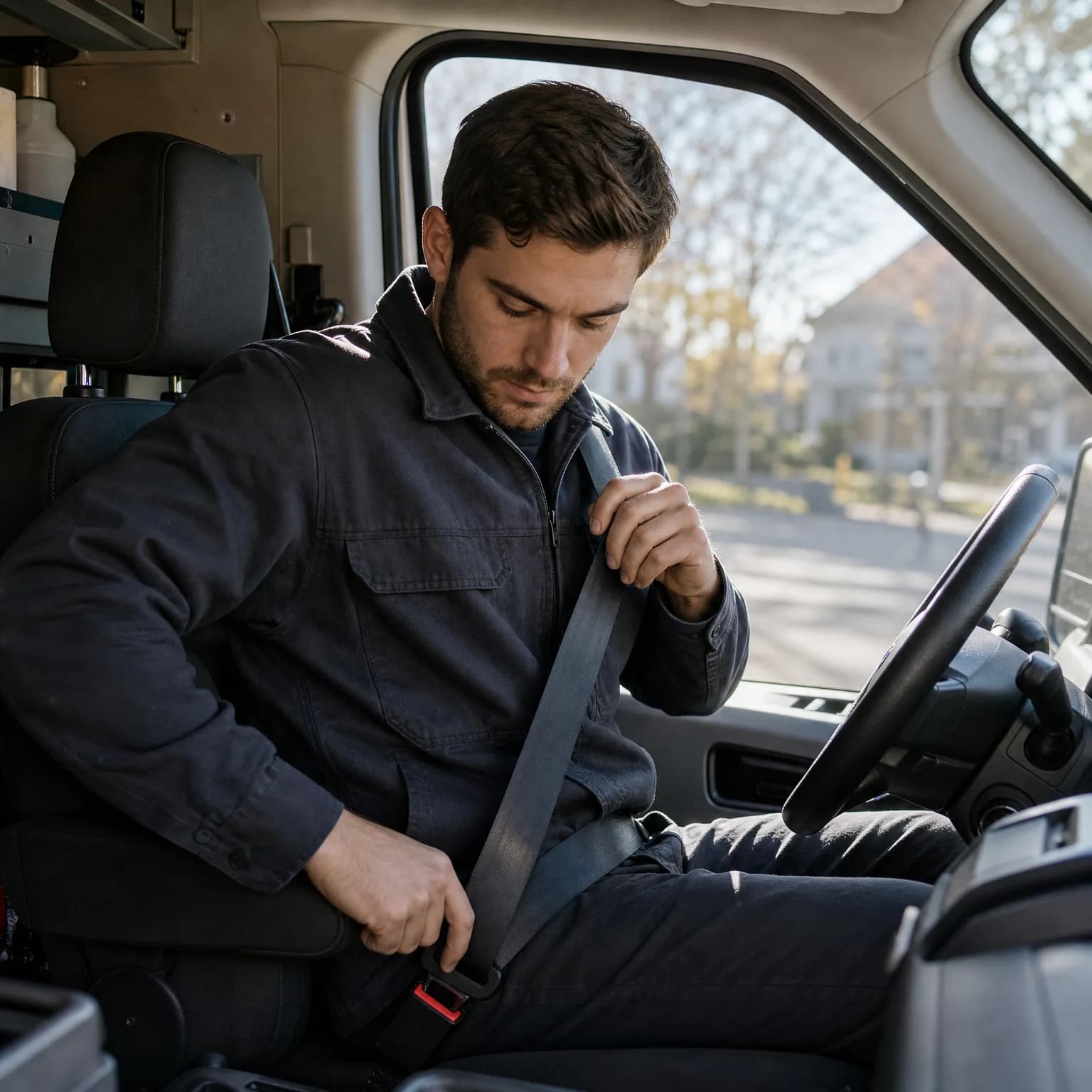
A non-owner SR-22 policy in Arizona provides liability coverage when you drive a borrowed or rented vehicle. Arizona's minimum liability limits are 25/50/15: $25,000 bodily injury per person, $50,000 per accident, and $15,000 property damage. Your non-owner policy covers you up to these limits (or higher if you purchase increased coverage) when you're at fault in an accident.
The policy does not cover vehicles you own, vehicles registered to your household, vehicles you use regularly for work, or vehicles you rent for more than 30 days. It also doesn't provide comprehensive or collision coverage — those coverages require an owned vehicle. If you borrow a friend's car and cause an accident, your non-owner policy pays after the vehicle owner's insurance limits are exhausted.
Most carriers writing non-owner SR-22 in Arizona require you to carry higher-than-minimum limits if you have a DUI or multiple violations. Expect minimum offers of 50/100/25 or 100/300/50 from high-risk carriers, which increases your annual premium by $100–$200 but reduces your out-of-pocket exposure in a serious accident.

Arizona Non-Owner SR-22 Filing Process and Costs
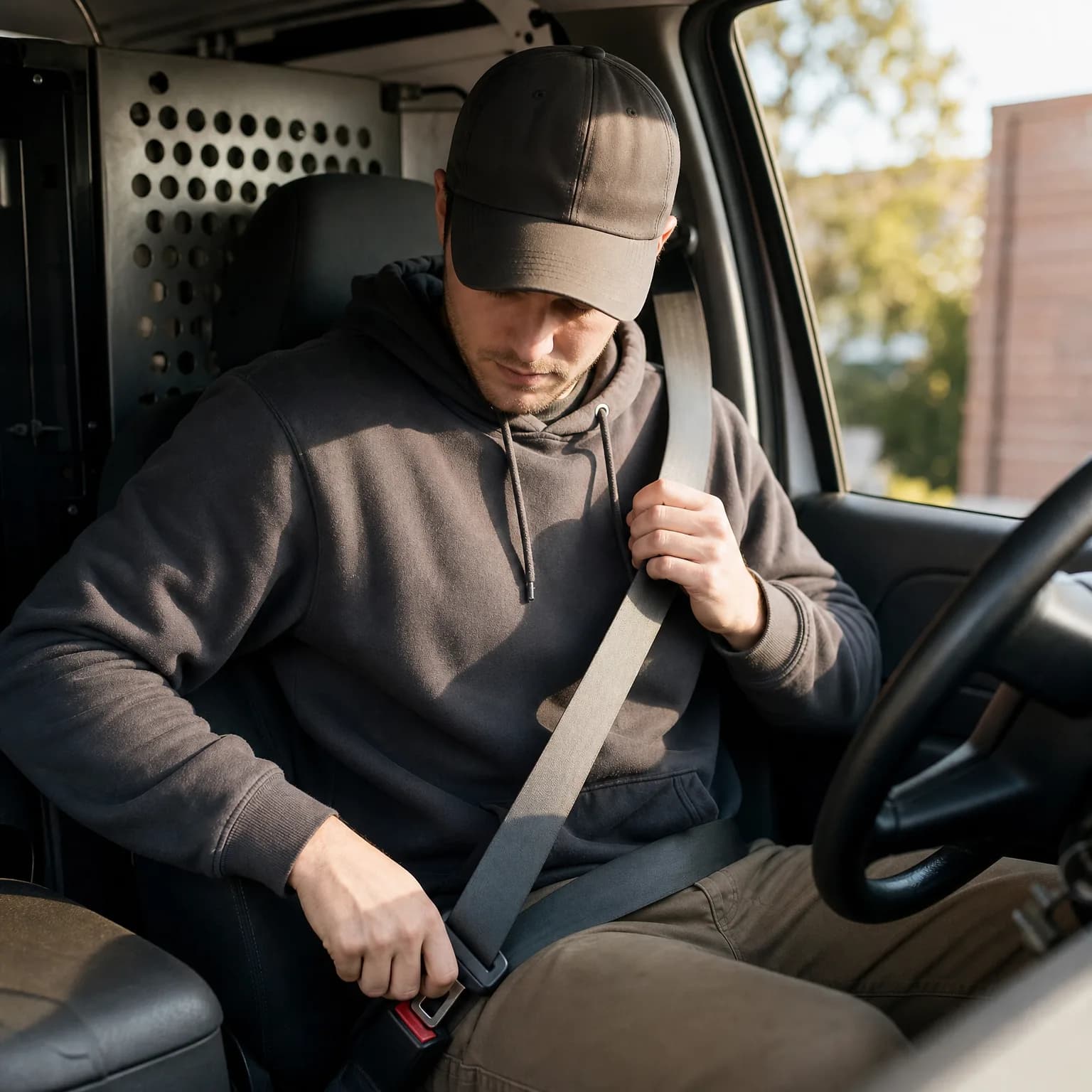
Arizona MVD does not charge a separate SR-22 filing fee — the $15–$50 cost comes from your insurance carrier, who files the SR-22 certificate electronically with MVD on your behalf. You'll also pay MVD's standard reinstatement fee, which ranges from $10 for a minor suspension to $50 for DUI-related reinstatements, plus any traffic survival school fees or ignition interlock requirements tied to your violation.
Once you purchase a non-owner SR-22 policy, your carrier files the certificate with Arizona MVD within 24–72 hours. MVD processes the filing and updates your license status, typically within 5–10 business days. You can check your filing status through Arizona MVD's online portal or by calling their reinstatement unit directly.
If you move out of Arizona during your three-year filing period, you must maintain continuous SR-22 coverage in your new state or risk Arizona MVD suspending your privilege to drive in Arizona. Most carriers will transfer your policy to another state, but some non-standard insurers operate in limited regions and will cancel your policy instead — triggering an automatic suspension notice to Arizona.
Cheapest Carriers Writing Non-Owner SR-22 in Arizona
Four carriers dominate Arizona's non-owner SR-22 market for high-risk drivers: The General, Progressive, Dairyland, and National General. Monthly premiums range from $25–$65 depending on your violation type, age, and coverage limits. The General and Dairyland typically offer the lowest rates for DUI profiles, while Progressive writes more competitive pricing for suspended license or point accumulation cases without alcohol involvement.
Bristol West and Kemper also write non-owner SR-22 in Arizona but typically quote 20–40% higher than the four primary carriers. GEICO and State Farm write non-owner policies in Arizona but frequently decline SR-22 endorsements for DUI convictions or multiple violations — you'll receive a quote, but underwriting rejects it during the binding process.
Rate differences between carriers are significant. A 32-year-old male with a DUI and clean record otherwise might pay $35/month with Dairyland, $42/month with The General, $50/month with Progressive, and $63/month with National General for identical 50/100/25 limits. Rates drop 15–25% after your first year if you maintain continuous coverage without additional violations.

Stay Covered While You Drive Borrowed Cars
Find Coverage After Violations
How Violation Type Affects Non-Owner SR-22 Pricing
Arizona carriers tier non-owner SR-22 rates based on the violation that triggered your requirement. A first-offense DUI with BAC below 0.15% typically increases your base non-owner premium by 80–120% compared to a non-SR-22 profile. Extreme DUI (BAC 0.15% or higher) adds another 30–50% surcharge on top of that base increase, and a second DUI within seven years makes you uninsurable with most standard non-owner carriers.
Suspended license for point accumulation or failure to pay tickets carries a smaller surcharge — usually 40–60% over base rates. At-fault accidents without insurance trigger 60–90% increases. Reckless driving alone sits in the middle at 50–70%. These surcharges stack: if you have a DUI and a suspended license from point accumulation, carriers treat you as the higher-risk category and may add an additional 10–20% for multiple infractions.
Carriers also factor your age and gender into SR-22 pricing more heavily than standard policies. Male drivers under 25 with DUI violations pay 40–60% more than drivers over 30 with identical records. Female drivers receive 10–15% lower rates across all violation categories in Arizona's non-owner SR-22 market, though the gap narrows after age 30.

How Long You'll Actually Pay SR-22 Rates in Arizona
Arizona requires three years of continuous SR-22 filing from your conviction or reinstatement date. Your rates won't drop immediately when the filing requirement ends, but most carriers reduce your premium by 20–30% once the SR-22 comes off your policy. The violation itself remains on your MVD record for 3–5 years depending on severity, and insurers typically surcharge DUIs for five years and other major violations for three years.
If you maintain a clean record during your SR-22 period — no lapses, no new tickets, no accidents — expect your rates to decrease in stages: 10–15% after year one, another 10–15% after year two, then the SR-22 removal discount in year three. By year five, you'll typically qualify for standard insurance again if your record stays clean, though DUI convictions may still appear on background checks for employment or housing.
Lapsing your SR-22 coverage restarts the entire three-year requirement in Arizona. If you're two years into your filing period and your policy cancels, MVD suspends your license immediately and requires you to refile SR-22 and serve a new three-year period from the reinstatement date. This is the single most expensive mistake SR-22 drivers make — a one-day lapse costs you three additional years of high-risk premiums.
Getting Covered with Non-Owner SR-22 in Arizona Now
Most high-risk carriers in Arizona issue non-owner SR-22 policies within 24 hours if you apply online or by phone. You'll need your driver license number, the date of your violation or suspension, and confirmation that you don't own a vehicle. Carriers verify your MVD record electronically, so discrepancies between what you report and what appears on your record will delay or reject your application.
Pay your first month's premium at binding to activate coverage immediately — carriers won't file your SR-22 until payment clears. Once filed, Arizona MVD typically updates your license status within 5–10 business days, though reinstatements tied to DUI convictions may take longer if you're completing alcohol counseling or ignition interlock requirements simultaneously.
Compare quotes from at least three carriers before binding coverage. Rate differences of $20–$40/month are common for identical coverage, and the cheapest carrier for your profile depends on your specific violation mix, age, and location. Non-owner SR-22 is a commodity product — the coverage is identical across carriers, so the only variable that matters is price and the carrier's reliability in maintaining your filing with Arizona MVD for the full three years. compare high-risk quotes
Frequently Asked Questions
Can I get non-owner SR-22 in Arizona if I have two DUIs?
Most standard non-owner SR-22 carriers in Arizona decline second DUI offenses within seven years. The General and Dairyland occasionally write second-offense DUI policies, but expect premiums 150–200% higher than first-offense rates. You may need to contact a high-risk specialist broker to find coverage.
What happens if my non-owner SR-22 lapses in Arizona?
Arizona MVD suspends your license immediately when your carrier files an SR-26 cancellation notice — typically within 24 hours of your policy lapsing. You must purchase new coverage, refile SR-22, pay reinstatement fees, and restart your full three-year filing period from the new reinstatement date.
Do I need non-owner SR-22 if I don't drive anymore?
Yes, if Arizona MVD required SR-22 filing as a condition of license reinstatement or maintenance. The requirement stays in place for three years regardless of whether you're actively driving. If you don't reinstate or let your license stay suspended, you're not required to file SR-22, but you can't legally drive in Arizona during that time.
Can I use non-owner SR-22 to rent a car in Arizona?
Yes, non-owner SR-22 policies cover rental cars up to your liability limits, as long as the rental period is under 30 days. Most rental companies also require you to purchase their liability coverage or show proof of your non-owner policy before releasing the vehicle.
How much does non-owner SR-22 cost in Arizona after a DUI?
Expect to pay $300–$800/year for a non-owner SR-22 policy in Arizona after a first-offense DUI, depending on your age, BAC level, and whether you have other violations. Monthly premiums typically range from $25–$65. Extreme DUI or second offenses push annual costs to $900–$1,200 if you can find coverage.
Related Articles

Does SR-22 Cover My Teen Driver? What Parents Need to Know
5/18/2026

Switch Non-Owner SR-22 to Regular Policy | Timeline
4/2/2026

File SR-22 the Same Day Your Suspension Starts
5/18/2026

SR-22 and Deferred Prosecution: Filing Requirements
5/18/2026

SR-22 and MADD Victim Impact Panels After a DUI
5/18/2026

SR-22 & Florida JUA: Assigned-Risk Pool Explained
5/18/2026