
Non-Owner SR-22 in Colorado Without a Car: DMV Filing Steps
Free to compare
When Colorado Requires SR-22 Without Vehicle Ownership
Colorado's Division of Motor Vehicles mandates SR-22 certificates after DUI convictions, multiple violations in a short period, driving without insurance, at-fault accidents while uninsured, or accumulating excessive points leading to suspension. The SR-22 is proof you carry at least Colorado's minimum liability coverage: $25,000 bodily injury per person, $50,000 per accident, and $15,000 property damage. The state does not ask whether you own a car — it requires proof of financial responsibility tied to your driver's license, not a specific vehicle.
If you sold your car after a DUI, rely on public transit or rideshares, borrow vehicles occasionally, or use a company car for work, you still need continuous liability coverage to reinstate your license. A non-owner SR-22 policy provides that coverage for any vehicle you drive with permission, without requiring you to insure a car titled in your name. Colorado accepts non-owner SR-22 filings the same way it accepts owner filings — the DMV receives the certificate electronically, tracks the policy status, and notifies you if coverage lapses.
The filing itself is identical: your insurer submits the SR-22 form directly to the Colorado DMV, usually within 24–48 hours of purchasing the policy. The difference is the premium. Non-owner policies typically cost $300 to $600 annually for high-risk drivers with SR-22 requirements, compared to $800 to $1,800 or more for a standard auto policy with SR-22 attached. That gap exists because non-owner policies carry no collision or comprehensive coverage, no vehicle-specific risk, and lower liability exposure.

How Non-Owner SR-22 Coverage Works in Colorado
A non-owner SR-22 policy in Colorado provides secondary liability coverage when you drive a vehicle you do not own. If you borrow a friend's car and cause an accident, the vehicle owner's insurance pays first. Your non-owner policy acts as excess coverage if damages exceed the owner's limits or if the owner has no insurance. This structure keeps premiums low because the insurer's risk is limited — you're not driving the same vehicle daily, and the primary coverage usually absorbs most claims.
Colorado law does not prohibit you from having both a non-owner policy and access to vehicles owned by household members or employers, but insurers underwrite differently based on regular access. If you live with someone who owns a car and you drive it regularly, most carriers will require you to be listed on that vehicle's policy instead of issuing a standalone non-owner policy. Non-owner policies are designed for occasional drivers — people who rent cars for trips, borrow vehicles a few times a month, or use car-sharing services.
The SR-22 endorsement adds roughly $25 to $50 to your annual non-owner premium, though some carriers charge no separate SR-22 fee. The larger cost driver is your violation history. A DUI typically increases non-owner premiums by 70% to 100% compared to a driver with a clean record seeking the same coverage. Multiple violations, an at-fault accident, or a prior lapse can push rates higher. Still, non-owner SR-22 policies remain the lowest-cost option for drivers without vehicles who need to satisfy Colorado's financial responsibility requirement. SR-22 insurance non-standard auto insurance

Colorado DMV Reinstatement Process With Non-Owner SR-22
Colorado requires continuous SR-22 coverage for three years after most DUI convictions, uninsured accidents, or serious violations. The clock starts the day the DMV receives your SR-22 certificate, not the day of your conviction or suspension. If your policy lapses or cancels during the three-year period, your insurer must notify the DMV within 15 days, and Colorado suspends your license again immediately. You'll need to refile a new SR-22 and restart the monitoring period in most cases.
To reinstate your license with a non-owner SR-22, you must complete all court-ordered requirements — DUI classes, community service, ignition interlock installation if mandated, or substance abuse treatment. Then purchase a non-owner SR-22 policy from a licensed Colorado insurer, pay the reinstatement fee (typically $95 for DUI-related suspensions, $40 for other violations), and submit proof of completion for any required programs. The DMV processes reinstatements within 5 to 10 business days once all documents and fees are received.
Colorado does not require you to visit a DMV office in person for SR-22 reinstatements. Your insurer files the certificate electronically, you can pay reinstatement fees online through the Colorado DMV website, and you can upload program completion documents via the state's online portal. Once your driving privilege is restored, you must maintain continuous coverage for the full three-year period. If you buy a car during that time, you'll need to switch from a non-owner policy to a standard auto policy with SR-22 attached — your insurer can transfer the filing without resetting your three-year clock, as long as there's no gap in coverage.

Stay Covered While You Drive Borrowed Cars
Find Coverage After ViolationsWhich Carriers Write Non-Owner SR-22 in Colorado
Not all insurers offer non-owner policies, and fewer still write them for high-risk drivers with SR-22 requirements. National carriers like Progressive, GEICO, and The General actively write non-owner SR-22 policies in Colorado. State Farm and Nationwide offer non-owner coverage but often decline SR-22 endorsements for drivers with recent DUIs or multiple violations. Regional non-standard carriers including Acceptance Insurance, Direct Auto, and Bristol West typically accept high-risk profiles and file SR-22 certificates without issue.
Premiums vary significantly by carrier and violation type. A driver with a single DUI and no other violations might pay $350 to $500 annually for non-owner SR-22 coverage through Progressive or The General. A driver with a DUI plus a reckless driving charge or multiple at-fault accidents could see quotes from $600 to $900. Drivers with suspended licenses due to multiple lapses in coverage — rather than DUIs or criminal violations — often qualify for lower rates, sometimes under $400 annually.
Colorado does not maintain a residual market or assigned risk pool specifically for non-owner policies, so if you're declined by standard non-standard carriers, your options narrow quickly. In that scenario, working with an independent agent who represents multiple high-risk insurers increases your chances of finding coverage. Some drivers resort to purchasing a standard SR-22 policy on a vehicle they don't drive regularly just to meet the filing requirement, but that approach costs significantly more and provides coverage you don't need.
What Happens If You Buy a Car During Your SR-22 Period
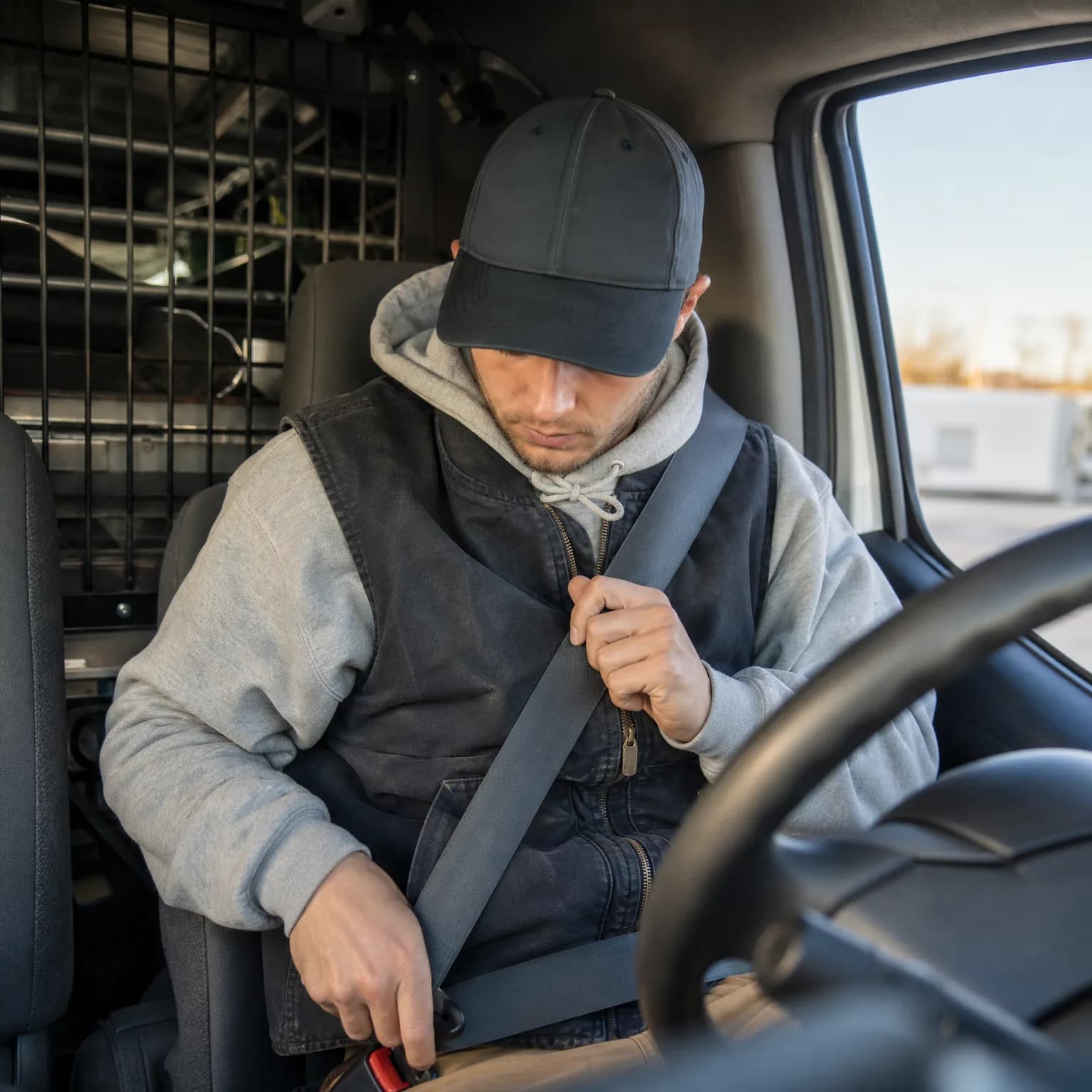
If you purchase or acquire a vehicle while you're required to maintain a non-owner SR-22 in Colorado, you must switch to a standard auto policy with SR-22 attached within 30 days. Colorado law requires all registered vehicles to carry liability coverage, and a non-owner policy does not satisfy that requirement for a car titled in your name. Your insurer can cancel your non-owner policy, issue a new standard policy, and transfer the SR-22 filing without creating a lapse — but you must initiate that change before you register the vehicle.
Failure to notify your insurer when you buy a car can result in a coverage gap if you're involved in an accident. Non-owner policies explicitly exclude vehicles owned by the policyholder or regularly available for use, so a claim involving your newly purchased car would likely be denied. That denial doesn't affect your SR-22 filing, but it leaves you personally liable for all damages, and Colorado can suspend your license again if you're found driving without proper coverage.
The cost difference is significant. A non-owner SR-22 policy that costs $400 annually could jump to $1,200 to $2,000 or more when you switch to a standard policy covering a vehicle, depending on the car's value, your coverage limits, and your driving history. If you're planning to buy a car soon, get quotes for both non-owner and standard SR-22 policies before committing, so you understand the financial impact of vehicle ownership during your high-risk period.

How Long You'll Pay High-Risk Rates and When They Drop
Colorado's three-year SR-22 requirement does not automatically reset your rates to standard levels once it ends. Insurers price policies based on your entire violation history, not just the SR-22 filing. A DUI typically remains a rating factor for five years from the conviction date, though its impact diminishes each year. After three years without additional violations, you might see premiums drop by 20% to 30%. After five years, assuming no new incidents, many drivers qualify for standard rates again.
Non-owner SR-22 policies follow the same trajectory. If you maintain continuous coverage for three years, complete your SR-22 period, and avoid new violations, your next non-owner policy renewal — now without the SR-22 requirement — could cost 40% to 50% less. Switching insurers at that point often yields better rates than staying with the same carrier, as some non-standard insurers don't actively re-rate policies when risk profiles improve.
Drivers who buy a car and switch to standard coverage before their SR-22 period ends should expect higher premiums for the full five-year window following a DUI. That standard policy will continue to reflect your violation history even after the SR-22 requirement drops off. Shopping your policy annually becomes critical during this period — rate differences between carriers for high-risk drivers can exceed 50%, and the insurer offering the best rate in year one may not be the cheapest option in year three. compare high-risk quotes
Frequently Asked Questions
Can I get non-owner SR-22 insurance in Colorado if I live with someone who owns a car?
Most insurers will decline a non-owner policy if you live with a vehicle owner and have regular access to that car. They'll require you to be listed on the household vehicle's policy instead, which costs more but provides primary coverage. If you rarely drive the household car, some carriers may still issue a non-owner policy, but expect underwriting scrutiny.
What happens if my non-owner SR-22 policy lapses in Colorado?
Colorado's DMV receives electronic notice of the lapse within 15 days and suspends your license immediately. You'll need to purchase a new non-owner SR-22 policy, pay a reinstatement fee, and in many cases restart your three-year SR-22 monitoring period from the date of the new filing. Avoid lapses by setting up automatic payments and monitoring renewal notices closely.
Does Colorado require higher liability limits for SR-22 filings than standard drivers?
No, Colorado's SR-22 requirement uses the same minimum liability limits as all drivers: $25,000 per person, $50,000 per accident for bodily injury, and $15,000 for property damage. You can purchase higher limits, which slightly increases your premium but provides better protection if you cause a serious accident.
Can I rent a car with a non-owner SR-22 policy in Colorado?
Yes, your non-owner policy typically covers rental cars as vehicles you're driving with permission. The rental company's insurance acts as primary coverage, and your non-owner policy provides secondary liability protection. Always confirm coverage details with your insurer before renting to avoid gaps.
How much does it cost to file an SR-22 in Colorado if I don't own a car?
The SR-22 certificate filing itself costs $15 to $50 depending on the insurer, but the real cost is the annual non-owner policy premium — typically $300 to $600 for drivers with DUIs or serious violations. That's 40% to 60% less than a standard auto policy with SR-22, making non-owner coverage the most affordable option for drivers without vehicles.
Related Articles
Does SR-22 Cover My Teen Driver? What Parents Need to Know
5/18/2026

Switch Non-Owner SR-22 to Regular Policy | Timeline
4/2/2026
File SR-22 the Same Day Your Suspension Starts
5/18/2026

SR-22 and Deferred Prosecution: Filing Requirements
5/18/2026
SR-22 and MADD Victim Impact Panels After a DUI
5/18/2026
SR-22 & Florida JUA: Assigned-Risk Pool Explained
5/18/2026