
Non-Owner SR-22 in Florida: Reinstating Without a Vehicle
Free to compare
What Non-Owner SR-22 Means in Florida
A non-owner SR-22 is a liability insurance policy for drivers who don't own a vehicle but need to prove financial responsibility to the Florida Department of Highway Safety and Motor Vehicles (FLHSMV). After a DUI, license suspension for points, or multiple violations, Florida requires you to carry SR-22 certification for 3 years from your reinstatement date — even if you sold your car, never owned one, or rely entirely on borrowed vehicles, rideshares, or public transit.
The SR-22 itself is not insurance. It's a certificate your insurer files electronically with FLHSMV confirming you carry at least Florida's minimum liability coverage: $10,000 bodily injury per person, $20,000 per accident, and $10,000 property damage. Non-owner policies provide this liability when you drive someone else's car but exclude collision, comprehensive, and any coverage for a vehicle registered in your name.
Florida charges a $25 filing fee when your insurer submits the SR-22, and most carriers add another $15–$50 to process it. The policy itself typically costs $25–$50 per month for non-owner SR-22, compared to $60–$120 monthly for owner SR-22 with a registered vehicle. The difference exists because non-owner policies exclude the vehicle-based risk and collision exposure that drive up premiums for drivers with DUIs or suspensions on record. SR-22 insurance

Why Florida Requires SR-22 Even Without a Car
Florida law treats license reinstatement and financial responsibility as separate requirements. Your suspension ends when you complete your penalty period — typically 6 months for a first DUI, 12 months for a second, or until you satisfy point-related penalties. But reinstatement depends on filing proof of insurance, paying reinstatement fees, and maintaining that SR-22 for the full required period. Not owning a car doesn't exempt you from this requirement.
The state assumes you will drive at some point during those 3 years, even if sporadically. Borrowing a friend's car, renting a vehicle, or driving for work all expose you and others to liability. The SR-22 guarantees that if you do drive, you carry the minimum coverage Florida requires. If you let the policy lapse — even for one day — your insurer must notify FLHSMV within 10 days, and your license suspends again immediately.
Non-owner SR-22 solves this without forcing you to insure a vehicle you don't have. It satisfies the legal requirement, keeps your license valid, and costs significantly less than adding yourself to someone else's policy or buying coverage for a car you sold. For drivers who genuinely don't own a vehicle but need a valid license for work, family obligations, or future mobility, non-owner SR-22 is the only reinstatement path that makes financial sense.

What Non-Owner SR-22 Covers and What It Excludes
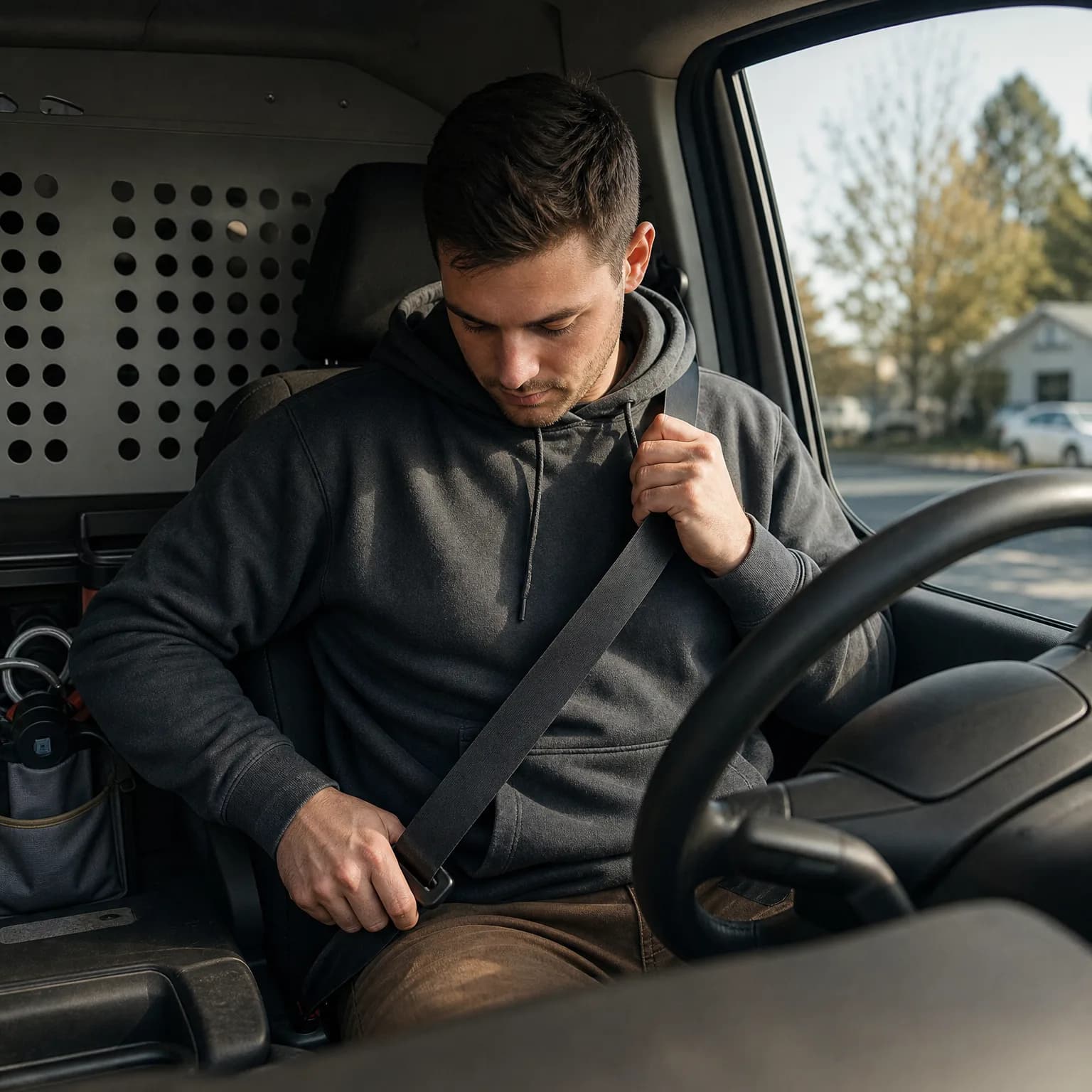
A Florida non-owner SR-22 policy provides liability coverage when you drive a vehicle you don't own and that isn't regularly available to you. This includes rental cars, borrowed vehicles, and cars used occasionally for work. If you cause an accident, the policy pays up to your liability limits for injuries and property damage to others. It does not cover damage to the car you're driving — that's the owner's responsibility through their own collision coverage.
Non-owner policies exclude several common scenarios. They won't cover a car registered in your name, a vehicle you co-own, or any car you use regularly (such as a spouse's or employer's vehicle assigned to you). They also exclude coverage if you live with someone who owns a car and you're listed as a household member — in that case, you need to be added as a named driver to their policy, and they'll need to file the SR-22 on your behalf.
Uninsured and underinsured motorist coverage is often optional on non-owner policies in Florida, but adding it increases your monthly premium by $10–$20. It protects you if you're injured by a driver with no insurance or insufficient limits. Some high-risk carriers include it automatically; others make it an add-on. If you frequently drive in areas with high uninsured motorist rates — Florida's uninsured rate is approximately 20%, per Insurance Information Institute data — the extra cost may be worth it.
How Much Non-Owner SR-22 Costs in Florida
Non-owner SR-22 policies in Florida typically cost $300–$600 per year, or $25–$50 monthly, for drivers with a single DUI or suspension. Rates vary based on your violation type, how recently it occurred, your age, and your county. A first-offense DUI from 12 months ago will price higher than a points-related suspension from 3 years ago, even though both require the same 3-year SR-22 filing.
Florida's $25 state filing fee is due once at the time your insurer submits the SR-22. Some carriers charge an additional processing fee of $15–$50, either as a one-time cost or spread across your first few payments. Not all insurers write non-owner SR-22 policies — major carriers like State Farm and Allstate often decline high-risk non-owner business, routing those drivers to non-standard carriers like The General, Direct Auto, or Acceptance Insurance.
If you owned a vehicle and carried standard SR-22, you'd pay $720–$1,440 annually for the same liability limits after a DUI — roughly double the non-owner rate. The savings come from eliminating vehicle-based underwriting factors: no collision history on a specific car, no comprehensive claims, and no vehicle value to insure. For drivers who sold their car after a suspension or never owned one, non-owner SR-22 is the most cost-effective way to satisfy Florida's financial responsibility requirement and keep a valid license.

Stay Covered While You Drive Borrowed Cars
Find Coverage After Violations
How to Get Non-Owner SR-22 in Florida and Reinstate Your License
Start by confirming your eligibility for reinstatement with FLHSMV. If you're still serving a suspension period, you cannot reinstate early — the SR-22 filing only applies once you're eligible. Check your suspension end date and any outstanding reinstatement fees using the Florida DMV's online driver license check tool or by calling (850) 617-2000.
Once eligible, contact a carrier that writes non-owner SR-22 policies for high-risk drivers. Not all insurers offer this coverage, and standard carriers often decline drivers with recent DUIs or multiple violations. Non-standard and high-risk insurers are more likely to write the policy, though they may require payment in full or mandate electronic funds transfer to avoid lapses. Request the SR-22 filing at the time you purchase the policy — most insurers file electronically within 1–3 business days.
After your insurer files the SR-22, FLHSMV processes it and updates your record. You'll still need to pay reinstatement fees — typically $45 for a points-related suspension, $150 for a first DUI, or $250 for a second DUI — and visit a driver license office to complete reinstatement. Bring proof of identity, proof of SR-22 filing (your insurer provides a copy), and payment for reinstatement fees. Your license reinstates once FLHSMV confirms the SR-22 is active and all fees are paid.
Maintain continuous coverage for the full 3-year SR-22 period. Even a single day of lapse triggers automatic re-suspension, and you'll need to restart the SR-22 clock from the date you refile. Set up automatic payments if possible, and notify your insurer immediately if you buy a vehicle — non-owner policies exclude owned cars, so you'll need to convert to a standard SR-22 policy to remain compliant.

What Happens If You Buy a Car While Holding Non-Owner SR-22
If you purchase or register a vehicle in your name during your 3-year SR-22 period, your non-owner policy no longer complies with Florida law. Non-owner SR-22 policies explicitly exclude coverage for vehicles you own, and FLHSMV requires your SR-22 to match your actual insurance situation. Failing to update your policy within 10 days of registering the vehicle can result in an automatic suspension.
Contact your insurer immediately when you buy a car. They'll convert your non-owner SR-22 to a standard owner-required SR-22 policy covering the registered vehicle. This increases your premium — expect rates to jump from $25–$50 monthly to $60–$120 or more, depending on the car's value, your coverage limits, and your violation history. The SR-22 filing itself doesn't change; your insurer simply updates the certificate with FLHSMV to reflect the new policy type.
If your current insurer doesn't write standard SR-22 policies or quotes you an unaffordable rate, you'll need to switch carriers before registering the vehicle. Shop for standard SR-22 coverage first, purchase the new policy, confirm the insurer has filed the updated SR-22 with FLHSMV, then cancel your non-owner policy. Avoid any gap between cancellation and the new policy's effective date — even a single day without active SR-22 coverage triggers re-suspension and restarts your 3-year clock.
Finding Non-Owner SR-22 Coverage in Florida
Non-owner SR-22 policies are harder to find than standard SR-22 because fewer carriers write them and most require high-risk underwriting. Standard insurers like State Farm, Geico, and Progressive often decline non-owner SR-22 requests for drivers with DUIs or multiple violations, referring them to non-standard markets. High-risk specialists like The General, Direct Auto, Acceptance Insurance, and National General are more likely to write non-owner SR-22, though rates and availability vary by county.
Some brokers specialize in SR-22 and non-standard insurance, shopping multiple carriers on your behalf. This saves time if you've been declined by two or more insurers directly. Be prepared to provide your driver license number, violation details, and suspension dates — insurers pull your motor vehicle report (MVR) to confirm your SR-22 requirement and assess risk.
Compare quotes from at least three carriers or use a high-risk insurance comparison tool that includes non-owner SR-22 options. Rates can vary by 30–50% between insurers for the same coverage, and some carriers offer discounts for paying in full or setting up automatic payments. Confirm the insurer will file the SR-22 electronically with FLHSMV and ask for a copy of the filing confirmation — you'll need this for reinstatement and as proof of compliance if questioned. non-standard auto insurance compare high-risk quotes
Frequently Asked Questions
Can I get non-owner SR-22 in Florida if I have a DUI?
Yes. Florida allows non-owner SR-22 for DUI reinstatement as long as you don't own a vehicle. You'll pay higher premiums — typically $300–$600 annually — but you satisfy the 3-year SR-22 requirement without insuring a car you don't have.
What happens if my non-owner SR-22 lapses in Florida?
Your license suspends immediately, and FLHSMV restarts your 3-year SR-22 period from the date you refile. You'll also owe reinstatement fees again — $45 to $250 depending on your original violation — and face a coverage gap that raises future premiums.
Do I need non-owner SR-22 if I only drive a family member's car?
Yes, if you're required to file SR-22 and don't own a vehicle. Borrowing a family member's car doesn't exempt you from Florida's SR-22 requirement. Non-owner SR-22 provides liability coverage when you drive their car without forcing them to add you as a named driver.
How long does it take to reinstate my Florida license with non-owner SR-22?
Most insurers file SR-22 electronically within 1–3 business days. Once FLHSMV receives and processes the filing, you can pay reinstatement fees and visit a driver license office to complete reinstatement — typically within one week of purchasing the policy.
Can I switch non-owner SR-22 carriers in Florida?
Yes, but you must maintain continuous coverage. Purchase the new policy with an effective date that matches or precedes your current policy's cancellation date, confirm the new insurer has filed the SR-22 with FLHSMV, then cancel the old policy. Any gap — even one day — triggers re-suspension.
Related Articles

Does SR-22 Cover My Teen Driver? What Parents Need to Know
5/18/2026

Switch Non-Owner SR-22 to Regular Policy | Timeline
4/2/2026

File SR-22 the Same Day Your Suspension Starts
5/18/2026

SR-22 and Deferred Prosecution: Filing Requirements
5/18/2026
SR-22 and MADD Victim Impact Panels After a DUI
5/18/2026

SR-22 & Florida JUA: Assigned-Risk Pool Explained
5/18/2026