
Non-Owner SR-22 in Texas: DUI Reinstatement Without a Car
Free to compare
How Non-Owner SR-22 Works in Texas After a DUI
If you lost your license after a DUI in Texas but don't own a vehicle, a non-owner SR-22 policy satisfies the Texas Department of Public Safety filing requirement while keeping you legally insured to drive borrowed or rental cars. The policy itself is liability-only coverage — typically 30/60/25 minimum limits in Texas — with an SR-22 certificate filed electronically by your insurer to DPS. You're not insuring a specific vehicle; you're insuring yourself as a driver.
Texas DPS requires continuous SR-22 filing for the full term ordered by the court or stated in your suspension notice. If your policy lapses or cancels, your insurer notifies DPS within 10 days, triggering an automatic suspension until you refile. Non-owner policies don't cover vehicles you own, regularly use, or live with — if you buy a car during your filing period, you must convert to a standard owner SR-22 policy immediately.
Non-owner SR-22 premiums in Texas after a DUI typically range from $25 to $50 per month for the base liability coverage, with the SR-22 filing fee adding $15–$25 upfront. Total annual cost usually lands between $300 and $600, depending on your county, age, and whether you have additional violations. That's 60–70% cheaper than insuring an owned vehicle with SR-22 post-DUI, which often runs $150–$250 per month. SR-22 insurance Texas SR-22 requirements

Texas SR-22 Duration: Why Most Drivers File Too Long
Texas law does not set a uniform SR-22 duration. Your filing period is determined by the specific court order, DPS suspension notice, or administrative action that triggered the requirement — typically 2 years for a first DUI, 3 years for repeat offenses or serious violations. The problem: neither the court nor DPS sends you a notice when your requirement ends. You're responsible for tracking the termination date yourself, and most drivers don't.
DPS does not maintain a central system that automatically releases you from SR-22 once your term is complete. If you filed SR-22 on January 15, 2022, for a 2-year requirement, you're legally clear to drop it on January 15, 2024 — but if you don't call your insurer to cancel the endorsement, you'll keep paying the filing fee indefinitely. Insurance agents rarely proactively notify you, because the policy stays active and generates premium.
To confirm your exact end date, review the original suspension order from DPS or the court judgment. If you don't have the paperwork, call DPS Driver Eligibility at 512-424-2600 and request your SR-22 termination date. Once confirmed, contact your insurer in writing to cancel the SR-22 endorsement on that date. Your underlying liability policy can remain active — you're only removing the state filing requirement and the associated fee.

Which Carriers Write Non-Owner SR-22 in Texas
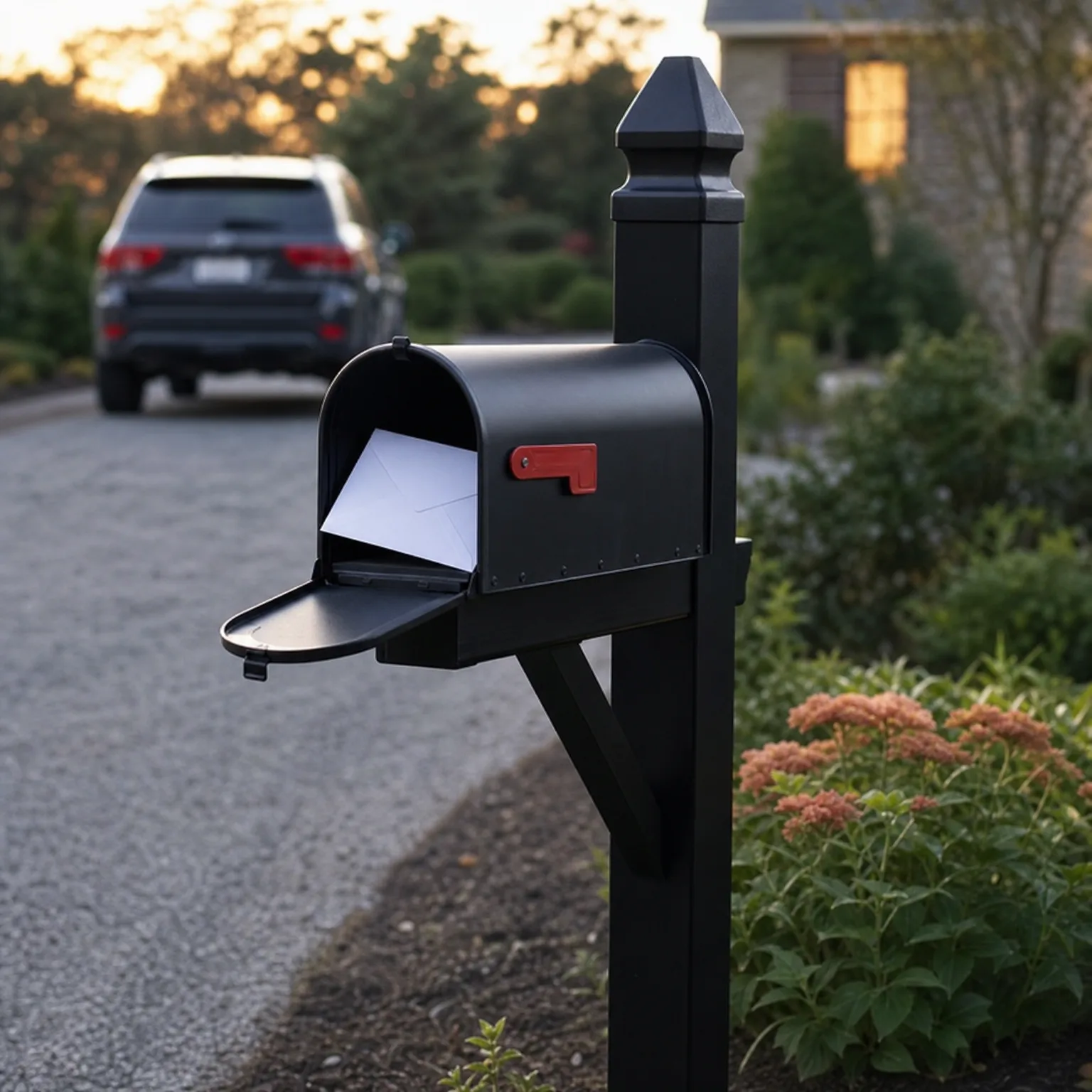
Not all insurers offer non-owner policies, and fewer still will write them with SR-22 endorsements for high-risk drivers. In Texas, carriers most commonly writing non-owner SR-22 include The General, Progressive, National General, Acceptance, and Dairyland. State Farm and GEICO write non-owner policies in Texas but rarely accept SR-22 applicants with recent DUIs. Allstate does not offer non-owner coverage in Texas.
You cannot get non-owner SR-22 through the Texas Automobile Insurance Plan Association (TAIPA), the state's assigned risk pool, because TAIPA only covers owned vehicles. If you're declined by standard non-owner carriers, your options narrow to high-risk specialists like Fiesta Auto, Confie, or regional MGAs that work with non-standard markets. Expect higher premiums — sometimes $60–$80 per month — but coverage is available.
When shopping, confirm three things upfront: the carrier writes non-owner policies in Texas, they file SR-22 electronically with DPS, and they accept applicants with your specific violation. Some carriers will write non-owner SR-22 for suspended licenses but exclude DUI applicants within 3 years of conviction. Others accept DUIs but require 6 months of prior insurance history. Ask directly before you apply — a declined application can delay your reinstatement timeline.

Stay Covered While You Drive Borrowed Cars
Find Coverage After ViolationsTexas DPS Reinstatement Process With Non-Owner SR-22
Before DPS will reinstate your license, you must complete all court-ordered requirements — DWI education program, community service, fines — and pay the reinstatement fee. For a first DUI administrative suspension, the reinstatement fee is $125. For criminal DWI convictions, it's $100. Surcharges under the old Driver Responsibility Program were eliminated in 2019, so you won't owe annual surcharges for violations after September 1, 2019.
Once you've completed requirements and paid the fee, DPS will not reinstate your license until your SR-22 filing is on record. Your insurer files the SR-22 electronically, and it typically appears in the DPS system within 24–48 hours. You can verify filing status by logging into your DPS online account or calling 512-424-2600. If your SR-22 shows active and all other conditions are met, you can apply for reinstatement online, by phone, or in person at a driver license office.
After reinstatement, you must maintain continuous SR-22 coverage for the full ordered term with zero lapses. If your policy cancels or lapses for any reason — missed payment, carrier non-renewal, voluntary cancellation — DPS suspends your license again within 10 days. Reinstatement after a lapse requires a new $125 fee, a new SR-22 filing, and restarting the clock on any remaining SR-22 term in some cases, depending on the judge's original order.
What Non-Owner SR-22 Doesn't Cover in Texas
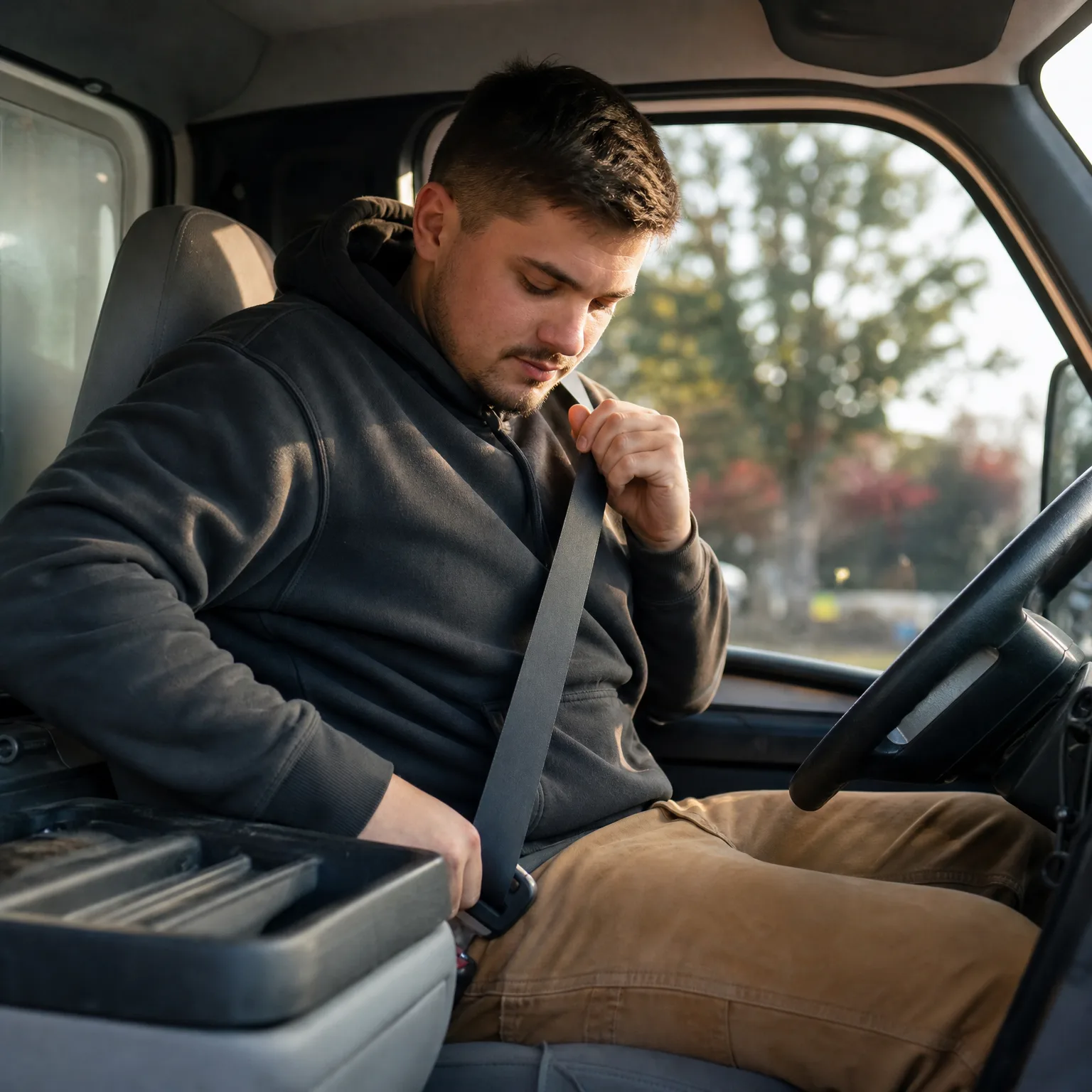
A non-owner policy provides liability coverage only when you drive a vehicle you don't own and don't have regular access to. It does not cover any vehicle registered in your name, any vehicle you co-own, or any vehicle you live with — even if it's titled to a spouse, parent, or roommate. If you're listed on a household vehicle's title or registration, you need an owner SR-22 policy on that vehicle, not a non-owner policy.
Non-owner SR-22 also doesn't cover rental cars in all situations. Texas law allows non-owner policies to extend liability to short-term rentals, but the rental company's supplemental liability insurance (SLI) does not stack with your non-owner policy. If you decline the rental agency's coverage and cause an accident, your non-owner policy's 30/60/25 limits are your only protection — often insufficient for serious crashes. Many high-risk drivers are better off buying the rental company's full coverage during the SR-22 period.
If you buy or lease a vehicle while carrying non-owner SR-22, your coverage does not automatically transfer. You must notify your insurer immediately to convert to an owner policy and transfer the SR-22 filing to the new vehicle. If you drive your newly owned car under the non-owner policy before conversion, you're driving uninsured — which violates your SR-22 requirement and triggers a suspension. Always convert the policy before you drive.
How to Drop SR-22 and Reduce Rates Over Time
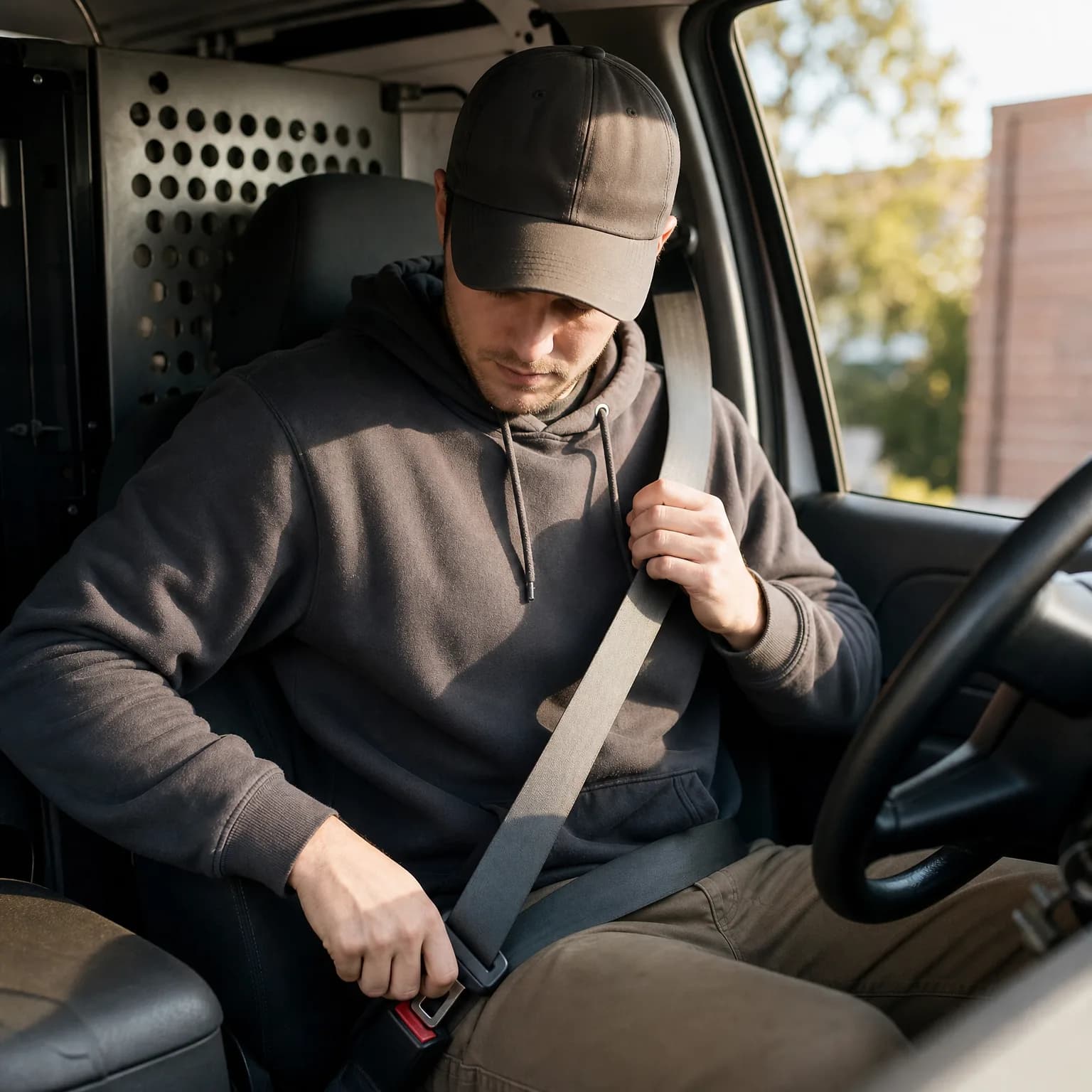
Once your SR-22 term expires — confirmed in writing with DPS — contact your insurer to remove the SR-22 endorsement. You'll stop paying the $15–$25 filing fee, but your underlying non-owner liability policy can remain active. Keeping continuous coverage without lapses helps rebuild your insurance history, which most carriers review when rating high-risk drivers. A 6-month gap between SR-22 termination and new coverage often results in higher quotes than maintaining the non-owner policy year-round.
Your DUI conviction stays on your Texas driving record for at least 5 years from the conviction date, visible to insurers and DPS. Most carriers stop surcharging for DUI after 3–5 years, depending on underwriting guidelines. Progressive and The General often reduce DUI surcharges at the 3-year mark if you've maintained continuous coverage with no new violations. Expect your premium to drop 20–40% once the DUI ages past the carrier's surcharge window.
If you need to buy a car and transition to an owner policy during your SR-22 period, shop at least 30 days before the non-owner policy expires. Get quotes from both your current non-owner carrier and competitors — loyalty rarely benefits high-risk drivers. Compare not just premium but SR-22 transfer fees, down payment requirements, and whether the carrier will accept your existing filing or require a new one. Some carriers charge $25–$50 to reissue SR-22 on a new policy, while others transfer at no cost. compare high-risk quotes
Frequently Asked Questions
Can I get non-owner SR-22 in Texas if I've never had insurance before?
Yes, but expect limited carrier options and higher premiums. Most non-owner SR-22 insurers in Texas prefer 6 months of prior coverage, but carriers like The General and National General will write new policies for first-time filers after DUI suspension. Your rate will be 20–30% higher than a driver with continuous coverage history.
What happens if I let my non-owner SR-22 policy lapse in Texas?
DPS suspends your license within 10 days of the lapse notice from your insurer. You'll need to pay a new $125 reinstatement fee, file a new SR-22, and in some cases restart your full SR-22 term depending on your original court order. One lapse can add 6–12 months and several hundred dollars to your total cost.
Do I need non-owner SR-22 in Texas if I only drive my spouse's car?
If your spouse's vehicle is registered at your address and you live in the same household, you should be listed on their owner policy with SR-22 filed on that vehicle — not carry a separate non-owner policy. Non-owner SR-22 only applies when you drive vehicles you don't live with and have no regular access to.
Can I buy a car while on non-owner SR-22 in Texas?
Yes, but you must immediately switch to an owner SR-22 policy on the new vehicle before you drive it. Driving your own car under a non-owner policy means you're uninsured and violates your SR-22 requirement. Contact your insurer before you pick up the car to transfer or reissue the SR-22 filing.
How do I prove my SR-22 is filed with Texas DPS?
Log in to your DPS online account or call 512-424-2600 to verify your SR-22 filing status. Your insurer should provide you a copy of the filed SR-22 certificate within 24–48 hours of purchase. DPS receives the filing electronically and updates your record, usually within 1–2 business days.
Related Articles

Does SR-22 Cover My Teen Driver? What Parents Need to Know
5/18/2026

Switch Non-Owner SR-22 to Regular Policy | Timeline
4/2/2026

File SR-22 the Same Day Your Suspension Starts
5/18/2026

SR-22 and Deferred Prosecution: Filing Requirements
5/18/2026

SR-22 and MADD Victim Impact Panels After a DUI
5/18/2026

SR-22 & Florida JUA: Assigned-Risk Pool Explained
5/18/2026