Non-Owner SR-22 in Utah: Reinstate Without Owning a Car
Free to compare
What a Non-Owner SR-22 Does in Utah
A non-owner SR-22 is a liability insurance policy for drivers who don't own a vehicle but still need to prove financial responsibility to the Utah Driver License Division. It covers you when you drive borrowed or rental cars, and it satisfies the state's SR-22 filing requirement after a DUI, multiple violations, or at-fault accident without insurance. The policy itself provides liability coverage — typically state minimums of $25,000 per person, $65,000 per accident for bodily injury, and $15,000 for property damage — but it does not cover a car you own or regularly use.
Utah requires the SR-22 filing for three years from your reinstatement date, and the non-owner option keeps your license valid without the cost of insuring a vehicle you don't drive. If you borrow a car occasionally or use rideshare services, this is the lowest-cost path to reinstatement. If you own a car or have regular access to one, Utah requires a standard SR-22 on that vehicle instead.
The filing itself is identical to a standard SR-22 — your insurer submits the certificate electronically to the Driver License Division, and any lapse in coverage triggers an immediate notification. The Division suspends your license again within 10 days of the lapse, and you restart the three-year requirement from scratch. Non-owner SR-22s do not forgive lapses. Utah SR-22 requirements SR-22 insurance
Who Needs a Non-Owner SR-22 in Utah
You need a non-owner SR-22 if the Utah Driver License Division ordered an SR-22 filing and you do not own a vehicle. Common triggers include a DUI conviction, driving without insurance, multiple moving violations within 12 months, or an at-fault accident without proof of coverage. The Division sends a notice specifying the filing requirement and the reinstatement period — usually three years.
If you sold your car after the violation, rely on public transit, or borrow vehicles occasionally, the non-owner policy keeps you compliant without paying to insure a car you don't own. If you live with someone who owns a car and you have regular access to it, Utah may require you to be listed on their policy with an SR-22 endorsement instead. If you plan to buy a car within the three-year filing period, you will need to convert the non-owner SR-22 to a standard policy on the vehicle you purchase — the filing transfers, but the policy type changes.
Drivers with a suspended license due to a DUI often use non-owner SR-22s during the suspension period to keep the filing active, then switch to a standard policy when they regain driving privileges. This avoids a lapse and keeps the three-year clock running.
What Non-Owner SR-22 Insurance Costs in Utah
Non-owner SR-22 policies in Utah typically cost $300 to $600 per year, depending on the violation that triggered the requirement and your driving history. A DUI usually pushes costs toward the higher end, while a lapsed insurance violation trends lower. The SR-22 filing fee itself is $15 to $25, paid to the insurer, which submits the certificate to the Driver License Division.
This compares to $1,200 to $2,500 per year for a standard SR-22 policy on an owned vehicle after a DUI. The non-owner option eliminates comprehensive and collision coverage, garage location surcharges, and the base cost of insuring a car — you are only paying for liability coverage when you drive someone else's vehicle. If you do not own a car and do not plan to, this is the most cost-effective way to satisfy Utah's requirement.
Rates vary by carrier. Not all insurers in Utah offer non-owner policies, and among those that do, some charge higher premiums for SR-22 filings than others. Progressive, The General, and GAINSCO typically write non-owner SR-22s in Utah. State Farm and Farmers may offer them but often quote higher rates for high-risk drivers. Comparing three or more carriers is the only way to identify the lowest available rate for your specific violation.
How to Get a Non-Owner SR-22 Filed in Utah
Start by contacting insurers that write non-owner policies in Utah. You will need your driver's license number, the violation or court order that triggered the SR-22 requirement, and the reinstatement notice from the Driver License Division. The insurer quotes the policy, collects the first payment, and files the SR-22 certificate electronically with the state. The Division typically processes the filing within 3 to 5 business days.
Once the SR-22 is on file, you can pay any remaining reinstatement fees — usually $35 for a suspended license, plus any outstanding fines or court fees — and the Division lifts the suspension. You must maintain continuous coverage for the full three-year period. If you cancel the policy, switch carriers, or miss a payment, the insurer notifies the Division within 24 hours, and your license is suspended again within 10 days. Reinstating after a lapse requires a new SR-22 filing and restarts the three-year clock.
If you buy a car during the filing period, contact your insurer immediately to convert the non-owner policy to a standard auto policy. The SR-22 filing remains active, but the coverage shifts to the vehicle you now own. Failing to update the policy leaves you uninsured when driving your own car, which triggers another violation and suspension.

Stay Covered While You Drive Borrowed Cars
Find Coverage After Violations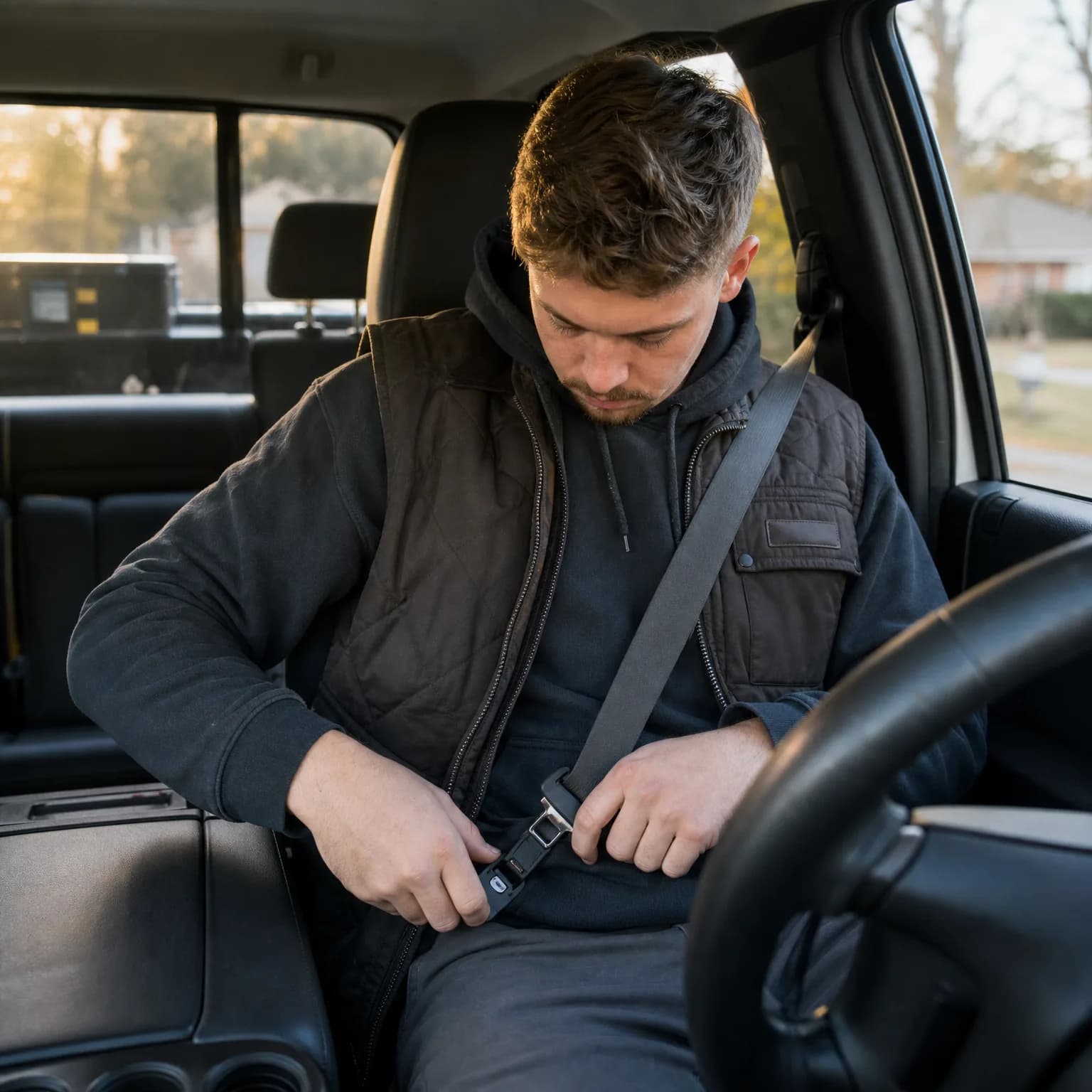
What Happens If You Let a Non-Owner SR-22 Lapse
Utah treats non-owner SR-22 lapses identically to standard SR-22 lapses. If you miss a payment, cancel the policy, or switch carriers without filing a new SR-22 first, your insurer notifies the Driver License Division within 24 hours. The Division issues a suspension notice and mails it to your address on file. Your license is suspended 10 days after the notice is mailed, whether or not you receive it.
Reinstating after a lapse requires a new SR-22 filing, payment of the $35 reinstatement fee, and a full restart of the three-year filing period. If you had two years of clean SR-22 coverage and then lapsed, you owe three more years from the new reinstatement date — not the one remaining year. Utah does not prorate SR-22 periods or give credit for prior coverage after a lapse.
If you are caught driving on a suspended license during the lapse, you face a Class B misdemeanor charge, up to six months in jail, and a fine of up to $1,000. The suspension period extends, and the Division may require an additional SR-22 filing period beyond the original three years. Avoiding a lapse is the single most important task during your SR-22 requirement.

How Long You Keep the Non-Owner SR-22 in Utah
Utah requires SR-22 filings for three years from your reinstatement date for most violations. DUIs, multiple moving violations, and driving without insurance all trigger the same three-year period. The clock starts on the date the Driver License Division processes your SR-22 filing and lifts your suspension — not the date of the violation or conviction.
If you maintain continuous coverage without a lapse for the full three years, the requirement expires automatically. The Division does not send a confirmation letter or notification — your insurer simply stops filing the SR-22, and you are no longer required to carry it. You can switch to a standard policy or cancel the non-owner coverage without penalty once the three-year period ends.
If you lapse at any point, the three-year period restarts from your new reinstatement date. A driver who lapses twice during the requirement could end up filing an SR-22 for five or more years total. The only way to minimize the filing period is to maintain continuous coverage and never miss a payment.
Finding the Lowest Non-Owner SR-22 Rate in Utah
Non-owner SR-22 rates vary widely by carrier and violation type. A DUI typically costs 70–130% more than a lapsed insurance violation, and not all insurers write both. Progressive and The General are the most consistent non-owner SR-22 writers in Utah, but GAINSCO, Bristol West, and National General also write high-risk non-owner policies in select cases.
Request quotes from at least three carriers and compare the total annual cost, not just the monthly payment. Some insurers charge higher fees for SR-22 filings or require larger down payments for high-risk drivers. Others offer discounts for paying the full six-month or annual term upfront. If you have a DUI, expect higher rates across the board, but the spread between the most expensive and least expensive carrier can still exceed $300 per year.
Once you have coverage, set up automatic payments to avoid lapses. Most insurers allow bank draft or credit card autopay, and the small convenience fee is worth eliminating the risk of a missed payment and a restarted three-year requirement. After one year of continuous SR-22 coverage, request a new quote — some carriers reduce rates for drivers who demonstrate compliance. compare high-risk quotes
Frequently Asked Questions
Can I get a non-owner SR-22 in Utah if I have a DUI?
Yes. Utah allows non-owner SR-22 filings for DUI convictions as long as you do not own a vehicle. The policy costs $400–$600 per year and satisfies the state's three-year SR-22 requirement. If you buy a car during the filing period, you must convert to a standard SR-22 policy.
What happens if I buy a car while I have a non-owner SR-22 in Utah?
You must contact your insurer immediately and convert the non-owner policy to a standard auto policy on the vehicle you purchased. The SR-22 filing transfers to the new policy, but driving your own car on a non-owner policy leaves you uninsured and triggers a suspension.
How much does it cost to file an SR-22 in Utah without owning a car?
The SR-22 filing fee is $15–$25, and the non-owner insurance policy itself costs $300–$600 per year depending on your violation. The total first-year cost including the $35 license reinstatement fee is typically $350–$660.
Do I need a non-owner SR-22 if I only drive a company vehicle in Utah?
Yes, if the Driver License Division ordered an SR-22 filing. Driving a company vehicle does not satisfy the SR-22 requirement — you must carry a personal non-owner policy or be listed on a household member's policy with an SR-22 endorsement.
Can I cancel my non-owner SR-22 after one year if I haven't driven?
No. Utah requires continuous SR-22 coverage for the full three-year period regardless of whether you drive. Canceling the policy triggers an immediate suspension and restarts the three-year requirement from your next reinstatement date.
Related Articles
Does SR-22 Cover My Teen Driver? What Parents Need to Know
5/18/2026
Switch Non-Owner SR-22 to Regular Policy | Timeline
4/2/2026
File SR-22 the Same Day Your Suspension Starts
5/18/2026
SR-22 and Deferred Prosecution: Filing Requirements
5/18/2026

SR-22 and MADD Victim Impact Panels After a DUI
5/18/2026

SR-22 & Florida JUA: Assigned-Risk Pool Explained
5/18/2026