
Non-owner SR-22 insurance after a DUI — exactly what you need
Free to compare
What non-owner SR-22 insurance actually covers after a DUI
Non-owner SR-22 insurance is a liability-only policy that covers you when driving vehicles you don't own — rental cars, borrowed cars, employer vehicles — and includes the SR-22 certificate your state requires to reinstate your license after a DUI. The SR-22 itself isn't insurance; it's a form your insurer files electronically with your state DMV confirming you carry at least the state-minimum liability coverage. Most states require 3 years of continuous SR-22 filing after a DUI, though California requires 3 years, Florida requires 3 years, and Virginia can require up to 3 years depending on the conviction.
You need non-owner coverage if you drive but don't own a registered vehicle in your name. This includes drivers whose car was totaled, sold after the DUI, repossessed, or who never owned a vehicle. It also covers drivers who share a household vehicle registered solely in someone else's name — though if you regularly drive that car, some states and carriers will require you to be listed on the owner's policy instead.
The coverage structure is identical to standard liability-only policies: bodily injury liability and property damage liability at state-minimum limits or higher. If you cause an accident while driving a borrowed car, the non-owner policy pays after the vehicle owner's insurance is exhausted. It does not cover the vehicle you're driving — that's the owner's responsibility — and it doesn't cover vehicles you own, rent long-term, or use for business purposes.
Most non-owner SR-22 policies cost $30–$80 per month for state-minimum liability limits after a DUI, compared to $80–$180 per month for a standard SR-22 policy with a vehicle. The difference reflects the lower risk profile: you're not insuring a specific vehicle, and non-owner drivers statistically drive fewer miles annually.
Which carriers write non-owner SR-22 policies after a DUI
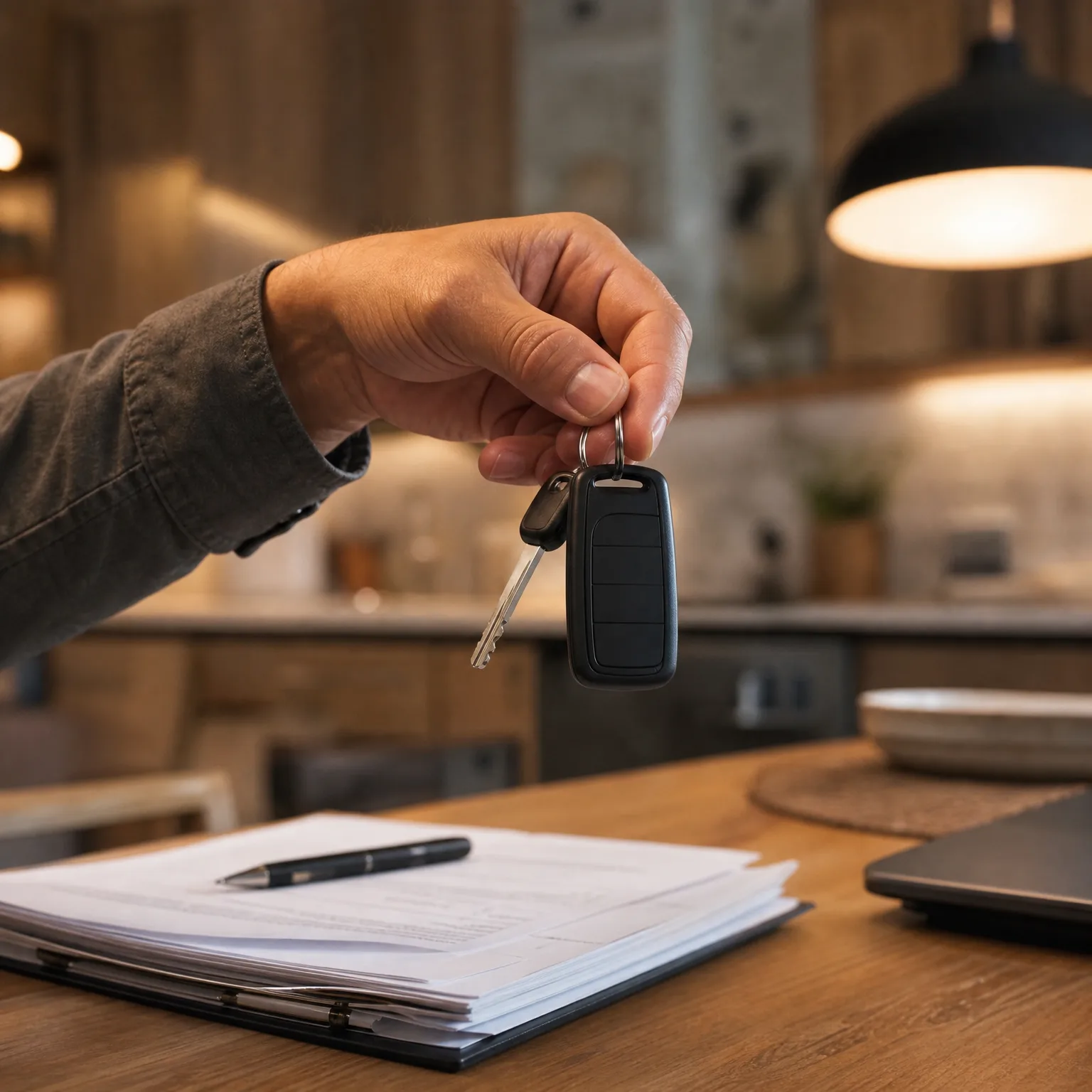
The non-standard and high-risk carrier market dominates non-owner SR-22 issuance. Progressive, The General, GAINSCO, Dairyland, and National General write non-owner SR-22 policies in most states and accept DUI drivers during the mandatory filing period. State Farm and GEICO write non-owner policies but typically decline applicants with DUIs less than 3–5 years old. Acceptance varies by state, violation recency, and whether you've maintained continuous coverage since the DUI.
Carrier availability shrinks significantly if your DUI occurred within the past 12 months or if you have multiple violations. Expect 2–4 declinations before finding a carrier willing to write you. The General and Dairyland have the widest DUI acceptance windows, often writing policies within 30–60 days of conviction. Progressive may require 6–12 months post-conviction before issuing a non-owner SR-22 policy, and their rates for recent DUIs run 20–30% higher than The General or GAINSCO.
Some regional carriers specialize in high-risk non-owner SR-22 filings but operate in limited states. Bristol West writes California, Texas, and Arizona. Acceptance writes heavily in the Midwest and Southeast. If you're in a state with limited carrier options — Wyoming, Alaska, Montana — you may need to work with a non-standard insurance broker who can access surplus lines carriers not available through direct quote tools.
Do not assume the carrier who insured you before your DUI will write a non-owner SR-22 policy now. Most preferred carriers exit the relationship entirely after a DUI, and their non-owner products — if offered — are reserved for clean-record drivers. Start your search with non-standard carriers who expect your profile and price accordingly. SR-22 filing requirement

Filing timeline and cost breakdown after your DUI
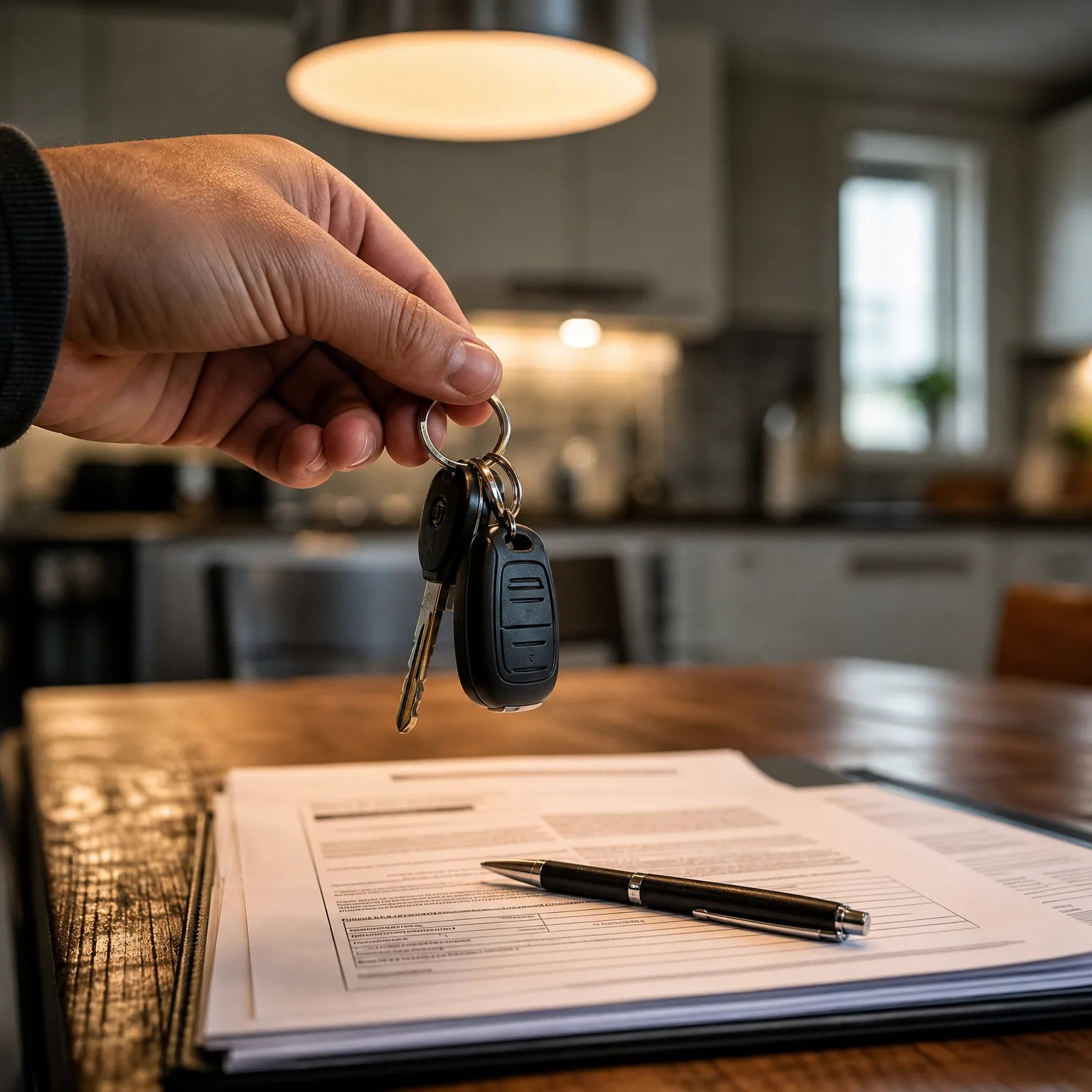
Your state DMV or court order specifies your SR-22 filing start date — typically the date your suspension ends or the date the court mandates proof of financial responsibility. Missing this date extends your suspension and resets reinstatement timelines. Most states allow you to purchase the non-owner SR-22 policy and have the certificate filed 1–3 days before your required start date, but do not wait until the day of reinstatement. Carrier processing delays, weekend filing closures, and state system lag can delay certificate transmission by 24–72 hours.
The non-owner SR-22 policy itself costs $30–$80 per month for state-minimum liability limits. The SR-22 filing fee — charged by your insurer, not the state — ranges from $15–$50 as a one-time charge at policy inception, then $0–$25 annually at renewal. Your state may also charge a license reinstatement fee separate from the SR-22 filing: $50–$150 in most states, $250+ in Florida and California. These fees are not rolled into your insurance premium.
Rate increases after a DUI are significant but predictable. A non-owner SR-22 policy after a DUI typically costs 70–130% more than a non-owner policy for a clean-record driver. If you had no prior insurance and are buying your first policy post-DUI, expect quotes at the higher end of the $60–$80/month range. If you maintained continuous coverage and your DUI is your only violation, you may find policies closer to $40–$50/month with non-standard carriers.
Your filing period clock starts the day your insurer electronically transmits the SR-22 certificate to your state DMV, not the day you purchase the policy. If your carrier delays filing or you purchase the policy but don't activate it immediately, your 3-year countdown does not begin. Confirm filing transmission within 48 hours of purchase — most carriers provide a filing confirmation number or email you can cross-check with your state DMV.
Stay Covered While You Drive Borrowed Cars
Find Coverage After ViolationsWhat happens if your non-owner SR-22 policy lapses
A lapse of even one day during your SR-22 filing period triggers an automatic notification from your insurer to your state DMV, and most states suspend your license again within 10–30 days. You do not receive a grace period. The SR-22 filing requirement obligates your insurer to notify the state immediately when your policy cancels, lapses for non-payment, or is terminated for any reason. Your state treats this as proof you no longer carry the required financial responsibility.
Reinstating after a lapse requires purchasing a new non-owner SR-22 policy, paying a new reinstatement fee, and in many states, restarting your entire SR-22 filing period from day one. California, Florida, and Virginia all reset the 3-year clock if your lapse exceeds 30 days. If your lapse is under 30 days, some states allow you to resume the original filing period, but you still face a reinstatement fee and potential rate increases from the new carrier.
Lapse penalties compound if you're caught driving during the suspension. Most states classify driving on a suspended license after an SR-22 lapse as a separate violation, adding 6–12 months to your total suspension period and requiring extended SR-22 filing — sometimes 5 years instead of 3. Your insurance options narrow further, and carriers who previously accepted your DUI may now decline you entirely.
Avoid lapses by setting up automatic payments and monitoring your bank account for sufficient funds 5–7 days before your due date. If you need to switch carriers mid-filing period — for better rates, relocation, or dissatisfaction — coordinate the new policy effective date to overlap your old policy by at least 24 hours. The new carrier files a new SR-22 certificate, and the old carrier files an SR-26 termination form, but the gap between these filings must be zero.
When non-owner SR-22 doesn't work and what to do instead
Non-owner SR-22 policies do not cover vehicles registered in your name, even if the registration predates your policy purchase. If your state DMV shows you as the registered owner of any vehicle, most carriers will decline to write a non-owner policy and require you to purchase a standard SR-22 policy listing that vehicle. This includes vehicles that are inoperable, uninsured, or stored. You must transfer title, surrender plates, or formally cancel the registration before a carrier will issue non-owner coverage.
If you live with a family member who owns a car and you drive it regularly — more than twice per month, per most carrier underwriting guidelines — you may be required to be listed as a rated driver on that person's policy with an SR-22 endorsement rather than purchasing a separate non-owner policy. This is common with spouses, parents, and adult children. The household vehicle owner's rates will increase significantly when you're added post-DUI, often 60–100%, and some carriers will non-renew the entire policy rather than accept the additional risk.
Drivers who use a vehicle for work — delivery, rideshare, sales — cannot use non-owner SR-22 policies. Those vehicles require commercial auto policies with SR-22 endorsements, and post-DUI commercial coverage is difficult to obtain and expensive, often $200–$400 per month. If you're required to drive for work and don't own the vehicle, your employer's commercial policy must list you as a driver and carry the SR-22 filing, which most employers will not accommodate.
If you're unable to secure a non-owner SR-22 policy due to multiple declinations, consider working with a high-risk insurance broker or checking your state's assigned risk plan. Most states operate assigned risk pools that guarantee coverage to drivers who cannot obtain it voluntarily. Rates in assigned risk plans are higher — often 30–50% above voluntary market rates — but the coverage satisfies SR-22 filing requirements and prevents further license suspension.

How to reduce your non-owner SR-22 rate over time
Your non-owner SR-22 rate will decrease as your DUI ages, but the reduction is not automatic. Most carriers re-evaluate your risk profile at each annual renewal, and DUI surcharges typically drop in stages: 50–70% of the original increase remains at year one post-conviction, 30–50% at year two, 10–30% at year three. After your SR-22 filing period ends and the DUI reaches 3–5 years old, you may qualify for preferred or standard carriers again, cutting your rate by 40–60%.
Maintaining continuous coverage without lapses is the single largest factor in rate reduction velocity. Carriers penalize coverage gaps heavily — a 30-day lapse can increase your rate by 20–40% even if you're otherwise compliant. If your non-owner SR-22 policy renews at a higher rate than expected, shop competing carriers 30–45 days before renewal. Non-standard carrier pricing varies widely, and The General may quote you $60/month while Progressive quotes $95/month for identical coverage.
Increasing your liability limits above state minimums — from 25/50/25 to 50/100/50, for example — costs an additional $5–$15 per month but signals lower risk to underwriters and may unlock discounts at some carriers. Bundling non-owner SR-22 with renters insurance, completing a defensive driving course, or setting up automatic payments can each reduce your rate by 5–10%. These discounts are inconsistently applied across non-standard carriers, so ask explicitly when comparing quotes.
Once your SR-22 filing period ends, notify your carrier immediately and request removal of the SR-22 endorsement. Some carriers automatically file the SR-26 termination form with your state; others require you to request it. Removing the SR-22 endorsement does not reduce your rate — your DUI still affects pricing — but it eliminates the $15–$25 annual SR-22 filing fee and signals to future carriers that you've completed your mandatory filing period.
Frequently Asked Questions
Can I get non-owner SR-22 insurance immediately after a DUI conviction?
Yes, but carrier acceptance varies by conviction recency. The General and Dairyland typically write non-owner SR-22 policies within 30–60 days of a DUI conviction, while Progressive and other carriers may require a 6–12 month waiting period. Expect to receive 2–4 declinations before finding a willing carrier if your DUI is less than 90 days old.
Does non-owner SR-22 insurance cover me if I borrow a friend's car?
Yes, non-owner SR-22 policies provide liability coverage when you drive vehicles you don't own, including borrowed cars. The coverage applies after the vehicle owner's insurance is exhausted. It does not cover damage to the vehicle you're driving — only your liability for injuries or property damage you cause to others.
What happens to my SR-22 requirement if I move to another state?
Your SR-22 filing requirement usually follows you to your new state, but the filing period and process vary. You must purchase a new non-owner SR-22 policy in your new state and notify your old state's DMV that you've relocated. Some states credit time already served toward your total filing period; others restart the clock entirely.
Will my non-owner SR-22 rate go down if I don't drive for a year?
No. Your non-owner SR-22 rate is based on your DUI conviction and violation history, not your actual mileage. Rates decrease as your DUI ages — typically dropping 50–70% of the original surcharge after 3 years — but not driving does not accelerate this timeline. You must maintain the policy continuously to satisfy your SR-22 filing requirement regardless of driving frequency.
Can I cancel my non-owner SR-22 policy once I buy a car?
Yes, but you must replace it with a standard SR-22 policy on your new vehicle the same day to avoid a filing lapse. Coordinate the new policy effective date to overlap your non-owner policy by at least 24 hours. Canceling without immediate replacement triggers an SR-26 lapse notification to your state DMV and suspends your license within 10–30 days.
Related Articles
Does SR-22 Cover My Teen Driver? What Parents Need to Know
5/18/2026

Switch Non-Owner SR-22 to Regular Policy | Timeline
4/2/2026
File SR-22 the Same Day Your Suspension Starts
5/18/2026

SR-22 and Deferred Prosecution: Filing Requirements
5/18/2026

SR-22 and MADD Victim Impact Panels After a DUI
5/18/2026

SR-22 & Florida JUA: Assigned-Risk Pool Explained
5/18/2026