
Non-Owner SR-22 Insurance for Drivers Using Public Transit
Free to compare
Why Non-Owner SR-22 Exists and Who Needs It
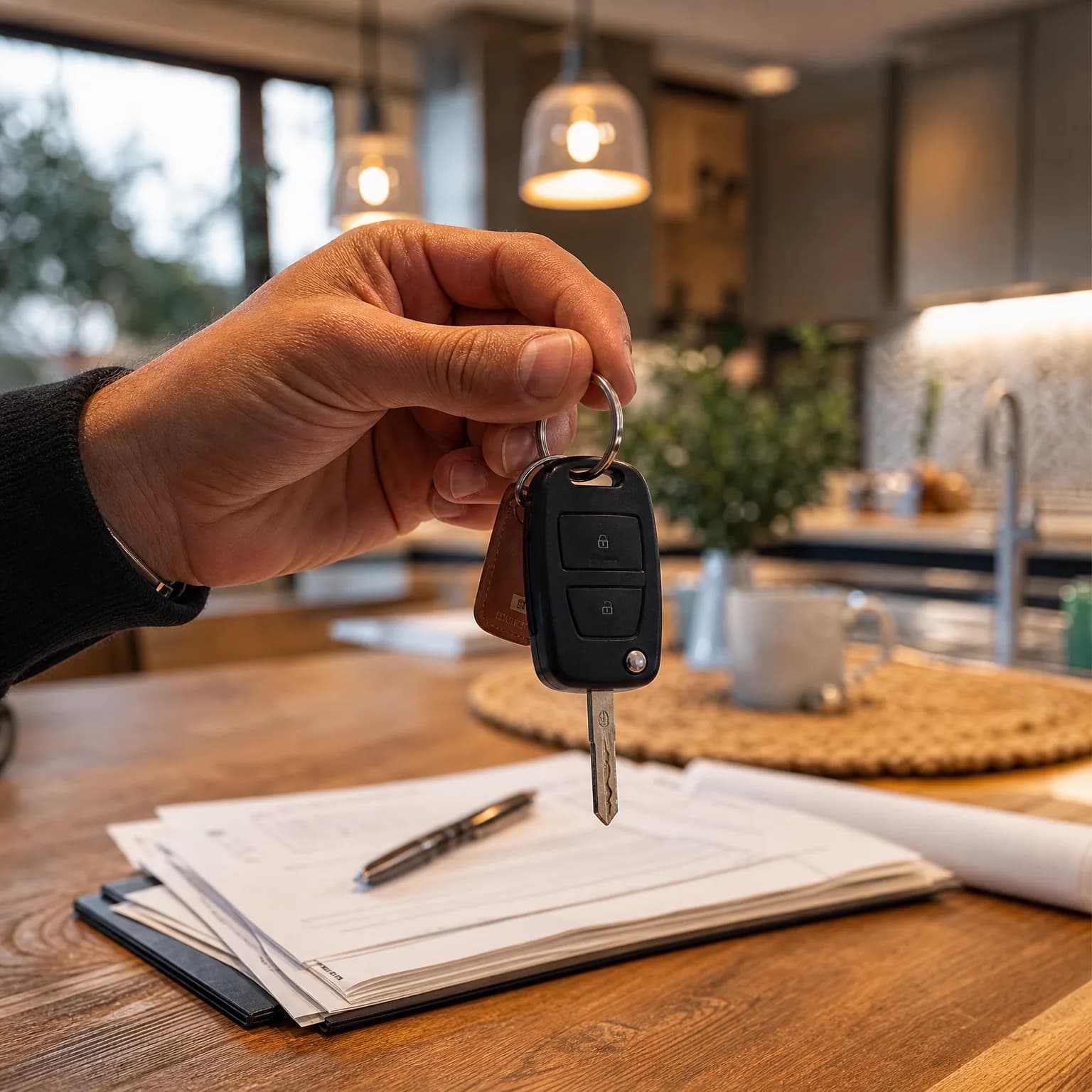
Non-owner SR-22 insurance is a liability-only policy designed for drivers who don't own a vehicle but are legally required to maintain continuous insurance coverage and file an SR-22 certificate with their state. This requirement typically follows a DUI, reckless driving conviction, driving without insurance citation, or license suspension where the state mandates proof of financial responsibility before reinstatement. The policy covers bodily injury and property damage liability when you drive a borrowed car, rental vehicle, or occasionally use a friend's vehicle — but it does not cover the car itself.
If you primarily rely on public transit, rideshares, or don't drive regularly but need to reinstate your license, non-owner SR-22 is almost always the correct coverage type. Standard auto insurance requires you to list a vehicle you own or regularly drive, which increases premiums significantly and adds coverage you don't need. Non-owner policies typically cost $30–$80 per month depending on your state, violation type, and required liability limits, compared to $150–$300/mo for standard SR-22 policies that include comprehensive and collision coverage.
The SR-22 itself is not insurance — it's a certificate your insurer files electronically with your state's Department of Motor Vehicles certifying you carry at least the minimum required liability coverage. Most states require SR-22 filing for 3 years following a major violation, though duration varies: California requires 3 years after a DUI, Florida requires 3 years after a DUI or driving without insurance, and Virginia requires 3 years after most license suspensions. If your policy lapses or cancels during the filing period, your insurer notifies the DMV within 24–72 hours, triggering an immediate license suspension in most states.
Non-owner SR-22 policies are available in every state that requires SR-22 filing except for states that use alternative forms like FR-44 in Florida and Virginia. If you live in a state that requires FR-44 instead of SR-22, the same non-owner coverage structure applies — you simply file the FR-44 certificate instead, which mandates higher liability limits but functions identically for non-owners.
What Non-Owner SR-22 Covers and What It Doesn't
Non-owner SR-22 policies provide bodily injury and property damage liability coverage when you drive a vehicle you don't own. Most states require minimum liability limits of 25/50/25 (25,000 per person for bodily injury, 50,000 per accident for bodily injury, 25,000 for property damage), though some violations trigger higher requirements. Florida and Virginia FR-44 filings require 100/300/50 minimum limits, which increases premiums by 40–60% compared to standard SR-22 minimums.
The policy activates as secondary coverage when you drive a borrowed or rental car. If the vehicle owner has their own insurance, their policy pays first up to their limits, and your non-owner policy covers the remainder if damages exceed their coverage. If the vehicle owner has no insurance or insufficient limits, your non-owner policy becomes primary coverage. This structure protects you from personal liability while fulfilling your state's SR-22 requirement.
Non-owner SR-22 does not cover physical damage to any vehicle you drive — no comprehensive or collision coverage is included. It does not cover vehicles you own, even partially, or vehicles registered to anyone in your household. If you live with someone who owns a car and you drive it regularly, most carriers will require you to be listed on their standard policy instead of issuing you a non-owner policy. The coverage also excludes vehicles you use for business purposes, delivery driving, or rideshare driving — those require commercial or hired/non-owned auto policies.
If you rent a car, your non-owner liability coverage extends to the rental, but you'll still need to purchase the rental company's collision damage waiver unless you have a separate credit card benefit or standalone rental coverage. The non-owner policy fulfills your SR-22 filing requirement whether you drive once a month or not at all — maintaining continuous coverage is what keeps your license valid, not actual vehicle use.

How Much Non-Owner SR-22 Costs by Violation Type
Non-owner SR-22 premiums vary significantly based on your violation type, state, required liability limits, and how long ago the violation occurred. A DUI typically adds 70–130% to base non-owner rates, while a lapse in coverage or driving without insurance adds 40–80%. Reckless driving convictions typically increase premiums by 50–90%, and multiple at-fault accidents within 36 months add 60–110%.
Base non-owner liability premiums for clean-record drivers average $25–$40/mo nationally, but SR-22 filing adds $15–$25/mo in filing and administrative fees, plus the violation surcharge. A driver with a DUI requiring SR-22 in California typically pays $60–$100/mo for non-owner coverage at state minimum limits. The same driver in Florida with an FR-44 requirement pays $90–$140/mo due to higher mandated liability limits. States with high uninsured motorist rates like Mississippi, New Mexico, and Michigan show non-owner SR-22 rates 20–35% above the national average.
Your rate decreases gradually as time passes from your violation date. Most carriers reassess risk annually. A driver 12 months post-DUI pays 100–130% more than base rates, while the same driver 30 months post-DUI pays 50–70% more. Once you reach your state's SR-22 filing period end — typically 36 months — and the SR-22 is removed, your rates drop another 30–50% if you maintain continuous coverage and add no new violations.
Shopping multiple carriers is critical for non-owner SR-22. Rate spreads between the most expensive and least expensive available carriers often exceed 150% for the same driver profile. Progressive, The General, and Bristol West write non-owner SR-22 in most states and typically quote high-risk drivers. State Farm and GEICO write non-owner policies but frequently decline SR-22-required drivers or quote significantly higher premiums. Regional non-standard carriers often offer the lowest rates but require working with an independent agent rather than quoting online.

Stay Covered While You Drive Borrowed Cars
Find Coverage After ViolationsHow to Get Non-Owner SR-22 and Avoid Lapses
Obtaining non-owner SR-22 coverage requires three steps: finding a carrier willing to write high-risk non-owner policies, purchasing the policy with at least your state's minimum required liability limits, and ensuring the carrier files the SR-22 certificate electronically with your DMV before your reinstatement deadline. Most states require the SR-22 on file before they will reinstate your license, so you must complete this process before attempting reinstatement — not after.
Start by requesting quotes from carriers specializing in non-standard and SR-22 policies. Direct insurers like Progressive and The General allow online quotes for non-owner SR-22 in most states. If you receive a decline or excessively high quote, contact an independent agent who works with regional high-risk carriers — many non-standard insurers do not offer direct online quoting. Expect to provide your driver's license number, violation details including dates and case numbers, and confirmation you do not own a vehicle or have regular access to a household vehicle.
Once you purchase the policy, the carrier typically files your SR-22 electronically with your state DMV within 24–72 hours. You can verify filing status by contacting your state DMV's SR-22 or financial responsibility unit directly — do not rely solely on your insurer's confirmation. Some states mail a physical SR-22 acknowledgment letter within 7–14 days, while others update your license status electronically without mailing confirmation. If your reinstatement deadline is approaching and you have not received DMV confirmation within 5 business days of purchasing coverage, contact both your insurer and DMV immediately.
Avoiding lapses is critical because any gap in coverage during your SR-22 filing period triggers immediate license suspension and restarts your filing clock in many states. Set up automatic payment and monitor your bank account to ensure payments process successfully. If you need to cancel your policy or switch carriers, purchase and confirm the new SR-22 filing is active before canceling the old policy — even a single day gap counts as a lapse. If you move to a new state during your filing period, contact your insurer within 30 days to transfer your SR-22 to the new state or purchase a new policy, as SR-22 filings are not automatically portable across state lines.

When to Switch from Non-Owner to Standard SR-22
You should switch from non-owner SR-22 to standard auto insurance with SR-22 filing as soon as you purchase or register a vehicle, gain regular access to a household vehicle, or move in with someone whose vehicle you drive more than occasionally. Most non-owner policies explicitly exclude coverage for owned vehicles and vehicles available for regular use, meaning you have no liability protection if you drive those vehicles under a non-owner policy.
If you purchase a car while your SR-22 filing period is still active, contact your current non-owner insurer first to ask if they can convert your policy to a standard auto policy and transfer your SR-22 filing. Some carriers allow seamless transitions without a coverage gap, while others require you to cancel the non-owner policy and purchase a new standard policy. If your carrier cannot provide standard coverage or quotes an unaffordable rate, shop for a new standard SR-22 policy, confirm the new insurer will file your SR-22, and ensure the new SR-22 is active with your DMV before canceling the non-owner policy.
Standard SR-22 policies cost significantly more than non-owner because they include comprehensive and collision coverage for your vehicle, higher liability limits in many cases, and underwriting that accounts for vehicle value and your access to that vehicle. Expect premiums to increase from $40–$80/mo for non-owner coverage to $150–$300/mo or higher for standard SR-22 depending on your vehicle, violation, and state. If you only need a vehicle occasionally, continuing your non-owner SR-22 and using rental cars or rideshares may remain the more affordable option until your filing period ends.
Some drivers assume they can keep non-owner SR-22 and separately insure an owned vehicle without SR-22 filing, but this creates a compliance violation — your SR-22 must follow your primary insurance policy, and once you own a vehicle, your standard auto policy becomes primary. Operating a vehicle you own while maintaining only non-owner coverage typically results in both a policy exclusion if you have a claim and an SR-22 compliance violation with your DMV.

State-Specific Rules That Impact Non-Owner SR-22
SR-22 filing rules, required liability limits, and filing durations vary significantly by state, which directly impacts non-owner SR-22 costs and availability. California requires 3-year SR-22 filing for DUI convictions and most major violations, with state minimum limits of 15/30/5, though most carriers writing high-risk drivers require 25/50/25 minimums or higher. Illinois requires SR-22 for driving without insurance and some DUI cases, with a typical 3-year filing period and 25/50/20 minimum limits.
Florida and Virginia do not use SR-22 — they require FR-44 certificates for DUI and certain violations, which mandate 100/300/50 minimum liability limits, doubling or tripling premium costs compared to standard SR-22 states. Non-owner FR-44 policies in these states typically cost $90–$160/mo depending on violation severity. Texas requires SR-22 filing for uninsured motorist violations and some license suspensions, with filing periods ranging from 2–3 years and 30/60/25 minimum limits.
Some states do not require SR-22 at all or use alternative forms. Delaware, Kentucky, Minnesota, New Mexico, North Carolina, and Oklahoma do not use SR-22 — they require direct bond postings, cash deposits, or alternative financial responsibility certificates. If you move to one of these states during your filing period, contact your original state's DMV to determine if you still need to maintain your SR-22 or if the requirement transfers to the new state's alternative proof system.
A few states allow electronic SR-22 filing and reinstatement the same day you purchase coverage, while others require 5–14 business days for processing. If you are approaching a court-ordered deadline or your license suspension end date, verify your state's processing timeline before assuming immediate reinstatement. Missing a deadline by even one day can extend your suspension, add administrative fees, or require a new court hearing in some jurisdictions.
Frequently Asked Questions
Can I get non-owner SR-22 if I live with someone who owns a car?
Most carriers will decline non-owner SR-22 or require you to be listed as a driver on the household vehicle's standard policy if you have regular access to that car. If you genuinely do not drive the household vehicle and rely entirely on public transit or rideshares, some carriers will issue non-owner coverage with a signed excluded driver endorsement for the household vehicle, but this is carrier-specific and not available in all states.
What happens if my non-owner SR-22 policy lapses?
Your insurer notifies your state DMV within 24–72 hours of any lapse or cancellation, which triggers immediate license suspension in most states and restarts your SR-22 filing period from day one in many jurisdictions. You must purchase a new policy, file a new SR-22, pay reinstatement fees, and in some states petition for a hearing before your license is reinstated.
Do I need non-owner SR-22 if I never drive?
Yes, if your state requires SR-22 filing to reinstate or maintain your license. The SR-22 requirement is about proving continuous insurance coverage, not actual driving activity — your license remains suspended or invalid until the SR-22 is filed and remains active for the full required period, regardless of whether you drive.
Can I use non-owner SR-22 for rideshare or delivery driving?
No, non-owner policies exclude commercial use including rideshare (Uber, Lyft) and delivery driving (DoorDash, Instacart). You need a commercial auto policy or a rideshare endorsement on a standard auto policy, and your SR-22 must be attached to that commercial or rideshare policy to maintain compliance.
How do I transfer my non-owner SR-22 if I move to another state?
Contact your insurer within 30 days of moving to request an SR-22 transfer to your new state, or purchase a new non-owner policy in the new state and ensure the new SR-22 is filed before canceling the old policy. SR-22 filings are not automatically portable, and even a brief gap during your move can trigger suspension in both states.
Related Articles
Does SR-22 Cover My Teen Driver? What Parents Need to Know
5/18/2026
Switch Non-Owner SR-22 to Regular Policy | Timeline
4/2/2026

File SR-22 the Same Day Your Suspension Starts
5/18/2026
SR-22 and Deferred Prosecution: Filing Requirements
5/18/2026

SR-22 and MADD Victim Impact Panels After a DUI
5/18/2026
SR-22 & Florida JUA: Assigned-Risk Pool Explained
5/18/2026