
Non-Owner SR-22 Insurance in Indiana: Filing Without a Car
Free to compare
When Indiana Requires Non-Owner SR-22 Filing
Indiana's Bureau of Motor Vehicles mandates SR-22 filing after specific violations: DUI/OWI convictions, driving without insurance, accumulating 18+ demerit points in 24 months, or multiple at-fault accidents within a short period. If you don't own a vehicle but need to reinstate your license, non-owner SR-22 satisfies Indiana's requirement — the BMV does not distinguish between owner and non-owner filings for compliance purposes.
The filing period in Indiana is typically 3 years for OWI/DUI and 2–3 years for insurance-related violations, though your court order or BMV reinstatement letter specifies the exact duration. Any lapse in coverage during this period triggers a filing termination notice from your insurer to the BMV, restarting your suspension and often adding 90–180 days to your original requirement.
Non-owner SR-22 applies if you don't own a registered vehicle, rely on borrowed cars, use rental vehicles, or need to maintain a valid license for work but don't have regular access to a car. Indiana does not require you to own a vehicle to maintain SR-22 — you're filing proof of financial responsibility, not insuring a specific car.

What Non-Owner SR-22 Covers in Indiana
A non-owner SR-22 policy in Indiana provides liability coverage when you drive a vehicle you don't own. Indiana's minimum liability limits are 25/50/25: $25,000 per person for bodily injury, $50,000 per accident for bodily injury, and $25,000 for property damage. Your non-owner policy applies when you borrow a friend's car, rent a vehicle, or use a car-sharing service — it acts as secondary coverage if the vehicle owner's policy exists, or primary coverage if the vehicle is uninsured.
Non-owner policies do not cover vehicles you own, vehicles registered in your name, vehicles you regularly use (defined as more than 12 times per year by most carriers), or vehicles furnished for your regular use by a household member or employer. If you buy or register a car during your SR-22 filing period, you must switch to an owner SR-22 policy within 30 days — most carriers allow this conversion without restarting your filing clock.
The policy includes no physical damage coverage — no collision, comprehensive, or uninsured motorist property damage. You're covering liability only, which is why non-owner premiums are significantly lower than standard SR-22 policies.


Non-Owner SR-22 Costs and Carrier Availability in Indiana
Non-owner SR-22 policies in Indiana typically cost $30–$60 per month for state minimum liability limits, compared to $50–$120 per month for owner SR-22 policies with a vehicle. The SR-22 filing fee itself is $15–$25, paid once at policy inception and again if you change carriers during your filing period. Total annual cost for non-owner SR-22 runs $360–$720 for most drivers with a single DUI or violation.
Your rate depends on the violation that triggered the SR-22 requirement. OWI/DUI filings produce the highest premiums — expect the upper end of the range or higher if your BAC was 0.15% or above, if you refused testing, or if the incident involved an accident. Multiple violations, at-fault accidents within the past 3 years, or a suspended license at the time of the violation push rates higher. A clean record aside from the SR-22 trigger keeps you in the lower half of the range.
Carrier availability is limited but workable. Progressive, The General, and Direct Auto write non-owner SR-22 policies in Indiana. State Farm and Bristol West offer non-owner coverage but require an agent appointment and may decline high-risk profiles. Geico and USAA do not offer non-owner policies in Indiana. Most drivers with SR-22 requirements are routed to non-standard divisions even at carriers that write preferred business.
If you're quoted $100+ per month for non-owner SR-22, the issue is usually carrier assignment — you're being placed in a high-risk tier that doesn't match your profile. Comparing quotes from three carriers typically produces a 30–50% spread between the highest and lowest offers.

Stay Covered While You Drive Borrowed Cars
Find Coverage After ViolationsFiling Process and BMV Compliance Timeline
To file non-owner SR-22 in Indiana, purchase a non-owner liability policy from a licensed carrier, request SR-22 filing at the time of purchase, and confirm the insurer electronically transmits the SR-22 form to the Indiana BMV. The BMV processes electronic filings within 3–5 business days — you can verify receipt by checking your MyBMV account or calling the BMV License Branch at 888-692-6841.
You cannot reinstate your license until the BMV confirms SR-22 receipt and you satisfy all other reinstatement requirements: paying your reinstatement fee ($250–$500 depending on violation type), completing any court-ordered programs (alcohol education, victim impact panels, substance abuse evaluation), and serving your full suspension period. The SR-22 filing does not shorten your suspension — it's a prerequisite for reinstatement once the suspension ends.
If you let your non-owner policy lapse or cancel it before your filing period ends, your insurer sends an SR-26 cancellation notice to the BMV within 15 days. The BMV suspends your license again immediately, and most counties add 90–180 days to your original filing requirement for each lapse. Restarting SR-22 after a lapse requires a new policy, a new filing fee, and satisfying the extended filing period — there is no grace period in Indiana.
Maintaining continuous coverage means setting up automatic payment and confirming your insurer has your current address. If you move, update your policy within 30 days — a missed renewal notice due to an outdated address counts as a lapse even if you intended to maintain coverage.
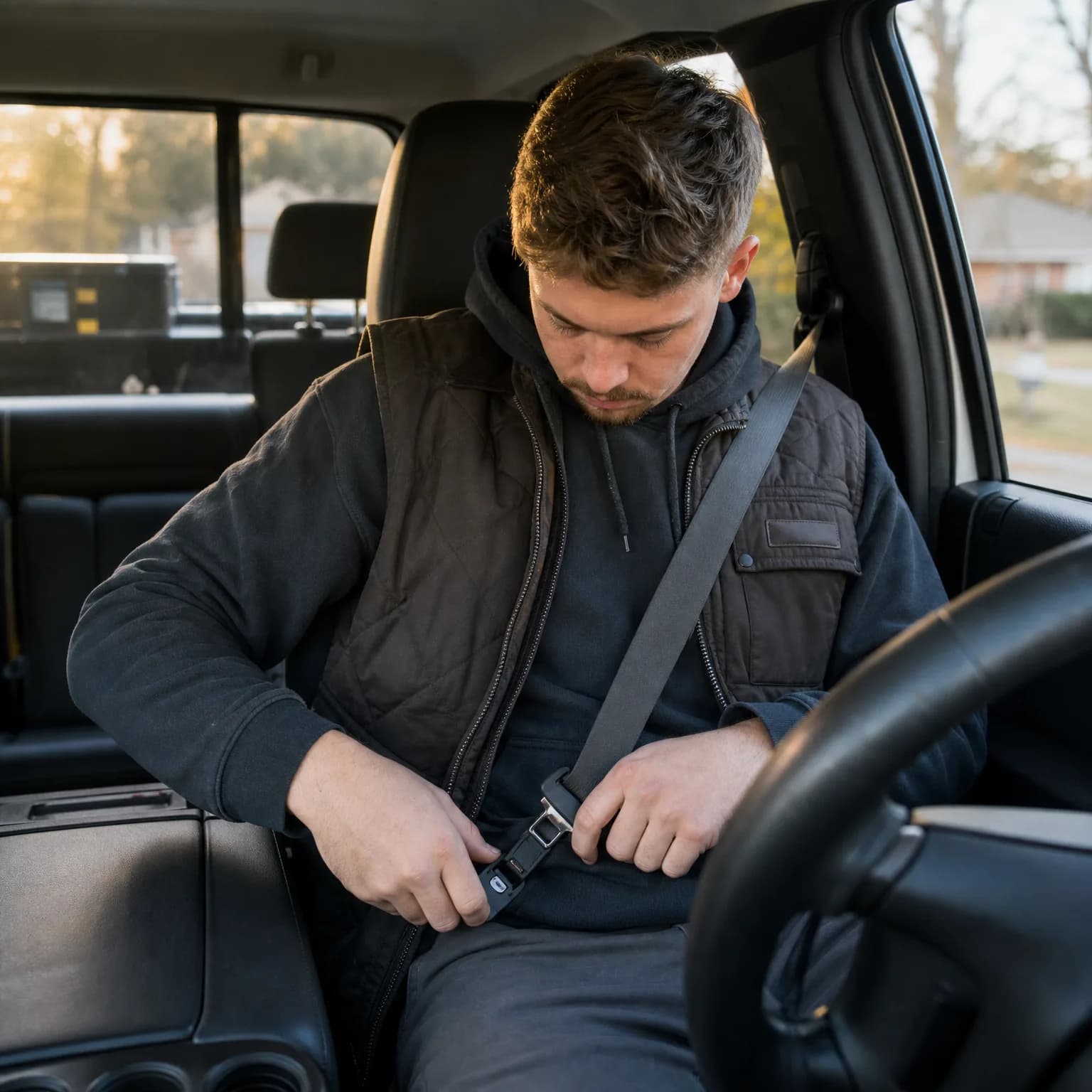
Switching from Non-Owner to Owner SR-22
If you buy or register a vehicle during your non-owner SR-22 filing period, Indiana law requires you to carry owner SR-22 on that vehicle. Contact your insurer within 30 days of registration, add the vehicle to your policy, and confirm they file an updated SR-22 with the BMV reflecting vehicle coverage. Most carriers process this as a policy endorsement rather than a cancellation and new policy, which preserves your filing continuity.
Your premium will increase — adding a vehicle to your policy typically raises your monthly cost by $40–$80 depending on the car's year, make, and value. You'll also need to add collision and comprehensive coverage if you finance or lease the vehicle, and Indiana requires uninsured/underinsured motorist coverage unless you decline it in writing.
If you sell or dispose of the vehicle and return to non-owner status, reverse the process: remove the vehicle from your policy, confirm your insurer files an updated SR-22 showing non-owner liability only, and verify the BMV receives the updated filing. Your premium should decrease back to non-owner rates within one billing cycle. Failing to notify your insurer of vehicle changes can result in a coverage gap or filing termination if the insurer discovers the discrepancy during an audit.

After Your SR-22 Filing Period Ends
Once you complete your full SR-22 filing period in Indiana — typically 3 years from your reinstatement date, not your violation date — your insurer is no longer required to maintain the filing. Some carriers automatically remove the SR-22 and continue your policy as standard non-owner coverage; others send a notice asking if you want to continue coverage or cancel.
If you still don't own a vehicle and occasionally drive borrowed or rental cars, keeping non-owner liability coverage is often worth the $25–$40 per month — it protects you from out-of-pocket liability if you cause an accident in a vehicle you don't own. If you never drive and only maintained the policy for SR-22 compliance, you can cancel once the filing period ends.
Your rates will drop once the SR-22 is removed, but the underlying violation remains on your driving record for 5–7 years in Indiana depending on the offense type. OWI/DUI convictions stay on your record for 5 years from the conviction date; other moving violations remain for 3 years. Expect rate reductions of 15–30% once the SR-22 is removed, with further decreases as the violation ages and eventually drops off your record.
If you buy a car after your SR-22 period ends, shop rates carefully — your violation will still impact pricing, but you'll have access to more carriers and better tier placements than you did during the SR-22 period. Most drivers see their rates return to near-standard levels 3–5 years after a violation if they maintain a clean record during that time.
Frequently Asked Questions
Can I get non-owner SR-22 in Indiana if I have a DUI?
Yes. Indiana allows non-owner SR-22 filing for OWI/DUI convictions as long as you don't own a registered vehicle. Expect to pay $40–$70 per month for state minimum liability coverage, with the SR-22 filing fee of $15–$25 paid once at policy start.
How long does Indiana require SR-22 filing after a DUI?
Indiana typically requires 3 years of SR-22 filing after an OWI/DUI conviction, starting from your license reinstatement date. Your court order or BMV reinstatement letter specifies the exact duration — some high-BAC or repeat offenses carry longer periods.
What happens if my non-owner SR-22 policy lapses in Indiana?
The BMV suspends your license immediately once your insurer files an SR-26 cancellation notice, usually within 15 days of the lapse. Most counties add 90–180 days to your original SR-22 requirement, and you must purchase a new policy and pay a new filing fee to reinstate.
Do I need to switch to owner SR-22 if I buy a car in Indiana?
Yes. Indiana requires you to carry SR-22 on any vehicle you own or register. Contact your insurer within 30 days of buying or registering the car, add it to your policy, and confirm they file an updated SR-22 with the BMV showing vehicle coverage.
Which insurance companies offer non-owner SR-22 in Indiana?
Progressive, The General, and Direct Auto consistently write non-owner SR-22 policies in Indiana. State Farm and Bristol West offer non-owner coverage through agents but may decline high-risk profiles. Comparing quotes from at least three carriers typically produces a 30–50% rate difference.
Related Articles

Does SR-22 Cover My Teen Driver? What Parents Need to Know
5/18/2026

Switch Non-Owner SR-22 to Regular Policy | Timeline
4/2/2026

File SR-22 the Same Day Your Suspension Starts
5/18/2026

SR-22 and Deferred Prosecution: Filing Requirements
5/18/2026

SR-22 and MADD Victim Impact Panels After a DUI
5/18/2026

SR-22 & Florida JUA: Assigned-Risk Pool Explained
5/18/2026