
Non-Owner SR-22 Insurance in Louisiana: High-Risk Filing Guide
Free to compare
When Louisiana Requires Non-Owner SR-22 Filing
Louisiana's Office of Motor Vehicles mandates SR-22 filing after DUI convictions, accumulating 10 or more points in 12 months, driving without insurance, or refusal to submit to chemical testing. If you don't own a vehicle but need to reinstate your license, a non-owner SR-22 policy satisfies the state's proof-of-insurance requirement — the OMV doesn't require you to own or insure a specific vehicle, only to maintain continuous liability coverage.
The SR-22 filing itself costs $25–$50 as a one-time fee, but the underlying non-owner policy runs $25–$65/mo for drivers with clean records. If you have a DUI, expect $75–$150/mo. If you accumulated violations without a DUI, expect $50–$95/mo. The filing period is typically 3 years for DUI, 3 years for no insurance, and 3 years for refusal — the OMV sets the duration based on your specific violation, and the clock doesn't start until you file.
Most drivers assume they can't get SR-22 coverage without owning a car, or that non-owner policies won't satisfy reinstatement. Louisiana law treats non-owner SR-22 the same as owner SR-22 for reinstatement purposes — the OMV only verifies that you maintain continuous liability coverage at state minimum limits of 15/30/25. If the policy lapses or cancels, the insurer notifies the OMV electronically, and your license suspends again within 10 days.

Which Carriers Write Non-Owner SR-22 for High-Risk Drivers in Louisiana
National carriers like GEICO, Progressive, and State Farm offer non-owner policies, but most exclude DUI profiles or high-point drivers from non-owner underwriting entirely. Progressive writes non-owner SR-22 for DUI in Louisiana but prices it 60–80% higher than their standard non-owner rate. GEICO offers non-owner coverage but often declines SR-22 endorsement for DUI or multiple violations in the same term.
Regional non-standard carriers like American Access, Acceptance, and Direct Auto typically write non-owner SR-22 for DUI and suspension cases, but availability varies by parish and driving history. American Access writes DUI non-owner SR-22 statewide but requires no lapses in the prior 90 days. Acceptance writes it but adds a 35–50% surcharge for DUI on top of the non-owner base rate. Direct Auto writes it in most parishes but excludes drivers with two or more DUIs in 5 years.
The filing itself is electronic — the carrier submits Form SR-22 to the Louisiana OMV on your behalf, usually within 24–48 hours of binding coverage. You don't file it yourself. The OMV processes the filing and updates your reinstatement eligibility, but you still need to pay all reinstatement fees, complete any required classes, and serve any hard suspension period before your license is valid again. The SR-22 satisfies the insurance requirement, not the full reinstatement.

What Non-Owner SR-22 Covers and What It Doesn't
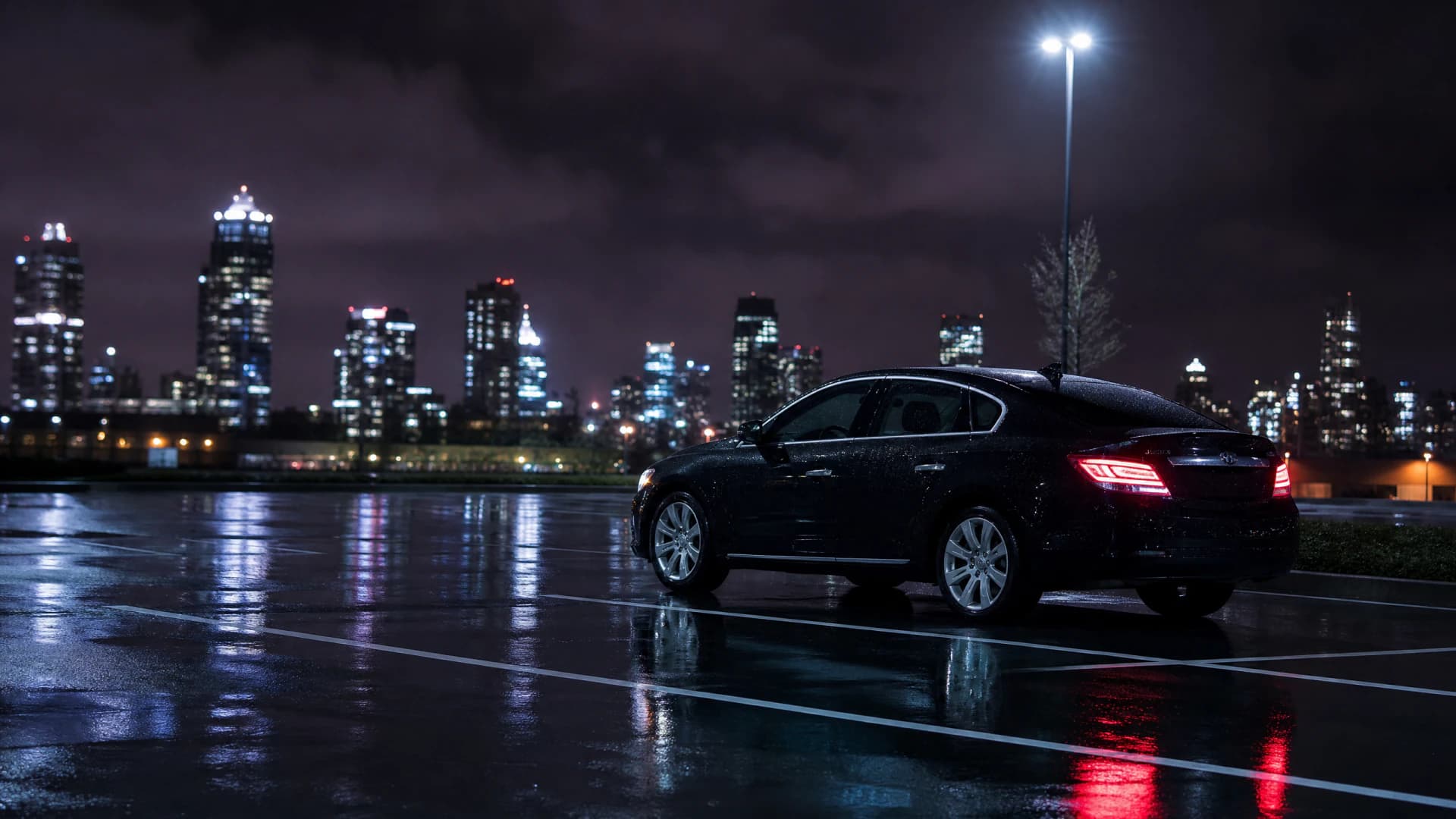
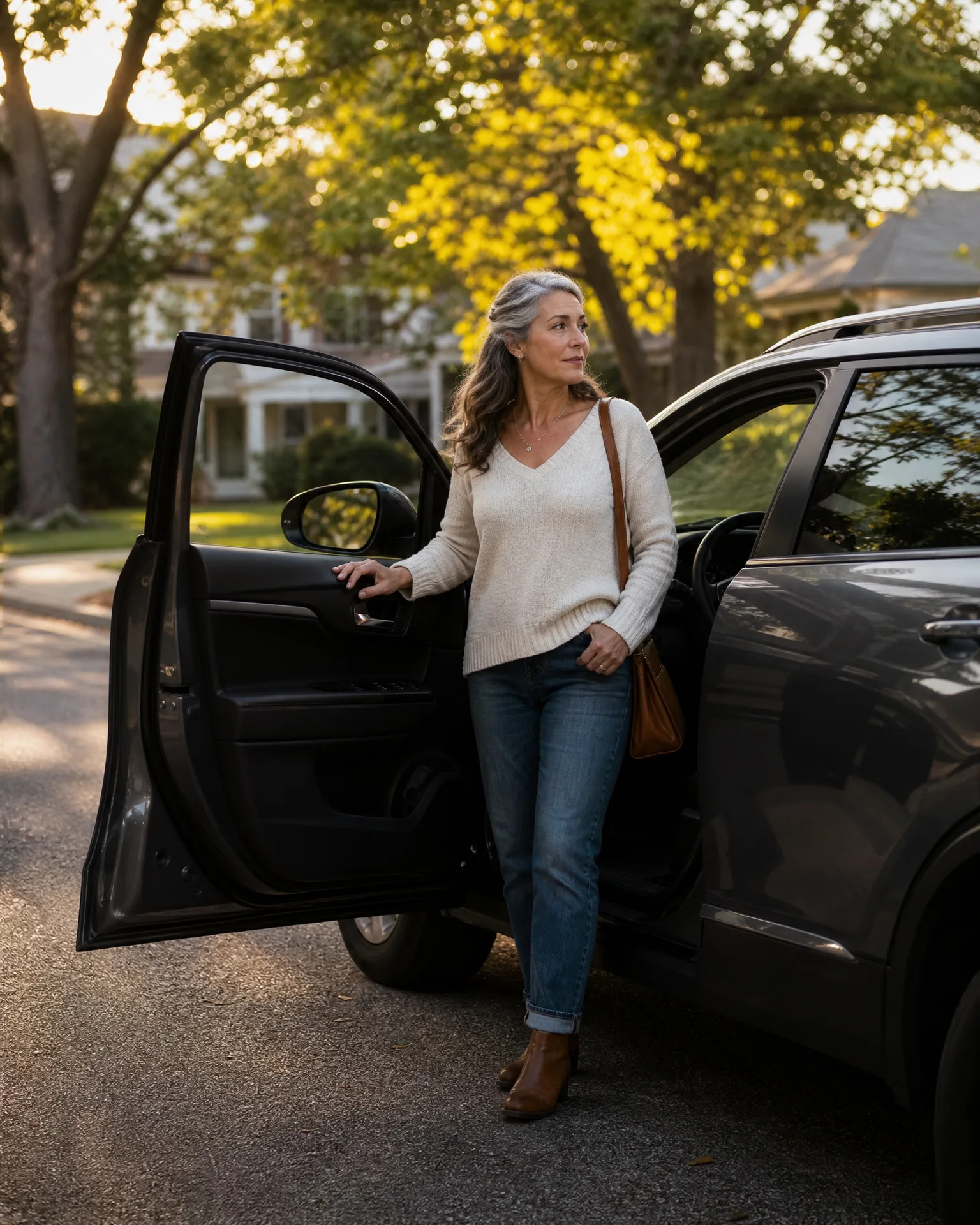
A non-owner SR-22 policy provides liability-only coverage when you drive a vehicle you don't own — it covers bodily injury and property damage you cause to others, meeting Louisiana's 15/30/25 minimum limits. It does not cover damage to the vehicle you're driving, your own injuries, or any vehicle you own or regularly use. If you borrow a car and cause an accident, the non-owner policy pays after the owner's insurance exhausts, acting as secondary coverage.
This structure creates a gap: if you live with someone who owns a car and you're listed as a household member, most non-owner policies exclude coverage when you drive that vehicle. Insurers call this the "regular use" exclusion. If you drive your spouse's, parent's, or roommate's car more than occasionally, the non-owner policy may deny the claim, and the owner's policy may exclude you as an unlisted driver. The solution is to be added as a named driver on the owner's policy instead — but that triggers higher rates on their policy, which is why many drivers attempt the non-owner route.
Non-owner SR-22 also doesn't satisfy reinstatement if you own a vehicle registered in your name, even if you don't drive it. Louisiana's OMV cross-references vehicle registrations against insurance filings — if you own a car, you need an owner SR-22 policy on that vehicle. Keeping the car registered but insuring yourself as a non-owner creates a mismatch that delays reinstatement and can trigger a registration suspension.
Stay Covered While You Drive Borrowed Cars
Find Coverage After ViolationsHow Long You'll Pay Non-Owner SR-22 Rates in Louisiana
Louisiana typically requires SR-22 filing for 3 years after DUI, no insurance, or refusal violations. The period starts the day the OMV receives the SR-22 filing, not the day of the violation or suspension. If you delay filing by 6 months after eligibility, you extend your total time without a valid license by 6 months — the 3-year clock doesn't start until the filing is active.
The SR-22 requirement ends automatically after the filing period expires, but the carrier must submit an SR-26 form to notify the OMV that coverage is ending. If you cancel the policy before the required period ends, the carrier notifies the OMV within 24 hours, your license suspends again, and you restart the filing period from zero. Lapses of even one day reset the clock in most cases — the OMV does not prorate the requirement.
Your non-owner rates will decrease over time as the violation ages, even while the SR-22 requirement remains active. Most carriers re-rate DUI at the 3-year mark, reducing premiums by 30–50% if you've maintained continuous coverage and avoided new violations. After the SR-22 filing period ends, you can switch to a standard non-owner policy or drop coverage entirely if you still don't own a vehicle — but maintaining continuous coverage history improves future rates when you do buy or register a car.

How to Get Non-Owner SR-22 Coverage After a Louisiana Suspension
Start by confirming your SR-22 requirement and filing period with the Louisiana OMV — call (877) 368-5463 or check your suspension notice for the specific violation code and duration. The OMV won't quote insurance or recommend carriers, but they'll confirm whether non-owner SR-22 satisfies your reinstatement and whether you have other pending requirements like DWI classes or ignition interlock.
Request non-owner SR-22 quotes from at least three carriers that write high-risk coverage in Louisiana. Specify your violation type, date, and required filing period — carriers price DUI differently than accumulated points, and misrepresenting your history delays the quote or triggers a decline. Expect quotes within 24–72 hours for non-owner SR-22; standard auto quotes return faster, but non-owner policies require manual underwriting in most cases.
Bind coverage immediately once you select a carrier — the SR-22 filing doesn't transmit to the OMV until the first payment clears and the policy is active. Pay the first month in full if possible; payment plan delays can push the filing date back by several days. The carrier submits the SR-22 electronically, and the OMV typically processes it within 3–5 business days. You can verify filing status by calling the OMV or checking your online driver record — once the SR-22 appears, you can proceed with paying reinstatement fees and scheduling any required appointments. If the SR-22 doesn't appear within 7 days, contact the carrier to confirm transmission; filing errors or mismatched personal information can delay or reject the submission, and each resubmission adds days to your reinstatement timeline.
Frequently Asked Questions
Can I get non-owner SR-22 insurance in Louisiana with a DUI?
Yes, but most national carriers exclude DUI profiles from non-owner policies. Regional non-standard carriers like American Access, Acceptance, and Direct Auto write non-owner SR-22 for DUI in Louisiana, with rates typically $75–$150/mo depending on how recent the DUI is and whether you have other violations. The SR-22 filing itself adds $25–$50 as a one-time fee.
How long do I need to keep non-owner SR-22 insurance in Louisiana?
Louisiana typically requires SR-22 filing for 3 years after DUI, no insurance, or refusal violations. The period starts when the OMV receives the SR-22 filing, not when the violation occurred. If you cancel or let the policy lapse before the 3 years end, your license suspends again and the filing period restarts from zero.
Will a non-owner SR-22 policy cover me if I drive my spouse's car?
Non-owner policies provide secondary coverage when you drive a car you don't own, but most exclude coverage for vehicles you regularly use or that are owned by household members. If you live with your spouse and drive their car regularly, you should be added as a named driver on their policy instead — the non-owner policy will likely deny the claim under the regular use exclusion.
What happens if my non-owner SR-22 policy lapses in Louisiana?
The carrier notifies the Louisiana OMV within 24 hours of cancellation or lapse, and your license suspends again within 10 days. The SR-22 filing period restarts from zero — if you lapse 2 years into a 3-year requirement, you'll owe another full 3 years once you refile. Lapses also trigger higher rates when you reapply, as carriers treat coverage gaps as high-risk indicators.
Do I need non-owner SR-22 if I don't drive anymore?
If Louisiana requires SR-22 filing to reinstate your license, you must maintain it for the full required period even if you don't drive. The OMV mandates continuous proof of insurance, not proof of driving. If you let the requirement lapse, your license remains suspended indefinitely, which can complicate future reinstatement and employment background checks.
Related Articles

Does SR-22 Cover My Teen Driver? What Parents Need to Know
5/18/2026
Switch Non-Owner SR-22 to Regular Policy | Timeline
4/2/2026
File SR-22 the Same Day Your Suspension Starts
5/18/2026
SR-22 and Deferred Prosecution: Filing Requirements
5/18/2026
SR-22 and MADD Victim Impact Panels After a DUI
5/18/2026
SR-22 & Florida JUA: Assigned-Risk Pool Explained
5/18/2026