Non-Owner SR-22 in Wisconsin: What It Covers After a Violation
Free to compare
What Triggers the Non-Owner SR-22 Requirement in Wisconsin
Wisconsin mandates SR-22 for drivers convicted of operating while intoxicated (OWI), driving with a suspended or revoked license, at-fault accidents without insurance, or accumulating excessive points within a 12-month period. The Wisconsin Department of Transportation assigns the filing requirement based on the specific violation, and the duration varies from 3 years for most OWI convictions to 2 years for certain point-related suspensions.
Non-owner SR-22 applies when you don't have regular access to a vehicle but still need to satisfy the state's proof-of-financial-responsibility mandate. This filing confirms you carry liability coverage that meets Wisconsin's minimum requirements — $25,000 bodily injury per person, $50,000 per accident, and $10,000 property damage — even though you don't own the car you're driving.
The filing period begins only when the SR-22 is active and accepted by the DMV. If your conviction date was six months ago but you just filed SR-22 today, your 3-year clock starts today, not at conviction. Courts don't backdate compliance, which is why drivers who delay filing often end up carrying SR-22 longer than legally required from the violation date.

How Non-Owner SR-22 Coverage Works in Wisconsin
A non-owner SR-22 policy in Wisconsin provides liability-only coverage when you drive a vehicle you don't own. It does not cover damage to the car you're driving, your own injuries, or comprehensive and collision losses. If you borrow a friend's car and cause an accident, your non-owner policy pays for the other driver's injuries and property damage up to your policy limits — but the vehicle owner's insurance is typically primary.
Monthly premiums for non-owner SR-22 in Wisconsin after an OWI typically range from $40 to $90 per month, depending on your violation history, age, and which carrier accepts your risk profile. The SR-22 filing fee itself is usually $25 to $50, paid once at policy inception and again if you change carriers or let coverage lapse.
Non-owner policies do not satisfy the SR-22 requirement if you own a registered vehicle in Wisconsin or any other state. If the DMV discovers you've titled or registered a car while carrying non-owner coverage, they may suspend your license again for noncompliance. This is a common failure mode for drivers who buy a car mid-filing period without switching to a standard owner policy with SR-22 endorsement.
What Happens If Your Non-Owner SR-22 Lapses in Wisconsin
Wisconsin law requires continuous SR-22 coverage for the entire mandated period. If your insurer cancels your policy for non-payment or you voluntarily drop coverage, the carrier must notify the Wisconsin DMV within 10 days. The DMV then suspends your driving privileges until you reinstate coverage and pay a $60 license reinstatement fee.
Most critically, a lapse restarts your SR-22 clock in Wisconsin. If you were 18 months into a 3-year requirement and your policy lapses, the full 3-year period begins again from the date you reinstate compliant coverage. This is not a discretionary penalty — it's how Wisconsin's administrative code structures the filing period for proof of financial responsibility.
Reinstatement after a lapse requires filing a new SR-22, paying the reinstatement fee, and often finding a new carrier willing to write you after a non-payment cancellation. Expect a 15% to 30% premium increase compared to your original non-owner policy, as insurers treat lapses as a high-risk signal even within the already non-standard market.

Stay Covered While You Drive Borrowed Cars
Find Coverage After ViolationsWhich Carriers Write Non-Owner SR-22 in Wisconsin
Not all insurers offer non-owner SR-22 policies in Wisconsin, and many standard carriers decline SR-22 business entirely. Non-standard and high-risk carriers that commonly write non-owner SR-22 in Wisconsin include Direct Auto, The General, Bristol West, Dairyland, and Progressive's non-standard division. Regional carriers such as American Family and West Bend may write non-owner SR-22 for drivers with single violations but typically decline repeat OWI offenders.
Rate variation among carriers for the same driver profile can exceed 40%, so comparing at least three quotes is standard practice for high-risk drivers. A 32-year-old male with one OWI in Milwaukee might pay $55 per month with one carrier and $85 with another for identical coverage limits. The difference reflects each insurer's proprietary risk model and appetite for OWI violations in Wisconsin.
Some carriers require six months of continuous coverage before offering payment plans, meaning you may need to pay the full six-month premium upfront — typically $240 to $540 — at policy inception. This is a barrier for many drivers who need SR-22 immediately after license reinstatement but lack cash reserves.
When to Switch from Non-Owner to Owner SR-22
If you purchase or register a vehicle in Wisconsin while your SR-22 requirement is still active, you must immediately switch from non-owner to standard owner SR-22 coverage. Continuing to drive a car you own under a non-owner policy violates the terms of your SR-22 mandate and can result in license suspension for misrepresentation of coverage.
The transition typically takes 1 to 3 business days if you contact your carrier before registering the vehicle. Your insurer will cancel the non-owner policy, issue a standard auto policy with SR-22 endorsement, and file the updated SR-22 with the Wisconsin DMV electronically. There should be no gap in coverage, and the SR-22 filing period does not restart as long as the transition is seamless.
Expect a significant premium increase when switching to owner coverage. A non-owner policy that cost $60 per month might become a $180 to $320 per month standard auto policy with SR-22, depending on the vehicle's value, your coverage limits, and whether you add comprehensive and collision. This is why some drivers delay purchasing a vehicle until their SR-22 period expires, though that decision depends on your transportation needs and financial situation.
How Long You'll Carry Non-Owner SR-22 in Wisconsin
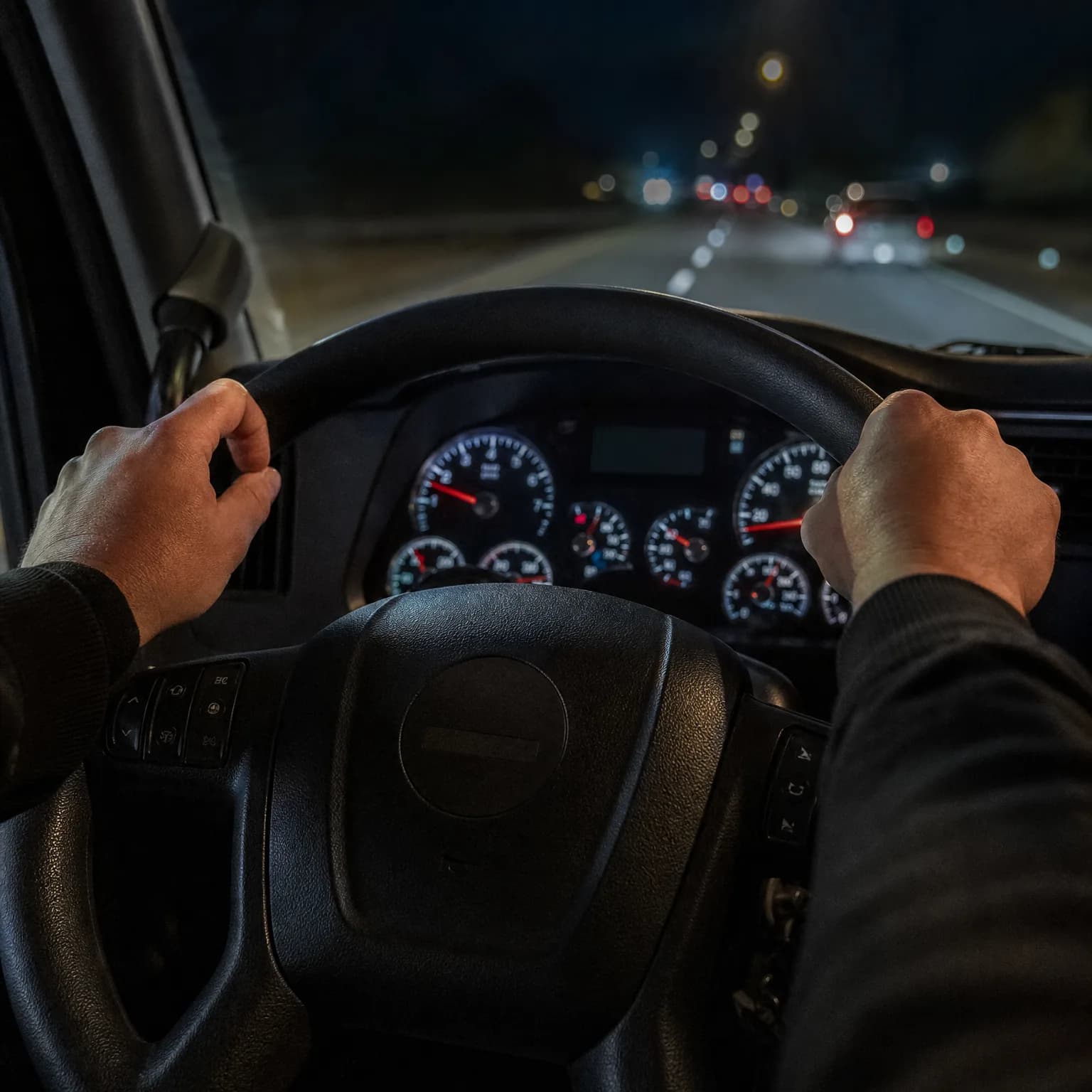
Wisconsin's SR-22 duration is set by the violation type and court order, not by the DMV's discretion. First-offense OWI convictions typically require 3 years of SR-22 filing. Operating after revocation (OAR) or repeat OWI offenses may extend the requirement to 5 years or longer, depending on the sentencing order.
The filing period does not include time when your license is suspended or revoked unless you maintain an occupational license with active SR-22. If you serve a 9-month revocation without driving, then reinstate with SR-22, the 3-year clock starts at reinstatement. This surprises many drivers who assume the filing period runs concurrently with the suspension.
Once you've completed the full required period without lapses, your insurer does not automatically cancel your SR-22 or notify you. You must contact your carrier and request SR-22 removal. The carrier will then file an SR-26 form with Wisconsin DMV, officially terminating the SR-22 requirement. Expect your premium to drop 10% to 25% once the SR-22 is removed, though your violation will still affect your rates until it ages off your driving record — typically 5 years from conviction in Wisconsin.
Frequently Asked Questions
Can I get non-owner SR-22 in Wisconsin with a DUI from another state?
Yes, if Wisconsin is your state of residence and the other state reported the conviction to Wisconsin's DMV, you'll need to file SR-22 in Wisconsin to reinstate your license here. The filing must meet Wisconsin's minimum liability limits, even if the conviction occurred elsewhere.
What happens if I move out of Wisconsin while my SR-22 is active?
You must notify your insurer and file SR-22 in your new state of residence if that state also requires it. Wisconsin's SR-22 requirement doesn't transfer automatically, but your new state may impose its own filing mandate based on your violation history. Letting Wisconsin SR-22 lapse before establishing new-state coverage can suspend your Wisconsin license and complicate licensing in the new state.
Does non-owner SR-22 cover me if I rent a car in Wisconsin?
Yes, non-owner SR-22 provides liability coverage when you rent a car, but it does not cover damage to the rental vehicle itself. You'll need to purchase the rental company's collision damage waiver or use a credit card benefit to cover the rental car's physical damage.
Can I cancel my non-owner SR-22 early if I no longer drive?
No. Wisconsin requires continuous SR-22 for the full court-ordered or DMV-assigned period, regardless of whether you're actively driving. Canceling early will suspend your license and restart the filing period when you reinstate coverage.
How much does non-owner SR-22 cost in Wisconsin after an OWI?
Monthly premiums typically range from $40 to $90, with a one-time SR-22 filing fee of $25 to $50. Your exact rate depends on your age, violation history, and which non-standard carrier accepts your risk profile.
Related Articles

Does SR-22 Cover My Teen Driver? What Parents Need to Know
5/18/2026
Switch Non-Owner SR-22 to Regular Policy | Timeline
4/2/2026
File SR-22 the Same Day Your Suspension Starts
5/18/2026

SR-22 and Deferred Prosecution: Filing Requirements
5/18/2026

SR-22 and MADD Victim Impact Panels After a DUI
5/18/2026

SR-22 & Florida JUA: Assigned-Risk Pool Explained
5/18/2026