
Non-Owner SR-22 Renewal: What to Do Before It Expires
Free to compare
Why Non-Owner SR-22 Renewals Don't Work Like Regular Car Insurance
Standard auto insurance policies renew automatically every 6 or 12 months with advance notice mailed to your address. Non-owner SR-22 policies often don't follow that pattern. Because you have no vehicle on the policy and no collision or comprehensive coverage to adjust, many carriers treat non-owner policies as liability-only certificates that require manual renewal.
That means you won't always receive a renewal reminder 30 days before your policy expires. Some carriers send them, but others expect you to call or log in to renew. If you miss the deadline, the carrier files an SR-26 or FR-44 cancellation notice with your state DMV within 24–48 hours, triggering an immediate suspension notice.
The filing period for your SR-22 — typically 3 years in most states — doesn't pause when your policy lapses. If you're required to maintain continuous SR-22 coverage from January 2023 to January 2026 and your policy cancels in June 2024, you don't get credit for those months. Most states restart the entire 3-year requirement from the date you refile.
Non-owner policies are also more likely to be written on 6-month terms instead of 12-month terms, which doubles the number of renewal deadlines you need to track. If you signed up in March and your policy renews every 6 months, you have renewal deadlines in September and March every year until your SR-22 requirement ends.

When to Start the Renewal Process
Start your non-owner SR-22 renewal 30 to 45 days before your current policy expires. This gives you time to compare rates if your current carrier raises your premium, resolve any payment issues, and ensure the new SR-22 filing reaches your state before the old one cancels.
If you wait until the week before expiration, you're at risk of a coverage gap even if you pay on time. Some states take 3–5 business days to process a new SR-22 filing, and if your old policy cancels on the 15th but your new filing doesn't post until the 18th, you've technically driven without an SR-22 for 3 days — enough to trigger a suspension notice in states like California, Florida, and Virginia.
Most carriers allow you to renew as early as 60 days out, but your new policy won't take effect until the day after your current policy ends. That means you can lock in your rate and file your SR-22 in advance without paying for overlapping coverage. If your rate has increased significantly since your last term — common if you've added a new violation or your carrier reclassified your risk tier — you have time to shop and switch carriers without a lapse.
Set a calendar reminder for 45 days before each renewal deadline. If you're on a 6-month term, set two reminders per year. If you're on a 12-month term, set one. Missing a single renewal can add 6–12 months to your total SR-22 requirement in states that restart the clock after a lapse.

What Happens If Your Non-Owner SR-22 Policy Lapses
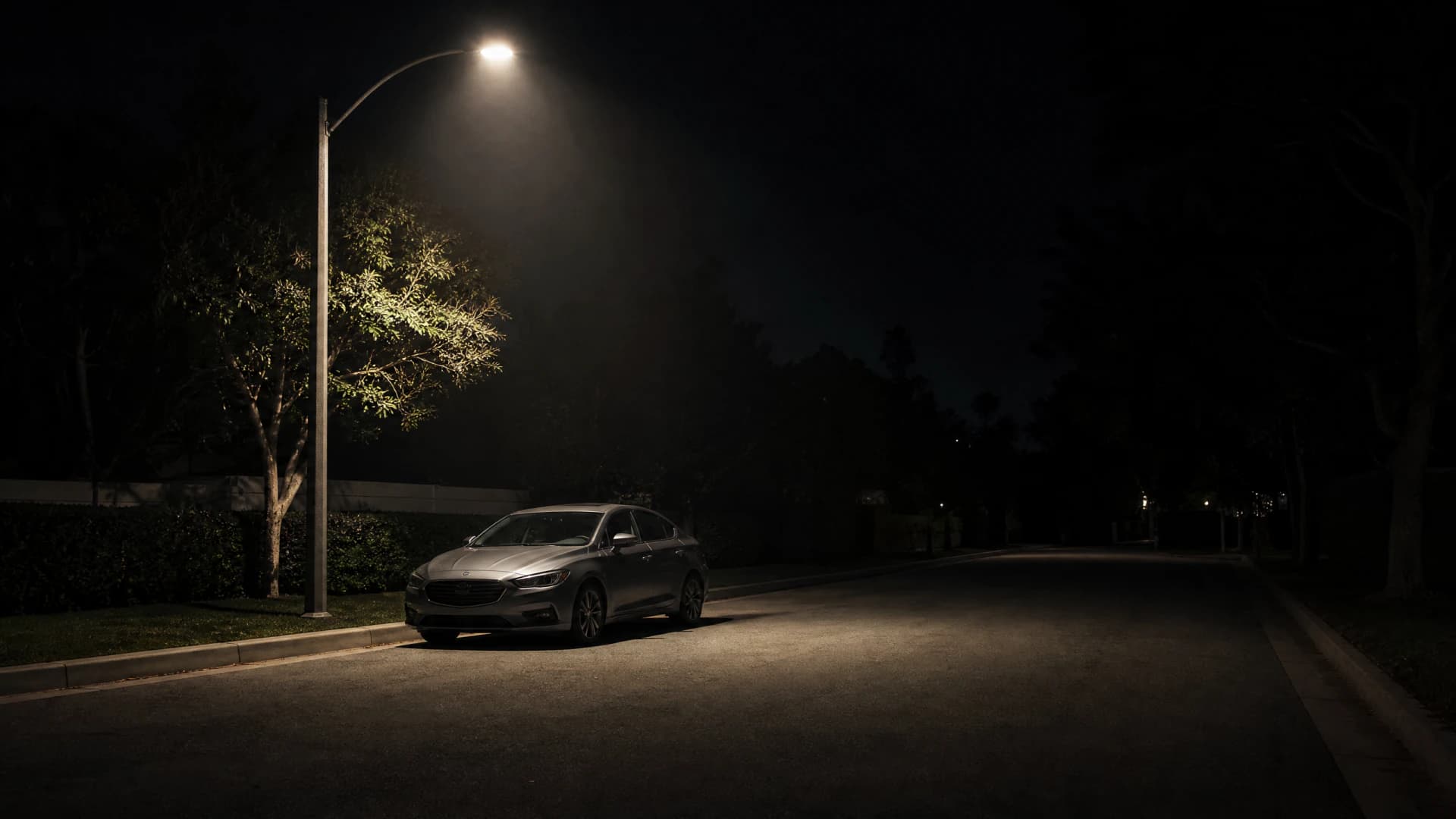
If your non-owner SR-22 policy cancels for non-payment or non-renewal, your insurance carrier is legally required to notify your state DMV. That notification — called an SR-26 in most states — is filed electronically within 24 to 48 hours of cancellation. Your state processes it immediately and mails a suspension notice to your last known address.
You typically have 10 to 30 days from the lapse date to reinstate your SR-22 before your license is formally suspended, but that window varies by state. In Illinois, you have 10 days. In Texas, you have 30 days. In Florida, the suspension is effective the same day the SR-26 is filed, though you can request a hardship hearing if you refile within 30 days.
Reinstating after a lapse requires you to purchase a new non-owner SR-22 policy, pay a reinstatement fee to your DMV — typically $50 to $250 — and in some states, restart your entire SR-22 filing period from scratch. If you were 2 years into a 3-year requirement and you lapse, some states will require you to file for another full 3 years from the date you reinstate.
Rates after a lapse are higher than renewal rates. Carriers view an SR-22 lapse as a high-risk signal, and your premium may increase 20–40% compared to what you were paying before the cancellation. If you lapsed due to non-payment, some carriers will require you to pay the full 6-month premium upfront instead of offering monthly payment plans.

Stay Covered While You Drive Borrowed Cars
Find Coverage After ViolationsHow to Renew Your Non-Owner SR-22 Policy
Log in to your carrier's online portal or call their SR-22 department directly 30–45 days before your expiration date. Ask for a renewal quote and confirm that the SR-22 filing will automatically carry over to the new term. Most carriers re-file your SR-22 at renewal at no additional cost, but a few charge a $15–$25 filing fee each time.
If your rate has increased more than 15–20% since your last term, request a comparison quote from at least two other non-standard carriers. Non-owner SR-22 rates vary widely by carrier — the same driver profile might pay $45/month with one carrier and $85/month with another. Switching carriers mid-requirement is allowed as long as there's no coverage gap between your old policy's end date and your new policy's start date.
Confirm your new policy's effective date and SR-22 filing date in writing before you cancel your old policy. If your current policy expires on June 15, your new policy must start on June 16 and the SR-22 must be filed with your state by June 16. Some carriers file the SR-22 the same day your policy binds; others take 1–3 business days. Ask explicitly: "When will the SR-22 be filed with the DMV?"
Once your renewal is active, log in to your state DMV's online license portal 5–7 days later to confirm your SR-22 is on file and your license status shows as valid. If the filing hasn't posted, contact your carrier immediately and request proof of filing. Most carriers can email you a copy of the SR-22 form stamped with the state filing date.

What to Do If You No Longer Need the SR-22
Do not cancel your non-owner SR-22 policy until you receive written confirmation from your state DMV that your filing requirement has ended. Your carrier's estimate of your end date is not official. Courts, DMVs, and administrative hearing offices set SR-22 durations, and clerical errors are common.
Request a copy of your driving record from your state DMV 30–60 days before your expected end date. Look for a field labeled "SR-22 end date," "financial responsibility requirement," or "proof of insurance required through." If that field shows a date in the past or says "none," call your state's driver services or financial responsibility unit and ask them to confirm in writing that you're cleared to cancel.
Once you have written confirmation, contact your insurance carrier and request an SR-22 release. This tells the carrier to stop filing your SR-22 with the state. Some carriers process releases immediately; others take 3–5 business days. If you cancel your policy without requesting a release, the carrier may still file an SR-26 cancellation notice, which can trigger a suspension notice even if you're no longer required to carry an SR-22.
If you plan to drive after your SR-22 requirement ends, you'll still need liability insurance — you just won't need the SR-22 certificate attached to it. If you don't own a car, you can keep your non-owner policy active without the SR-22 filing, often at a lower rate. If you've purchased a vehicle, you'll need to switch to a standard auto policy. Drivers transitioning off SR-22 requirements often see rate reductions of 15–30% once the filing is removed, though your violation history will still affect your premium for 3–5 years depending on your state's rating rules.

How to Compare Rates Before Renewal
Non-owner SR-22 rates are not standardized. The same driver with the same violation in the same state can receive quotes ranging from $40/month to $120/month depending on the carrier's risk appetite and underwriting tier. If your current carrier is raising your rate at renewal, you're not locked in — you can switch as long as there's no gap in coverage.
Request quotes from at least three non-standard carriers that write non-owner SR-22 policies in your state. Not all carriers offer non-owner coverage, and among those that do, only a subset will write SR-22 filings. National carriers like GEICO, Progressive, and The General write non-owner SR-22 policies in most states, but regional carriers may offer lower rates depending on your violation type and location.
When comparing quotes, confirm that each policy includes the same liability limits and that the SR-22 filing fee is included in the quoted premium. Some carriers advertise low monthly rates but charge a separate $25–$50 filing fee at renewal. Others bundle the filing fee into the premium. Ask: "Does this rate include the SR-22 filing, or is that billed separately?"
Bind your new policy to start the day after your current policy ends, and request proof of the SR-22 filing in writing. Do not cancel your old policy until you've confirmed the new SR-22 has been filed with your state. Once the new filing is active, you can cancel the old policy without penalty. Most non-owner policies are written with no cancellation fee, but confirm this in your policy documents before you switch.
Frequently Asked Questions
Will my insurance company remind me when my non-owner SR-22 is about to expire?
Not always. Many carriers don't send renewal notices for non-owner policies because there's no vehicle to insure and no premium adjustment to review. You're responsible for tracking your own renewal deadline and initiating the process 30–45 days early. Set a calendar reminder for every renewal date to avoid a lapse.
Can I switch carriers in the middle of my SR-22 requirement?
Yes, as long as there's no gap in coverage between your old policy's end date and your new policy's start date. Bind your new policy to begin the day after your current policy expires, confirm the new SR-22 has been filed with your state, then cancel the old policy. Most non-owner policies have no cancellation fee.
What happens if I forget to renew and my non-owner SR-22 cancels?
Your carrier files an SR-26 cancellation notice with your state DMV within 24–48 hours, triggering a suspension notice. You typically have 10–30 days to refile before your license is formally suspended, but the window varies by state. Some states restart your entire SR-22 filing period from the date you reinstate after a lapse.
How much does a non-owner SR-22 renewal cost compared to the first term?
Rates usually stay similar if your driving record hasn't changed, but they can increase 10–25% if you've added a new violation or your carrier has reclassified your risk tier. If your renewal rate jumps more than 20%, compare quotes from other non-standard carriers — the same coverage can vary by $40–$80/month between carriers.
How do I know when my SR-22 requirement officially ends?
Request a copy of your driving record from your state DMV 30–60 days before your expected end date. Look for a field showing your SR-22 end date or financial responsibility requirement. Do not cancel your policy based on your carrier's estimate — only cancel after you receive written confirmation from your DMV that the requirement has been lifted.
Related Articles

Does SR-22 Cover My Teen Driver? What Parents Need to Know
5/18/2026

Switch Non-Owner SR-22 to Regular Policy | Timeline
4/2/2026

File SR-22 the Same Day Your Suspension Starts
5/18/2026
SR-22 and Deferred Prosecution: Filing Requirements
5/18/2026

SR-22 and MADD Victim Impact Panels After a DUI
5/18/2026

SR-22 & Florida JUA: Assigned-Risk Pool Explained
5/18/2026