
Non-Owner SR-22 Requirements in Maryland — MVA Filing Guide
Free to compare
When Maryland Requires Non-Owner SR-22 Filing
Maryland calls its SR-22 certificate an FR-19 form, filed directly with the Motor Vehicle Administration by your insurer. You need non-owner FR-19 if your license was suspended for DUI, multiple violations, driving uninsured, or an at-fault accident while uninsured — and you don't own a vehicle. The MVA mandates 3 years of continuous FR-19 filing from your reinstatement date, not from the violation date.
If you let coverage lapse for even one day during that 3-year window, your insurer notifies the MVA within 10 days, your license is re-suspended, and the 3-year clock resets from your next reinstatement. This is where most non-owner filers in Maryland lose months or years: they assume a brief lapse won't be caught, or they wait weeks to reinstate after a carrier drops them for non-payment.
Non-owner policies exist specifically for this scenario — you need proof of financial responsibility but have no car to insure. Maryland accepts non-owner FR-19 filings for reinstatement as long as the policy meets state minimum liability limits: 30/60/15 (30,000 per person bodily injury, 60,000 per accident, 15,000 property damage). You cannot register a vehicle under a non-owner policy, but you can drive borrowed or rental cars while maintaining your legal filing requirement.

What Non-Owner FR-19 Coverage Costs in Maryland
Non-owner SR-22 policies in Maryland typically cost $30 to $75 per month for minimum liability limits, depending on your violation type and how recent it is. A DUI conviction usually places you in the $60–$75/month range for the first year post-reinstatement. Multiple moving violations or an at-fault uninsured accident generally cost $40–$60/month. The FR-19 filing fee itself is a one-time $50 charge added by most carriers, though some non-standard insurers waive it.
These rates assume you're buying only the state-required 30/60/15 liability. If a carrier quotes you comprehensive, collision, or higher limits on a non-owner policy, you're being oversold — non-owner policies by definition cover no physical vehicle. Some agents push higher liability limits (50/100/50 or 100/300/100) as "better protection," but unless you're regularly driving high-value borrowed vehicles, minimum limits satisfy your MVA filing requirement at the lowest cost.
Rates drop 15–25% at each policy renewal if you maintain continuous coverage with no new violations. After 3 years, once the MVA releases your FR-19 requirement, expect rates to fall another 30–40% if you transition to a standard policy or drop non-owner coverage entirely. Carriers that specialize in high-risk Maryland filings — including The General, Direct Auto, and Dairyland — often offer the most competitive non-owner rates because they don't penalize you for lack of vehicle ownership the way standard carriers do.

How to File Non-Owner FR-19 with the Maryland MVA
You do not file the FR-19 yourself. Your insurance carrier files it electronically with the MVA within 24–48 hours of binding your non-owner policy. The MVA's system updates your license status once the filing is received, but reinstatement is not automatic — you still need to pay all outstanding fines, complete any required alcohol education programs, and submit a reinstatement application with the $90 fee (or $50 for certain suspension types) before the MVA lifts your suspension.
The filing sequence matters: get your non-owner policy bound first, confirm the insurer has transmitted the FR-19 to the MVA, then submit your reinstatement application. If you apply for reinstatement before the FR-19 is on file, the MVA rejects your application and you lose the fee. Most non-standard carriers can confirm electronic filing within 24 hours; if yours can't, call the MVA driver wellness and safety division at 410-768-7000 to verify receipt before paying the reinstatement fee.
Once reinstated, your non-owner policy must remain active for 3 consecutive years with zero lapses. If you buy a vehicle during that period, you must convert to a standard auto policy with FR-19 filing on the owned vehicle — the non-owner policy terminates the moment you register a car in your name. Notify your carrier immediately when you purchase a vehicle; most allow same-day conversion to avoid any coverage gap that would trigger MVA suspension.

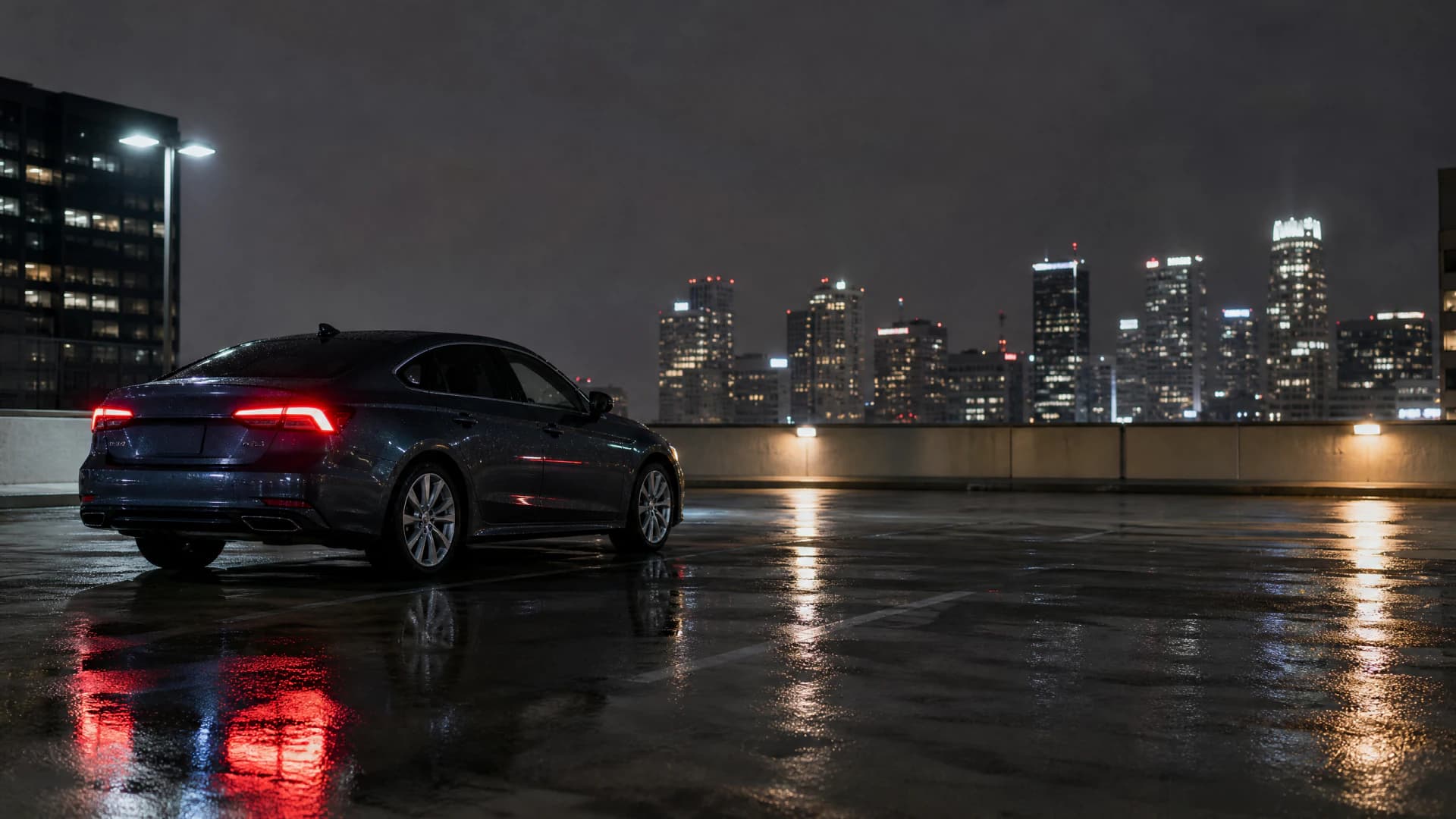
Stay Covered While You Drive Borrowed Cars
Find Coverage After ViolationsWhich Carriers Write Non-Owner FR-19 in Maryland
Not every insurer writes non-owner policies, and fewer still accept FR-19 filing requirements. State Farm, Allstate, and Geico either decline non-owner SR-22 requests outright or offer rates 40–60% higher than non-standard specialists. Carriers that consistently write Maryland non-owner FR-19 policies include The General, Direct Auto, Dairyland, National General, and Bristol West.
These carriers underwrite specifically for high-risk profiles — DUIs, lapses, multiple violations — so your violation doesn't trigger the same rate multiplier it would at a standard carrier. The General and Direct Auto both operate storefronts in Baltimore, Silver Spring, and other Maryland metro areas where you can bind a policy and receive proof of FR-19 filing same-day. Online quotes through non-standard aggregators often return results within 10 minutes, but confirm the carrier can file FR-19 electronically with the MVA before binding — some smaller regional carriers still use paper filings, which delay reinstatement by 7–10 days.
If you're quoted over $100/month for non-owner FR-19 coverage at minimum limits, you're likely being routed to a standard carrier that adds a surcharge for non-owner and another for SR-22. Request quotes from at least three non-standard carriers before binding. Rates vary by as much as 50% between carriers for identical coverage and identical violation histories.

What Happens If Your Non-Owner FR-19 Lapses
Maryland law requires your insurer to notify the MVA within 10 days of any policy cancellation or lapse. The MVA then suspends your license effective immediately — no grace period, no warning letter. If you're caught driving during that suspension, you face a $500 fine for the first offense and up to 1 year in jail for a second.
More importantly, the lapse resets your 3-year FR-19 filing requirement. If you maintained coverage for 18 months, let it lapse for 2 weeks, then reinstated, you now owe 3 full years from the new reinstatement date — not the remaining 18 months from your original timeline. This is the single most expensive mistake Maryland non-owner filers make, often costing an additional $2,000–$3,000 in premiums over the extended filing period.
To avoid lapses: set up automatic payment from a bank account (not a debit card, which can expire or be declined), and monitor your email for carrier notices. If you need to switch carriers mid-filing period, bind the new policy before canceling the old one. Even a single day without active FR-19 on file triggers MVA suspension. Most non-standard carriers allow you to transfer your filing to a new policy with them or a competitor without interruption, but you must initiate the new policy first.

Moving Forward After Your 3-Year Filing Period
Once you've maintained continuous non-owner FR-19 coverage for 3 years, the MVA releases the filing requirement and your insurer stops transmitting the certificate. Your rates drop immediately — expect a 30–50% reduction if you stay with the same non-standard carrier, or transition to a standard carrier if your record now qualifies.
If you still don't own a vehicle, you can drop non-owner coverage entirely once the FR-19 requirement ends, though some drivers maintain it for liability protection when borrowing or renting cars. If you purchased a vehicle during the 3-year period and converted to a standard policy with FR-19, the certificate simply stops being filed but your auto policy continues unchanged.
Your violation remains on your Maryland MVA record for 3 years from the conviction date (5 years for DUI), but insurers typically reduce rate surcharges annually as the violation ages. A DUI that triggered a 90% rate increase in year one may add only 40% by year three, and 10–15% by year five. Shopping your rate every 12 months during and after your FR-19 period ensures you're not paying yesterday's high-risk rate for today's improved record.
Frequently Asked Questions
Can I get non-owner SR-22 in Maryland if I have a DUI?
Yes. Maryland accepts non-owner FR-19 filings for DUI reinstatement as long as you meet all other MVA requirements, including alcohol education and ignition interlock if mandated. Non-owner policies with FR-19 for DUI typically cost $60–$75/month at minimum liability limits.
How long does it take for the MVA to receive my FR-19 filing?
Most carriers file FR-19 electronically with the Maryland MVA within 24–48 hours of binding your policy. You can verify receipt by calling the MVA at 410-768-7000 before submitting your reinstatement application to avoid rejected applications and lost fees.
What happens if I buy a car while on a non-owner FR-19 policy?
Your non-owner policy terminates the moment you register a vehicle in your name. You must immediately convert to a standard auto policy with FR-19 filing on the owned vehicle to avoid a coverage gap that would trigger MVA suspension and reset your 3-year filing requirement.
Do I still need non-owner insurance after my 3-year FR-19 requirement ends?
No, the FR-19 requirement ends after 3 consecutive years of coverage. You can drop non-owner insurance entirely if you don't own a vehicle, though some drivers keep it for liability protection when driving borrowed or rental cars.
Will my non-owner FR-19 rate go down each year?
Yes. Non-owner SR-22 rates typically drop 15–25% at each annual renewal if you maintain continuous coverage with no new violations. After the 3-year filing period ends, expect an additional 30–40% reduction if you transition to a standard carrier.
Related Articles

Does SR-22 Cover My Teen Driver? What Parents Need to Know
5/18/2026
Switch Non-Owner SR-22 to Regular Policy | Timeline
4/2/2026
File SR-22 the Same Day Your Suspension Starts
5/18/2026

SR-22 and Deferred Prosecution: Filing Requirements
5/18/2026

SR-22 and MADD Victim Impact Panels After a DUI
5/18/2026

SR-22 & Florida JUA: Assigned-Risk Pool Explained
5/18/2026