
Non-Owner SR-22 Filing in New Hampshire: DMV Process & Cost
Free to compare
Why Non-Owner SR-22 Exists in a No-Mandate State
New Hampshire operates under a voluntary insurance model — the state does not require liability coverage unless you've been involved in an at-fault accident, received a DUI, or accumulated multiple violations. Once you're ordered to file SR-22 proof of financial responsibility, the voluntary system no longer applies to you. You must maintain continuous liability coverage for the court-ordered duration, typically three years for DUI or serious violations.
If you don't own a car, a non-owner SR-22 policy is the only way to satisfy the filing requirement without purchasing a vehicle you don't need. This policy provides liability coverage when you drive a borrowed or rental car and allows an insurer to file the SR-22 certificate with the New Hampshire Division of Motor Vehicles on your behalf.
The DMV tracks your SR-22 filing electronically. If your policy lapses or cancels for any reason, the insurer is required to notify the DMV within 15 days, which triggers immediate suspension of your driving privileges. New Hampshire DMV does not send courtesy reminders — the suspension occurs automatically.

New Hampshire SR-22 Filing Requirements for Non-Owner Policies
New Hampshire requires minimum liability limits of 25/50/25: $25,000 bodily injury per person, $50,000 bodily injury per accident, and $25,000 property damage. Your non-owner SR-22 policy must meet or exceed these minimums. Many high-risk insurers offering non-owner policies in New Hampshire default to 50/100/50 or higher limits because the rate difference is minimal and higher coverage reduces your exposure when driving someone else's vehicle.
The SR-22 certificate itself is not insurance — it's a filing that proves you carry the required liability coverage. Your insurer submits the SR-22 form directly to the New Hampshire DMV. You do not file it yourself. The filing fee varies by carrier but typically ranges from $15 to $50 as a one-time charge added to your first policy term.
You must maintain the SR-22 filing continuously for the entire mandated period. If you cancel your policy, switch carriers, or allow coverage to lapse, your previous insurer notifies the DMV, and your license is suspended again. When switching insurers, the new carrier must file the SR-22 before the old policy cancels to avoid a gap. SR-22 filing requirement

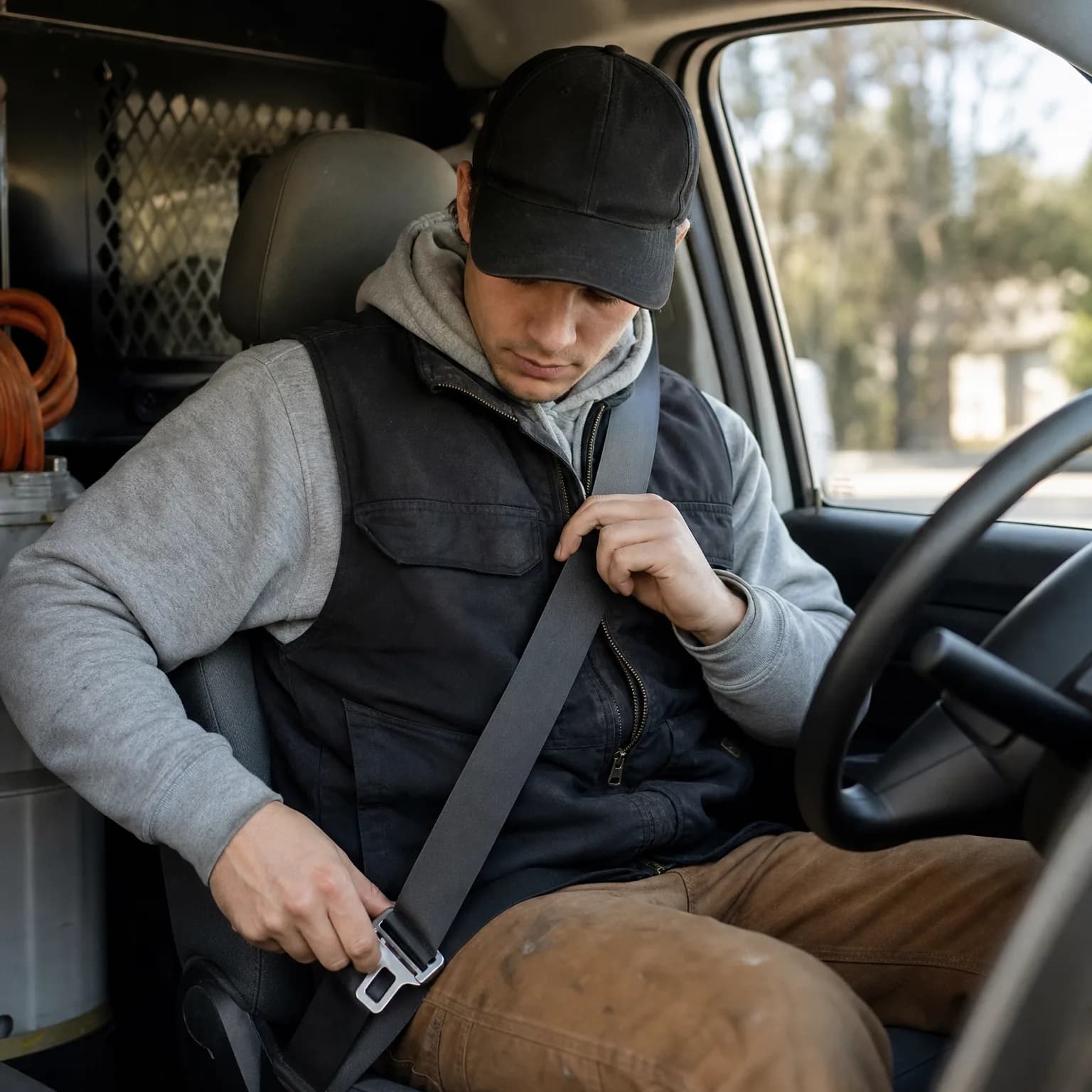
Step-by-Step: Filing Non-Owner SR-22 Through the New Hampshire DMV
You cannot file SR-22 directly with the New Hampshire DMV — only a licensed insurance carrier can submit the certificate on your behalf. Start by identifying which carriers write non-owner SR-22 policies in New Hampshire. Not all insurers offer non-owner coverage, and fewer still write policies for drivers with DUIs or multiple violations. National carriers like Progressive, The General, and GEICO may offer non-owner SR-22, but availability depends on your violation type and how recently it occurred.
Once you purchase a non-owner policy, the insurer files the SR-22 electronically with the DMV, usually within 24 to 48 hours. You will receive a copy of the SR-22 certificate for your records, but you do not need to bring it to the DMV. The DMV's system updates automatically once the filing is received. If your license is currently suspended, you must also pay any outstanding reinstatement fees and comply with additional requirements such as alcohol education programs or ignition interlock removal before your driving privileges are restored.
Reinstatement fees in New Hampshire for SR-22-related suspensions typically range from $100 to $200, depending on the violation. The DMV does not process reinstatements until both the SR-22 filing is active and all fees are paid. Expect a processing window of 3 to 7 business days after your SR-22 is filed before your license status updates. If you attempt to drive during this window, you are still considered suspended.

Stay Covered While You Drive Borrowed Cars
Find Coverage After ViolationsWhat Non-Owner SR-22 Costs in New Hampshire After a DUI or Violation
Non-owner SR-22 policies in New Hampshire typically cost between $30 and $80 per month for drivers with a single DUI and no other violations. If you have multiple violations, an at-fault accident, or a recent lapse in coverage, expect rates in the $60 to $120 per month range. These figures reflect the liability-only nature of non-owner policies — you are not insuring a vehicle, only your legal liability when driving.
The SR-22 filing fee itself is a one-time charge, but your monthly premium reflects the increased risk the insurer assumes by covering a driver with a violation history. Premiums decrease as you move further from the violation date, assuming you maintain continuous coverage and avoid new incidents. Most drivers see a 15–25% rate reduction after the first year of clean driving, and another 10–20% reduction in year two.
If your SR-22 requirement is linked to a DUI, you may also face higher premiums due to New Hampshire's administrative license suspension rules, which extend beyond the criminal conviction. DUI-related SR-22 filings in New Hampshire typically carry a three-year requirement, but court orders can extend this period. Verify your exact filing duration with the DMV or the court that issued your SR-22 order — filing longer than required wastes money, and canceling too early triggers suspension.

How Long You'll Carry Non-Owner SR-22 and What Happens When It Ends
New Hampshire typically requires SR-22 filings for three years following a DUI or serious violation, but your filing period is set by the court order or DMV action, not by a universal state rule. Some drivers are ordered to file for one year, others for five. The DMV does not automatically notify you when your SR-22 requirement ends — you are responsible for tracking the end date.
Once your SR-22 period expires, you are no longer required to carry the filing, but you must still maintain liability insurance if you continue driving. If you own a vehicle at that point, you'll need to switch to a standard auto policy. If you remain without a car, you can either continue the non-owner policy or cancel it. Canceling your policy after the SR-22 requirement ends does not affect your license, but letting it lapse before the end date will trigger suspension.
When your SR-22 period is complete, contact your insurer to confirm they will not automatically refile the certificate. Some carriers assume you want to continue the SR-22 and will refile it annually unless you explicitly request removal. This can extend your high-risk classification unnecessarily and keep your rates elevated. Request written confirmation that your SR-22 has been removed and verify with the DMV that no active filing appears on your record.

Finding Carriers That Write Non-Owner SR-22 in New Hampshire
Not all insurers write non-owner policies, and fewer still accept drivers with SR-22 requirements. National carriers that commonly offer non-owner SR-22 coverage in New Hampshire include Progressive, The General, and GEICO, though acceptance depends on your violation type, how recently it occurred, and whether you have additional driving infractions. Regional carriers and non-standard insurers may also write these policies but typically charge higher premiums.
When comparing quotes, confirm that the policy includes SR-22 filing and that the insurer will handle the DMV submission. Some carriers advertise non-owner policies but do not offer SR-22 filing in New Hampshire, which leaves you without a compliant solution. Ask explicitly whether the policy includes SR-22 filing and whether the carrier has experience with New Hampshire's electronic filing system.
If you've been turned down by multiple carriers, consider working with an independent agent who specializes in high-risk insurance. These agents have access to non-standard carriers that don't sell directly to consumers and can often find coverage when national carriers decline. Expect to provide details about your violation, the court order requiring SR-22, and any other incidents on your record. The more complete your disclosure, the faster the quoting process.
Frequently Asked Questions
Can I get non-owner SR-22 in New Hampshire if I don't have a license yet?
Most insurers require you to have a valid or reinstatable driver's license before issuing a non-owner SR-22 policy. If your license is suspended, you can purchase the policy and file the SR-22 as part of the reinstatement process, but the policy won't activate until your license is restored. Confirm with the insurer whether they issue policies to unlicensed drivers.
What happens if my non-owner SR-22 policy lapses in New Hampshire?
If your policy lapses or cancels for any reason, the insurer notifies the New Hampshire DMV within 15 days, and your license is automatically suspended. You must purchase a new policy, refile the SR-22, and pay reinstatement fees to restore your driving privileges. There is no grace period.
Does New Hampshire accept out-of-state SR-22 filings?
New Hampshire requires the SR-22 to be filed by an insurer licensed in New Hampshire. If you move to New Hampshire from another state with an active SR-22 requirement, you must cancel your out-of-state policy and purchase a New Hampshire policy that files SR-22 with the New Hampshire DMV. Coordinate the transition to avoid a lapse.
How do I know when my SR-22 requirement ends in New Hampshire?
Your SR-22 end date is set by the court order or DMV action that mandated the filing — it is not automatically tracked or communicated by the DMV. Review your court paperwork or contact the New Hampshire DMV directly to confirm your exact filing period. Canceling coverage before the requirement ends triggers suspension.
Can I switch non-owner SR-22 carriers in New Hampshire?
Yes, but the new carrier must file the SR-22 with the DMV before your old policy cancels. Any gap in coverage triggers suspension. When switching, confirm that the new insurer has submitted the SR-22 and that the DMV has received it before canceling the old policy.
Related Articles
Does SR-22 Cover My Teen Driver? What Parents Need to Know
5/18/2026

Switch Non-Owner SR-22 to Regular Policy | Timeline
4/2/2026
File SR-22 the Same Day Your Suspension Starts
5/18/2026
SR-22 and Deferred Prosecution: Filing Requirements
5/18/2026

SR-22 and MADD Victim Impact Panels After a DUI
5/18/2026

SR-22 & Florida JUA: Assigned-Risk Pool Explained
5/18/2026