Non-Owner SR-22 in New York: Filing Without a Car
Free to compare
Why New York Doesn't Issue SR-22 Certificates
New York does not participate in the SR-22 system. The state uses Form MV-50, a Certificate of Financial Responsibility, for its own license suspensions and reinstatements. If you're reinstating a New York license after a DUI, accumulating 11 points, or driving uninsured, the New York DMV requires proof of insurance via MV-50 — not an SR-22.
If you're seeing "SR-22 requirement" on paperwork, it's because another state's DMV or court imposed it — not New York. This happens in two scenarios: you were licensed in another state when the violation occurred, or you hold a commercial driver's license subject to federal reporting rules. In both cases, you'll file the SR-22 to the state that issued the requirement, not to New York.
The confusion compounds for non-owner situations. If you don't own a vehicle but need to maintain continuous coverage to satisfy an out-of-state SR-22 or reinstate your New York license, you're looking for a non-owner policy that either generates an SR-22 (filed to the other state) or an MV-50 (filed to New York DMV). The paperwork distinction matters because not every insurer writes both, and filing to the wrong jurisdiction restarts your compliance clock.
When You Actually Need a Non-Owner SR-22 in New York
You need a non-owner SR-22 in New York only if another state's DMV or court ordered it and you don't own a car. Common triggers: you were cited for DUI in Pennsylvania while living in New York, or your Florida license was suspended for uninsured driving but you've since moved to New York and don't own a vehicle. The issuing state requires proof of future financial responsibility, but you have no car to insure.
A non-owner SR-22 policy provides liability coverage when you drive vehicles you don't own — rentals, borrowed cars, car-share programs. The insurer files the SR-22 certificate to the state that required it, not to New York. Typical non-owner SR-22 policies in New York carry minimum liability limits of 25/50/25 (matching New York's statutory minimums), though some carriers require higher limits depending on the violation. Monthly premiums range from $45 to $110 for drivers with a single DUI and no other violations; multiple incidents or a recent lapse push costs above $130/mo.
If your requirement is from New York itself — for example, a DUI conviction in New York, or a license suspension for accumulating points — you don't need an SR-22. You need a standard insurance policy (owner or non-owner) and Form MV-50 filed by your insurer to the New York DMV. The filing fee is typically $10 to $25, paid by the insurer and passed to you. Filing timelines matter: New York DMV processes MV-50 submissions within 5 to 10 business days, but if your insurer submits electronically, reinstatement eligibility often updates within 48 hours.
How to File a Non-Owner SR-22 From New York
First, confirm which state actually requires the SR-22. Check your suspension notice, court order, or reinstatement letter — it will name the jurisdiction. If it says "New York DMV," you don't need an SR-22; you need Form MV-50. If it names another state, that's where the SR-22 must be filed.
Contact a high-risk insurer licensed in both New York and the requiring state. Not all carriers write non-owner policies, and fewer still file SR-22 certificates to out-of-state DMVs. National non-standard carriers that operate in New York and file multi-state SR-22s include Progressive, The General, and National General. Regional options include Dairyland and Kemper, though availability varies by county. Request a non-owner liability policy with SR-22 endorsement filed to [the requiring state]. Expect quotes within 24 to 72 hours; underwriting for non-owner SR-22 is faster than standard auto because there's no vehicle to inspect or lien to verify.
Once you bind coverage, the insurer files the SR-22 certificate electronically to the out-of-state DMV, typically within 1 to 3 business days. You'll receive a copy for your records. Do not cancel the policy before the SR-22 period ends — most states require 3 years of continuous coverage, and a lapse triggers an automatic notification to the DMV, extending your requirement or re-suspending your license. If you move back to the requiring state or purchase a vehicle during the SR-22 period, contact your insurer immediately to convert the non-owner policy to a standard auto policy with SR-22 endorsement. Failing to update the policy type can create a coverage gap the DMV interprets as non-compliance.
If your requirement is New York-specific, the process is simpler: purchase a non-owner liability policy from any New York-licensed insurer, request Form MV-50, and confirm the insurer submits it electronically to New York DMV. You can verify submission status by calling the New York DMV Insurance Services Bureau at 518-474-0645 or checking your online DMV account 5 business days after the insurer confirms filing.
Stay Covered While You Drive Borrowed Cars
Find Coverage After ViolationsWhat a Non-Owner SR-22 Policy Covers in New York
A non-owner SR-22 policy provides liability coverage only — bodily injury and property damage you cause while driving a vehicle you don't own. It does not cover damage to the vehicle you're driving, your own injuries, or any vehicle you own or regularly use. New York's minimum liability limits are 25/50/25: $25,000 per person for bodily injury, $50,000 per accident, and $25,000 for property damage. Most non-owner SR-22 policies meet these minimums, though some insurers require 50/100/50 or higher for drivers with DUI or multiple at-fault accidents.
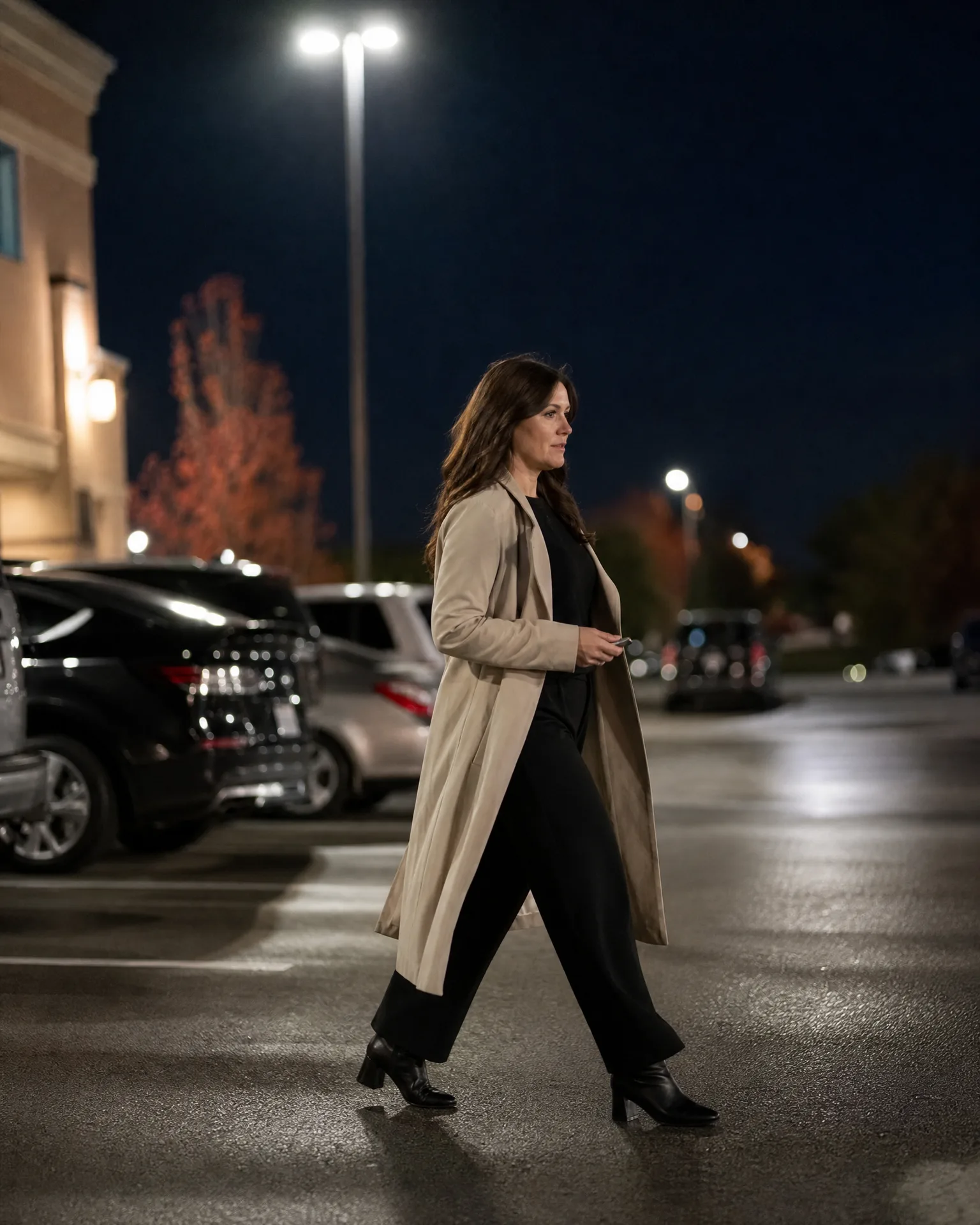
The policy follows you, not a specific car. If you borrow a friend's vehicle, rent a car, or use a Zipcar, your non-owner policy provides primary or secondary coverage depending on the situation. If the vehicle owner has insurance, their policy typically pays first, and your non-owner policy covers gaps or overages. If the vehicle is uninsured or underinsured, your non-owner policy responds as primary coverage up to your policy limits.
Non-owner policies do not satisfy New York's requirement for uninsured motorist coverage, which applies only to owned vehicles. If you later purchase a car, your non-owner policy must be replaced with a standard auto policy that includes UM/UIM coverage — New York requires it on all owned-vehicle policies unless you reject it in writing. The SR-22 endorsement transfers to the new policy, but you must notify both the insurer and the requiring state's DMV within 10 days to avoid a compliance lapse.
How Long You'll Need Non-Owner SR-22 Coverage
SR-22 filing periods are set by the state that imposed the requirement, not by New York. The most common duration is 3 years of continuous coverage without lapses. A lapse of even one day triggers an automatic notification to the DMV, which typically results in license re-suspension and an extended SR-22 period — often restarting the full 3-year clock.
If your requirement is from New York itself via Form MV-50, the duration varies by violation type. A DUI conviction typically requires 3 years of proof of insurance. Driving without insurance requires 1 to 3 years depending on whether it's a first or repeat offense. Accumulating 11 or more points in 18 months requires proof of insurance until your point total drops below the threshold, usually 18 months from the date of your most recent violation.
You can verify your remaining SR-22 requirement period by contacting the DMV that issued it. For out-of-state SR-22s, call that state's DMV driver services line and provide your license number or case number. For New York MV-50 requirements, check your online DMV account or call the Insurance Services Bureau. Once the required period ends, notify your insurer to remove the SR-22 or MV-50 endorsement. Most insurers continue filing automatically — and charging the $15 to $25 monthly SR-22 fee — unless you explicitly request removal. Your base insurance rates may drop 10% to 25% once the high-risk filing is removed, though the underlying violation remains on your record and affects pricing for 3 to 5 years depending on the offense.
Cost and Availability for High-Risk Non-Owner Policies
Non-owner SR-22 policies in New York range from $45 to $180 per month depending on your violation, county, and insurer. A single DUI with no other incidents typically costs $50 to $90/mo for minimum liability limits in upstate counties; the same profile in New York City or Long Island runs $80 to $140/mo due to higher underlying risk and claims costs. Multiple violations, at-fault accidents with injuries, or a DUI combined with a license suspension push premiums above $150/mo.
The SR-22 filing itself adds $15 to $35 per month to your premium — this is the fee insurers charge to monitor your policy status and file ongoing proof to the DMV. Some carriers itemize this as a separate line; others bundle it into your base rate. If you're filing Form MV-50 to New York instead of an SR-22 to another state, the fee is typically lower, around $10 to $20/mo, because New York's electronic filing system is simpler and less labor-intensive for insurers.
Not every insurer writes non-owner SR-22 policies, and availability varies by county and violation type. Progressive, The General, and Dairyland write non-owner SR-22 in most New York counties and file to all 50 states. Bristol West and National General write selectively — some counties only, and some decline multiple-DUI or commercial license violations outright. Regional insurers like Kemper and Safeco write non-owner policies but may not offer SR-22 endorsements for out-of-state filings. Expect to compare 3 to 5 quotes; rates for the same profile can vary by 40% to 70% between carriers due to different underwriting models for high-risk non-owner business.
Frequently Asked Questions
Can I get non-owner SR-22 insurance if I live in New York but the violation happened in another state?
Yes. You purchase the non-owner policy from a New York-licensed insurer, and they file the SR-22 certificate to the state that required it. The policy must remain active for the full SR-22 period required by that state, typically 3 years.
Does New York DMV accept SR-22 certificates for license reinstatement?
No. New York uses Form MV-50, not SR-22. If you're reinstating a New York license after a DUI or suspension, your insurer must file MV-50 to New York DMV, not an SR-22.
What happens if I let my non-owner SR-22 policy lapse?
The insurer notifies the DMV that required the SR-22 within 24 to 48 hours. Most states re-suspend your license immediately and extend or restart your SR-22 requirement period, often adding another 1 to 3 years.
How much does a non-owner SR-22 policy cost in New York?
Typical monthly premiums range from $45 to $110 for a single DUI with no other violations, and $90 to $180 for multiple incidents or recent lapses. The SR-22 filing fee adds $15 to $35 per month on top of the base premium.
Can I buy a car while I have a non-owner SR-22 policy?
Yes, but you must immediately convert your non-owner policy to a standard auto policy with SR-22 endorsement. Notify your insurer within 10 days to avoid a coverage gap that the DMV interprets as non-compliance.
Related Articles

Does SR-22 Cover My Teen Driver? What Parents Need to Know
5/18/2026
Switch Non-Owner SR-22 to Regular Policy | Timeline
4/2/2026
File SR-22 the Same Day Your Suspension Starts
5/18/2026
SR-22 and Deferred Prosecution: Filing Requirements
5/18/2026

SR-22 and MADD Victim Impact Panels After a DUI
5/18/2026

SR-22 & Florida JUA: Assigned-Risk Pool Explained
5/18/2026