Non-Owner SR-22 in West Virginia: DMV Filing Without a Car
Free to compare
What West Virginia Calls Non-Owner SR-22 Filing
West Virginia Division of Motor Vehicles requires an SR-22 certificate of financial responsibility for license reinstatement after DUI, multiple violations, driving uninsured, or refusal to submit to chemical testing. The state mandates proof of liability coverage but does not specify "non-owner" versus "owner" filing types in its reinstatement letters. Your DMV notice will state you need an SR-22 — not that you need a non-owner SR-22 — even if you don't own a vehicle.
This creates a documentation gap. When you call insurers or visit agents, many will assume you own a car and quote you a standard auto policy with SR-22 endorsement attached. That policy includes comprehensive, collision, and full liability limits for a vehicle you don't drive. A non-owner SR-22 policy costs $25–$50 per month on average in West Virginia, while a standard policy with SR-22 for a vehicle you don't own runs $150–$300 per month.
The filing itself is identical from the DMV's perspective. Both non-owner and owner SR-22 certificates electronically transmit to the West Virginia DMV within 24–48 hours of purchase. The difference is coverage scope: non-owner SR-22 provides liability-only coverage when you drive a borrowed or rental vehicle, while standard SR-22 attaches to a specific vehicle you own. If you don't own a car, borrow vehicles occasionally, or use rideshare and rentals, non-owner SR-22 satisfies the state requirement at a fraction of the cost.

Who Needs Non-Owner SR-22 in West Virginia
You need non-owner SR-22 if West Virginia DMV has ordered SR-22 filing and you do not own, lease, or regularly drive a vehicle titled in your name. Common profiles: license suspended for DUI but you sold your car before the hearing, multiple speeding violations while driving a company vehicle, uninsured motorist violation while borrowing a family member's car, or refusal to take a breathalyzer test and you rely on public transit or rideshare.
West Virginia DMV reinstates your license only after receiving electronic SR-22 confirmation from an insurer licensed in the state. The filing must remain active for three years for most DUI and serious violations, five years for repeat DUI offenses. If you let the policy lapse or cancel it early, your insurer must notify the DMV within 10 days, and your license suspends again immediately with no grace period.
Non-owner SR-22 does not cover vehicles you own, vehicles registered in your household, or vehicles you drive regularly under a lease or loan agreement. If you live with someone who owns a car and you drive it more than occasionally, most insurers will require you to be listed on that vehicle's policy with SR-22 endorsement rather than issuing a separate non-owner policy. West Virginia does not allow you to maintain SR-22 filing without active insurance — the certificate and the coverage are bundled, and both must stay in force for the full required period.
How to File Non-Owner SR-22 With West Virginia DMV
West Virginia DMV does not accept paper SR-22 certificates. All filings transmit electronically from the insurer directly to the state. You cannot file SR-22 yourself. The process starts with purchasing a non-owner liability policy from an insurer authorized to write SR-22 in West Virginia, then paying the SR-22 filing fee — typically $25–$50 as a one-time charge separate from your premium.
Once you purchase the policy, the insurer electronically files the SR-22 certificate with West Virginia DMV within 1–2 business days. You receive a paper copy of the SR-22 for your records, but the DMV processes only the electronic version. Your license reinstatement does not occur until the DMV receives and processes the electronic SR-22 filing, which can take 3–5 business days from the date your insurer transmits it. Do not attempt to drive during this processing window — your suspension remains active until you receive confirmation from the DMV that your license is reinstated.
After filing, you must pay any outstanding reinstatement fees directly to West Virginia DMV before your license activates. For DUI-related suspensions, the reinstatement fee is $95. For uninsured motorist violations, the fee is $115. For refusal to submit to chemical testing, the fee is $115 for a first offense, $165 for subsequent offenses. These fees are separate from the SR-22 filing fee and must be paid at a DMV regional office or online through the West Virginia Division of Motor Vehicles portal. Bring your SR-22 certificate, valid ID, and proof of payment when you visit the DMV to complete reinstatement.
What Non-Owner SR-22 Costs in West Virginia
Non-owner SR-22 insurance in West Virginia typically costs $300–$600 per year for drivers with a DUI or serious violation, which breaks down to $25–$50 per month. This includes state minimum liability limits of 25/50/25 — $25,000 per person for bodily injury, $50,000 per accident for bodily injury, and $25,000 for property damage. The SR-22 filing fee itself is a separate one-time charge of $25–$50 depending on the insurer.
Your rate depends on the violation that triggered the SR-22 requirement. DUI filings typically cost $40–$60 per month. Multiple moving violations run $30–$50 per month. Uninsured motorist violations cost $25–$40 per month. Refusal to submit to chemical testing is priced similarly to DUI, $40–$60 per month. Carriers view refusal as equivalent to DUI for underwriting purposes even though it does not result in a DUI conviction on your record.
Not all insurers write non-owner SR-22 in West Virginia. Progressive, The General, and Direct Auto are commonly available for high-risk non-owner filings. National General and Bristol West also write non-owner SR-22 but availability varies by county. Many standard carriers — State Farm, Allstate, Nationwide — either do not offer non-owner policies or will not attach SR-22 endorsements to them. You may need to contact 3–5 insurers before finding one that writes both non-owner and SR-22 in West Virginia.
Rates drop over time if you maintain continuous coverage without new violations. After one year of clean driving with active SR-22, expect a 10–15% rate reduction at renewal. After two years, another 10–20% reduction is typical. Once your three-year SR-22 requirement ends and the filing is removed, your rate may drop an additional 15–25%, though you'll still pay higher-than-standard premiums if the underlying violation remains on your driving record for the full reporting period — three years for most moving violations, five years for DUI in West Virginia.
Stay Covered While You Drive Borrowed Cars
Find Coverage After Violations
Coverage Limits and What Non-Owner SR-22 Includes
West Virginia requires minimum liability limits of 25/50/25, and your non-owner SR-22 policy must meet or exceed these limits to satisfy DMV filing requirements. Most insurers offer only state minimums on non-owner policies, though some allow you to purchase higher limits — 50/100/50 or 100/300/100 — for an additional $10–$20 per month.
Non-owner SR-22 provides liability coverage only. It does not include comprehensive, collision, medical payments, or uninsured/underinsured motorist coverage unless you purchase those endorsements separately. The policy covers you when driving a vehicle you do not own — borrowed cars, rental vehicles, or employer-owned vehicles used for personal errands. It does not cover vehicles titled or registered to you, vehicles you lease, or vehicles owned by someone in your household if you drive them regularly.
If you borrow a car and cause an accident, your non-owner SR-22 policy functions as secondary coverage. The vehicle owner's insurance pays first up to their policy limits, then your non-owner policy covers remaining liability up to your purchased limits. This matters if the owner's policy has low limits or if they have no insurance at all. West Virginia does not require uninsured motorist coverage on non-owner policies, but adding it costs $5–$15 per month and protects you if you're injured by an uninsured driver while driving a borrowed vehicle.
Rental car coverage is included in most non-owner policies at no extra charge, but verify this before renting. Some insurers exclude rental vehicles or cap rental coverage at $25,000 property damage regardless of your policy limits. If you rent cars frequently, confirm your non-owner SR-22 policy explicitly covers rentals in the policy declarations page or ask your agent to add rental vehicle endorsement in writing.
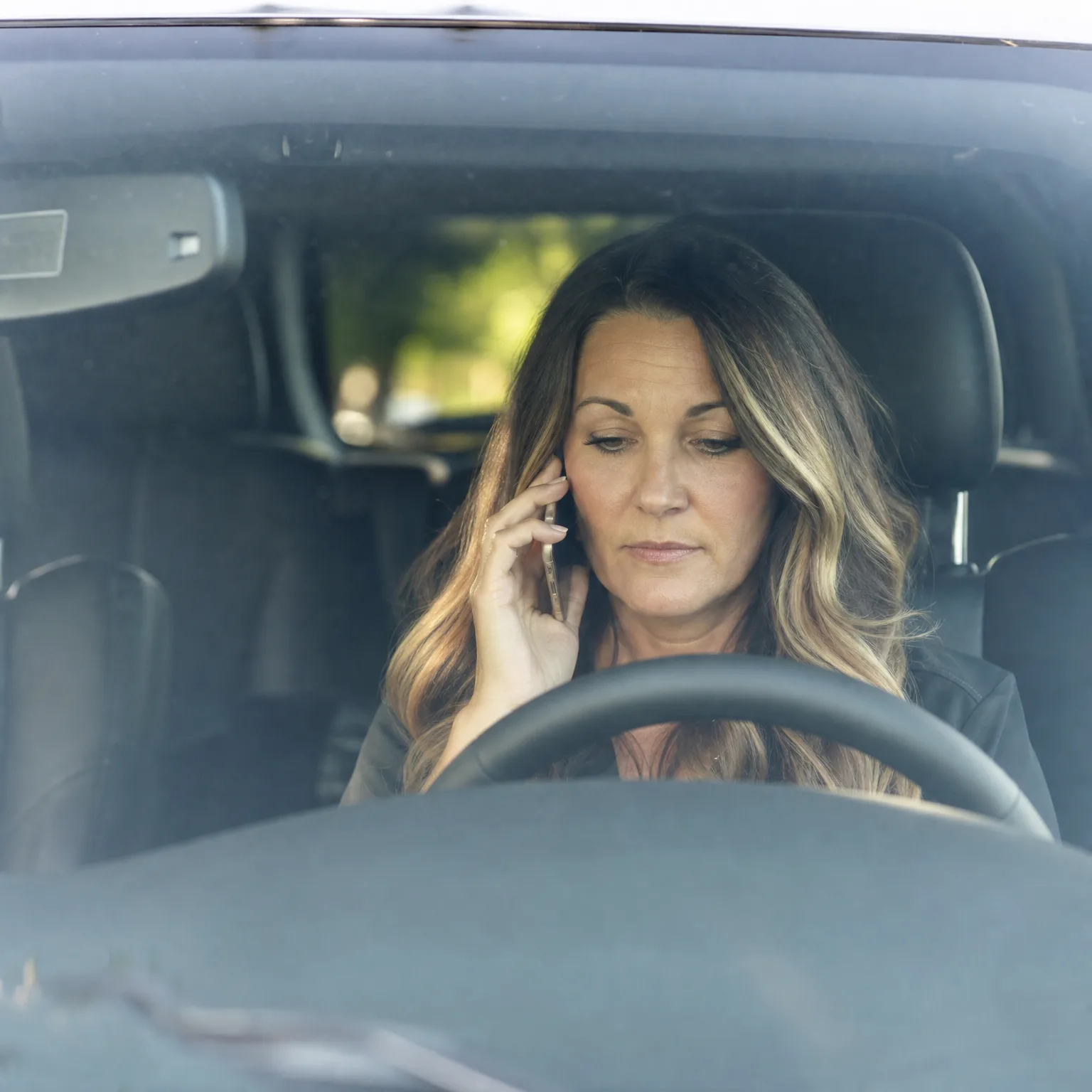
Maintaining SR-22 Filing for the Full Required Period
West Virginia requires continuous SR-22 filing for three years for most DUI and serious violations, five years for repeat DUI offenses. The clock starts the day the DMV receives your electronic SR-22 filing, not the day you purchase the policy or the day your license reinstates. If your policy lapses or cancels at any point during this period, your insurer notifies the DMV within 10 days and your license suspends immediately.
You cannot "pause" SR-22 filing if you stop driving or leave the state. West Virginia DMV requires active SR-22 on file for the entire duration even if you don't own a car, don't drive, or move out of state. If you move to another state, you must transfer your SR-22 filing to that state's DMV or maintain dual filings in both states if you hold licenses in both. West Virginia will not release your SR-22 requirement early even if another state has no SR-22 requirement — the filing period is set by the original suspension order and does not reset or shorten based on relocation.
Most lapses happen within the first six months. Drivers reinstate their license, then cancel the policy to avoid ongoing premiums, not realizing the SR-22 filing requirement continues independently of their license status. If you cancel your non-owner SR-22 policy before the required period ends, the DMV re-suspends your license and you must start the reinstatement process again — new SR-22 filing, new reinstatement fee, and a new three- or five-year filing period that begins from the date of the second filing.
Set up automatic payments and maintain continuous coverage even if you're not driving. If you need to switch insurers during the SR-22 period, purchase the new policy and confirm the new insurer has filed SR-22 with the DMV before canceling the old policy. A gap of even one day triggers a lapse notification and suspension. If you genuinely cannot afford the premium, contact your insurer to reduce limits to state minimums or request a payment plan — do not let the policy cancel for non-payment, as that counts as a lapse and triggers the same suspension and reinstatement process.
What Happens If You Buy a Car While Holding Non-Owner SR-22
If you purchase, lease, or register a vehicle in your name while your non-owner SR-22 policy is active, you must notify your insurer immediately and convert to a standard auto policy with SR-22 endorsement. Non-owner policies do not cover vehicles you own, and your insurer will not pay claims if you drive a vehicle titled to you under a non-owner policy. This is considered material misrepresentation and can result in policy cancellation and SR-22 filing withdrawal.
Contact your insurer before you title the vehicle. Provide the VIN, make, model, and year, and request a standard auto policy with SR-22 endorsement transferred from your non-owner policy. The insurer will cancel the non-owner policy and issue a new policy covering the vehicle. The SR-22 filing transfers to the new policy without interruption, and your three- or five-year filing clock continues unaffected as long as there is no gap in coverage.
Your premium will increase significantly. A standard auto policy with SR-22 for a driver with a DUI or serious violation typically costs $150–$300 per month in West Virginia, compared to $25–$50 per month for non-owner SR-22. The increase reflects the addition of comprehensive and collision coverage, higher liability limits, and the increased risk insurers assign to covering a specific vehicle for a high-risk driver. You may be able to reduce the cost by selecting a higher deductible, declining optional coverages, or choosing a vehicle with lower replacement cost and theft rates.
If you plan to buy a car within your SR-22 filing period, shop for standard auto SR-22 quotes before purchasing the vehicle. Some insurers that write non-owner SR-22 do not offer competitive rates on standard policies, and you may save 20–40% by switching carriers when you convert. Confirm the new insurer can transfer your SR-22 filing to the new policy without a lapse, and do not cancel your non-owner policy until the new policy is active and the new SR-22 filing is confirmed with West Virginia DMV.
Frequently Asked Questions
Can I get non-owner SR-22 in West Virginia if I have a DUI?
Yes. Non-owner SR-22 is available for DUI reinstatement in West Virginia as long as you don't own a vehicle. Expect to pay $40–$60 per month with a three-year filing requirement and a $95 DMV reinstatement fee.
How long does it take for West Virginia DMV to process SR-22 filing?
West Virginia DMV typically processes electronic SR-22 filings within 3–5 business days after your insurer transmits the certificate. Your license does not reinstate until the DMV confirms receipt and you pay the reinstatement fee at a DMV office or online.
What happens if I let my non-owner SR-22 policy lapse in West Virginia?
Your insurer notifies West Virginia DMV within 10 days, and your license suspends immediately with no grace period. You must purchase a new SR-22 policy, pay the reinstatement fee again, and restart the full three- or five-year filing period from the new filing date.
Does non-owner SR-22 cover me when I rent a car in West Virginia?
Most non-owner SR-22 policies include rental vehicle coverage at no extra charge, but some insurers exclude rentals or cap property damage at $25,000. Verify rental coverage is explicitly listed in your policy declarations before renting.
Can I switch insurers during my SR-22 filing period in West Virginia?
Yes, but you must purchase the new policy and confirm the new insurer has filed SR-22 with West Virginia DMV before canceling the old policy. A gap of even one day triggers a lapse notification and license suspension.
Related Articles

Does SR-22 Cover My Teen Driver? What Parents Need to Know
5/18/2026
Switch Non-Owner SR-22 to Regular Policy | Timeline
4/2/2026

File SR-22 the Same Day Your Suspension Starts
5/18/2026

SR-22 and Deferred Prosecution: Filing Requirements
5/18/2026

SR-22 and MADD Victim Impact Panels After a DUI
5/18/2026
SR-22 & Florida JUA: Assigned-Risk Pool Explained
5/18/2026