
Non-Owner SR-22 vs Regular SR-22: What Actually Changes
Free to compare
What You're Actually Filing: Certificate vs Coverage Type
The SR-22 certificate itself is identical whether you file it with a non-owner policy or a regular auto policy. It's a one-page form your insurer sends to the state DMV confirming you carry at least the minimum liability coverage required by law. The filing fee is the same—typically $15 to $50 depending on carrier and state—and the monitoring period is the same. What changes completely is the insurance policy backing that certificate.
A regular SR-22 attaches to a standard auto insurance policy covering a specific vehicle you own or co-own. You're buying liability, and usually collision and comprehensive, for that car. A non-owner SR-22 attaches to a named non-owner liability policy, which covers you as a driver across any vehicle you operate with permission—but provides zero coverage for a vehicle you own, lease, or regularly use. The distinction matters because non-owner policies exclude any vehicle registered to your household, which means if you buy or register a car during your SR-22 period without switching to a regular policy, your coverage is void and your SR-22 filing lapses.
Most states require 3 years of continuous SR-22 filing after a DUI, 1 to 3 years after multiple violations or driving without insurance, and immediate filing for license reinstatement after suspension. The certificate type you file—owner or non-owner—doesn't change these timelines, but it does change what you can legally drive during that period.
Coverage Scope: What Non-Owner Policies Won't Cover
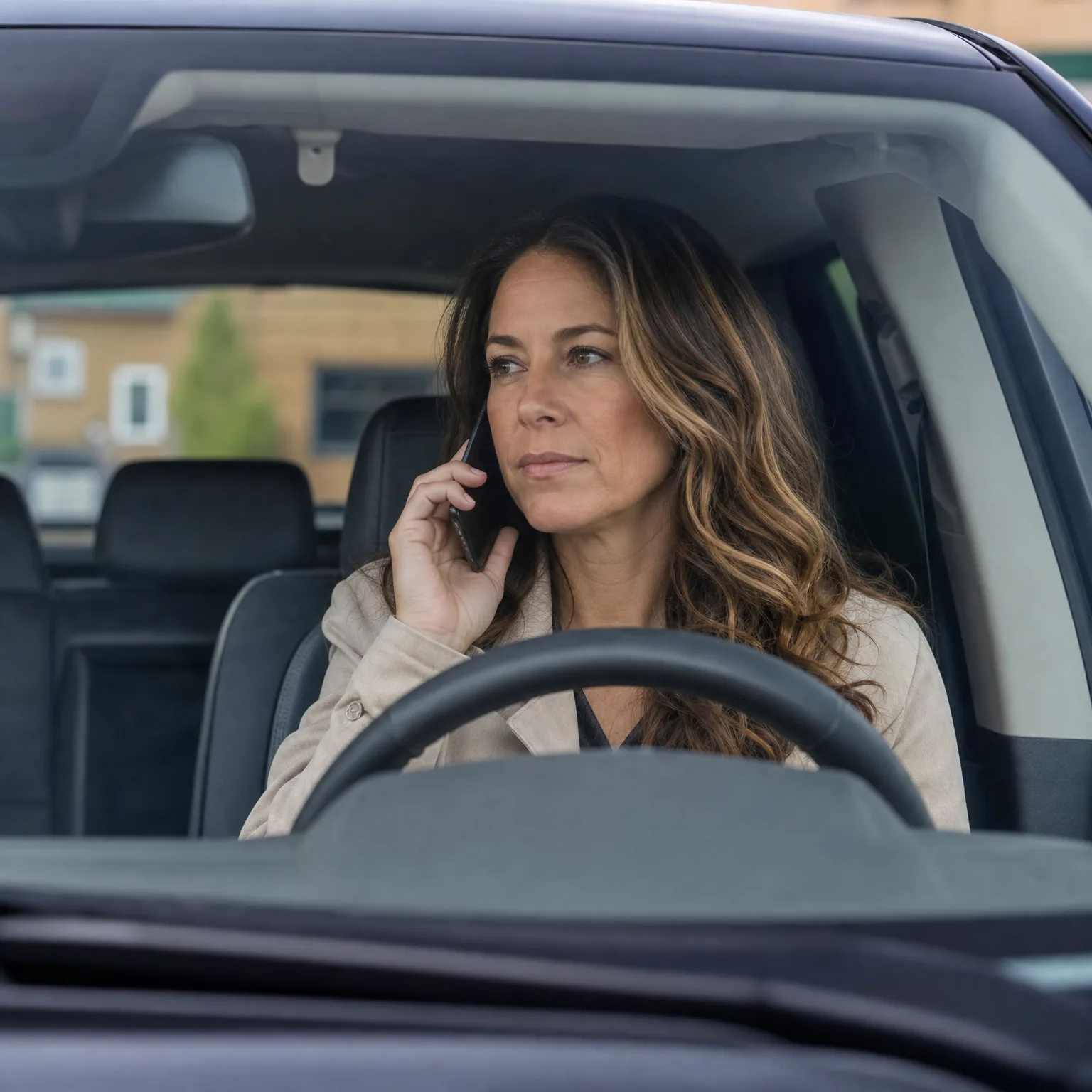
Non-owner liability policies cover bodily injury and property damage you cause while driving someone else's car, a rental, or a borrowed vehicle. They do not cover damage to the vehicle you're driving—that falls under the owner's collision coverage or your rental agreement. They do not cover your own injuries unless you add medical payments or personal injury protection as an optional endorsement. And they categorically exclude any vehicle titled, registered, leased, or regularly available to you.
"Regularly available" is the coverage trap most non-owner policyholders don't see until a claim is denied. If you live with a family member who owns a car and you drive it more than occasionally—even if you're not listed on the title—most non-owner policies will deny coverage. The threshold varies by carrier, but anything beyond occasional, permissive use typically triggers the regular use exclusion. If you're driving the same car to work three days a week, you need to be added as a named driver on that vehicle's policy, not relying on your non-owner coverage.
Non-owner policies also don't cover vehicles you use for work, delivery, rideshare, or any commercial activity unless you purchase a commercial non-owner policy, which costs significantly more and is rarely available to SR-22-required drivers. If you drive for Uber, DoorDash, or any gig platform, a personal non-owner SR-22 policy will not satisfy your SR-22 requirement during those activities.

Carrier Availability and Cost Differences
Non-owner SR-22 policies are only written by non-standard and high-risk carriers. State Farm, Allstate, Geico, and Progressive generally do not offer non-owner policies to SR-22-required drivers, though Progressive writes them in select states for clean-record drivers. You'll be working with carriers like The General, National General, Bristol West, Acceptance, or regional high-risk specialists. Availability varies significantly by state—California, Florida, and Texas have the widest non-owner SR-22 markets, while rural states may have only one or two carriers willing to write the coverage.
Non-owner SR-22 policies typically cost $300 to $700 per year for minimum state liability limits, or $25 to $60 per month. That's 40% to 60% less than a regular SR-22 auto policy covering a vehicle, which averages $1,200 to $2,500 annually after a DUI or major violation. The savings come from the narrower coverage scope—you're not insuring collision risk, comprehensive risk, or a specific vehicle's replacement value. But you're also not building the kind of continuous coverage history that helps you qualify for standard rates later.
Some carriers increase non-owner rates if your SR-22 requirement stems from a DUI rather than a lapse or minor violation. Expect a 20% to 40% surcharge for DUI-related filings compared to non-owner policies filed for driving without insurance. The highest rates appear in no-fault states like Michigan and Florida, where PIP requirements apply even to non-owner policies and can double the base premium.

Stay Covered While You Drive Borrowed Cars
Find Coverage After ViolationsWhen the State Requires Owner vs Non-Owner Filing
Most states allow you to choose non-owner SR-22 if you genuinely don't own a vehicle. A few states—Virginia, Florida, and North Carolina—require additional documentation proving you sold your car, surrendered your plates, or never owned a vehicle before they'll accept a non-owner filing. Virginia's DMV may request a notarized statement that you don't own or co-own any vehicle. Florida sometimes requires proof of vehicle sale or a signed affidavit. If you can't provide that documentation, the state may require you to file an owner SR-22 even if you don't currently have a car.
Some states also distinguish between FR-44 and SR-22 filings. Florida and Virginia require FR-44 certificates for DUI offenses, which mandate higher liability limits—$100,000/$300,000 in Florida compared to the standard $10,000/$20,000 SR-22 minimum. FR-44 non-owner policies cost 30% to 50% more than standard non-owner SR-22 because of the increased limits. If your suspension or reinstatement letter specifies FR-44, a regular SR-22 filing won't satisfy the requirement.
If you buy or lease a car at any point during your non-owner SR-22 period, you must notify your carrier immediately and convert to a regular owner policy. Most carriers allow this switch without penalty, but the gap between when you register the vehicle and when you update your policy can trigger an SR-22 lapse notice to the state. That lapse can restart your entire filing period in some states or add 6 to 12 months to your reinstatement timeline.

What Happens If You Drive a Car You Own on a Non-Owner Policy
If you're in an at-fault accident while driving a vehicle registered to you—or to someone in your household—and you only carry a non-owner policy, your insurer will deny the claim. That means you're personally liable for all bodily injury and property damage, your SR-22 certificate may be canceled for misrepresentation, and the state will be notified of the lapse. Most states suspend your license again within 10 to 30 days of an SR-22 lapse, and reinstatement after a second suspension typically requires restarting the full SR-22 filing period.
The claims denial also means the injured party can pursue a judgment against you personally. A $50,000 bodily injury claim that would have been covered under a valid policy becomes your financial responsibility. In most states, failure to satisfy a judgment within 30 days results in automatic license suspension until the debt is paid or a payment plan approved by the court is in place. That suspension is separate from your SR-22 requirement and often longer.
Some drivers attempt to register a vehicle under a family member's name to avoid converting to an owner policy. This strategy fails if you're listed as a driver on that vehicle's policy, if you live at the same address, or if the insurer discovers through a claims investigation that you're the primary operator. Misrepresentation on an insurance application is grounds for policy rescission in every state, which means the insurer can void coverage retroactively and refund premiums—leaving you uninsured for the entire period and liable for any claims filed during that time. SR-22 filing requirement
Converting Between Non-Owner and Owner SR-22
Switching from a non-owner to an owner SR-22 policy requires notifying your current carrier or finding a new one willing to write you on a vehicle. Most non-owner carriers also write standard high-risk auto policies, so the transition is usually internal. Your insurer will file a new SR-22 certificate with the updated policy information, and as long as there's no coverage gap, your filing period continues uninterrupted. The state doesn't reset your timeline because you switched policy types—only lapses trigger resets.
Switching from owner to non-owner is less common but happens when drivers sell their car or surrender it during a financial hardship. You'll need to provide proof of sale or registration cancellation to your insurer, and in some states, to the DMV. The insurer files an updated non-owner SR-22, and your filing period continues. The risk is the gap between when your owner policy cancels and when the non-owner policy activates—even 24 hours without active SR-22 coverage triggers a lapse notice in most states.
If you're moving between states during your SR-22 period, the requirements can change completely. Some states don't require SR-22 at all, which means if you move from Ohio to a non-SR-22 state and establish residency, your filing requirement may end early. But if you move from a state requiring 3 years of SR-22 to another state with the same requirement, you'll need to file a new SR-22 with an insurer licensed in the new state, and the clock usually restarts. Non-owner policies are harder to transfer across state lines because fewer carriers write them nationally.
Frequently Asked Questions
Can I file an SR-22 without owning a car?
Yes, through a non-owner SR-22 policy. This provides liability coverage when you drive vehicles you don't own, and satisfies state SR-22 filing requirements without requiring you to own or register a car. Most states allow non-owner filings as long as you don't have a vehicle titled or registered in your name.
What happens if I buy a car while on a non-owner SR-22 policy?
You must immediately notify your insurer and convert to a regular owner SR-22 policy. If you register or title a car while carrying only non-owner coverage, your policy excludes that vehicle and your SR-22 filing may lapse. Most states will suspend your license within 10 to 30 days of an SR-22 lapse.
Is non-owner SR-22 cheaper than regular SR-22 insurance?
Yes, typically 40% to 60% less. Non-owner SR-22 policies average $300 to $700 per year compared to $1,200 to $2,500 annually for a regular SR-22 auto policy covering a vehicle. The savings reflect narrower coverage—you're not insuring collision, comprehensive, or a specific vehicle's value.
Will a non-owner SR-22 policy cover me if I drive my roommate's car?
Only if you drive it occasionally with permission and don't live in the same household in most cases. If the vehicle is regularly available to you or you're the primary driver, most non-owner policies exclude coverage. You'd need to be added as a named driver on your roommate's auto policy instead.
Can I use a non-owner SR-22 policy for rideshare driving?
No. Personal non-owner policies exclude commercial use, including rideshare, delivery, and gig work. You'd need a commercial non-owner policy with rideshare endorsement, which is rarely available to SR-22-required drivers and costs significantly more than personal coverage.
Related Articles

Does SR-22 Cover My Teen Driver? What Parents Need to Know
5/18/2026

Switch Non-Owner SR-22 to Regular Policy | Timeline
4/2/2026

File SR-22 the Same Day Your Suspension Starts
5/18/2026

SR-22 and Deferred Prosecution: Filing Requirements
5/18/2026
SR-22 and MADD Victim Impact Panels After a DUI
5/18/2026
SR-22 & Florida JUA: Assigned-Risk Pool Explained
5/18/2026