
SR-22 After Fleeing Police: Filing Duration & Carrier Options
Free to compare
What Fleeing or Eluding Police Does to Your Insurance Status
A fleeing or eluding conviction is classified as a major violation in every state that uses risk-based underwriting. It triggers mandatory SR-22 filing, immediate policy cancellation or non-renewal from most standard carriers, and a shift into the non-standard insurance market for the duration of your filing period.
The SR-22 itself is not insurance. It's a state-mandated certificate your carrier files with the DMV proving you carry at least the state minimum liability coverage. The filing stays active for 3 years in most states, 5 years in California and Florida. If your policy lapses even one day during that period, your carrier must notify the DMV within 24 hours, your license suspends immediately, and the filing clock resets to zero in most jurisdictions.
Rates increase 70–150% after a fleeing/eluding conviction, depending on your state, prior record, and whether the incident involved injury or property damage. The violation stays on your motor vehicle record for 5–10 years depending on state law, but the SR-22 filing requirement expires sooner—usually 3 years from the conviction date if you maintain continuous coverage.
How Long You'll Carry SR-22 Filing After This Conviction
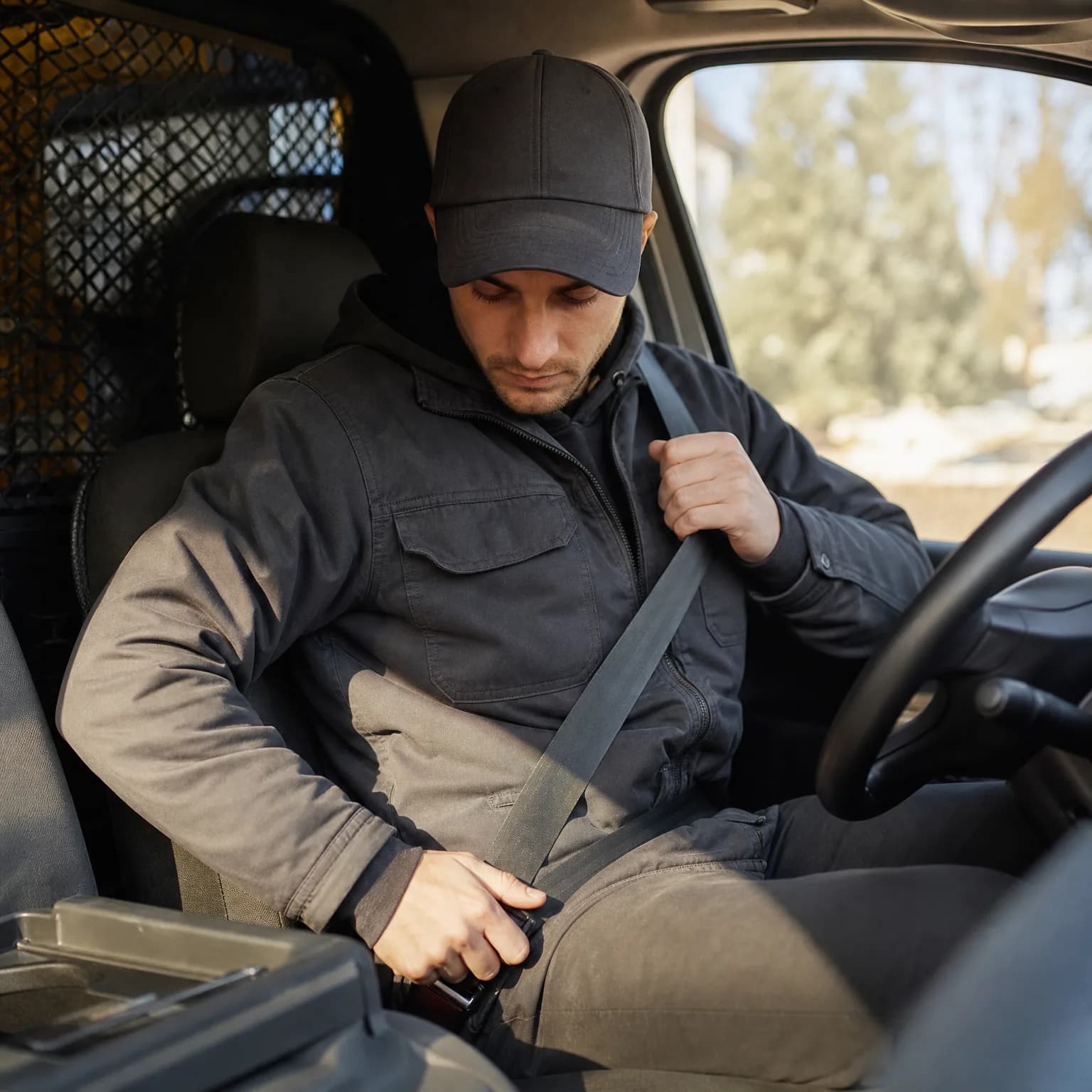
Most states require 3 years of continuous SR-22 filing after a fleeing or eluding conviction. California and Florida require 5 years. A handful of states set the duration based on court order rather than statute, which means your filing period may be longer than the standard term if aggravating factors were present.
The clock starts on your conviction date, not your filing date. If you delay filing SR-22 for six months after conviction, you don't shorten the requirement—you extend your suspension. Filing immediately after sentencing is the only way to avoid license suspension and keep the end date from moving forward.
Some states allow early termination if you can prove financial hardship and have maintained a clean record during the filing period, but this requires a formal petition to the DMV and is rarely granted for major violations like fleeing or eluding. The administrative burden usually exceeds the benefit unless you're in year four of a five-year requirement.

Which Carriers Will Actually Write You After Fleeing Police
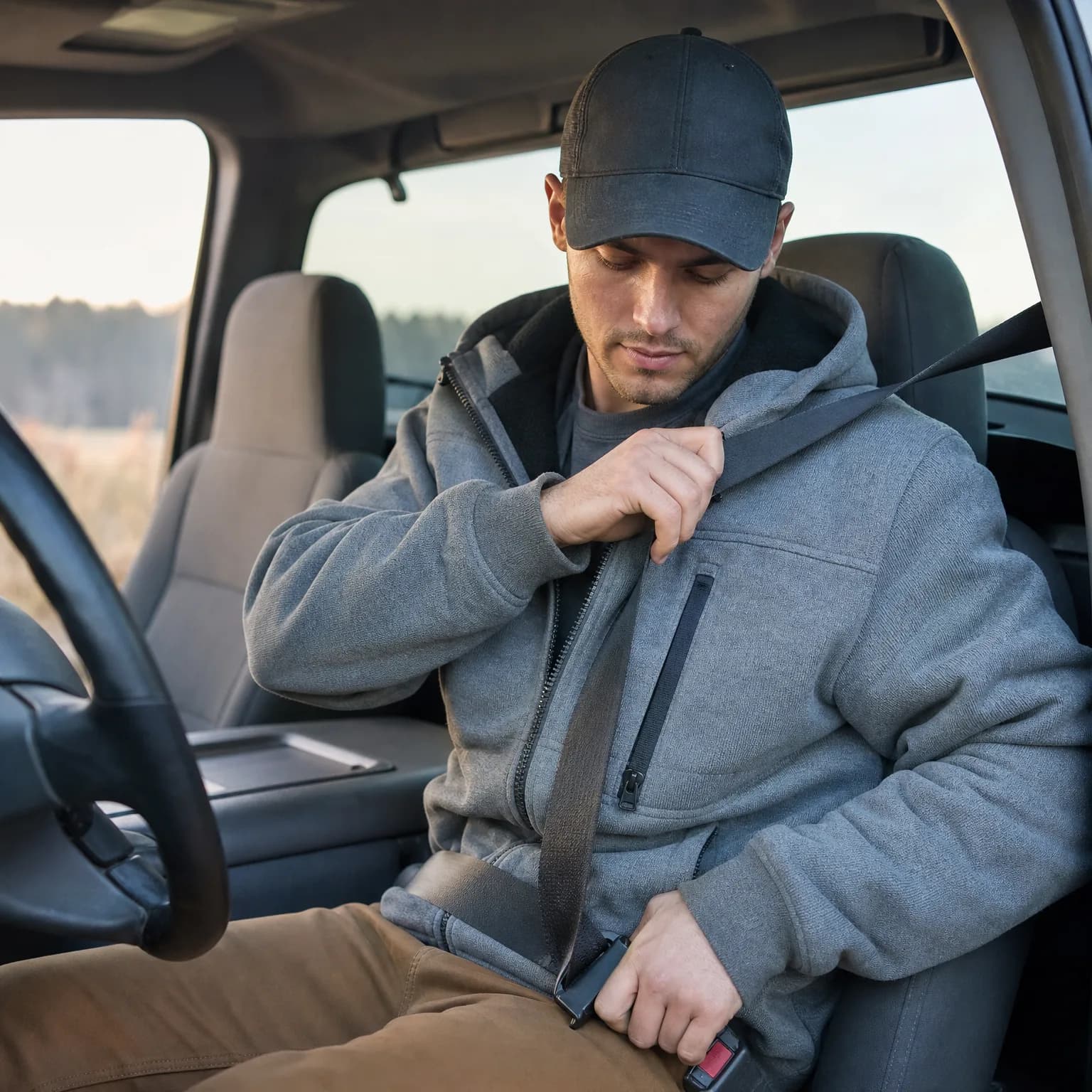
Most national carriers—State Farm, Allstate, GEICO's standard lines—will not write a new policy immediately after a fleeing or eluding conviction. They either decline the application outright or route you to a specialty subsidiary that operates under a different brand name at a higher price tier.
Progressive writes high-risk drivers directly through its standard brand but assigns them to a separate underwriting tier with restricted coverage options and higher base rates. The Zebra and NerdWallet will show you a Progressive quote, but it won't reflect the actual tier you'll be placed in until underwriting reviews your motor vehicle record.
Specialty carriers that actively write post-conviction drivers include The General, Acceptance Insurance, Direct Auto, Safe Auto, and regional non-standard carriers operating in your state. These carriers price fleeing/eluding convictions into their base book—they expect the risk and don't surcharge as heavily as a standard carrier would if they agreed to write you at all. Shopping a specialty carrier first often produces a lower premium than trying to force a standard carrier to accept the risk.
Some drivers assume they should wait until their record improves before shopping. Waiting costs you more. Non-standard carriers compete for high-risk drivers, and filing SR-22 immediately after conviction is the only way to satisfy your state's proof-of-insurance requirement and avoid extended suspension.

Stay Covered While You Drive Borrowed Cars
Find Coverage After ViolationsWhat SR-22 Filing Costs and What Happens If You Let It Lapse
The SR-22 certificate itself costs $15–$50 to file, depending on your state and carrier. This is a one-time fee paid when your carrier submits the form to the DMV. Some carriers charge an annual renewal fee if your policy spans multiple years; others include it in your premium.
Your insurance premium after a fleeing or eluding conviction will typically run $200–$400/month for state minimum liability coverage, depending on your state, age, prior violations, and whether the conviction involved injury or property damage. Full coverage with collision and comprehensive will push that to $400–$700/month in most markets. These are non-standard market rates—standard carriers charge more if they agree to write you at all.
If your policy lapses for any reason during the filing period, your carrier notifies the DMV within 24 hours. Your license suspends immediately in most states. Reinstatement requires paying a suspension lift fee, filing new SR-22, and in many states, restarting the full 3- or 5-year filing clock from the date of reinstatement. A single missed payment can add years to your requirement and hundreds of dollars in reinstatement fees.

How Your Rate Changes Over Time as the Filing Period Ends
Your rate will decrease gradually as time passes from your conviction date, assuming you maintain continuous coverage and avoid new violations. Most carriers re-tier your policy annually—the first renewal after conviction will still reflect the full surcharge, but year two and year three see incremental drops as the violation ages.
Once your SR-22 filing period ends and the certificate is released, you can shop standard carriers again. You won't be automatically moved back to standard rates—you'll need to request quotes and compare. The fleeing/eluding conviction remains on your motor vehicle record for 5–10 years depending on state law, but carriers weight recent violations more heavily than older ones. A conviction that's 4 years old produces a smaller surcharge than one that's 6 months old.
Some drivers stay with their non-standard carrier after the filing period ends because switching carriers requires underwriting review, and a second look at your full record might surface other issues that produce a higher quote. If your non-standard carrier has reduced your rate over time and you've had no claims or new violations, staying put is often the better financial move until the conviction falls off entirely.

Non-Owner SR-22 If You Don't Have a Vehicle
If you don't own a vehicle but still need SR-22 to reinstate your license, a non-owner SR-22 policy covers you when driving borrowed or rental vehicles. It carries liability-only coverage at state minimums and costs significantly less than a standard policy—typically $30–$80/month depending on your state and violation history.
Non-owner SR-22 satisfies your state's proof-of-insurance requirement and keeps your filing active while you're not driving regularly. If you later purchase a vehicle, you'll need to convert to a standard policy and transfer the SR-22 filing to the new policy. The filing period clock does not reset when you convert—it continues from your original conviction date.
Some states do not allow non-owner policies to satisfy SR-22 requirements if the conviction involved a vehicle you owned at the time of the offense. Check your state's DMV rules before purchasing non-owner coverage. If your state requires owner-operator SR-22, you'll need to title a vehicle in your name and insure it with a standard policy even if you don't plan to drive it regularly.
Frequently Asked Questions
Can I get SR-22 insurance if I was convicted of fleeing or eluding police?
Yes. SR-22 filing is mandatory after a fleeing or eluding conviction in most states, and specialty carriers write policies specifically for high-risk drivers with major violations. Most national carriers will decline you or route you to a non-standard subsidiary, but carriers like The General, Progressive's high-risk tier, and state-specific non-standard insurers actively write this risk.
How much does SR-22 insurance cost after fleeing from police?
Expect $200–$400/month for state minimum liability coverage after a fleeing or eluding conviction, depending on your state and prior record. The SR-22 filing fee itself is $15–$50, but the conviction triggers a 70–150% rate increase. Rates decrease gradually over the 3- to 5-year filing period if you maintain continuous coverage and avoid new violations.
What happens if I let my SR-22 lapse after a fleeing conviction?
Your carrier notifies the DMV within 24 hours, your license suspends immediately, and in most states the filing clock resets to zero. Reinstatement requires paying a suspension lift fee, filing new SR-22, and restarting the full 3- or 5-year filing period from the reinstatement date. A single missed payment can add years to your requirement.
Do I need SR-22 if I don't own a car after fleeing from police?
Most states still require SR-22 to reinstate your license even if you don't own a vehicle. A non-owner SR-22 policy provides liability coverage when driving borrowed or rental vehicles and satisfies the filing requirement. It costs $30–$80/month, significantly less than a standard policy, and keeps your filing active while you're not driving regularly.
Will my SR-22 requirement follow me if I move to another state?
Yes. The state that issued your SR-22 requirement controls the filing period, not the state you move to. You'll need to transfer your SR-22 filing to a carrier licensed in your new state and notify your original state's DMV. The filing clock does not reset when you move, but your new state's minimum liability limits may differ, requiring you to adjust your coverage.
Related Articles

SR-22 After Felony Hit-and-Run: Filing Duration
5/18/2026

SR-22 After Reckless Driving: How Long and What Happens
5/18/2026

SR-22 After Vehicular Assault: Filing & Market Reality
5/18/2026

SR-22 Cost With Clean Record During Filing Period
5/18/2026

SR-22 Graduation: What Carriers Check When Filing Ends
5/18/2026

SR-22 Cost by Violation: DUI vs Refusal vs Hit-and-Run
5/18/2026