
SR-22 Carriers That Work With Ignition Interlock in Illinois
Free to compare
Which Illinois SR-22 Carriers Accept Ignition Interlock Device Orders
State Farm, GEICO, Progressive, and Bristol West actively write SR-22 policies for drivers with ignition interlock devices in Illinois, but each routes IID cases through different underwriting channels. State Farm processes IID-SR-22 combinations through its standard high-risk desk in Illinois and typically quotes 15-25% higher than SR-22 alone. Progressive routes IID drivers to its non-standard subsidiary and quotes 30-50% above standard SR-22 rates.
GEICO accepts IID-SR-22 drivers in Illinois but assigns them to a separate risk tier that restricts payment plan options to full-pay or two-pay only. Bristol West writes both requirements but requires proof of IID installation before binding coverage, which creates a sequencing problem: you need insurance to reinstate your license, but the carrier won't bind until the device is installed and certified.
Allstate and Liberty Mutual both decline IID-SR-22 combinations in Illinois outright and refer applicants to non-standard carriers. Farmers writes the combination but only through select independent agents, not through their direct channel. The carrier you get quoted by online may not be the carrier that actually writes your policy once the IID requirement surfaces during underwriting.

How Ignition Interlock Affects SR-22 Filing in Illinois
Illinois requires SR-22 filing for 3 years after a DUI conviction or refusal, measured from your reinstatement date, not your conviction date. If the court orders an ignition interlock device as part of your restricted driving relief permit or full license reinstatement, the device must remain installed for the court-ordered period, which is typically 1 year for a first DUI, 5 years for a second, and 10 years for a third or subsequent. The SR-22 filing and IID requirements run on separate timelines but both must remain active simultaneously during the overlap period.
Your carrier must maintain continuous SR-22 filing with the Illinois Secretary of State for the full 3-year period. If you cancel your policy or let it lapse even one day, the Secretary of State receives an SR-26 cancellation notice from your insurer within 10 days, your license suspends again immediately, and your 3-year SR-22 clock resets to zero from the new reinstatement date. The IID clock does not reset, which creates a mismatch: drivers who lapse SR-22 mid-device often end up filing SR-22 for years beyond when the device comes out.
Most Illinois carriers classify IID-SR-22 drivers in a higher risk tier than SR-22-only drivers because the device requirement signals either high BAC at arrest, refusal, or multiple prior offenses. That tier assignment determines your rate, not just the base SR-22 filing fee.


What Illinois Carriers Charge for SR-22 With Ignition Interlock
Monthly premiums for liability-only SR-22 coverage with an ignition interlock device range from $180 to $340 per month in Illinois for a first DUI, depending on your county, age, and whether you need owner or non-owner coverage. Cook County drivers pay 20-30% more than downstate due to higher uninsured motorist rates and theft risk. Non-owner SR-22 policies cost $80 to $150 per month but only cover you when driving a vehicle you don't own, which creates a gap if you later buy or lease a car.
The SR-22 filing fee itself is $25 to $50 depending on carrier, paid once at policy inception. That fee does not repeat annually unless you change carriers. The device monitoring fee, paid separately to the IID provider, runs $70 to $100 per month and is not included in your insurance premium. Total monthly cost for insurance plus device monitoring averages $250 to $440 for first-time DUI filers with IID in Illinois.
Carriers that accept IID-SR-22 combinations typically do not offer the same discount programs available to standard SR-22 filers. Progressive's Snapshot telematics discount, for example, is unavailable to IID drivers in Illinois. State Farm restricts multi-policy discounts during the first 12 months of an IID filing. Bristol West offers no discounts at all for non-standard IID policies.

Stay Covered While You Drive Borrowed Cars
Find Coverage After ViolationsHow to Get Covered Before Your Device Installation Appointment
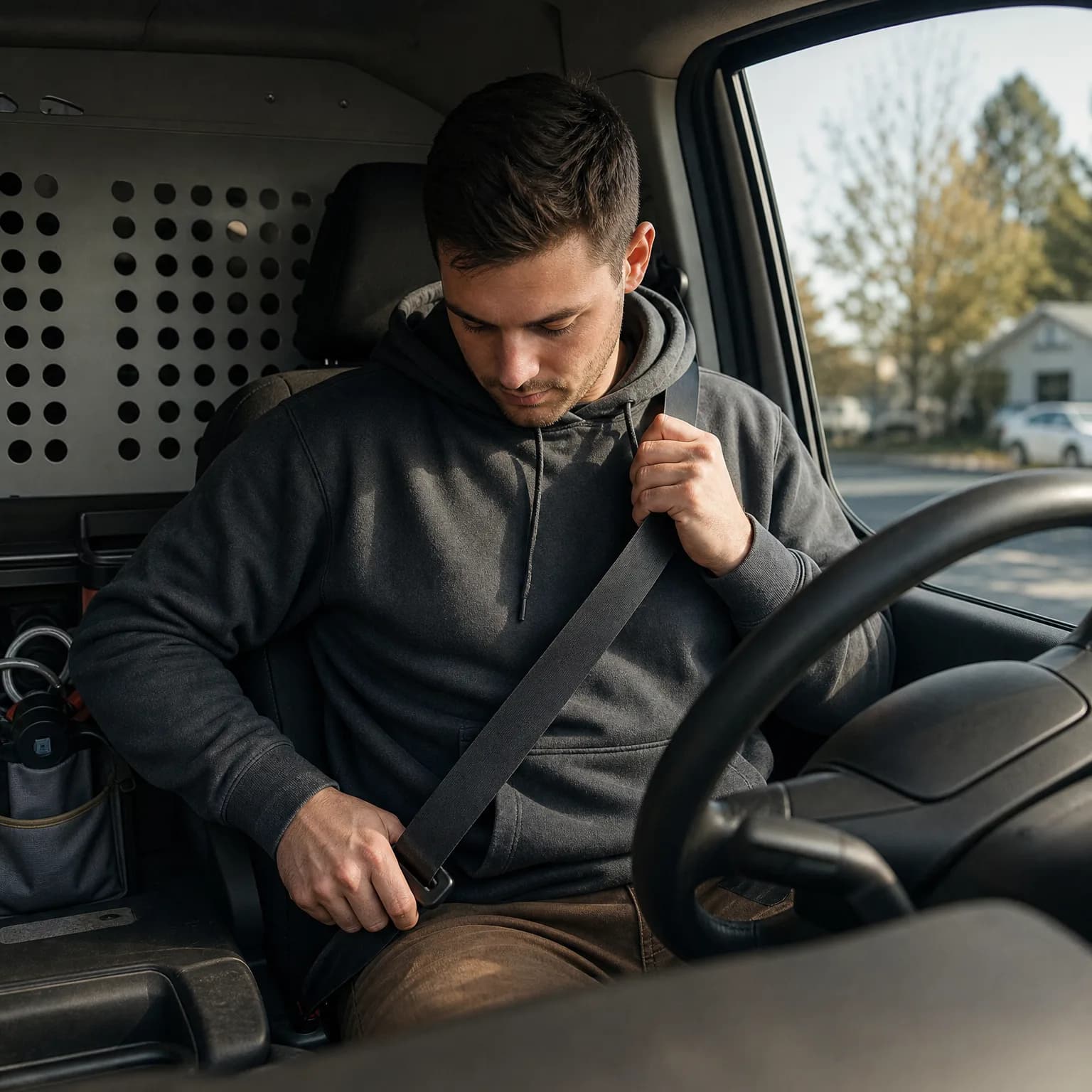
Illinois law requires proof of insurance before the Secretary of State will issue a restricted driving permit or reinstate your full license, but most IID-accepting carriers require proof of device installation before binding your policy. This creates a sequencing trap: you can't get your license back without insurance, and you can't get insurance without the device installed, but you can't legally drive to the installation appointment without a valid license.
The correct sequence: obtain a quote and binder agreement from a carrier that accepts IID-SR-22 in Illinois, schedule your device installation, have the installer provide a certification of installation to your carrier the same day, and request same-day SR-22 electronic filing to the Secretary of State. Most carriers process SR-22 filings within 24 hours of receiving installation proof. The Secretary of State updates your driving record within 3 business days of receiving the filing, at which point you can visit a DMV facility with your installation certificate, insurance proof, and reinstatement fee to receive your permit or license.
Carriers that offer binder agreements before installation include State Farm and Bristol West in Illinois. GEICO and Progressive require installation certification before issuing any binder. If your installation appointment is more than 7 days out, request a binder with a future effective date matching your installation date. If the carrier declines, you will need to complete installation first, then obtain coverage, which extends your suspension period by the number of days between installation and coverage binding.
What Happens If You Switch Carriers During Your Filing Period
Switching carriers mid-filing period in Illinois does not reset your SR-22 clock, but any gap in coverage between your old policy cancellation and new policy effective date triggers an immediate suspension and restarts your 3-year requirement from zero. Illinois requires continuous SR-22 filing with no gaps, measured in days, not policy terms. If your old carrier cancels your policy on June 15 and your new carrier binds coverage on June 18, that 3-day gap appears as a lapse to the Secretary of State, your license suspends on June 16, and you owe a new reinstatement fee plus a new 3-year filing period.
To switch carriers without a gap, bind your new policy with an effective date that matches or precedes your old policy cancellation date, confirm the new carrier files SR-22 electronically the same day, and only then cancel your old policy. Most Illinois carriers allow you to backdate a new policy up to 3 days if you provide proof of prior SR-22 coverage ending, but this is not guaranteed. The safest method is overlapping coverage for one day: new policy effective June 15, old policy cancelled June 15, with both carriers active for 24 hours.
Carriers do not prorate SR-22 filing fees when you switch mid-term. If you paid State Farm $50 to file SR-22 in January and switch to Progressive in June, Progressive charges a separate $25 filing fee and State Farm does not refund the original $50. The device monitoring contract with your IID provider does not transfer between insurance carriers and must be updated with your new policy information within 10 days of the switch to avoid a compliance violation reported to the Secretary of State.

How Long You'll Need SR-22 and IID Coverage Simultaneously
Illinois courts order ignition interlock devices for minimum periods based on offense count: 1 year for a first DUI, 5 years for a second, and 10 years for a third or subsequent. The Secretary of State requires SR-22 filing for 3 years from your reinstatement date regardless of offense count. If you receive a restricted driving permit 90 days after your DUI arrest and install the device that same week, your IID requirement runs for 1 year from installation and your SR-22 requirement runs for 3 years from the permit issuance date. You will need both simultaneously for the first 12 months, then SR-22 filing alone for the remaining 24 months after device removal.
Drivers with second or subsequent DUIs face longer overlaps: a second-offense IID period of 5 years means you will carry SR-22 and device coverage together for 3 years, then device-only monitoring for an additional 2 years after your SR-22 period ends. Your insurance rate typically drops 15-30% once the device is removed because carriers reclassify you from IID-SR-22 tier to SR-22-only tier, even though the filing itself continues.
Illinois does not allow early termination of either requirement. Completing your IID period without violations does not shorten your SR-22 obligation. Completing your SR-22 period does not remove your IID requirement early. Both timelines run independently and must be satisfied in full unless a court order specifically modifies the device period or the Secretary of State grants a filing waiver, which is rare and requires documented hardship with no violations during the existing filing period.
Frequently Asked Questions
Can I get SR-22 insurance before my ignition interlock device is installed in Illinois?
Most Illinois carriers require proof of device installation before binding SR-22 coverage, but State Farm and Bristol West offer binder agreements with future effective dates. You schedule installation, obtain the binder, complete installation, submit the installer's certification to your carrier same-day, and the carrier files SR-22 electronically within 24 hours. GEICO and Progressive do not issue binders before installation and require the device certification before any coverage begins.
How much does SR-22 insurance cost with an ignition interlock device in Illinois?
$180 to $340 per month for liability-only owner coverage with a first DUI and device requirement, depending on county and age. Non-owner SR-22 policies cost $80 to $150 per month but only cover you when driving vehicles you don't own. The device monitoring fee of $70 to $100 per month is paid separately to the IID provider and is not included in your insurance premium.
What happens if I let my SR-22 insurance lapse while my ignition interlock is still required in Illinois?
The Secretary of State receives an SR-26 cancellation notice from your insurer within 10 days, your license suspends immediately, and your 3-year SR-22 filing period resets to zero from the date you reinstate. The device requirement timeline does not reset, which means you will file SR-22 for years beyond when the device is removed if you lapse mid-device period.
Do I still need SR-22 after my ignition interlock device is removed in Illinois?
Yes. Illinois requires SR-22 filing for 3 years from reinstatement regardless of device period. First-offense drivers typically have the device for 1 year and SR-22 for 3 years, meaning you file SR-22 for 2 additional years after device removal. Your rate usually drops 15-30% once the device comes out because carriers reclassify you from IID-SR-22 tier to SR-22-only tier.
Which Illinois insurance carriers accept both SR-22 and ignition interlock requirements?
State Farm, GEICO, Progressive, and Bristol West write SR-22 policies for drivers with ignition interlock devices in Illinois, though each routes IID cases to different underwriting tiers. Allstate and Liberty Mutual decline IID-SR-22 combinations outright. Farmers writes both but only through select independent agents, not their direct sales channel.
Related Articles
SR-22 Carriers for Ignition Interlock in Arizona
5/18/2026

SR-22 Carriers That Work With Ignition Interlock in Oregon
5/18/2026

SR-22 Carriers for Interlock Devices in Texas
5/18/2026
SR-22 Carriers With Ignition Interlock in Washington
5/18/2026

SR-22 & Illinois AAIP: High-Risk Pool Filing Guide
5/18/2026

SR-22 + Interlock Cost: Total Monthly Out-of-Pocket
5/18/2026