
SR-22 Cost When You Remove a Vehicle Mid-Filing Period
Free to compare
Does Removing a Vehicle Mid-Filing Cancel Your SR-22 Requirement?
No. Your SR-22 filing requirement is attached to your driver's license, not your vehicle. Selling your car, trading it in, or dropping it from your policy does not end your filing obligation. Your state DMV requires continuous SR-22 proof for the full period mandated by your conviction or suspension, typically three years in most states.
If you remove the last vehicle from your SR-22 policy and let coverage lapse, your carrier notifies the DMV immediately. This triggers a license suspension, reinstatement fees, and a restart of your filing clock in most states. The filing period does not pause while you are uninsured.
If you still need to drive but no longer own a vehicle, you must switch to non-owner SR-22 coverage. This maintains your filing without insuring a specific car.

What Happens to Your Premium When You Drop a Vehicle?
Your premium decreases because the vehicle liability coverage ends, but the SR-22 filing fee remains. Most carriers charge $15 to $50 per year for the SR-22 filing itself, billed as a separate endorsement. When you remove the vehicle, you eliminate collision, comprehensive, and liability costs tied to that car, but the filing fee stays attached to your license.
If you switch to a non-owner SR-22 policy after removing your vehicle, expect monthly premiums between $30 and $80 in most states. Non-owner policies carry state-minimum liability limits with no physical damage coverage. The filing fee applies to this policy as well.
Carriers recalculate your rate immediately when you remove a vehicle. You won't pay the full owner-policy premium for the remainder of your billing cycle. Most insurers prorate the change to the effective date of the vehicle removal.

Can You Keep SR-22 Active Without Owning a Vehicle?
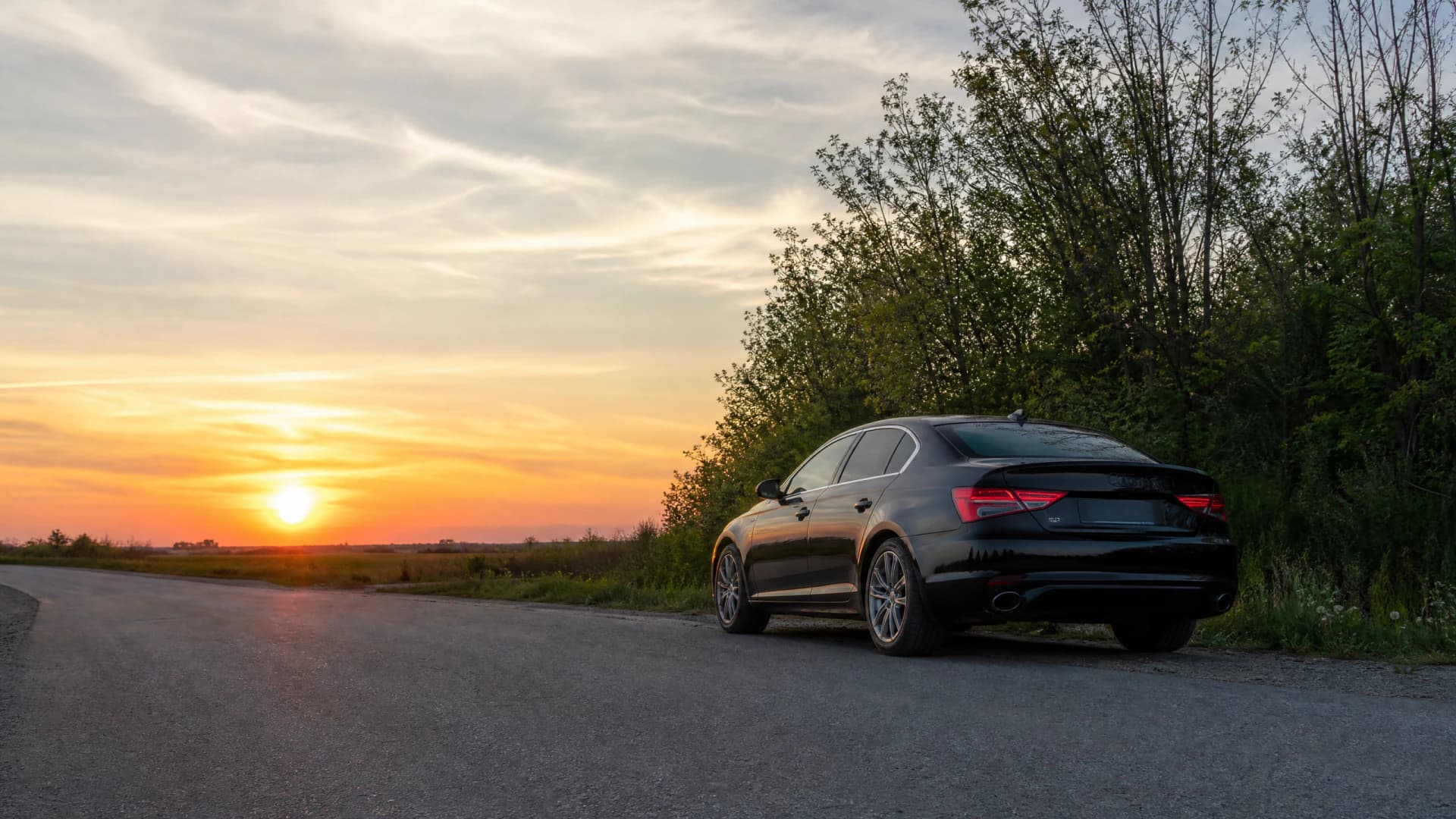
Yes, through a non-owner SR-22 policy. This coverage satisfies your filing requirement without insuring a specific vehicle. It provides liability coverage when you drive a borrowed or rental car, and it keeps your SR-22 certificate on file with the DMV.
Non-owner policies cost significantly less than standard owner policies because they carry no collision or comprehensive coverage. Monthly premiums typically range from $30 to $80, depending on your state, violation type, and coverage limits. The SR-22 filing fee is added to this base rate.
Most carriers that write SR-22 offer non-owner versions. Progressive, The General, and Bristol West actively write non-owner SR-22 in most states. If your current carrier does not offer non-owner coverage, you must switch carriers to maintain your filing without a gap.

Stay Covered While You Drive Borrowed Cars
Find Coverage After ViolationsDoes Removing a Vehicle Restart Your Filing Period?
No, as long as you maintain continuous coverage. Your filing period clock continues running if you switch to a non-owner SR-22 policy before your vehicle removal takes effect. The DMV tracks the filing certificate, not the type of policy carrying it.
If you allow a coverage gap of even one day, most states reset your filing period to zero. A DUI conviction requiring three years of SR-22 will restart that three-year clock from the date you reinstate coverage after the lapse. Reinstatement also requires paying a suspension fee, typically $50 to $300 depending on the state.
To avoid a reset, bind your non-owner SR-22 policy with an effective date matching or preceding the cancellation date of your owner policy. Carriers can backdate coverage by a few days if you act quickly, but gaps longer than a week cannot be retroactively closed in most cases.

What If You're Moving Out of State During Your Filing Period?
Your SR-22 requirement does not transfer automatically. If you move to a new state, you must file SR-22 in your new state of residence if it participates in the SR-22 system. Most states accept out-of-state SR-22 filings temporarily while you establish residency, but you are required to obtain in-state coverage and a new SR-22 certificate once you register your license.
A few states use alternative frameworks. Delaware uses an SR-22A form. Florida and Virginia use FR-44 certificates, which require higher liability limits than standard SR-22. If you move to one of these states, your existing SR-22 does not satisfy the new state's requirement. You must obtain the correct certificate type and meet the new state's minimum coverage limits.
If you remove your vehicle as part of a move, coordinate the timing carefully. Bind your new-state non-owner SR-22 policy before canceling your old-state coverage to avoid any lapse that triggers suspension in both states.
Frequently Asked Questions
How much does SR-22 cost if I don't own a car?
Non-owner SR-22 policies typically cost $30 to $80 per month, plus a $15 to $50 annual filing fee. This covers state-minimum liability when you drive borrowed or rental vehicles and keeps your SR-22 certificate active with the DMV.
Will my SR-22 filing period restart if I sell my car?
No, as long as you switch to a non-owner SR-22 policy before your vehicle coverage ends. Any gap in coverage, even one day, resets your filing period to zero in most states and triggers a license suspension.
Can I drop SR-22 if I stop driving completely?
No. Your SR-22 requirement remains active for the full period mandated by your state, regardless of whether you drive. If you let coverage lapse, the DMV suspends your license and restarts your filing clock when you reinstate.
What happens if I move to a different state during my SR-22 period?
You must file SR-22 in your new state of residence once you establish residency and register your license. Some states use different certificates like FR-44 in Florida and Virginia, which require higher liability limits than standard SR-22.
Related Articles

Can't Afford SR-22? Your Options Before It Lapses
5/18/2026

Do I Need SR-22 If I Never Plan to Drive Again?
5/18/2026

SR-22 Cost After Dropping Full Coverage: What Changes
5/18/2026
Keep SR-22 Active While Between Jobs | Non-Owner Options
5/18/2026

SR-22 After Total Loss: Avoid Filing Lapse & Suspension
5/18/2026

Non-Owner SR-22: Filing Without a Car | How It Works
5/18/2026