
SR-22 Day-of-Graduation: What the Carrier Files With the State
Free to compare
What the carrier actually transmits when you bind an SR-22 policy
Your carrier sends an electronic certificate to your state DMV the same day you bind coverage. The certificate contains your policy number, coverage start date, liability limits, and the carrier's certification that you meet the state's minimum financial responsibility requirement. It does not contain your driving record, your premium amount, or why you needed the filing.
Most states use a centralized electronic filing system. Your carrier logs in, uploads the certificate, and receives a confirmation number within minutes. That confirmation proves the carrier submitted the form. It does not prove the DMV processed it yet.
The filing itself costs $15-$50 depending on your state, paid to the carrier as a one-time administrative fee. This is separate from your premium. Some carriers waive the fee if you're already insured with them. Others charge it regardless.
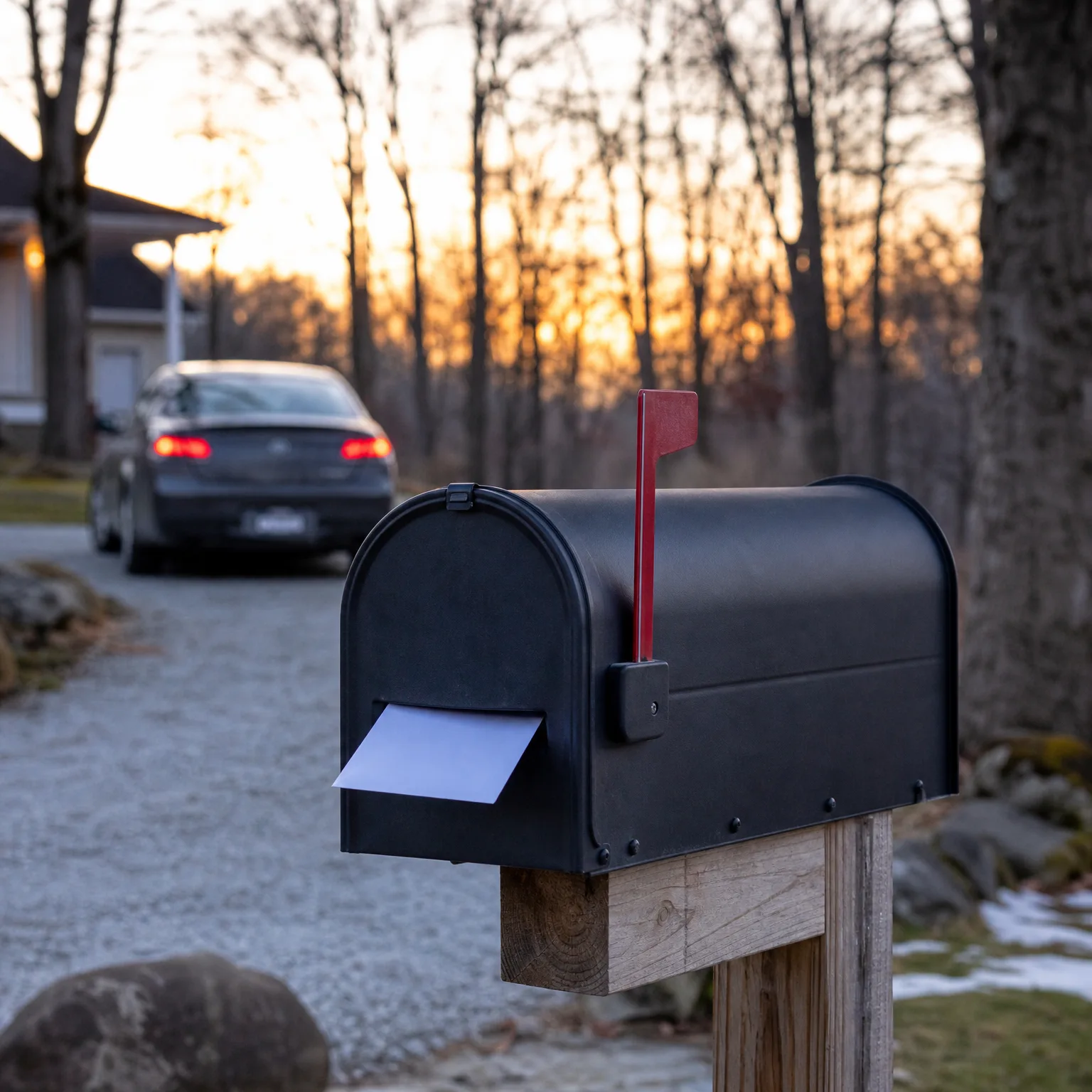
The DMV does not process SR-22 filings in real time
State DMV systems batch-process SR-22 certificates overnight or during business hours. If your carrier files at 4 PM on a Friday, the DMV may not process it until Monday morning. If your carrier files on a holiday, add another day.
This is why your license status doesn't update immediately even when you buy coverage the same day you receive the SR-22 requirement notice. The carrier filed. The state hasn't processed the filing yet. You are covered. Your license just doesn't reflect it.
Most states update license status within 1-3 business days of the carrier's filing date. Some states take up to 5 days. If your reinstatement deadline is tight, buy coverage 5-7 days before the deadline to account for processing lag.


What happens if the DMV rejects the filing
The DMV rejects filings when the policy start date is earlier than the suspension effective date, when liability limits are below the state minimum, or when the driver's name or license number doesn't match DMV records exactly. Rejections are rare but they happen.
Your carrier receives the rejection notice electronically, usually within 24-48 hours of the original filing. They'll contact you to fix the error and refile. The refiling is free. The clock does not reset as long as the corrected filing is submitted before your reinstatement deadline.
If the rejection is due to a data mismatch, bring your driver's license and suspension notice to your agent. They'll compare the documents to the policy and correct the discrepancy before refiling. Most rejections are clerical and fixed within a day.

Stay Covered While You Drive Borrowed Cars
Find Coverage After ViolationsThe carrier files an SR-26 cancellation notice the day your policy lapses
If you miss a payment and your policy cancels, your carrier files an SR-26 cancellation notice with the DMV the same day the policy lapses. The DMV processes the SR-26 the same way they process the original SR-22, in batch overnight or during business hours.
Your license suspends again automatically once the DMV processes the cancellation. In most states, the suspension is effective immediately. You do not receive advance warning. The gap between your policy lapse date and your license suspension date is typically 1-3 business days, the same lag as the original filing.
If you reinstate coverage within 30 days of the lapse, some states allow you to avoid a new suspension as long as the carrier files a new SR-22 before the DMV processes the SR-26. This is uncommon and state-specific. Most states treat any lapse as a new suspension trigger, resetting your filing period to zero.

How to confirm the DMV received your SR-22 filing
Check your state DMV's online license status portal 3-5 business days after your carrier files. Most states update the portal to show your SR-22 is on file and your reinstatement eligibility status. If the portal still shows a suspension, wait another 2 business days before calling the DMV.
If you call the DMV, have your policy number, carrier name, and filing confirmation number ready. The DMV cannot see your carrier's filing until their system processes it. Calling on day 1 wastes your time and theirs.
If the DMV shows no record of your SR-22 after 7 business days, contact your carrier first. They can pull the filing confirmation and transmission log to prove they submitted it. If the carrier's log shows a successful transmission and the DMV still shows nothing, the carrier will contact the state's SR-22 processing unit directly to resolve the discrepancy.

What the filing tells the DMV about your coverage
The SR-22 certificate lists your liability limits, policy effective date, and policy expiration date. It does not list collision, comprehensive, or any optional coverage. The DMV only cares that you carry the state's minimum liability requirement continuously.
If you reduce your liability limits below the state minimum during your filing period, your carrier files an SR-26 cancellation notice even if your policy stays active. This triggers a suspension. Increasing your limits above the minimum does not require a new filing.
The certificate also includes your carrier's NAIC code, a unique identifier the DMV uses to verify the carrier is authorized to write insurance in your state. If you buy from an unauthorized carrier, the DMV rejects the filing and your license stays suspended until you switch to a licensed carrier.
Frequently Asked Questions
How long does it take for the DMV to process an SR-22 filing after the carrier submits it?
Most state DMVs process SR-22 filings within 1-3 business days of the carrier's electronic submission. Some states take up to 5 business days. The carrier files the same day you bind coverage, but the DMV batch-processes filings overnight or during business hours, not in real time.
Can I drive immediately after buying SR-22 insurance or do I have to wait for the DMV to process it?
You are insured and covered the moment you bind the policy, but your license remains suspended until the DMV processes the filing and clears your reinstatement requirements. Driving on a suspended license before the DMV updates your status is illegal, even if you have active coverage and your carrier filed the SR-22.
What happens if the DMV rejects my SR-22 filing?
The DMV sends a rejection notice to your carrier within 24-48 hours, usually due to a data mismatch or incorrect policy dates. Your carrier contacts you to correct the error and refiles at no additional charge. The refiling does not reset your deadline as long as the corrected certificate is submitted before your reinstatement date.
Does the SR-22 certificate show my premium or why I needed the filing?
No. The SR-22 certificate lists only your liability limits, policy effective date, policy expiration date, and the carrier's certification that you meet the state minimum. It does not include your premium, your driving record, or the violation that triggered the filing requirement.
How do I confirm the DMV received my SR-22 after my carrier filed it?
Check your state DMV's online license status portal 3-5 business days after your carrier files. Most states update the portal to show your SR-22 is on file and your eligibility for reinstatement. If the portal still shows a suspension after 7 business days, contact your carrier to verify they transmitted the filing successfully.
Related Articles
Confirm Your SR-22 Filed Before Carrier Confirms
5/18/2026
SR-22 Filing Fees: DMV Costs vs Carrier Charges
5/18/2026

Paper vs Electronic SR-22 Filing: State Requirements
5/18/2026

How to Verify SR-22 Was Filed After Carrier Confirms
5/18/2026

SR-22 Online vs Local Agent: Filing Speed & Cost
5/18/2026
SR-22 First 30 Days: What Happens After You File
5/18/2026