Washington Ignition Interlock License: What SR-22 Filers Need to Know
Free to compare
What Is Washington's Ignition Interlock License Program?
Washington's Ignition Interlock License allows DUI offenders to drive during what would otherwise be a suspension period by installing a breath-test device in their vehicle. The IIL is not a restricted license — it grants full driving privileges as long as you're driving a vehicle equipped with an approved interlock device. First-time DUI offenders typically face a 90-day administrative suspension, but can apply for an IIL immediately after arrest and maintain continuous driving privileges.
The program requires SR-22 filing for the entire IIL period plus any additional years mandated by the court or DOL. For a first DUI, that's typically one year of IIL device time plus three years of SR-22 filing from conviction date. The IIL period and SR-22 period overlap but are not identical — your device comes out before your SR-22 obligation ends.
Most drivers assume the IIL replaces all other requirements. It doesn't. You still need liability coverage that meets or exceeds state minimums, you still need continuous SR-22 certification on file with DOL, and any lapse in coverage during the IIL period disqualifies you from the program and triggers immediate suspension.
How SR-22 Filing Works With an Ignition Interlock License
Washington requires SR-22 filing as proof of continuous liability coverage for three years following a DUI conviction. The SR-22 is filed by your insurance carrier directly with DOL — you cannot file it yourself. If you're approved for an IIL, your SR-22 filing must remain active for the entire IIL period and continue beyond it until the three-year SR-22 obligation is satisfied.
The IIL device typically remains installed for one to two years depending on your conviction and compliance record. Your SR-22 filing continues for at least three years from your conviction date. This means you'll be driving without the device but still maintaining SR-22 for one to two years after the IIL period ends. Carriers writing SR-22 in Washington include Progressive, GEICO, The General, and National General, though not all write IIL-eligible drivers at standard rates.
If your SR-22 lapses during the IIL period — even by one day due to nonpayment or policy cancellation — DOL terminates your IIL eligibility immediately and your license reverts to suspended status. Reinstatement after an IIL-period lapse requires reapplying for the IIL, paying reinstatement fees, and filing a new SR-22. The three-year SR-22 clock does not reset, but your IIL eligibility clock does.
Cost Structure: Device Fees and SR-22 Premium Increases
The ignition interlock device itself costs approximately $100 to $150 for installation and $70 to $100 per month for monitoring and calibration. These fees are separate from your insurance premium and are paid directly to the device vendor. Washington does not subsidize device costs, though low-income drivers may qualify for a reduced monitoring fee through specific vendors.
SR-22 filing adds $25 to $50 to your policy as a one-time or annual filing fee, but the larger cost impact comes from the DUI conviction itself. Washington drivers with a DUI typically see liability premiums increase 70% to 130% depending on age, prior violations, and carrier. A driver paying $90 per month before a DUI can expect $150 to $210 per month after conviction, plus device costs, plus the SR-22 filing fee.
Carriers treat IIL participants as high-risk but insurable. Some carriers offer IIL-specific policies that bundle the SR-22 filing automatically. Non-standard carriers like The General and National General write IIL drivers more readily than standard carriers, though premiums reflect elevated risk. Expect total monthly cost — insurance plus device — to run $220 to $310 for the first year of the IIL period.
IIL Eligibility: Who Qualifies and When You Can Apply
Washington allows IIL application immediately after a DUI arrest, before conviction, if you're facing an administrative license suspension. First-time offenders with no prior alcohol-related driving offenses in the past seven years are eligible. Drivers with multiple DUI convictions, commercial driver's license holders, and those convicted of vehicular homicide or assault while impaired are not eligible for IIL.
You apply through the Washington Department of Licensing, not through the court. The application requires proof of interlock device installation from a DOL-approved vendor, proof of SR-22 filing from your carrier, and payment of a $100 application fee. Approval typically takes 5 to 10 business days after DOL receives all required documents. If you're already suspended and applying retroactively, you cannot drive until DOL approves your IIL and issues the new license.
The IIL does not erase your DUI conviction or reduce the three-year SR-22 requirement. It allows you to drive during the period you would otherwise be suspended. If you violate IIL terms — failed breath test, circumventing the device, driving a non-equipped vehicle — DOL revokes the IIL and your full suspension period restarts from the revocation date.
Stay Covered While You Drive Borrowed Cars
Find Coverage After Violations
Compliance Requirements: What Disqualifies You From the IIL
Washington monitors IIL participants through monthly device download reports submitted by your interlock vendor to DOL. Any failed breath test, attempt to start the vehicle with a breath alcohol concentration above 0.04%, or tamper event is recorded and reported. A single violation does not automatically disqualify you, but a pattern of violations — three or more failed tests in a 120-day period — triggers IIL revocation.
Driving any vehicle not equipped with your assigned interlock device disqualifies you immediately. This includes borrowing a friend's car, driving a company vehicle, or operating a motorcycle. Washington does not allow exemptions for work vehicles or emergencies during the IIL period. If your job requires driving a non-equipped vehicle, you cannot hold an IIL — you must serve the full suspension.
SR-22 lapse is the most common disqualification event and the one carriers are least likely to warn you about in advance. If your policy cancels for nonpayment, your carrier notifies DOL electronically within 24 hours. DOL suspends your IIL the same day. Reinstatement requires proof of new SR-22 filing, payment of a $75 reinstatement fee, and reapplication for the IIL. The device stays installed but you cannot legally drive until DOL reissues the license.
Non-Owner SR-22 and IIL: Coverage Without Vehicle Ownership
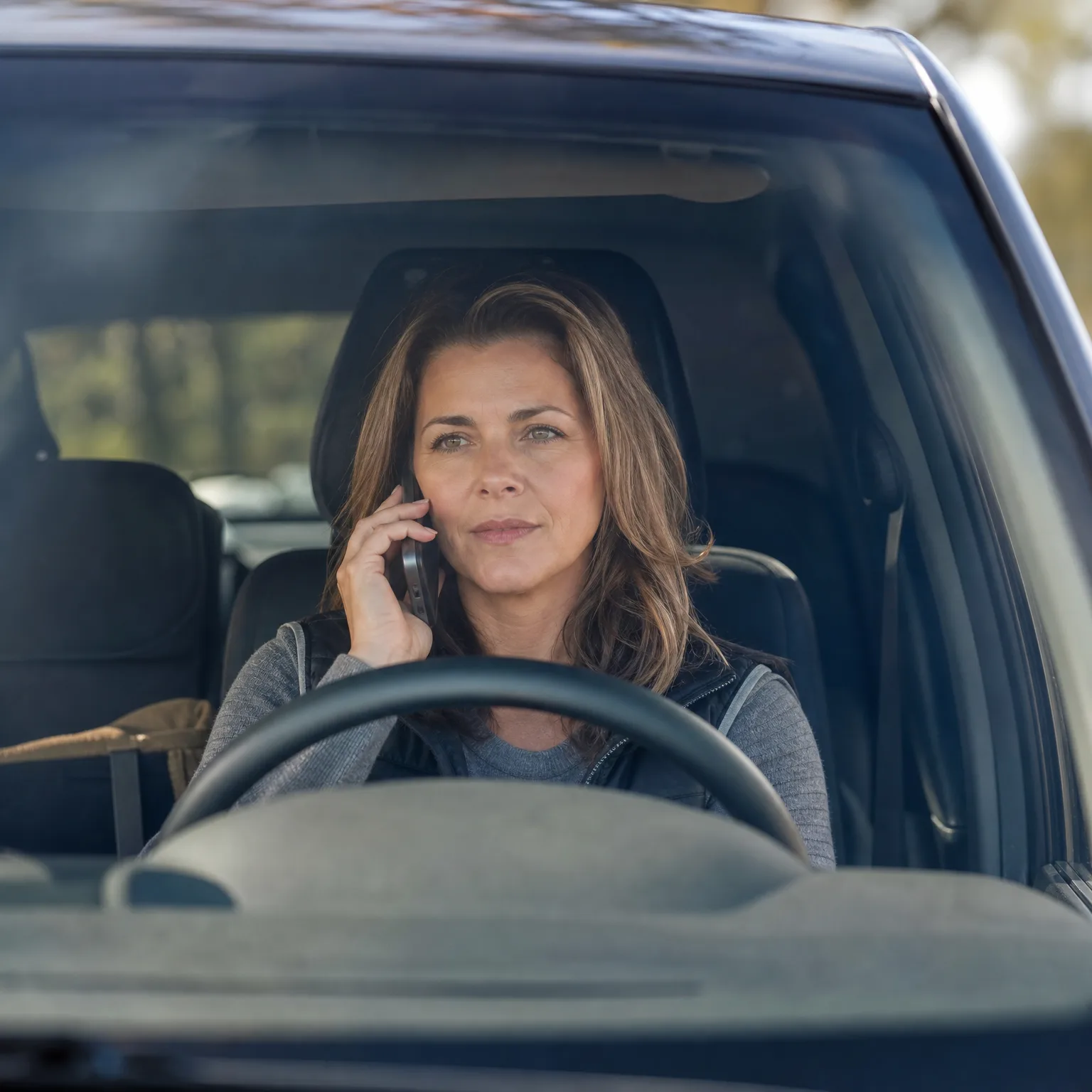
Washington allows non-owner SR-22 policies for IIL participants who do not own a vehicle but need to maintain driving privileges using a borrowed or employer-owned vehicle equipped with an interlock device. Non-owner SR-22 provides liability coverage when you're driving a vehicle you do not own. Monthly premiums for non-owner SR-22 with a DUI conviction typically run $60 to $90, significantly lower than owner policies but still elevated due to the violation.
The device must still be installed in the specific vehicle you're driving, even if you don't own it. This limits practical use cases — most IIL participants using non-owner policies install the device in a family member's car they have regular access to. Employers rarely allow personal interlock devices in company vehicles due to liability concerns.
Non-owner SR-22 does not cover damage to the vehicle you're driving. It covers liability only — injury and property damage you cause to others. If you're living without a car and need IIL eligibility purely for employment or legal compliance, non-owner SR-22 satisfies DOL's filing requirement and costs substantially less than maintaining an owner policy on a vehicle you don't drive.
Moving Out of State: What Happens to Your IIL and SR-22
Washington's IIL requirement does not transfer to other states. If you move out of Washington before completing your IIL period, your Washington license remains suspended in Washington until you complete the original suspension term or satisfy reinstatement requirements. Your new state will honor the suspension — most states participate in the Driver License Compact and will not issue a new license while a suspension is active in another state.
Your SR-22 filing obligation follows you. If you move to another state, you must cancel your Washington SR-22 and file a new SR-22 in your new state of residence. The three-year SR-22 clock continues — it does not reset when you move. Notify your carrier of the address change immediately and request SR-22 filing in the new state. Any gap between cancellation of the Washington SR-22 and filing in the new state counts as a lapse.
If your new state does not recognize the IIL framework, you will face whatever suspension or restricted license rules that state applies to out-of-state DUI convictions. Some states require their own interlock device programs with separate vendor networks and monitoring rules. Expect to restart the compliance process from zero if you move mid-IIL period.
Frequently Asked Questions
Can I drive for work during an IIL period in Washington?
Yes, Washington's Ignition Interlock License grants full driving privileges, including work-related driving, as long as you're operating a vehicle equipped with your assigned interlock device. You cannot drive employer-owned vehicles, company fleet vehicles, or any car without the device installed, even for work purposes.
What happens if I let my SR-22 lapse while on an IIL?
DOL suspends your Ignition Interlock License immediately — typically within 24 hours of receiving the lapse notification from your carrier. You must file a new SR-22, pay a $75 reinstatement fee, and reapply for the IIL. The device remains installed but you cannot legally drive until DOL reissues the license.
How long do I need SR-22 after my interlock device is removed?
Washington requires three years of SR-22 filing from your DUI conviction date, not from device removal. Most first-time offenders have the device installed for one year but maintain SR-22 for three years total. You'll drive without the device but with active SR-22 for roughly two years after the IIL period ends.
Does non-owner SR-22 work with Washington's IIL program?
Yes, you can use a non-owner SR-22 policy to satisfy the filing requirement for an IIL if you don't own a vehicle. The interlock device must still be installed in the specific car you're driving. Non-owner SR-22 covers liability only and costs $60 to $90 per month with a DUI conviction.
Can I transfer my Washington IIL to another state if I move?
No, Washington's IIL does not transfer to other states. Your Washington license remains suspended until you complete the original suspension term or meet reinstatement requirements. Your new state will not issue a license while the Washington suspension is active, and you must comply with that state's own DUI and interlock rules.
Related Articles
SR-22 + Ignition Interlock License in Washington
5/18/2026
SR-22 + IIL in Washington: Combined 3-Year Timeline
5/18/2026
SR-22 Carriers With Ignition Interlock in Washington
5/18/2026

SR-22 and Ignition Interlock in CA: 18-Month Timeline
5/18/2026
SR-22 & NJ Ignition Interlock License: What Drivers Miss
5/18/2026

SR-22 and Ignition Interlock: Which Ends First?
5/18/2026