
Who Qualifies for Non-Owner SR-22 Insurance
Free to compare
Primary Eligibility: License Suspended or SR-22 Required Without Vehicle Ownership
Non-owner SR-22 eligibility hinges on two simultaneous conditions: you need to file an SR-22 certificate to reinstate or maintain your license, and you do not own a registered vehicle. The SR-22 requirement typically follows a DUI, multiple moving violations, at-fault accident while uninsured, or driving on a suspended license. Non-owner policies exist solely to attach the SR-22 filing — they provide liability coverage when you drive a borrowed or rental car, but no collision or comprehensive coverage.
State DMVs require proof of financial responsibility for 3 years in most states after a major violation, but the filing duration varies: California requires 3 years for most DUIs, Florida requires 3 years after a DUI or serious offense, and Virginia can mandate up to 3 years depending on the violation. If you own a vehicle during this period, you must file SR-22 on a standard auto policy, not a non-owner policy — the DMV cross-references vehicle registration records during reinstatement.
The most common eligibility profile: drivers who had their license suspended after a DUI or serious violation, sold or lost their vehicle during the suspension period, and now need to reinstate without buying a car. Insurance companies verify non-ownership by checking state title and registration databases before issuing a non-owner policy. If you co-own a vehicle with a spouse or family member, most carriers will deny non-owner coverage and require you to list yourself on the vehicle's standard policy.
High-Frequency Borrowers and Household Vehicle Exclusions
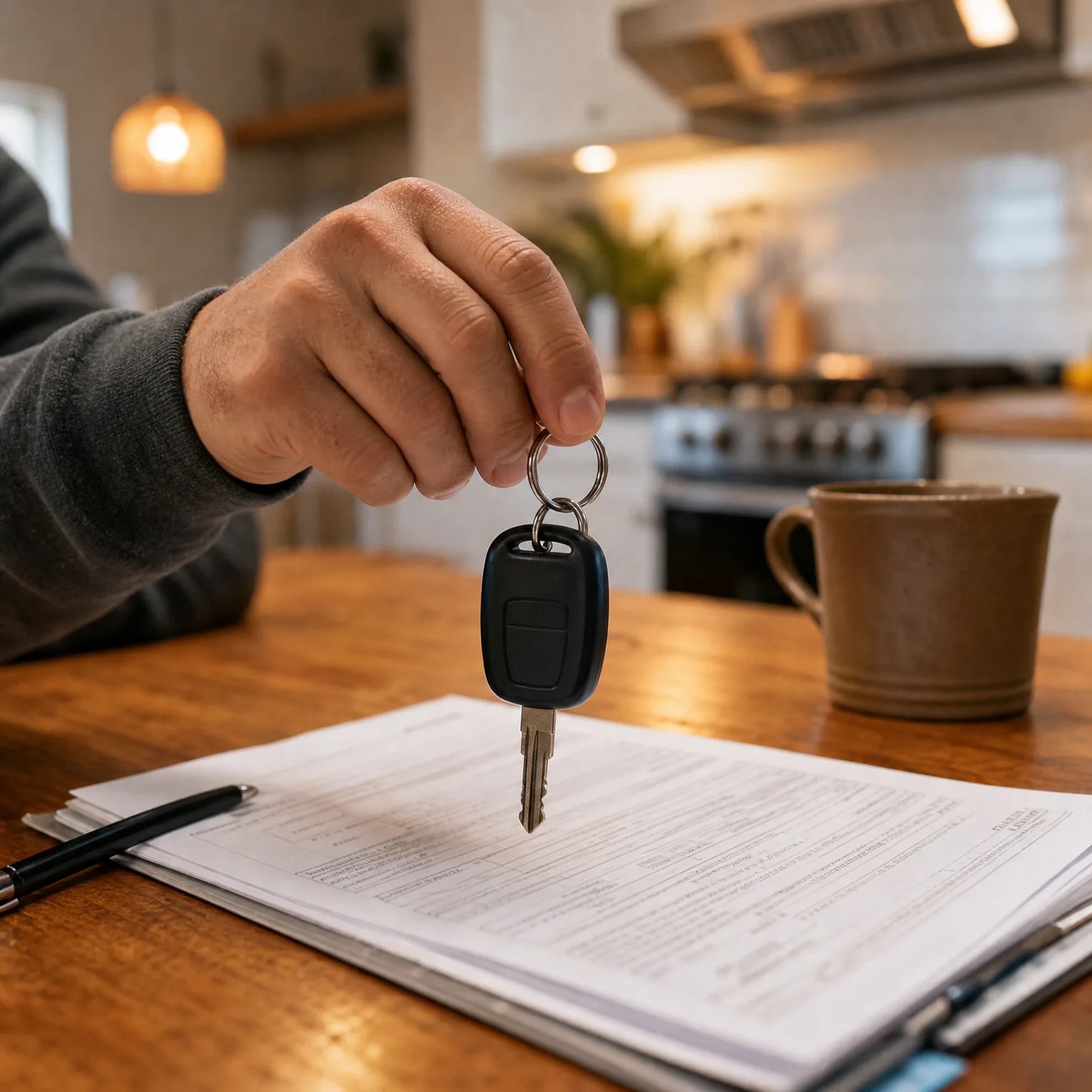
You can qualify for non-owner SR-22 even if you have regular access to a household vehicle, but only if that vehicle is titled and insured under someone else's name and you are explicitly excluded from their policy. This scenario is common among drivers living with parents, roommates, or partners who own cars. The household exclusion must be documented in writing on the vehicle owner's policy — verbal agreements don't satisfy SR-22 filing requirements.
Carriers selling non-owner policies will ask whether you have regular access to any vehicle. If you drive a household car more than occasionally, they may require proof that you are excluded from that vehicle's policy before issuing non-owner coverage. Without the exclusion, the insurer assumes you should be listed on the household policy instead. This creates a gap: if the household vehicle owner refuses to exclude you, you cannot obtain non-owner SR-22, but you also cannot legally drive that vehicle without being listed on its policy.
Rental car drivers and ride-share passengers also qualify for non-owner SR-22. If you rent cars weekly for work or personal use, or rely entirely on ride-sharing and public transit, non-owner SR-22 maintains continuous liability coverage required by your state and satisfies the filing mandate. Rates for non-owner SR-22 after a DUI typically range from $50 to $150 per month depending on state minimums and violation severity — significantly lower than standard auto policies for high-risk drivers, which often exceed $200 to $400 per month. SR-22 filing requirement

Disqualifying Conditions: Vehicle Ownership, Business Use, and Commercial Licensing
You are disqualified from non-owner SR-22 if you own any vehicle registered in your name, even if you don't drive it. State DMVs flag vehicle ownership during license reinstatement and will reject non-owner SR-22 filings if registration records show a titled vehicle. This includes vehicles that are inoperable, stored, or rarely driven. The only solution is to transfer title to another person or register the vehicle under a standard SR-22 policy in your name.
Commercial drivers with a CDL are typically disqualified from non-owner SR-22 for personal license reinstatement if the violation occurred while operating a commercial vehicle. Federal Motor Carrier Safety Administration (FMCSA) regulations require commercial operators to maintain continuous liability coverage, and most states mandate that CDL holders file SR-22 on a commercial policy or employer-provided coverage, not a personal non-owner policy. If your violation occurred in a personal vehicle and your CDL was suspended as a secondary action, some carriers will write non-owner SR-22, but coverage is limited and expensive.
Business use disqualifies most non-owner policies. If you drive for work — delivering food, transporting passengers for hire, or making sales calls in borrowed vehicles — standard non-owner SR-22 excludes business activity. You would need commercial non-owned auto liability coverage, which few carriers offer to high-risk drivers, and SR-22 filing on commercial policies costs 40–80% more than personal non-owner rates. Drivers who use personal vehicles for occasional work errands under 10 hours per week may still qualify, but must disclose the activity during underwriting or risk claim denial.
Stay Covered While You Drive Borrowed Cars
Find Coverage After ViolationsState-Specific Eligibility Variations and Filing Acceptance
Non-owner SR-22 eligibility rules vary significantly by state, particularly around household vehicle exclusions and what qualifies as "regular access." California accepts non-owner SR-22 filings for drivers with household access if they provide a named driver exclusion, but requires the exclusion to be filed with the DMV separately. Florida allows non-owner SR-22 but applies stricter underwriting — carriers often deny coverage if you live in a household with more than two registered vehicles, assuming regular access cannot be credibly restricted.
Some states do not accept non-owner SR-22 filings at all for certain violation types. Virginia requires vehicle-specific SR-22 filings after some DUI convictions, meaning you must own and insure a vehicle to satisfy the mandate — non-owner policies are rejected during reinstatement. Michigan does not use SR-22 filings; instead, it requires direct electronic certification from the insurer to the Secretary of State, and non-owner policies must meet state no-fault PIP minimums, which significantly increases cost.
Geographic availability also limits eligibility. Not all carriers licensed in your state offer non-owner SR-22 policies to high-risk drivers. In states with fewer non-standard carriers — such as Hawaii, Alaska, and Wyoming — finding a carrier willing to file non-owner SR-22 after a DUI can take multiple quote attempts. Assigned risk pools and state-sponsored programs rarely offer non-owner policies, so drivers in these states may need to work with a specialized high-risk broker to locate coverage.
How Violation Type and Driving Record Affect Non-Owner SR-22 Approval
Non-owner SR-22 carriers evaluate your violation history and driving record before approving coverage. A single DUI with no other incidents typically qualifies for non-owner SR-22, but expect rates to reflect a 70–130% surcharge compared to non-owner policies for drivers with clean records. Multiple DUIs, DUI with accident involvement, or DUI combined with a suspended license violation increases declination risk — some carriers cap eligibility at one major violation within 5 years.
At-fault accidents while uninsured or underinsured are treated more favorably than DUIs for non-owner SR-22 underwriting. If your SR-22 requirement stems from an accident judgment or failure to maintain required coverage, approval rates are higher and surcharges range from 40–80% instead of triple-digit increases. This is because non-owner policies inherently prove you are now maintaining continuous coverage, which directly addresses the original violation cause.
Recent license suspensions for non-DUI reasons — such as excessive points, failure to pay tickets, or child support enforcement — usually qualify for non-owner SR-22 without elevated rates. These administrative suspensions carry lower risk profiles, and carriers price non-owner policies close to standard non-owner rates, often $30 to $60 per month. However, if the suspension was longer than 12 months, some carriers apply a lapse surcharge of 20–40%, treating the gap as a coverage interruption even if you weren't driving.
What Happens If You Buy a Vehicle While Holding Non-Owner SR-22
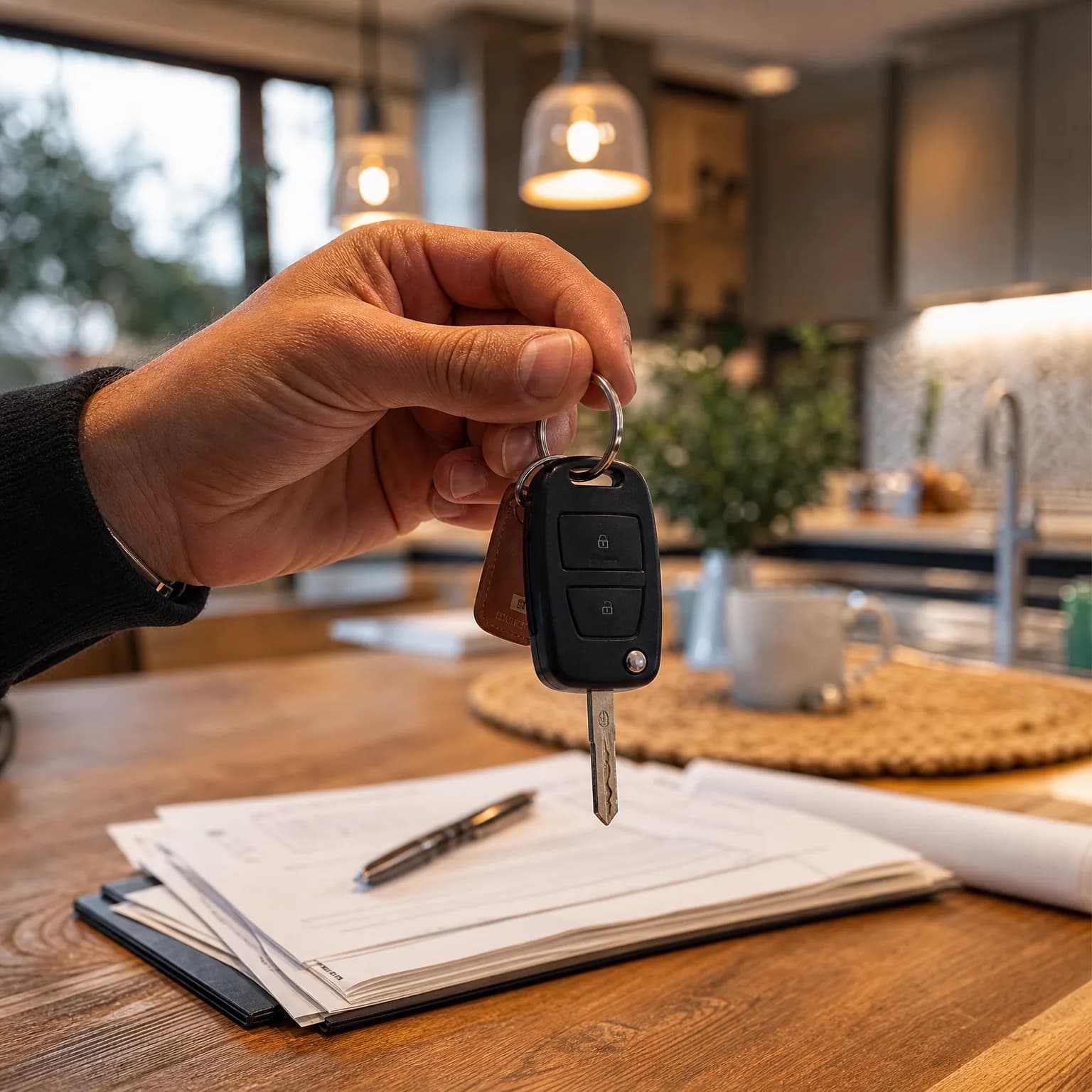
If you purchase and register a vehicle while your non-owner SR-22 policy is active, you must immediately notify your insurer and convert to a standard auto policy with SR-22 attached. Continuing to drive the newly purchased vehicle on a non-owner policy creates a coverage gap — non-owner policies exclude vehicles you own, and any accident in that vehicle would result in a denied claim and SR-22 lapse notification sent to the DMV.
The conversion process takes 1–3 business days if handled proactively. Your insurer will cancel the non-owner policy, issue a standard policy for the newly registered vehicle, and transfer the SR-22 filing to the new policy without interruption. Failure to report vehicle ownership within 30 days can result in policy cancellation for material misrepresentation, triggering an SR-22 lapse notice to the state and potential re-suspension of your license.
Pricing changes significantly after conversion. Non-owner SR-22 premiums of $50–$150 per month typically increase to $200–$500 per month for a standard policy on a financed vehicle requiring full coverage. If you purchase an older vehicle and carry only state minimum liability, rates may stay closer to $120–$250 per month depending on vehicle value and your violation severity. The SR-22 filing fee itself — usually $15 to $50 one-time — does not change, but the underlying policy premium increases substantially due to vehicle-specific risk.
Frequently Asked Questions
Can I get non-owner SR-22 if I live with someone who owns a car?
Yes, but only if you are formally excluded from their auto insurance policy as a named driver. The exclusion must be documented in writing and submitted to the vehicle owner's insurer. Without the exclusion, carriers assume you have regular access and will deny non-owner SR-22 coverage.
What happens if I'm denied non-owner SR-22 coverage?
If standard carriers deny you, contact a high-risk insurance broker who works with non-standard markets specializing in SR-22 filings after DUI or multiple violations. In some states, you may need to purchase and register a vehicle to obtain a standard SR-22 policy if non-owner options are exhausted. Assigned risk pools rarely offer non-owner policies.
Do I need non-owner SR-22 if I only drive rental cars occasionally?
If your state requires continuous SR-22 filing for license reinstatement or maintenance, yes — even occasional driving triggers the requirement. Non-owner SR-22 maintains proof of financial responsibility between rental periods and prevents SR-22 lapse notices to the DMV. Without it, your license remains suspended or can be re-suspended.
How long do I need to keep non-owner SR-22 coverage active?
Your SR-22 filing duration is determined by your state's DMV order or court mandate, typically 3 years for DUI-related violations. You must maintain the non-owner policy and SR-22 filing continuously for the entire period. Any lapse triggers a notice to the DMV and potential license re-suspension, restarting the filing clock in many states.
Will my non-owner SR-22 rate decrease over time?
Yes, as your violation ages and you maintain continuous coverage without new incidents. Most carriers reduce DUI surcharges incrementally after the first 12–24 months of clean driving. After 3 years, once the SR-22 requirement ends and the violation drops off your motor vehicle record, rates can decrease 50–70% if you remain violation-free.
Related Articles

Does SR-22 Cover My Teen Driver? What Parents Need to Know
5/18/2026
Switch Non-Owner SR-22 to Regular Policy | Timeline
4/2/2026

File SR-22 the Same Day Your Suspension Starts
5/18/2026

SR-22 and Deferred Prosecution: Filing Requirements
5/18/2026

SR-22 and MADD Victim Impact Panels After a DUI
5/18/2026

SR-22 & Florida JUA: Assigned-Risk Pool Explained
5/18/2026