
When Non-Owner SR-22 Won't Work — Standard Policy Required
Free to compare
Vehicle Ownership Disqualifies Non-Owner SR-22 — Even If You Don't Drive It
If your name appears on a vehicle title or registration at the time of your SR-22 filing, you cannot satisfy your requirement with a non-owner policy — even if you never drive that car. State DMVs cross-reference SR-22 filings against title and registration databases, and a mismatch triggers an automatic rejection or compliance violation notice.
This applies to vehicles you co-own, vehicles titled in your name but driven by someone else, and vehicles you're still paying off but no longer use. The DMV requirement is binary: if you own a car, you file SR-22 on a standard owner policy. If you don't own a car, you file on a non-owner policy. There is no hybrid option.
Most rejections surface 30–60 days after filing, when the DMV reconciles SR-22 data with vehicle records. By that point, you've already paid the non-owner policy premium and your compliance period hasn't started — meaning you're still driving on a suspended or restricted license without meeting your reinstatement requirement. Correcting this means canceling the non-owner policy, purchasing a standard policy, filing a new SR-22, and restarting your compliance timeline from the new filing date.

Household Vehicle Access Creates SR-22 Filing Conflicts
If you live with someone who owns a vehicle — a spouse, parent, roommate, or partner — and you have regular access to that car, most states require you to be listed on their policy with SR-22 endorsement or maintain your own standard policy with SR-22. A non-owner policy in this scenario violates the DMV's proof of financial responsibility requirement because it doesn't cover the vehicle you actually drive.
State DMVs define "regular access" broadly: shared household address, shared custody arrangements where a vehicle is present, or any situation where you could reasonably be expected to drive the car without advance permission. California, Florida, and Texas explicitly state that household members with driving privileges must be listed on the vehicle owner's policy or excluded by name — a non-owner SR-22 satisfies neither condition.
The enforcement mechanism varies by state. Some states reject the non-owner SR-22 filing outright if DMV records show a household vehicle registration. Others accept the filing initially but flag your license for audit if you're involved in an at-fault accident while driving a household vehicle — at which point the SR-22 is retroactively voided and your compliance period resets. The Insurance Information Institute notes that household exclusion forms (where the vehicle owner formally excludes you from coverage) can resolve this conflict in some states, but not all DMVs accept exclusions as sufficient proof of non-access. SR-22 filing requirement

Violation Type Determines Which SR-22 Form the Court Orders
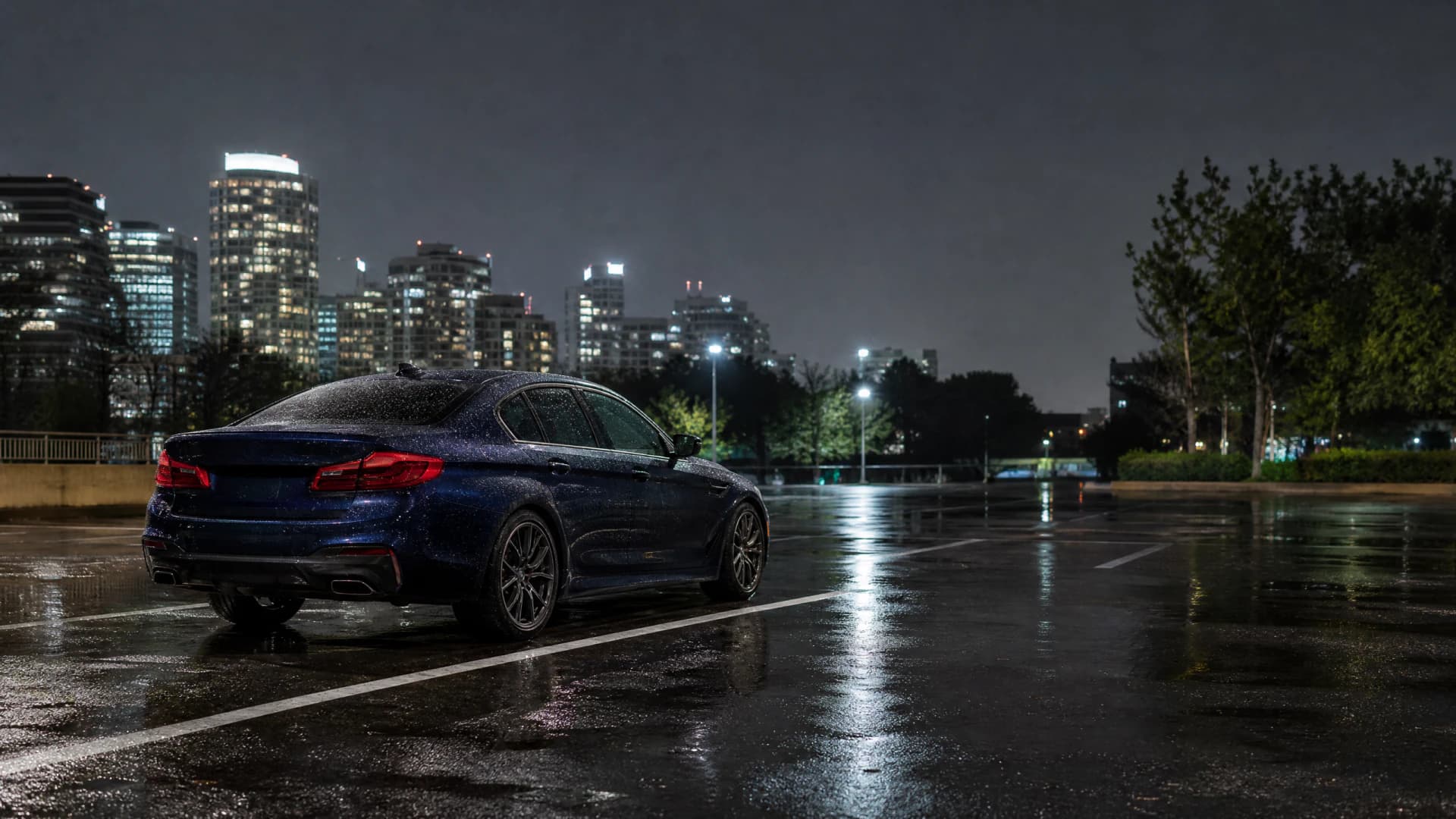
If your SR-22 requirement stems from a violation that occurred while you were driving a vehicle you owned or regularly used, the court order or DMV suspension notice typically specifies a standard SR-22 filing — not a non-owner option. This is common after DUI arrests, at-fault accidents resulting in injury, or multiple moving violations recorded while driving your own car.
The court's language matters. Orders that state "proof of financial responsibility on any vehicle operated" allow non-owner SR-22. Orders that state "proof of insurance on the vehicle involved in the violation" or "proof of insurance on all owned vehicles" require a standard policy. Approximately 60–70% of SR-22 orders following DUI convictions include vehicle-specific language because the arrest report documents the car you were driving — and if that car was titled in your name, the court assumes continued ownership unless you provide proof of sale or title transfer.
Filing the wrong form doesn't just delay compliance — it can extend your suspension period. In Ohio, for example, filing a non-owner SR-22 when a standard SR-22 was required triggers a new 15-day notice period and resets the 3-year SR-22 duration to begin from the corrected filing date. Similar reset provisions exist in Illinois, Michigan, and Indiana. If you're 18 months into what you thought was a 3-year requirement and the DMV flags your filing as incorrect, you're back to day zero.

Stay Covered While You Drive Borrowed Cars
Find Coverage After ViolationsNon-Owner SR-22 Doesn't Cover Vehicles You Purchase Later
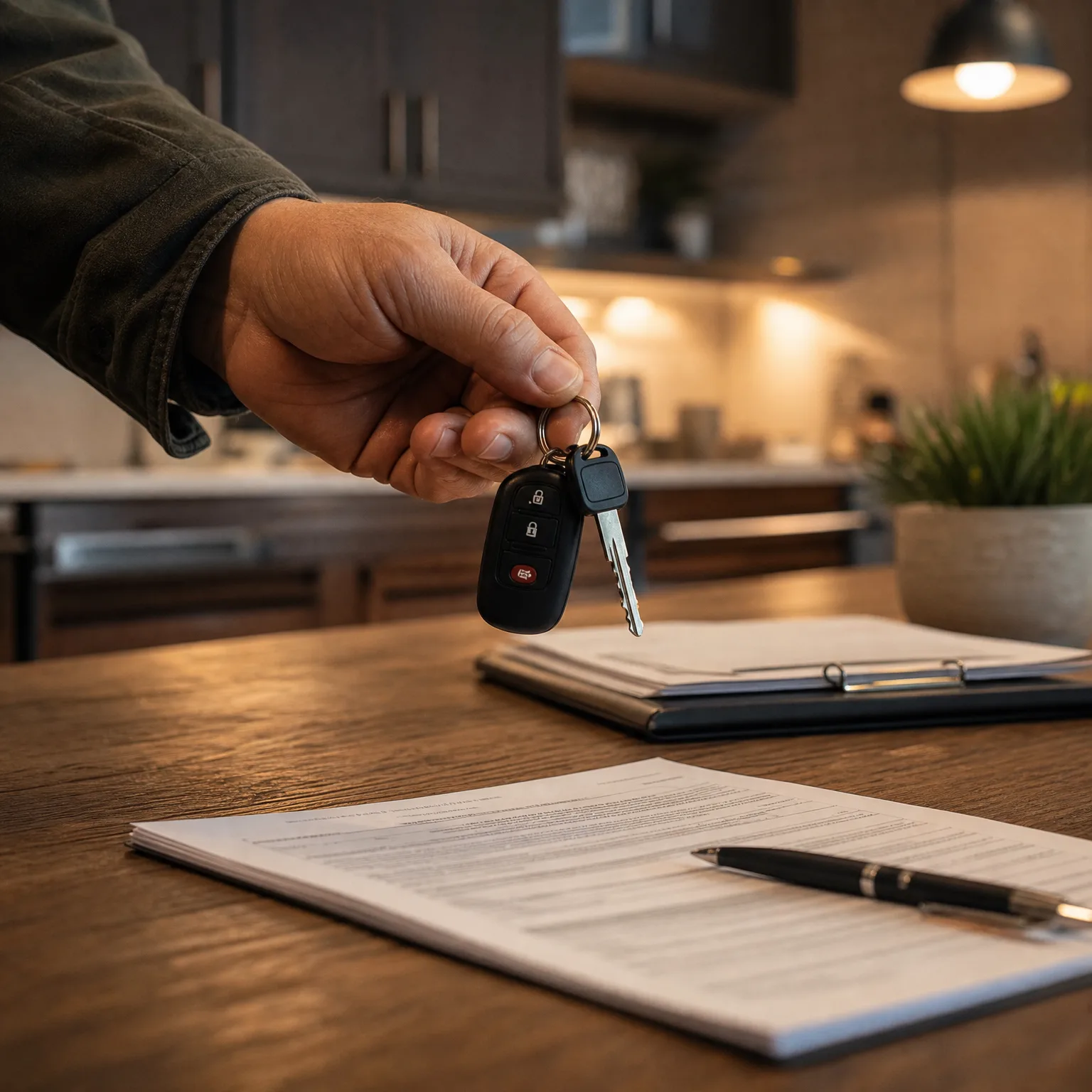
A non-owner SR-22 policy provides liability coverage only when you drive a vehicle you don't own. The moment you purchase a car — whether financed, leased, or paid in cash — your non-owner policy no longer satisfies your SR-22 requirement. You have 30 days in most states to convert to a standard policy and file a new SR-22 certificate, or your license re-enters suspension.
This 30-day window is a hard deadline, not a grace period. If you're involved in an at-fault accident on day 31 and still driving under a non-owner SR-22, the DMV treats you as uninsured — even though you technically have a policy in force. Your SR-22 compliance period pauses, and you face additional penalties for driving without valid proof of financial responsibility. In California, this adds a minimum 6-month extension to your SR-22 requirement. In Florida, it triggers a new suspension and a $500 reinstatement fee.
Lenders and dealers rarely verify SR-22 filing status before selling you a car, so the burden falls entirely on you to notify your insurer within 24–48 hours of taking possession. Most non-standard carriers allow same-day conversion from non-owner to standard SR-22, but the new policy premium will be significantly higher — typically 40–80% more per month — because you're now insuring a specific vehicle with comprehensive and collision requirements if financed.
When Non-Owner SR-22 Works — and What It Actually Covers
Non-owner SR-22 is designed for drivers who genuinely don't own a vehicle, don't live with vehicle owners, and need only occasional access to cars they borrow or rent. It satisfies state minimum liability requirements — typically 25/50/25 in most states — and provides secondary coverage when you drive someone else's car, meaning the vehicle owner's insurance pays first and your non-owner policy fills gaps only if their limits are exhausted.
This structure works for drivers who use rideshare services, public transit, or car-sharing programs as primary transportation. It does not work for drivers who "borrow" the same car repeatedly, who have informal access to a family member's vehicle, or who rent cars more than 3–4 times per month. Rental car companies require primary liability coverage, and most non-owner policies exclude frequent rental use — defined as more than 15 rental days per policy term.
Typical non-owner SR-22 premiums range from $40–$90 per month for drivers with a single DUI and no other violations. The same driver on a standard SR-22 policy insuring a 2018 sedan would pay $180–$320 per month. The savings only materialize if you stay within the coverage structure — no vehicle purchases, no household access, no regular borrowing. Step outside those boundaries, and the non-owner policy becomes a compliance liability rather than a cost solution.
How to Determine Which SR-22 Form Your State Requires
Your SR-22 requirement originates from one of three sources: a court order following a conviction, a DMV administrative action following a license suspension, or a reinstatement notice after a lapse in required insurance. Each document specifies the type of SR-22 filing required, though the language varies by state and issuing agency.
Look for phrases like "proof of insurance on all owned vehicles," "financial responsibility filing for non-owned vehicles only," or "SR-22 certificate attached to operator policy." If the document uses generic language like "proof of financial responsibility" without specifying owned or non-owned, contact the DMV driver compliance unit directly — not the general customer service line — and request written confirmation of which filing type satisfies your requirement. Generic phone advice doesn't protect you if the filing is later rejected.
If you currently own a vehicle but plan to sell it before filing SR-22, you must complete the sale and submit proof of title transfer to the DMV before purchasing a non-owner policy. The DMV timestamps your SR-22 filing against the most recent vehicle registration query, not the date you claim to have sold the car. A 7–10 day processing lag between title transfer and DMV database updates is common, so wait at least two weeks after selling your car before filing non-owner SR-22 to avoid automatic rejection.
Frequently Asked Questions
Can I switch from non-owner SR-22 to standard SR-22 if I buy a car mid-requirement?
Yes, but you must notify your insurer within 30 days of purchasing the vehicle and file a new SR-22 certificate on the standard policy. The original SR-22 filing date remains your compliance start date as long as the conversion happens within the 30-day window. Missing this deadline resets your compliance period to the new filing date.
What happens if I file non-owner SR-22 but the DMV says I need a standard SR-22?
The DMV rejects the filing and your compliance period does not start. You'll receive a notice — typically 30–60 days after filing — requiring you to submit a corrected SR-22 on a standard policy. Your SR-22 duration resets to begin from the date of the corrected filing, not your original attempt.
Does living with someone who owns a car automatically disqualify me from non-owner SR-22?
Not automatically, but most states require you to be listed on the household vehicle's policy or formally excluded by name. A non-owner SR-22 only works if you have no regular access to the household car. If the vehicle owner excludes you and files that exclusion with their insurer, non-owner SR-22 may be accepted — but not all states allow exclusions to satisfy SR-22 proof of financial responsibility.
Can I get non-owner SR-22 if my DUI happened while driving my own car that I've since sold?
Yes, as long as you provide proof of title transfer to the DMV before filing non-owner SR-22. The DMV cross-references your SR-22 filing against current vehicle ownership records, not the vehicle involved in the violation. Wait 10–14 days after completing the title transfer to ensure the DMV database reflects the sale before purchasing the non-owner policy.
Will my non-owner SR-22 cover me if I rent a car frequently for work?
Most non-owner SR-22 policies exclude or limit rental car coverage to 10–15 days per policy term. If you rent cars more frequently than that, you'll need to purchase the rental company's liability insurance each time or switch to a standard SR-22 policy. Non-owner policies are designed for occasional borrowing, not regular vehicle use.
Related Articles

Does SR-22 Cover My Teen Driver? What Parents Need to Know
5/18/2026

Switch Non-Owner SR-22 to Regular Policy | Timeline
4/2/2026

File SR-22 the Same Day Your Suspension Starts
5/18/2026
SR-22 and Deferred Prosecution: Filing Requirements
5/18/2026

SR-22 and MADD Victim Impact Panels After a DUI
5/18/2026
SR-22 & Florida JUA: Assigned-Risk Pool Explained
5/18/2026