What Affects Rates in Fairbanks
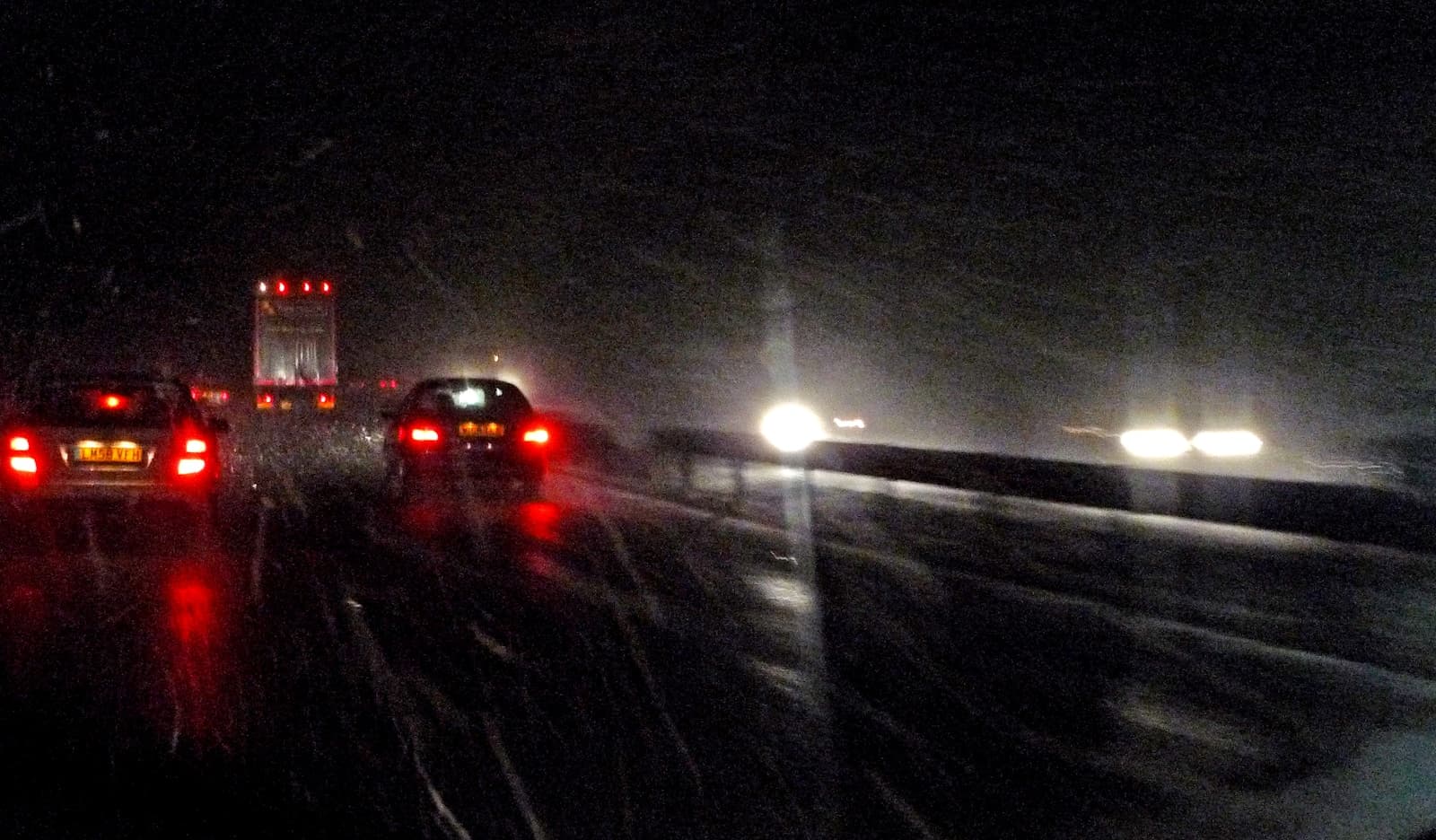
- Extended Winter Driving Conditions: Fairbanks experiences temperatures below freezing from October through April, with frequent ice fog and black ice on arterials like Steese Highway and Parks Highway approaches. High-risk drivers already facing elevated premiums see additional surcharges of 15–25% due to winter accident rates that triple compared to summer months.
- Limited Carrier Competition: Fairbanks has fewer non-standard insurers than Anchorage, leaving high-risk drivers with 3–5 viable options rather than the 8–10 available in larger Alaska markets. This reduced competition typically adds $30–$60/month compared to what the same driver would pay in Anchorage.
- Remote Location Claim Costs: Parts, labor, and medical services in Fairbanks cost 20–35% more than Lower 48 averages due to transportation expenses and limited provider networks. Insurers adjust high-risk rates upward to reflect these elevated claim payouts, particularly for collision and comprehensive coverage.
- DUI Enforcement Patterns: Alaska State Troopers and Fairbanks Police Department conduct frequent sobriety checkpoints on Richardson Highway and Airport Way corridors, leading to higher DUI detection rates. Drivers with DUI convictions face Alaska's mandatory SR-22 requirement plus 3-year lookback periods that keep rates elevated longer than in states with 36-month violation windows.
- Uninsured Driver Exposure: Alaska's uninsured motorist rate ranges 13–18% statewide, with rural areas surrounding Fairbanks seeing higher concentrations. High-risk drivers already paying elevated premiums should budget an additional $15–$30/month for uninsured/underinsured motorist coverage to protect against uninsured claims that standard policies won't cover.
Find out exactly how long SR-22 is required in your state
Coverage Recommendations
Cost estimates are based on available industry data and vary by driver profile. These are not insurance quotes.
SR-22 Insurance
Alaska requires SR-22 filings for DUI convictions, license suspensions, and certain violation accumulations. The filing itself costs $25–$50, but the underlying insurance for high-risk drivers in Fairbanks runs $150–$350/month depending on violation severity and whether you need a non-owner policy.
$25–$50 filing + elevated premiumsEstimated range only. Not a quote.
Liability Insurance
Alaska mandates 50/100/25 minimum liability limits, but high-risk drivers in Fairbanks should consider 100/300/100 given the state's fault-based system and high medical costs. Minimum coverage for DUI drivers runs $120–$280/month; increasing to 100/300/100 adds $30–$70/month but provides crucial protection in serious winter accidents.
$120–$350/month based on limitsEstimated range only. Not a quote.
Uninsured Motorist Coverage
With 13–18% of Alaska drivers uninsured and Fairbanks winter conditions causing frequent multi-vehicle incidents, UM/UIM coverage protects you when an uninsured driver causes a crash. High-risk drivers pay $15–$35/month for matching UM limits, which is minimal compared to out-of-pocket costs from an uninsured claim.
$15–$35/month for matched limitsEstimated range only. Not a quote.
Non-Standard Auto Insurance
Drivers with multiple DUIs, suspended licenses, or SR-22 requirements often need non-standard carriers operating in Fairbanks. These insurers specialize in high-risk profiles and charge $180–$400/month for minimum coverage, but they provide the only path to legal driving status when standard carriers decline coverage.
$180–$400/month for high-risk profilesEstimated range only. Not a quote.