What Affects Rates in Juneau
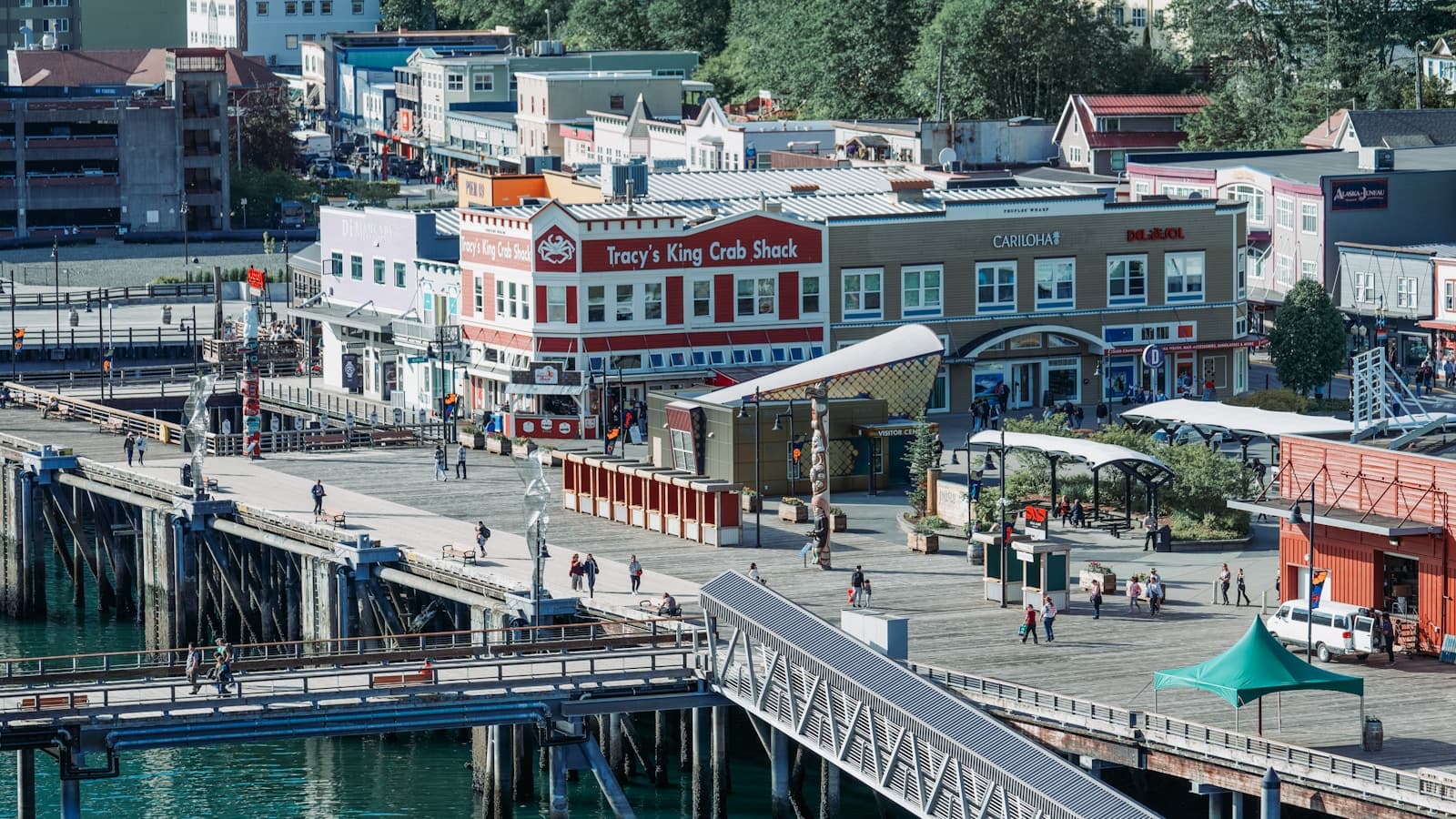
- Limited Carrier Availability in Island Capital: Juneau has no road connection to the continental highway system, limiting the number of insurers serving the city. High-risk drivers face fewer non-standard carrier options than Anchorage, with most SR-22 policies written through Progressive, GEICO, and Bristol West. This reduced competition can elevate premiums 15–25% compared to road-accessible Alaska cities.
- Alaska's 20.6% Uninsured Driver Rate: Alaska ranks 7th nationally for uninsured motorists at 20.6%, increasing collision risk for high-risk drivers already facing elevated premiums. Uninsured motorist coverage is not mandatory but strongly recommended in Juneau, adding $150–$400/year to policies but protecting against the one-in-five chance of being hit by an uncovered driver.
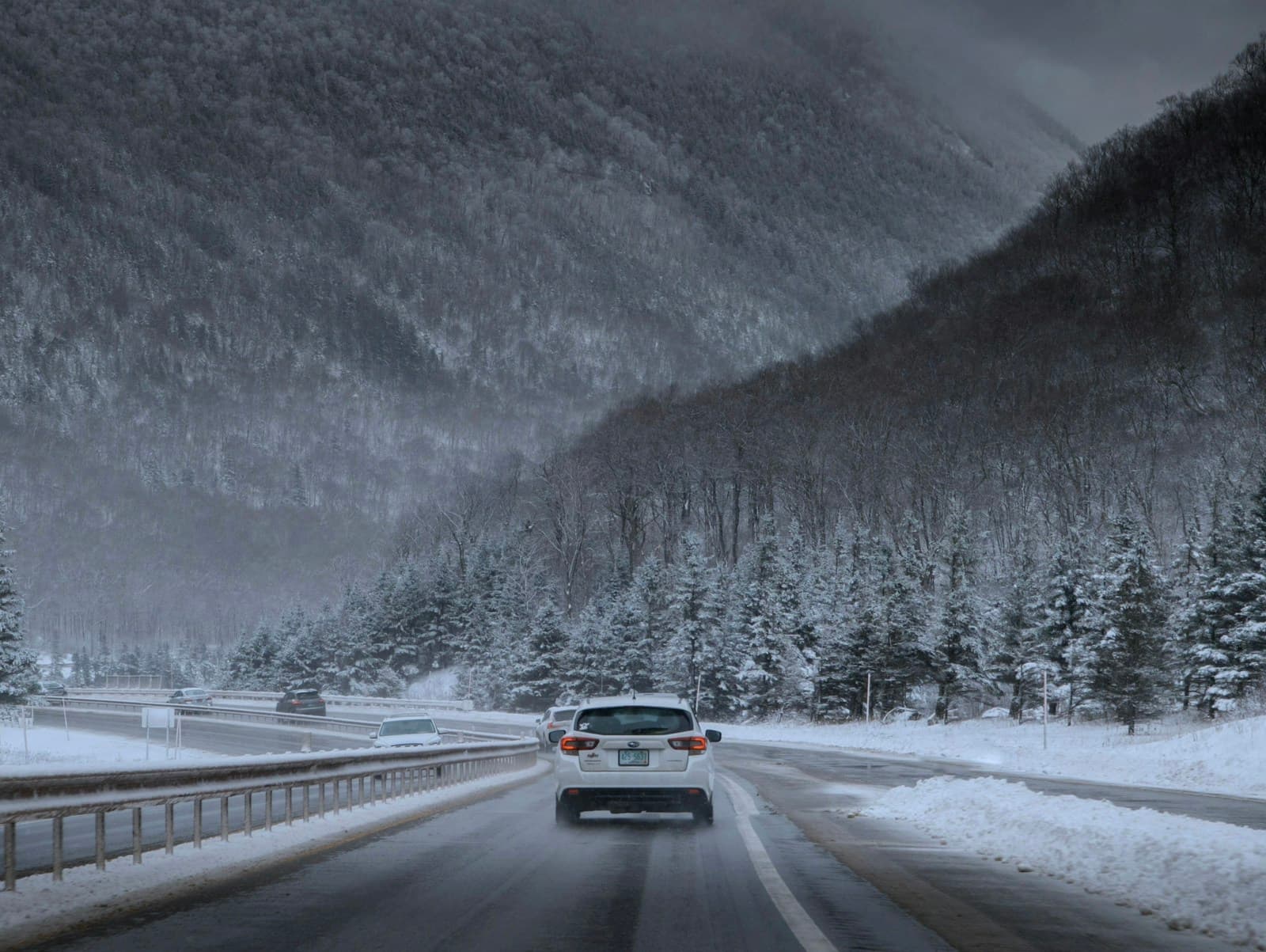
- Winter Driving Conditions and At-Fault Claims: Juneau averages 92 inches of snow annually, with frequent freezing rain creating hazardous conditions on Glacier Highway and Egan Drive. High-risk drivers with prior at-fault accidents face steeper surcharges (40–60% above base high-risk rates) due to increased winter collision frequency, particularly October through March.
- DUI Enforcement and Mandatory SR-22: Alaska requires SR-22 filing for all DUI convictions, with the Division of Motor Vehicles mandating 3-year continuous certification. Juneau District Court processes approximately 150–200 DUI cases annually, and any lapse in SR-22 coverage triggers immediate license suspension and restarts the 3-year clock.
- Marine Highway Accident Response Delays: Juneau's isolation means towing and repair costs run 20–35% higher than continental markets, affecting comprehensive and collision claim payouts. High-risk drivers maintaining full coverage should expect deductibles of $1,000–$2,500 to keep premiums manageable, as parts and labor must arrive via ferry or air freight.
Find out exactly how long SR-22 is required in your state
Coverage Recommendations
Cost estimates are based on available industry data and vary by driver profile. These are not insurance quotes.
SR-22 Insurance
Alaska requires SR-22 certification for 3 years following DUI, reckless driving, or driving without insurance convictions. The filing itself costs $50, but underlying high-risk premiums in Juneau run $1,800–$3,600/year. Any coverage lapse immediately suspends your license and restarts the 3-year requirement.
$50 filing + $1,800–$3,600/year coverageEstimated range only. Not a quote.
Liability Insurance
Alaska mandates minimum 50/100/25 liability limits ($50k bodily injury per person, $100k per accident, $25k property damage). High-risk drivers in Juneau should carry 100/300/100 or higher due to the state's 20.6% uninsured driver rate and tort system allowing injured parties to sue for damages exceeding minimums. Minimum coverage costs $800–$1,500/year for drivers with violations; higher limits add $300–$600/year.
$800–$2,100/year depending on limitsEstimated range only. Not a quote.
Uninsured Motorist Coverage
Not required in Alaska but critical in Juneau given the state's 20.6% uninsured rate. Covers your medical bills and vehicle damage when hit by a driver with no insurance or insufficient limits. Costs $150–$400/year for high-risk drivers and prevents out-of-pocket expenses from uninsured collisions, which are statistically likely over a 3-year SR-22 period.
$150–$400/year added premiumEstimated range only. Not a quote.
Non-Standard Auto Insurance
Drivers with multiple DUIs, suspended licenses, or lapses exceeding 90 days often need non-standard carriers like The General, Acceptance, or Dairyland. These specialize in high-risk profiles standard carriers decline. Juneau's limited market means fewer walk-in offices; most non-standard policies are written online or by phone with premiums 20–40% above standard high-risk rates.
$2,400–$4,800/year for severe violationsEstimated range only. Not a quote.