What Affects Rates in Peoria
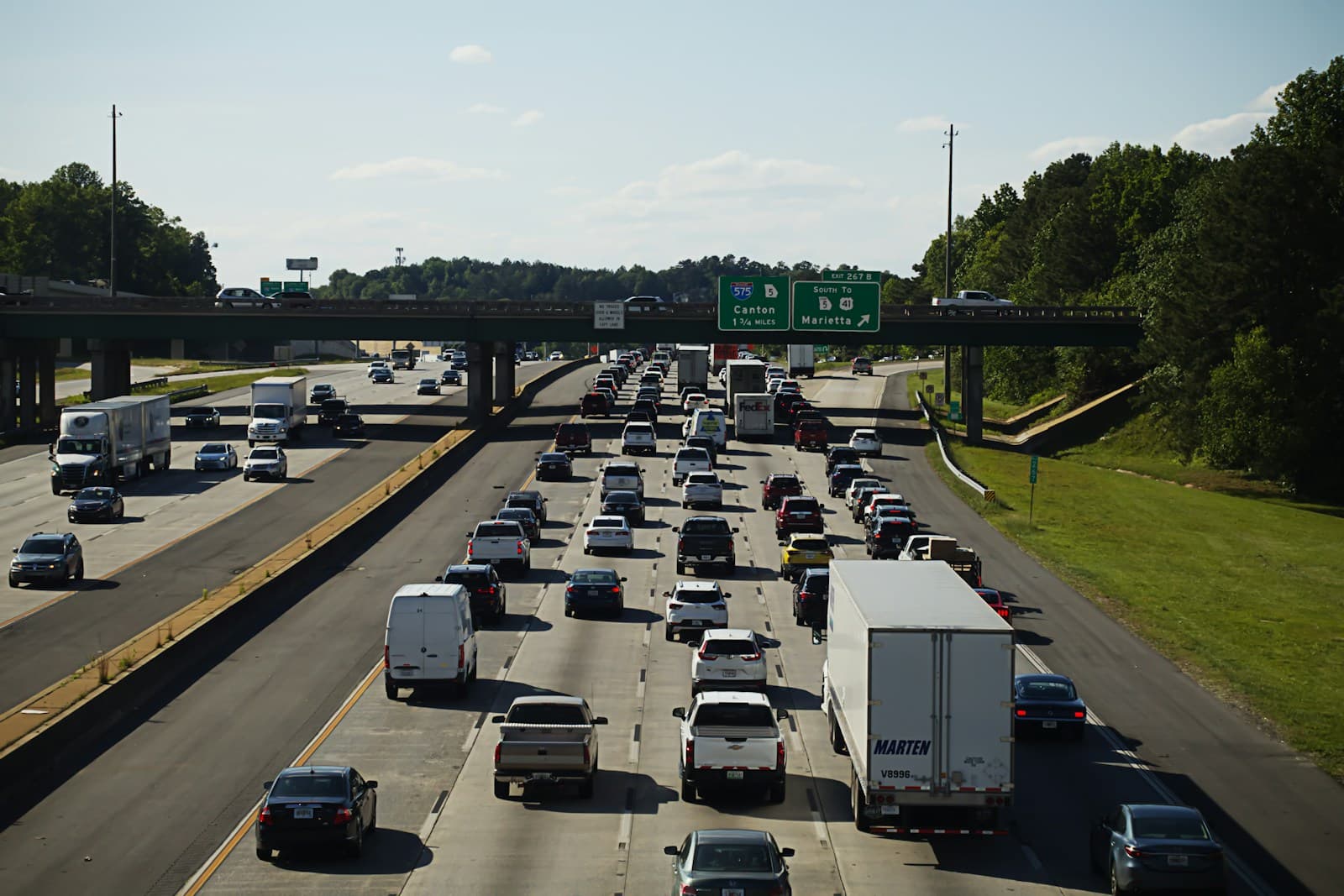
- Loop 101 Corridor Traffic Density: Peoria sits along the heavily traveled Loop 101 between Bell Road and Glendale Avenue, where rush-hour congestion and multi-vehicle accidents are common. High-risk drivers face steeper premiums here because insurers track elevated claim frequency along this corridor, particularly at the interchanges with Grand Avenue and Thunderbird Road.
- Northwest Maricopa Uninsured Driver Concentration: Northwest Maricopa County, including Peoria, reports uninsured motorist rates above the state average of approximately 12%. For drivers already carrying SR-22 requirements, this elevates the cost of uninsured/underinsured motorist coverage, which non-standard carriers often require at higher limits.
- Distance from Phoenix Court System: DUI and suspension cases originating in Peoria are processed through Maricopa County Superior Court downtown, but local violations may be handled in the West Valley Justice Court. Completion of court-ordered requirements—proof of SR-22, alcohol education, ignition interlock—directly affects reinstatement timelines and the start of the 3-year SR-22 filing period.
- Seasonal Population Influx: Peoria's winter population swells with seasonal residents, increasing traffic volume on major arterials like Thunderbird and Bell. Seasonal accident spikes—particularly October through March—affect overall area risk profiles, which insurers factor into high-risk underwriting for year-round residents.
- Growth in West Valley Development: Rapid residential and commercial development in west Peoria near Lake Pleasant Parkway brings construction zones, detours, and unfamiliar intersections. These conditions correlate with higher at-fault accident rates, which can extend the time it takes for a high-risk driver's premium to drop after violations age off.

Find out exactly how long SR-22 is required in your state
Coverage Recommendations
Cost estimates are based on available industry data and vary by driver profile. These are not insurance quotes.
SR-22 Insurance
Arizona requires continuous SR-22 filing for 3 years following DUI conviction, license suspension, or certain violations. The SR-22 itself costs $25–$50 to file, but the underlying high-risk policy is what drives cost—expect $1,800–$3,600/year depending on violation severity and driving history.
$25–$50 filing + elevated premiumsEstimated range only. Not a quote.
Liability Insurance
Arizona minimums are $25,000 per person/$50,000 per accident for injury and $15,000 for property damage. High-risk drivers in Peoria should consider higher limits—particularly $100,000/$300,000—given the concentration of uninsured drivers in northwest Maricopa and the risk of multi-vehicle accidents on the Loop 101.
State minimums often insufficientEstimated range only. Not a quote.
Uninsured Motorist Coverage
Not required in Arizona, but critical in Peoria given above-average uninsured driver rates in the area. Non-standard carriers often build this into policies at $50,000/$100,000 or higher, adding $15–$40/month, but it protects you if an uninsured driver causes another at-fault accident on your record.
+$15–$40/month for adequate limitsEstimated range only. Not a quote.
Non-Standard Auto Insurance
Carriers like Bristol West, Dairyland, and The General write policies for drivers with DUIs, lapses, and multiple violations in the Phoenix metro area. These policies cost more upfront but offer the continuous coverage required to maintain SR-22 compliance and begin the clock on rate reductions.
$1,800–$3,600/year typical rangeEstimated range only. Not a quote.