What Affects Rates in Little Rock
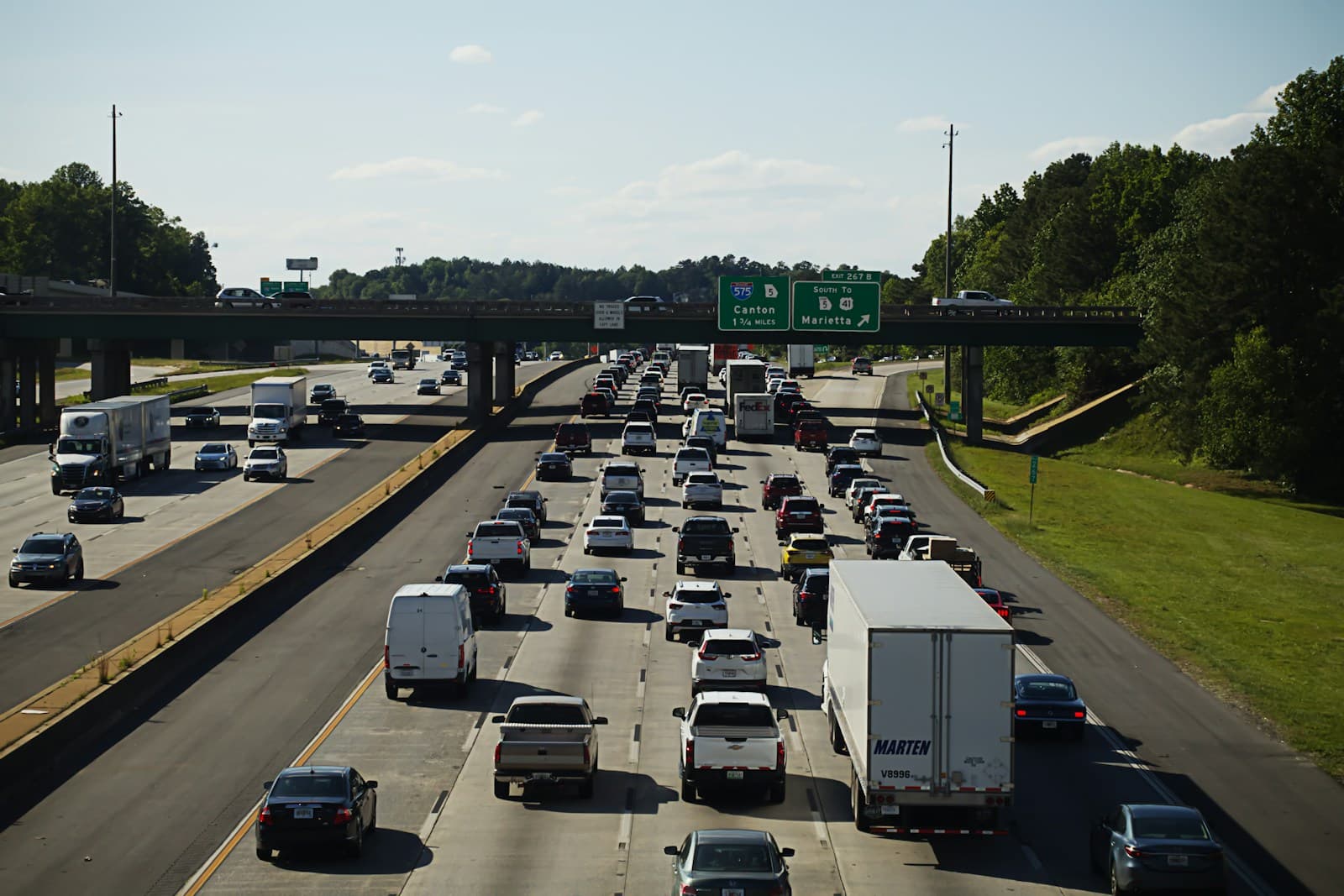
- I-30/I-40 Corridor Accident Density: Little Rock sits at the junction of I-30 and I-40, creating high-traffic merge zones where DUI checkpoints and accident clusters concentrate. High-risk drivers face elevated premiums due to increased law enforcement presence and collision frequency along these corridors.
- Pulaski County Court Volume: Pulaski County processes a high volume of DUI and traffic violation cases, creating a large pool of SR-22-required drivers. This concentration makes non-standard carriers more accessible in Little Rock than in rural Arkansas counties.
- Uninsured Motorist Prevalence: Arkansas's 15.4% uninsured driver rate—well above the national average of 12.6%—hits high-risk drivers hardest. Carriers price uninsured motorist coverage aggressively in Little Rock, often adding $300–$600/year to policies for drivers with violations.
- Flash Flooding and Hail Exposure: Little Rock's position in Tornado Alley and proximity to the Arkansas River create seasonal weather risks. High-risk drivers carrying comprehensive coverage face surcharges of 15–25% due to hail damage claims and flood-related total losses.
- Urban vs. Suburban Rate Splits: Downtown Little Rock zip codes (72201, 72202) show higher theft and vandalism rates than suburban areas like Maumelle or west Little Rock. High-risk drivers in urban zones pay 10–20% more for the same coverage profile.

Find out exactly how long SR-22 is required in your state
Coverage Recommendations
Cost estimates are based on available industry data and vary by driver profile. These are not insurance quotes.
SR-22 Insurance
Arkansas requires SR-22 for DUI convictions, driving without insurance, multiple violations within 12 months, and license reinstatement after suspension. The SR-22 filing itself costs $25–$50, but expect your underlying premium to increase 50–150% depending on the violation type.
$1,800–$3,600/year totalEstimated range only. Not a quote.
Liability Insurance
Arkansas mandates $25,000 per person/$50,000 per accident for bodily injury and $25,000 for property damage. High-risk drivers in Little Rock should consider higher limits—$50,000/$100,000/$50,000—given the city's uninsured motorist rate and congested traffic corridors.
$1,200–$2,800/year for state minimumEstimated range only. Not a quote.
Uninsured Motorist Coverage
With 15.4% of Arkansas drivers uninsured, this coverage protects you when an at-fault driver can't pay. High-risk carriers in Little Rock often bundle UM/UIM into policies, adding $300–$600/year but critical given the prevalence of uninsured drivers on I-30 and I-40.
$300–$600/yearEstimated range only. Not a quote.
Non-Standard Auto Insurance
Non-standard carriers like The General, Direct Auto, and Acceptance operate in Little Rock and specialize in high-risk profiles. Expect higher base rates but more flexible underwriting for multiple DUIs, lapses over 90 days, or suspended licenses.
$2,000–$4,000/yearEstimated range only. Not a quote.