What Affects Rates in Long Beach
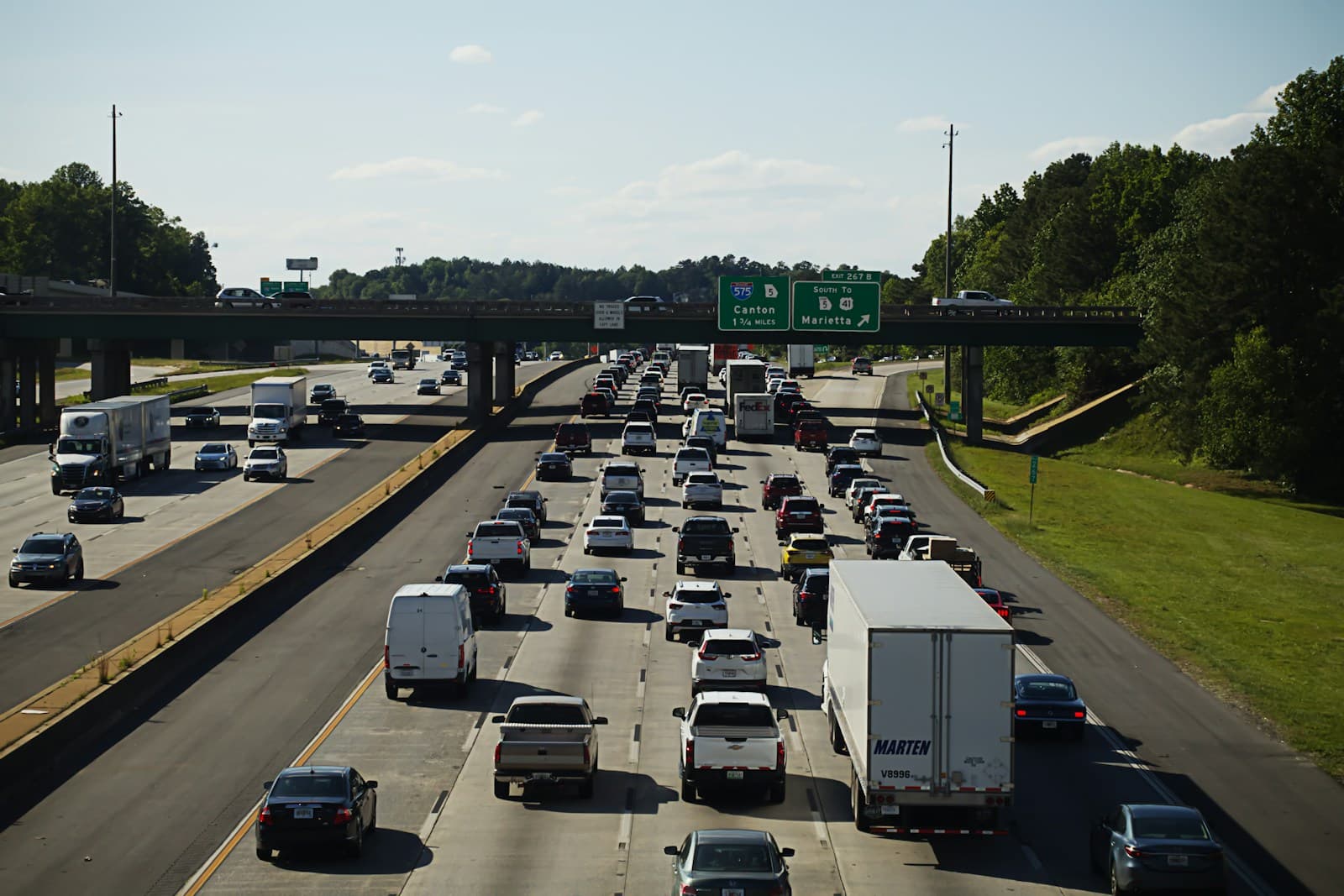
- Pacific Coast Highway and I-405 Corridor Density: Long Beach sits at the intersection of PCH and the I-405, creating persistent congestion where high-risk drivers face elevated rates due to increased accident frequency. Stop-and-go traffic along the coastal corridor and downtown connector routes amplifies collision exposure for drivers already flagged for violations.
- Uninsured Driver Concentration: Los Angeles County, which includes Long Beach, consistently reports uninsured driver rates above 15%, making uninsured motorist coverage critical for high-risk drivers who can least afford out-of-pocket costs. This concentration pushes premiums higher across all risk tiers.
- Port of Long Beach Commercial Traffic: The nation's second-busiest container port generates heavy truck traffic on Long Beach Boulevard, Anaheim Street, and I-710, increasing accident severity and complexity. High-risk drivers navigating these corridors face higher liability exposure and correspondingly higher premiums.
- DUI Checkpoint Frequency: Long Beach Police Department conducts regular sobriety checkpoints along major arterials including Long Beach Boulevard and Lakewood Boulevard. Drivers with existing DUI records face compounded risk if caught again, making SR-22 compliance and continuous coverage non-negotiable.
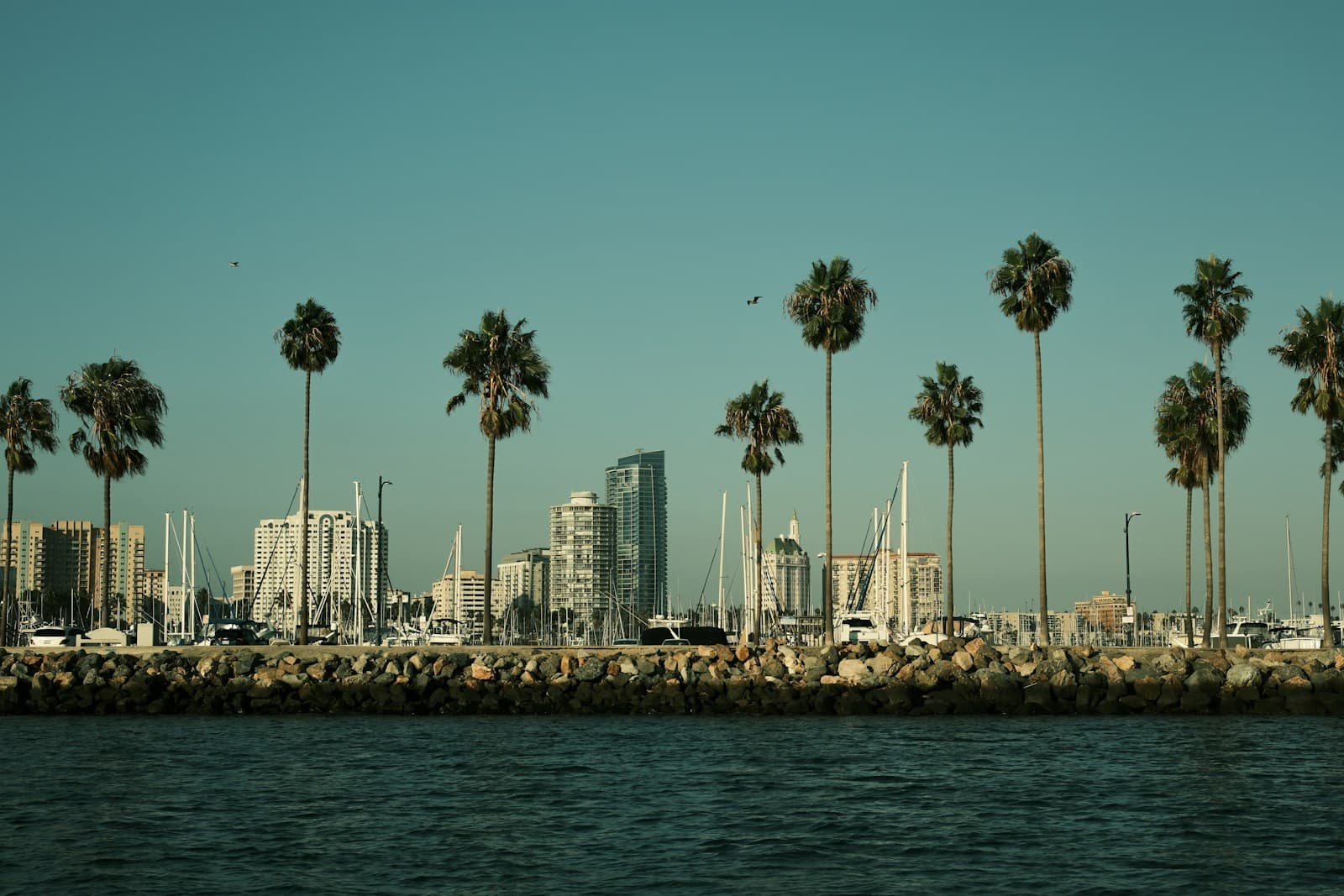
- Beach Community Tourism Traffic: Seasonal tourism along Shoreline Drive, Belmont Shore, and Naples Island creates unpredictable traffic patterns with pedestrians, cyclists, and out-of-area drivers unfamiliar with local routes. High-risk drivers in these neighborhoods see elevated premiums reflecting increased accident probability.
Find out exactly how long SR-22 is required in your state
Coverage Recommendations
Cost estimates are based on available industry data and vary by driver profile. These are not insurance quotes.
SR-22 Insurance
California requires SR-22 certification for 3 years following DUI, reckless driving, or driving without insurance convictions. The $25 filing connects directly to DMV; any lapse triggers license suspension and restarts the 3-year clock, making continuous payment critical for Long Beach drivers.
$25 filing + underlying policy costEstimated range only. Not a quote.
Liability Insurance
California's 15/30/5 minimum is insufficient for most Long Beach accidents involving commercial vehicles or multiple cars on congested routes like the 405 or PCH. High-risk drivers should consider 50/100/50 limits to avoid personal asset exposure, especially given the city's elevated accident severity along port corridors.
$1,800–$3,600/year for minimum; $2,400–$4,800/year for 50/100/50Estimated range only. Not a quote.
Uninsured Motorist Coverage
With Los Angeles County's uninsured driver rate exceeding 15%, this coverage protects high-risk drivers who cannot afford another at-fault claim. Long Beach's dense urban grid and port traffic increase the likelihood of hit-and-run incidents, making UM coverage essential despite the added premium cost.
$300–$800/year added to policyEstimated range only. Not a quote.
Non-Standard Auto Insurance
Drivers with multiple DUIs, suspended licenses, or recent SR-22 filings often require non-standard carriers operating in Long Beach. These policies cost 40–60% more than standard high-risk coverage but provide the only path to legal driving status and eventual rate reduction as violations age off.
$3,000–$5,500/year for minimum liabilityEstimated range only. Not a quote.