What Affects Rates in Denver
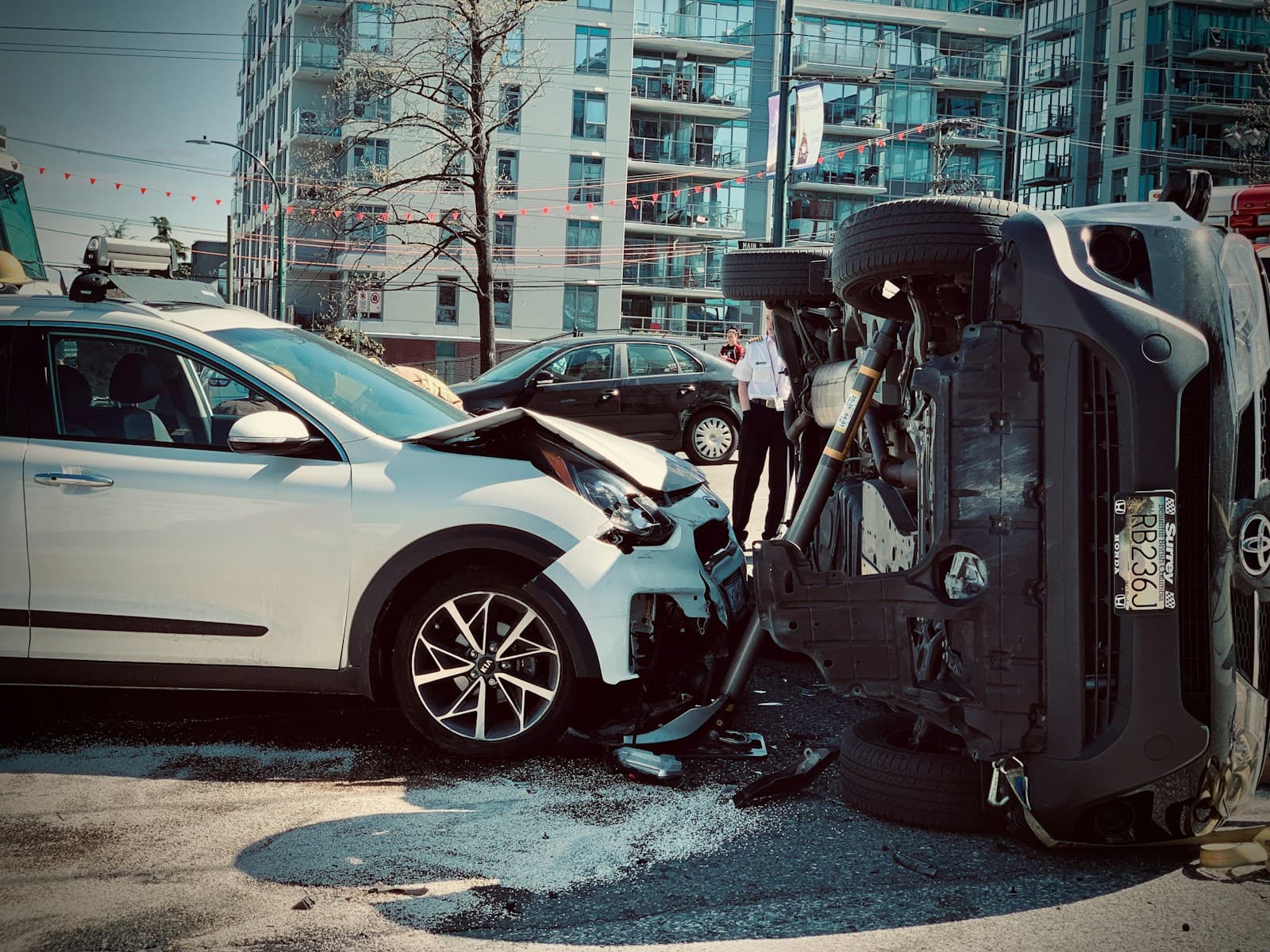
- I-25 and I-70 Accident Concentration: Denver's highway corridors—particularly the I-25/I-70 interchange and northbound I-25 through downtown—see high accident volumes that drive up claims frequency. High-risk drivers using these routes daily face higher premiums due to increased exposure in congestion-heavy zones where rear-end and merge collisions are common.
- Denver County Court SR-22 Processing: SR-22 requirements originating from Denver County Courts often involve DUI convictions, which trigger 9-point license suspensions and mandatory alcohol education. Insurers price Denver DUI cases higher due to recidivism patterns in urban markets and the 3-year SR-22 monitoring period required by Colorado DMV.
- Hail and Weather-Related Claims: Denver's Front Range location brings frequent hail events—particularly May through August—that generate comprehensive claims. High-risk drivers carrying full coverage face elevated premiums due to this regional weather pattern, with hail contributing to Colorado's above-average comprehensive claim frequency.
- Urban Density and Theft Rates: Denver's core neighborhoods and transit corridors see higher auto theft rates than suburban areas along the Front Range. Carriers price comprehensive coverage for high-risk drivers in ZIP codes like 80202, 80205, and 80216 higher due to elevated theft claim history in these urban zones.
- Colorado Uninsured Motorist Rate: With 13.3% of Colorado drivers uninsured—above the 12.6% national average—uninsured motorist coverage becomes critical for high-risk drivers in Denver. At-fault drivers with prior violations face steep out-of-pocket costs if hit by an uninsured driver without adequate UM/UIM protection.

Find out exactly how long SR-22 is required in your state
Coverage Recommendations
Cost estimates are based on available industry data and vary by driver profile. These are not insurance quotes.
SR-22 Insurance
Colorado requires SR-22 filing for 3 years following DUI convictions, multiple at-fault accidents, driving without insurance, or accumulating excessive points. The SR-22 itself costs $25–$50 to file, but underlying high-risk premiums in Denver run $175–$350/month depending on violation severity.
$25–$50 filing fee; $175–$350/month premiumEstimated range only. Not a quote.
Liability Insurance
Colorado mandates minimum liability limits of 25/50/15, but high-risk drivers should carry higher limits—particularly in Denver, where at-fault accidents on I-25 or I-70 involving multiple vehicles can generate claims exceeding state minimums. Carriers offering non-standard policies may require 50/100/25 or higher as a condition of coverage.
State minimum insufficient for multi-vehicle incidentsEstimated range only. Not a quote.
Uninsured Motorist Coverage
With 13.3% of Colorado drivers uninsured, UM/UIM coverage protects high-risk drivers from out-of-pocket costs when hit by an uninsured driver. This coverage is especially valuable in Denver for drivers with prior at-fault accidents who cannot afford another claim on their record or uncompensated vehicle damage.
Critical protection in 13.3% uninsured marketEstimated range only. Not a quote.
Non-Standard Auto Insurance
Non-standard carriers in Colorado—including regional providers and national high-risk specialists—offer coverage to Denver drivers turned down by preferred carriers due to DUIs, suspensions, or multiple violations. Expect monthly premiums of $175–$350 depending on driving history, with potential rate reductions after 3–5 years of claim-free driving.
$175–$350/month based on violation typeEstimated range only. Not a quote.