What Affects Rates in New Haven
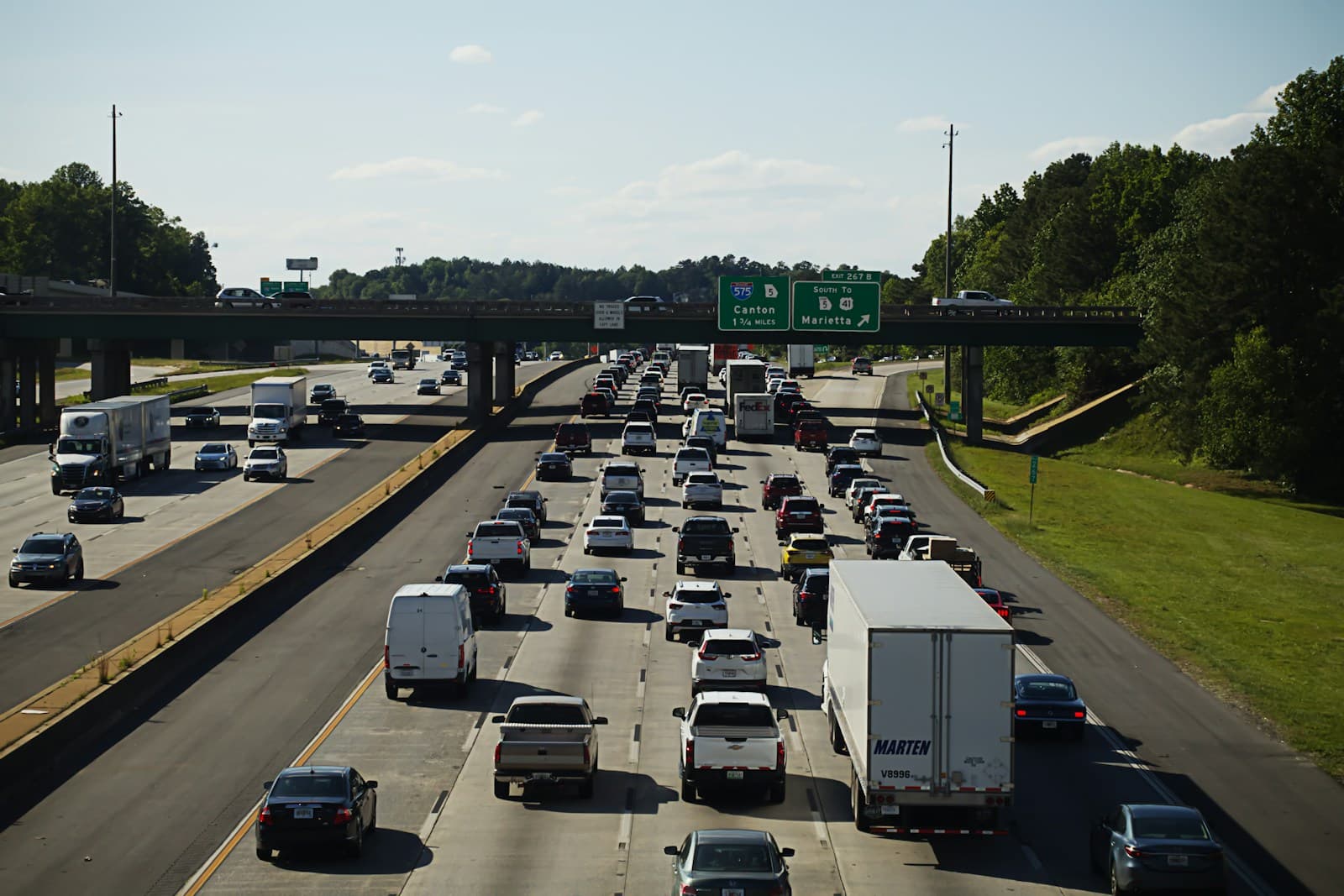
- I-95 and I-91 Corridor Accident Rates: New Haven sits at the intersection of I-95 and I-91, two of Connecticut's most congested highways with frequent accidents during peak commute hours. High-risk drivers face elevated premiums here due to increased collision probability in high-density merge zones and exit ramps near downtown.
- Downtown New Haven Traffic Density: Yale University's campus and the downtown commercial district generate consistent pedestrian and vehicle congestion, particularly along Chapel Street and Elm Street. Drivers with at-fault accidents or violations on record see higher rates due to the elevated risk environment in these grid-locked areas.
- Connecticut Uninsured Driver Rate: Connecticut's uninsured motorist rate is approximately 10%, with New Haven's urban density concentrating uninsured drivers in certain neighborhoods. High-risk drivers should prioritize uninsured motorist coverage, as a collision with an uninsured driver can compound financial exposure when your own record is already flagged.
- Winter Weather and Road Conditions: New Haven averages 37 inches of snow annually, with frequent ice on elevated highway sections and secondary roads. Drivers with prior at-fault accidents face steeper rate increases here than in warmer climates, as insurers factor in seasonal collision risk when assessing multi-violation profiles.
- Connecticut SR-22 Compliance Monitoring: Connecticut DMV requires continuous SR-22 certification for 3 years following a suspension, DUI, or major violation. Any lapse in coverage triggers automatic license re-suspension and resets the 3-year clock, making consistent policy maintenance critical for New Haven drivers navigating this requirement.

Find out exactly how long SR-22 is required in your state
Coverage Recommendations
Cost estimates are based on available industry data and vary by driver profile. These are not insurance quotes.
SR-22 Insurance
SR-22 is a certificate filed by your insurer with Connecticut DMV proving you carry at least 15/30/5 liability coverage. Required for 3 years following DUI convictions, driving without insurance, or multiple serious violations. Filing costs $50–$75, and any coverage lapse triggers license re-suspension.
$50–$75 filing fee; premiums $1,800–$3,600/yearEstimated range only. Not a quote.
Liability Insurance
Connecticut mandates 15/30/5 minimum liability, but high-risk drivers in New Haven should consider 100/300/100 limits given the city's congested roadways and elevated lawsuit risk. Minimum coverage leaves you exposed to out-of-pocket costs if you cause a serious accident on I-95 or downtown.
Minimum coverage $1,200–$2,400/year; higher limits add $300–$800/yearEstimated range only. Not a quote.
Uninsured Motorist Coverage
With approximately 10% of Connecticut drivers uninsured and New Haven's dense traffic increasing collision probability, uninsured motorist coverage protects you if an at-fault driver has no insurance. Critical for high-risk drivers already facing premium surcharges, as a hit from an uninsured driver won't add points but will add repair costs.
$150–$400/year for 100/300 UM coverageEstimated range only. Not a quote.
Non-Standard Auto Insurance
Non-standard carriers specialize in high-risk profiles — DUIs, suspended licenses, multiple violations, or lapses. In New Haven, these insurers often accept drivers rejected by standard carriers, though premiums run 40–80% higher than standard rates until your record clears over 3–5 years.
$2,400–$4,800/year for full coverageEstimated range only. Not a quote.