What Affects Rates in Orlando
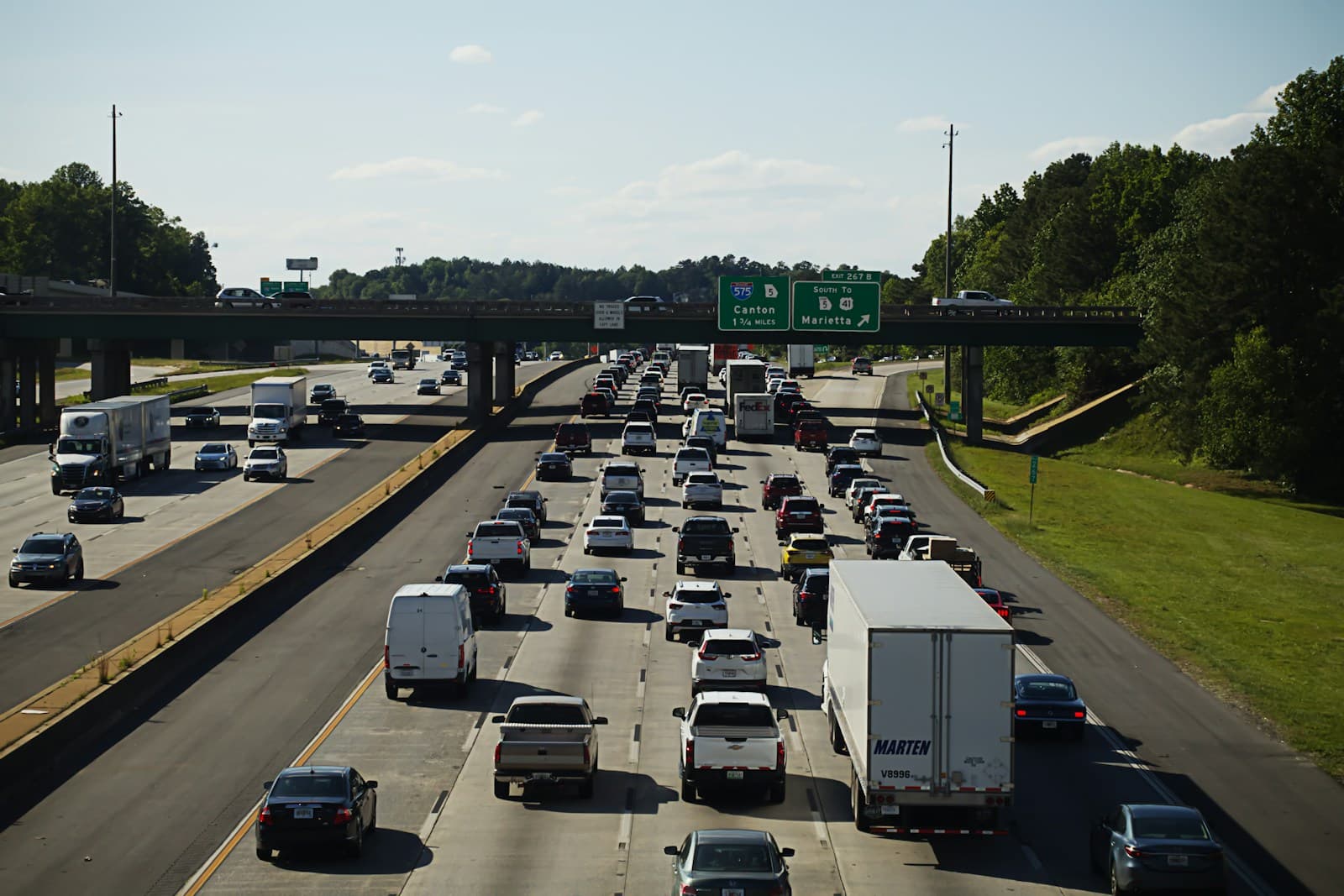
- I-4 Corridor Accident Density: The I-4 corridor through Orlando consistently ranks among the most dangerous highway segments in Florida, with elevated accident frequency around the downtown interchange and tourist district exits. High-risk drivers face steeper premiums due to the statistical probability of repeat incidents in high-density traffic zones where minor violations escalate quickly.
- Tourist Traffic Volume: Orlando's 75+ million annual visitors create unpredictable traffic patterns around International Drive, Disney corridor, and Universal Boulevard areas. Carriers price higher risk into policies for drivers with existing violations because unfamiliar tourist drivers increase collision probability, especially during peak season congestion.
- Orange County Court Docket Speed: Orange County traffic court processes DUI and suspension cases through a high-volume system that triggers SR-22 requirements relatively quickly compared to rural Florida counties. Fast processing means SR-22 filings often begin within 60–90 days of conviction, and carriers price premiums accordingly for the three-year compliance period.
- Uninsured Motorist Concentration: Florida's 20.4% uninsured driver rate manifests heavily in Orlando's metro areas, particularly in corridors with lower-income populations and transient residents. High-risk drivers need robust uninsured motorist coverage since a second at-fault claim—even against an uninsured driver—can push rates into assigned-risk territory.
- Summer Storm Collision Spikes: Orlando's daily summer thunderstorms create sudden visibility drops and wet-road conditions on high-speed routes like 408 and 528 toll roads. Carriers track seasonal accident spikes when pricing comprehensive and collision coverage for drivers already flagged as high-risk, especially those with prior at-fault weather-related claims.
Find out exactly how long SR-22 is required in your state
Coverage Recommendations
Cost estimates are based on available industry data and vary by driver profile. These are not insurance quotes.
SR-22 Insurance
Florida requires SR-22 certificates filed directly by your insurer to the DHSMV for three consecutive years following DUI convictions, license suspensions, or serious violations. Any lapse in coverage restarts the three-year clock, and carriers typically charge $25–$50 for the initial filing plus higher monthly premiums for maintaining the bond.
$25–$50 filing fee, plus elevated premiumsEstimated range only. Not a quote.
Liability Insurance
Florida's minimum $10,000 property damage liability is dangerously low for high-risk drivers in Orlando's dense traffic; a multi-car I-4 pileup can generate six-figure claims. Non-standard carriers often require $25,000/$50,000 or higher limits as a condition of coverage for drivers with DUI or at-fault accidents, adding $60–$150/month to baseline premiums.
$100–$300/month for increased limitsEstimated range only. Not a quote.
Uninsured Motorist Coverage
With one in five Florida drivers uninsured, Orlando high-risk drivers cannot afford to skip UM coverage—a second claim against your record, even when not at fault, can trigger non-renewal. UM bodily injury coverage starts around $15–$40/month for minimum limits, but consider matching your liability limits to protect against medical costs if hit by an uninsured driver on I-4 or Colonial.
$15–$40/month for basic UM coverageEstimated range only. Not a quote.
Non-Standard Auto Insurance
Non-standard carriers specialize in high-risk profiles and actively write policies in Orange County for drivers standard companies reject. Expect monthly premiums of $200–$450 for state minimum coverage depending on violation severity, but these carriers offer six-month policy terms that allow rate reductions as your three-year SR-22 period progresses without new incidents.
$200–$450/month typical rangeEstimated range only. Not a quote.