What Affects Rates in Hilo
- Limited Carrier Competition in Island Market: Hilo's isolated location and Hawaii County's smaller population mean fewer non-standard insurers actively write high-risk policies here compared to Oahu. Drivers often face 2–3 available carriers willing to accept SR-22 risks, reducing competitive pricing pressure and elevating premiums by 15–25% versus mainland urban markets with broader non-standard competition.
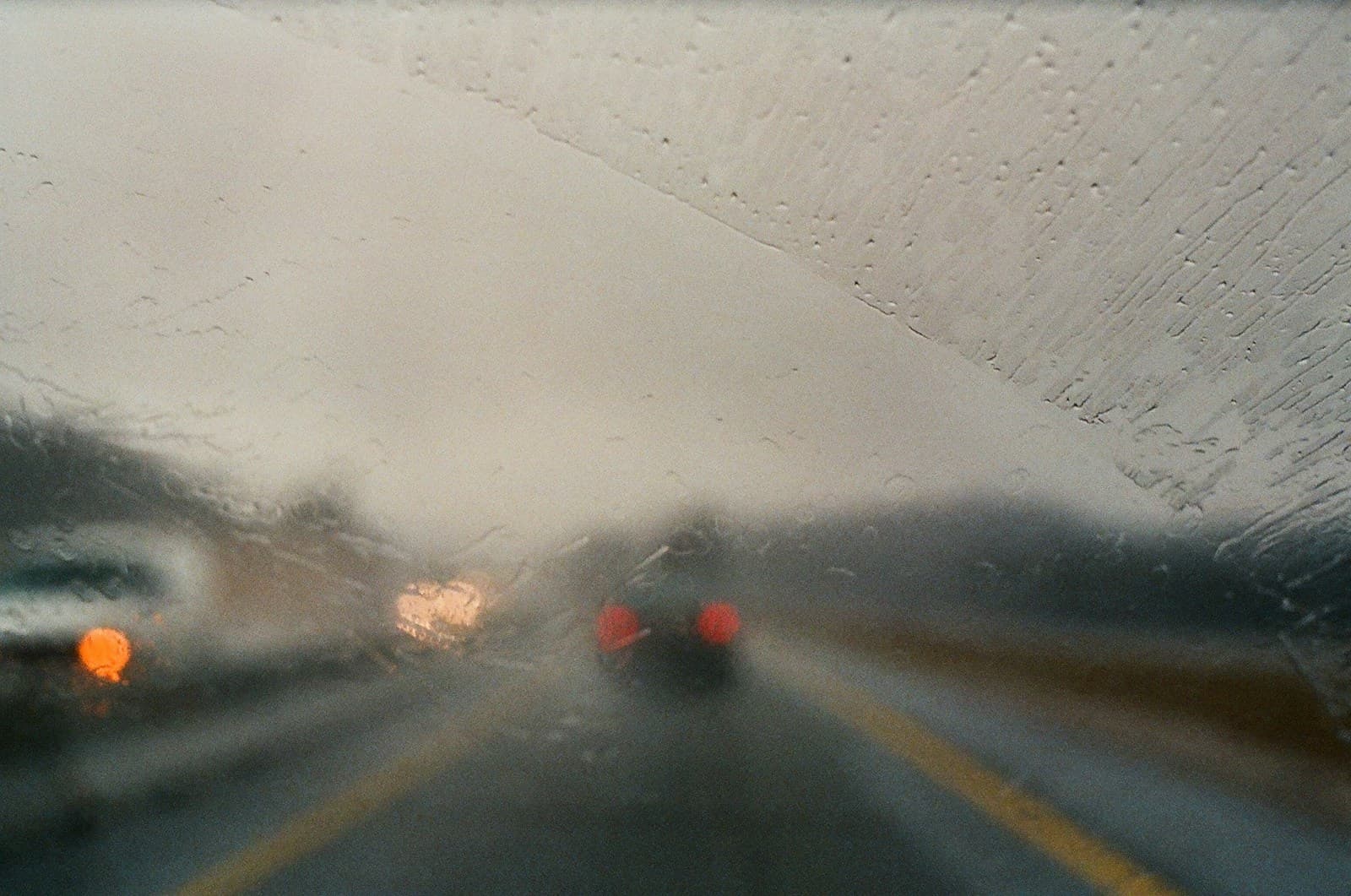
- Extreme Rainfall and Flood Risk: Hilo receives over 130 inches of annual rainfall, the highest of any U.S. city, creating frequent flash flood conditions and comprehensive claims. High-risk drivers required to carry full coverage for financed vehicles pay $400–$800/year more for comprehensive due to elevated water damage and weather-related incident rates along coastal and low-lying Hilo roads.
- Rural Highway Crash Patterns on Route 11 and Saddle Road: Hawaii Belt Road (Route 11) and Saddle Road see higher-speed rural crashes, often involving single-vehicle incidents in wet conditions. Drivers with existing at-fault accidents or DUIs face surcharges of 40–60% when incident history combines with Hilo's rural road risk profile, particularly for liability limits above state minimums.
- Mandatory No-Fault PIP Adds Base Cost: Hawaii requires $10,000 personal injury protection regardless of driving record, adding $300–$600/year to every policy. High-risk drivers cannot waive PIP to reduce premiums, meaning Hilo SR-22 policies start higher than comparable mainland markets where PIP is optional or absent.
- Limited Public Transit Increases Vehicle Dependence: Hilo's minimal public transit options mean suspended or high-risk drivers often need SR-22 coverage to maintain employment and daily mobility, reducing leverage to shop carriers. This inelastic demand allows non-standard insurers to maintain higher rates without significant policyholder churn.

Find out exactly how long SR-22 is required in your state
Coverage Recommendations
Cost estimates are based on available industry data and vary by driver profile. These are not insurance quotes.
SR-22 Insurance
Required certificate filed by your insurer with Hawaii DMV proving continuous coverage for 3 years following DUI, reckless driving, or driving without insurance. SR-22 itself costs $50 to file, but underlying high-risk policy in Hilo runs $1,800–$3,600/year depending on violation severity and required limits.
$150–$300/month plus $50 filingEstimated range only. Not a quote.
Liability Insurance
Hawaii mandates $20,000/$40,000 bodily injury and $10,000 property damage minimums. High-risk drivers in Hilo pay $900–$1,800/year for state minimums alone; increasing to $100,000/$300,000 limits adds $400–$700/year but protects against Hilo's higher crash severity on rural highways.
$75–$150/month for minimum limitsEstimated range only. Not a quote.
Uninsured Motorist Coverage
Protects you when hit by uninsured drivers, estimated at 8–10% in Hawaii County. High-risk drivers pay $200–$400/year for UM coverage matching liability limits; essential in Hilo where rural road crashes often involve out-of-state tourists or uninsured locals on older vehicles.
$17–$35/monthEstimated range only. Not a quote.
Comprehensive Coverage
Covers non-collision damage including Hilo's frequent flood, falling debris from tropical storms, and volcanic ash. Required if financing a vehicle; high-risk drivers pay $500–$1,000/year with $500–$1,000 deductibles due to Hilo's extreme weather claim frequency being factored into already-elevated non-standard rates.
$40–$85/monthEstimated range only. Not a quote.