What Affects Rates in Honolulu
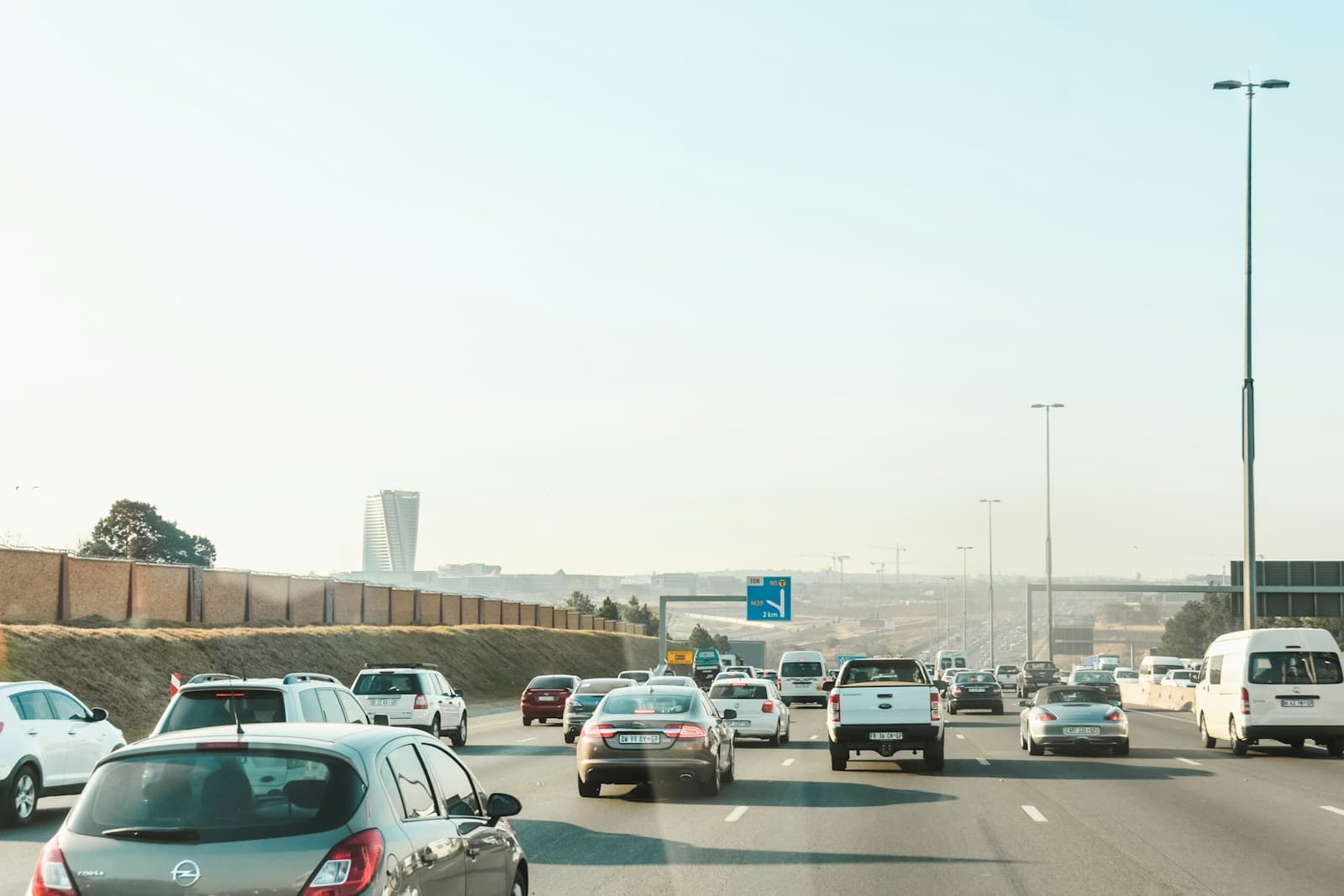
- H-1 Freeway Congestion: Daily gridlock on H-1 between Pearl City and downtown Honolulu increases rear-end collision risk, pushing high-risk premiums higher in zip codes along this corridor. Insurers assign elevated risk scores to drivers commuting through these congestion zones with prior at-fault accidents.
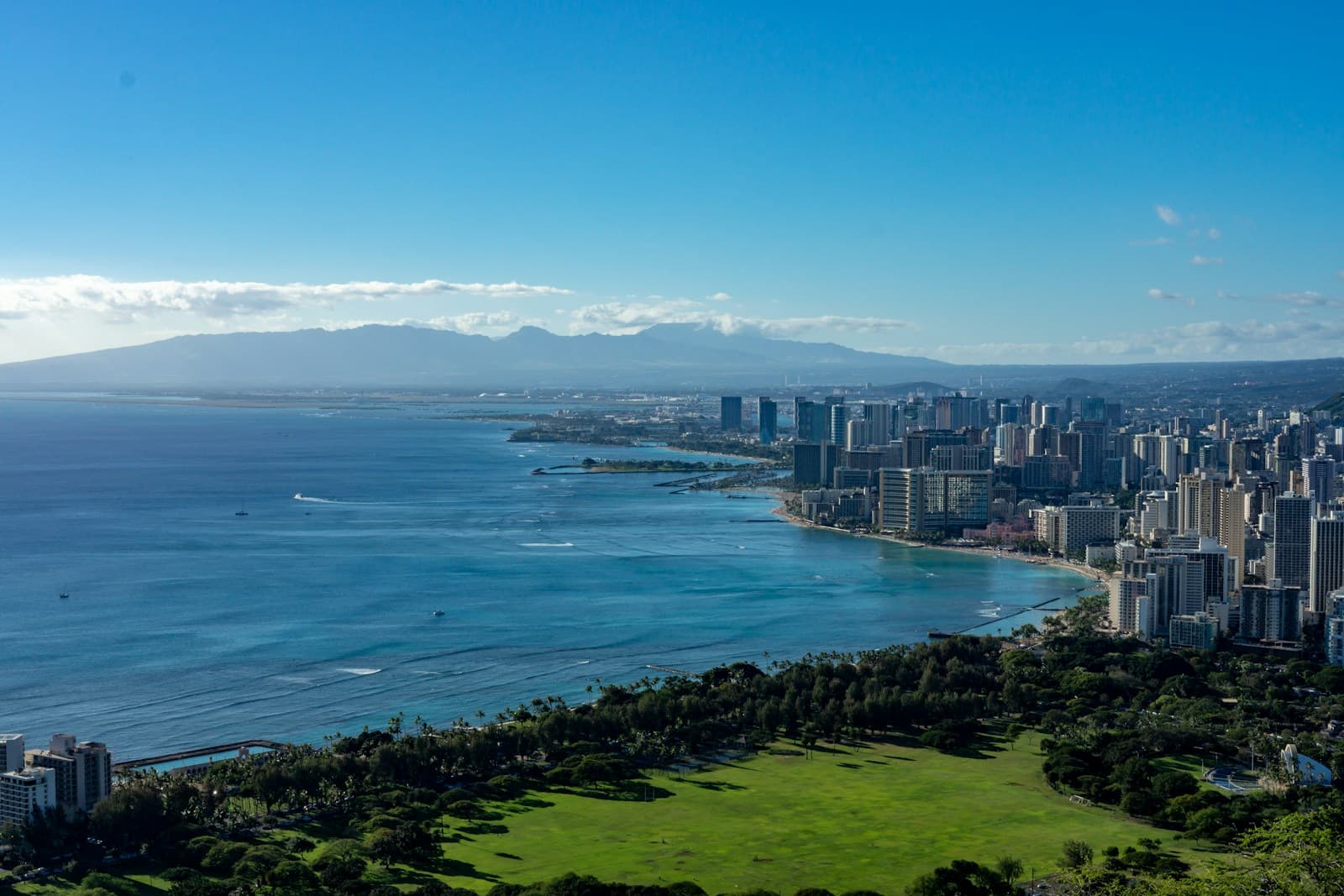
- Tourist Traffic Density: Waikiki and surrounding resort areas see elevated accident frequency due to unfamiliar rental drivers and pedestrian activity. High-risk drivers living or working in these zones often face 10–20% higher premiums than suburban Oahu neighborhoods.
- Limited Carrier Competition: Honolulu's island geography limits the number of non-standard carriers actively writing policies, reducing competitive pressure on high-risk rates. Drivers with DUIs or multiple violations often find fewer than five carriers willing to quote.
- No-Fault PIP Requirement: Hawaii's no-fault system mandates $10,000 minimum Personal Injury Protection, adding base cost to every policy. High-risk drivers already paying elevated liability premiums see this requirement compound their total monthly cost by $30–$60.
- Rust and Salt Air Vehicle Degradation: Coastal salt air accelerates vehicle corrosion, increasing comprehensive claim frequency for high-risk drivers who may defer maintenance. Insurers factor this environmental risk into Honolulu premium calculations, particularly for older vehicles.
Find out exactly how long SR-22 is required in your state
Coverage Recommendations
Cost estimates are based on available industry data and vary by driver profile. These are not insurance quotes.
SR-22 Insurance
Required certificate filed by your insurer to prove continuous coverage after DUI, suspension, or serious violation. The SR-22 itself costs $25–$50, but the high-risk policy behind it drives your monthly premium to $180–$350 in Honolulu based on your violation type.
$25–$50 filing + high-risk premiumEstimated range only. Not a quote.
Liability Insurance
Hawaii requires $20,000 bodily injury per person, $40,000 per accident, and $10,000 property damage. High-risk drivers in Honolulu often pay $120–$250/month for minimum liability alone due to violation surcharges and urban accident frequency.
$120–$250/mo minimum coverageEstimated range only. Not a quote.
Uninsured Motorist Coverage
Protects you when hit by a driver without insurance or insufficient coverage, a common scenario in Honolulu's high-traffic tourist areas. High-risk drivers should carry at least $25,000/$50,000 UM limits, adding $20–$40/month to your premium.
$20–$40/mo for $25k/$50kEstimated range only. Not a quote.
Non-Standard Auto Insurance
Specialized policies from carriers willing to accept DUIs, lapses, or multiple violations when standard insurers decline. Non-standard carriers operating in Honolulu include national providers and Hawaii-focused insurers, with rates 50–150% above standard market pricing.
50–150% above standard ratesEstimated range only. Not a quote.