What Affects Rates in Idaho Falls
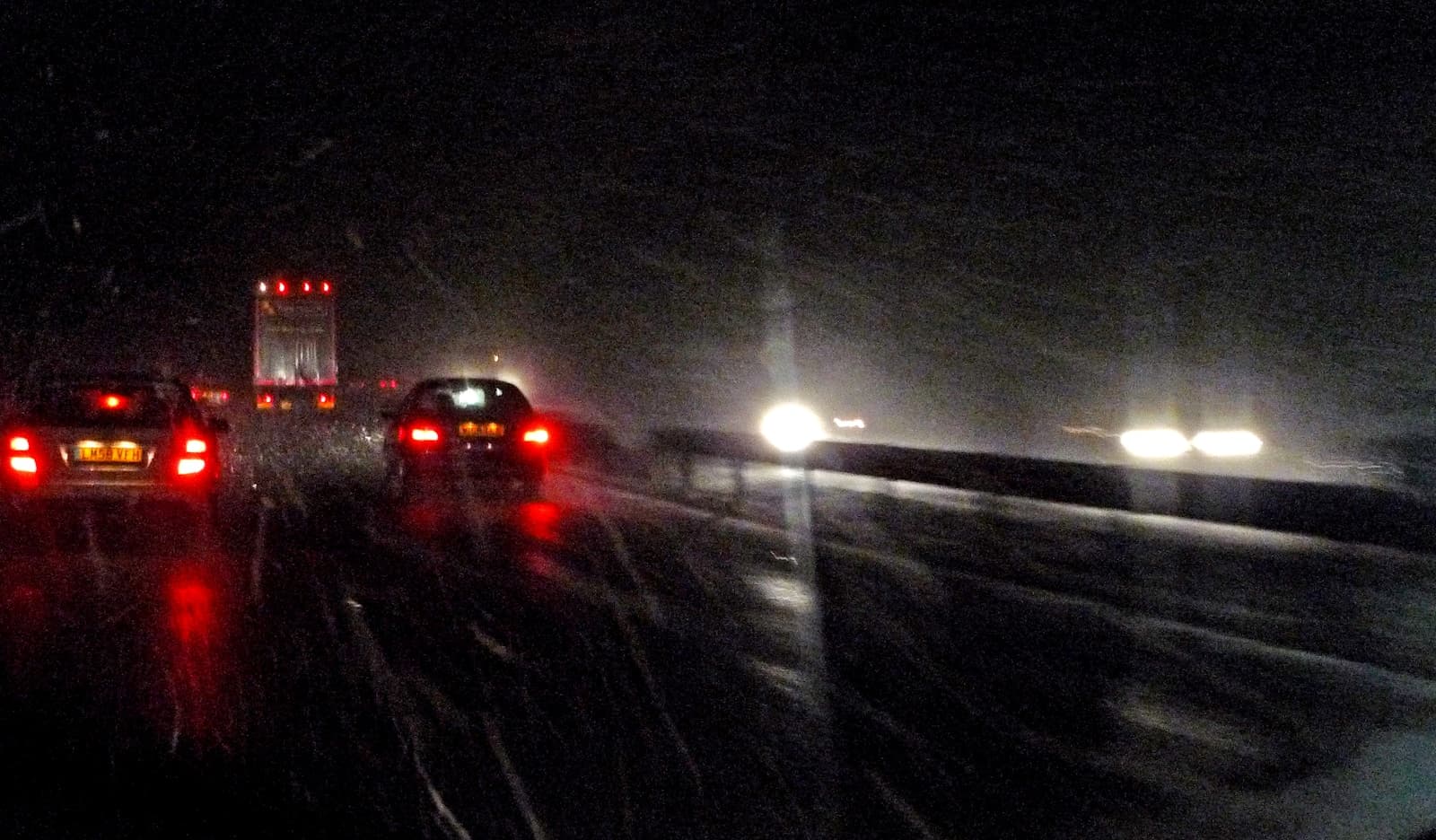
- Winter Weather Accident Frequency: Idaho Falls experiences heavy snowfall from November through March, with US-20 and I-15 corridors seeing elevated accident rates during winter storms. High-risk drivers with existing at-fault accidents pay 15–25% more during these months due to increased collision risk.
- Rural Highway Exposure: Idaho Falls sits at the intersection of I-15 and US-20, with many drivers commuting from Rigby, Rexburg, and Blackfoot on high-speed rural highways. Carriers raise rates for high-risk drivers with violations who log significant highway miles, as fatality rates on rural Idaho roads are nearly double the national average.
- Limited Non-Standard Carrier Competition: Idaho Falls has fewer non-standard insurers than Boise or Twin Falls, limiting options for drivers with DUIs or multiple violations. Expect to quote with 4–6 carriers minimum, including national non-standard specialists, as local-only agencies may decline high-risk profiles outright.
- Bonneville County Court SR-22 Processing: SR-22 filings processed through Bonneville County typically take 3–5 business days to reach the Idaho Transportation Department. Drivers must maintain continuous coverage without lapses, as any gap restarts the 3-year requirement and triggers immediate license suspension.
- Agricultural Vehicle Interactions: Farm equipment and livestock traffic on roads surrounding Idaho Falls increase accident risk, particularly on State Highway 91 and routes toward Shelley and Firth. High-risk drivers involved in accidents with slow-moving agricultural vehicles face compounded rate increases due to the complexity of rural collision claims.
Find out exactly how long SR-22 is required in your state
Coverage Recommendations
Cost estimates are based on available industry data and vary by driver profile. These are not insurance quotes.
SR-22 Insurance
Idaho requires SR-22 for 3 years following DUI convictions, driving without insurance, or accumulating excessive points. The SR-22 itself costs $25–$50 to file, but underlying high-risk premiums in Idaho Falls typically range $140–$280/month depending on violation severity.
$25–$50 filing + high-risk premiumEstimated range only. Not a quote.
Liability Insurance
Idaho mandates 25/50/15 minimums ($25k per person, $50k per accident for injury, $15k property damage), but high-risk drivers in Idaho Falls should consider 50/100/25 or higher given at-fault system liability and limited uninsured motorist protection. Liability-only policies for high-risk drivers typically cost $120–$220/month.
$120–$220/month (liability-only)Estimated range only. Not a quote.
Uninsured Motorist Coverage
With approximately 7% of Idaho drivers uninsured and winter accident rates elevated in Idaho Falls, uninsured motorist coverage protects high-risk drivers from out-of-pocket costs when hit by an uninsured driver. Adding 50/100 UM coverage typically adds $15–$35/month to high-risk policies.
+$15–$35/month for 50/100 UMEstimated range only. Not a quote.
Non-Standard Auto Insurance
Drivers with DUIs, multiple violations, or recent lapses in Idaho Falls typically need non-standard carriers willing to underwrite high-risk profiles. Expect higher deposits ($200–$500) and shorter policy terms (6 months) until your record improves, with rates decreasing 10–20% annually if you maintain a clean driving period.
$140–$280/month; improves yearlyEstimated range only. Not a quote.